
Samsung Patents a Headset That Places Controls Within Arm's Reach of Real Objects
Imagine looking at a smart TV through a mixed reality headset and having the remote controls automatically appear on the nearest armrest — not floating awkwardly in mid-air. That's exactly the problem Samsung is trying to solve.
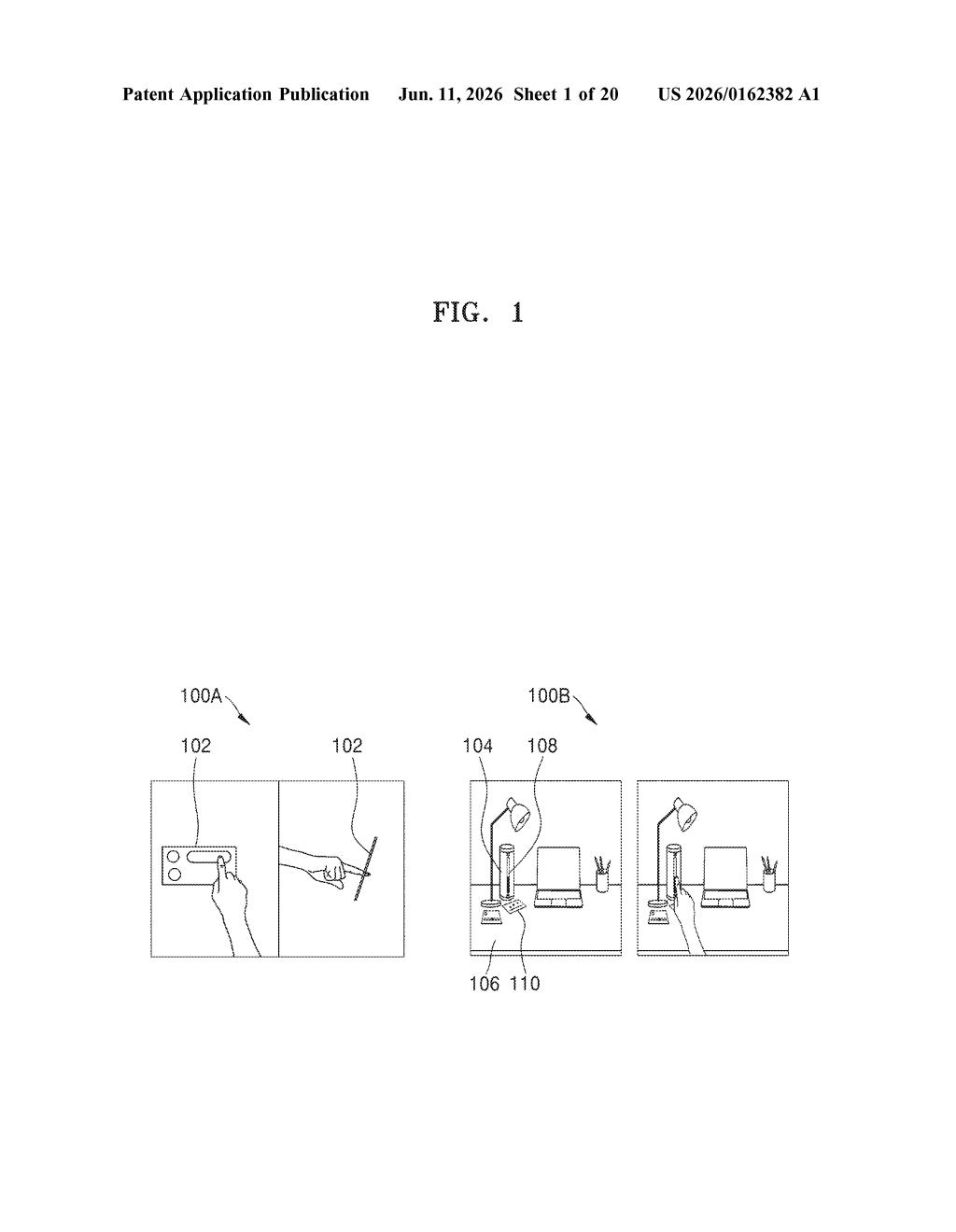
How Samsung's MR headset decides where to put your controls
Mixed reality headsets let you layer digital menus and controls on top of the real world around you. The problem is that most headsets just guess where to put those controls — often floating them in inconvenient spots you can't easily reach or tap.
Samsung's patent describes a headset that actually looks at the physical room around you and picks the best nearby surface to display controls on. Point your gaze at an object — say, a coffee maker or a smart speaker — and the headset scans the surrounding walls, tables, and counters to figure out which flat spot is easiest for you to interact with.
Once it picks a spot, it anchors those controls right there on that surface, so they stay put as you move around. It's less like a heads-up display floating in front of you and more like the headset is turning your actual furniture into a touchscreen.
How the headset scores and ranks each surface region
The patent outlines a pipeline that runs whenever the headset detects an object of interest — any physical thing the system decides is worth interacting with digitally.
- Object identification: The headset recognizes the object and looks up or generates the right UI controls for it (think: play/pause for a TV, temperature dial for a thermostat).
- Surface segmentation: It then maps the surrounding physical surfaces — walls, tabletops, shelves — and divides them into candidate regions, small zones that could each host a panel of controls.
- Interactability scoring: Each region gets scored based on defined parameters — likely factors like how flat the surface is, how close it is to the user, whether it's within comfortable arm's reach, and whether it's already cluttered. A higher score means a better candidate.
- Anchoring: The winning region gets the controls locked to it in 3D space, so they behave like a sticker on that surface rather than a floating hologram.
The anchoring step is important: it means the UI panel moves with the real world, not with your head, making it feel more like a physical object and less like something painted on your eyeballs.
What this means for Samsung's mixed reality ambitions
For mixed reality headsets to feel genuinely useful rather than gimmicky, digital controls need to feel placed — like someone thought about where your hands actually go. This patent is Samsung's attempt to make that placement automatic rather than leaving it to developers or users to sort out manually.
Samsung hasn't shipped a consumer MR headset yet, but this filing signals it's thinking carefully about the interaction design layer — not just the display hardware. If this system works well in practice, it could be a real differentiator: a headset that feels ergonomic out of the box rather than one that makes you wave at empty air.
This is a genuinely practical idea tackling one of mixed reality's most annoying unsolved problems: where do you actually put the UI? Samsung isn't chasing spectacle here — it's doing the unglamorous interaction-design work that will determine whether MR headsets feel like tools or toys. Worth watching as the company edges toward a consumer device.
There are more where this came from
We read every patent application Big Tech publishes and send you the ones worth knowing. Plain English, free, every week.
Want this weekly breakdown for a company we don't cover? Patentlyze Pro →