
Salesforce Patents a System That Reads Your Support Chat and Pulls Up the Right Document
Imagine a customer support agent mid-conversation — before they can even type a reply, the right help article is already on their screen. That's the core idea behind this Salesforce patent.
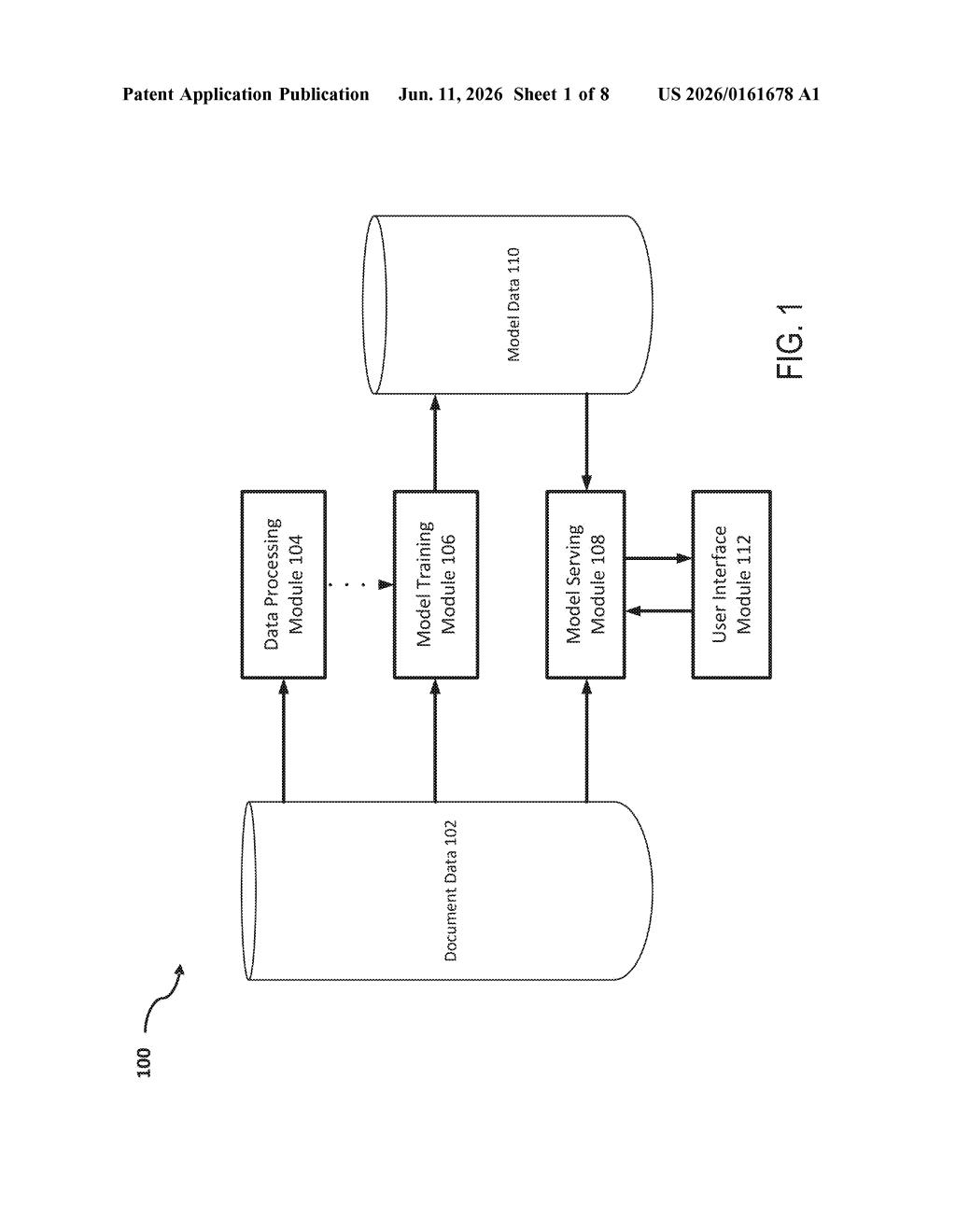
What Salesforce's live-chat document finder actually does
Picture a customer service agent chatting with someone whose software isn't loading. Normally, the agent would need to stop, search a knowledge base, hope the search terms are right, and paste a link. This patent describes a system that reads the conversation as it's happening and automatically recommends the most relevant document — no manual search needed.
The system works by converting both the incoming chat text and a library of help documents into numerical "fingerprints" (called vectors). It then finds which document fingerprint is closest to the chat fingerprint — essentially asking, "which article is this conversation most similar to?"
The model is trained on past conversations and documents, including human-labeled context when that's available, which helps it learn the difference between similar-sounding questions that actually need different answers. The result is a real-time nudge pointing agents — or possibly an AI bot — toward the best document for that specific moment in the conversation.
How the two-model pipeline matches chat text to documents
The patent describes a two-model vectorization pipeline. One model (the first vectorizer) converts the incoming chat text into a numeric vector — essentially a point in a high-dimensional space that captures the meaning of what the user typed. A second model does the same for every document in the knowledge base, pre-computing their vectors so comparisons can happen fast.
At recommendation time, the system calculates similarity scores between the chat vector and every document vector, then surfaces the best match. Think of it like a map where similar ideas cluster near each other — the system finds which document is geographically closest to the question being asked.
The training process has two modes depending on what data is available:
- Supervised mode — uses human-annotated labels (e.g., "this conversation type should link to this article") to teach the model precise associations
- Unsupervised mode — learns patterns from raw documents alone when labeled data isn't available
The claim specifically calls out annotated contextual information as supervisory labels, which means the model can learn not just from document content but from curated human guidance about when each document is most appropriate — a meaningful boost over pure keyword matching.
What this means for customer service and help desks
For anyone who has ever sat on hold or in a chat queue while an agent hunted for the right answer, this is the plumbing behind a noticeably faster support experience. Salesforce sells its Service Cloud platform to thousands of customer-service operations, and a real-time document recommender is exactly the kind of AI assist that could reduce handle times and improve first-contact resolution rates.
The deeper angle is the training flexibility: by handling both labeled and unlabeled data, the system can be deployed even when a company hasn't meticulously tagged its knowledge base. That lowers the bar for smaller businesses to benefit from the same capability large enterprises get — which fits neatly into Salesforce's push to make AI features accessible across its entire customer tier.
This is solidly useful, if unglamorous, enterprise infrastructure. Salesforce is building the kind of AI-assist layer that makes agents faster without replacing them — and the supervised/unsupervised flexibility is the detail that makes it practically deployable rather than just theoretically appealing. Don't expect a product announcement, but do expect to see this show up quietly inside Service Cloud's Einstein features.
There are more where this came from
We read every patent application Big Tech publishes and send you the ones worth knowing. Plain English, free, every week.
Want this weekly breakdown for a company we don't cover? Patentlyze Pro →