
Google Patents a Wearable That Aims Its Voice Replies at the Right Person
Most voice assistants just shout their answer into the room. Google's latest patent describes a wearable that figures out which direction a person is speaking from — then points its audio reply straight at them.
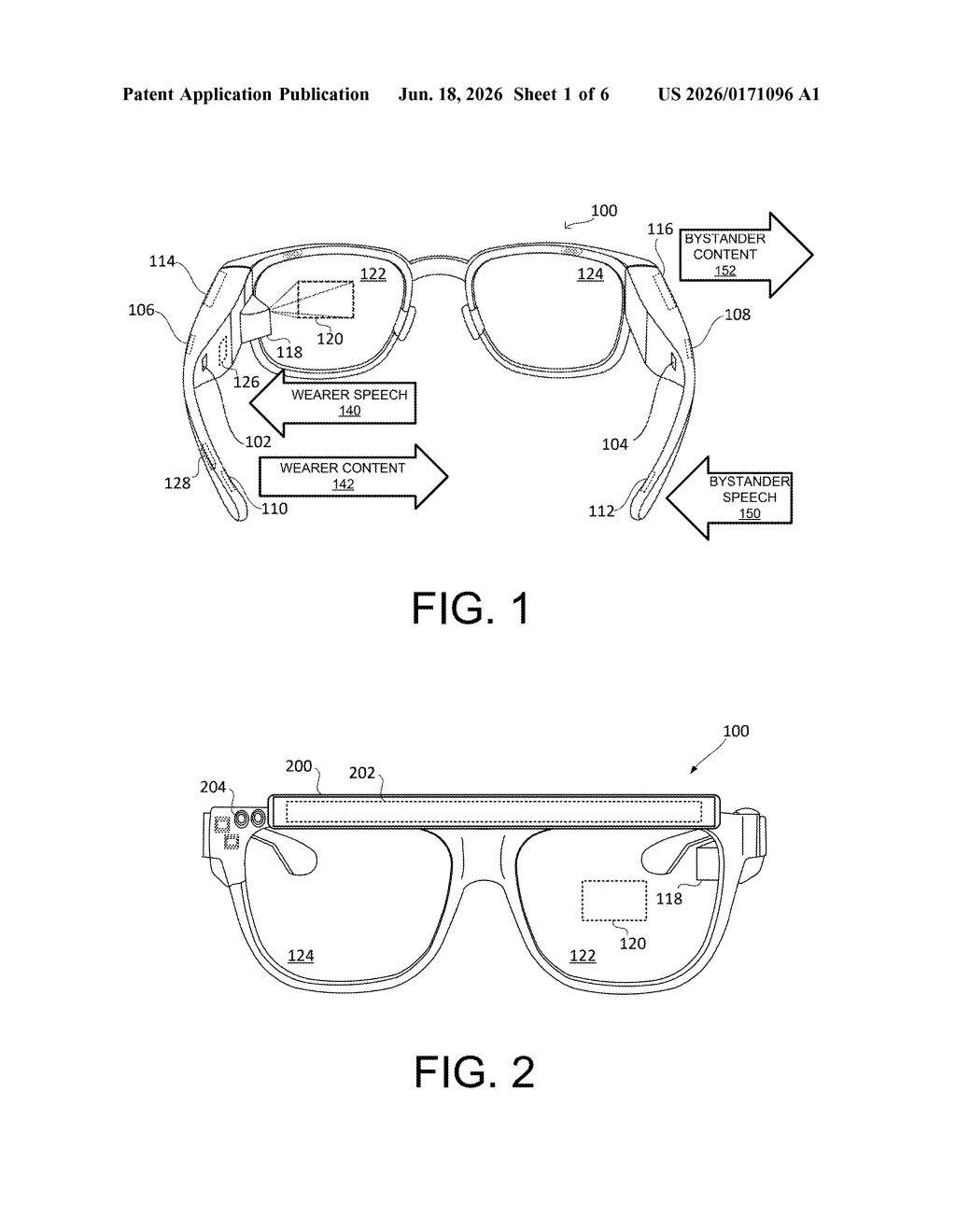
What Google's direction-aware wearable actually does
Imagine you're at a busy coffee shop wearing a pair of smart glasses. Your friend asks them a question from your left, a stranger accidentally triggers them from your right — and the glasses just blurt the answer out loud for everyone to hear. That's a real problem with today's wearable assistants.
Google's new patent tackles that. The idea is that the wearable listens to incoming audio, works out which direction the speaker is coming from, and then adjusts how it plays back its response so the sound is aimed at that specific person. It's a bit like how a good speaker at a dinner party turns to face whoever asked them a question.
The practical payoff is that in a room with multiple people, the device can tailor its audio output so the right person hears the answer — without broadcasting it to everyone nearby. That makes the interaction feel more natural and a lot more private.
How the device pinpoints who's talking and where
The patent describes a method that runs on a wearable device — most likely glasses or a similar head-worn form factor — equipped with at least one microphone and at least one speaker (or array of speakers).
Here's the basic flow:
- The microphone picks up audio from a user.
- The device analyzes that audio to determine the direction the speaker is coming from — essentially figuring out whether the voice is arriving from the left, right, front, or some angle in between.
- A response is generated (presumably by an on-device or cloud-based assistant).
- The device selects an audio configuration — meaning it decides how to set up its speaker output — based on that direction, so the reply is steered toward the person who actually spoke.
The direction-finding step is the key technical piece. By using the timing and volume differences between multiple microphone inputs, the device can triangulate where a voice is coming from — a technique called spatial audio processing (the same principle your ears use to tell where a sound originates).
The claim covers the general method, so it would apply to any wearable with audio input and output — not just one specific hardware design.
What this means for Google's smart glasses ambitions
Google is actively building out its smart glasses line, and one of the core challenges for any face-worn assistant is handling conversations in the real world, where multiple people are often nearby. A device that can identify who is addressing it and reply directionally is a meaningful step toward interactions that don't feel awkward or broadcast private information to bystanders.
For you as a user, this could mean a wearable assistant that feels genuinely conversational rather than like a speakerphone strapped to your face. It also raises the floor on privacy — if the device can aim its reply at you specifically, the person standing next to you doesn't necessarily hear what your assistant said back.
This is a focused, well-scoped patent that solves a real and underappreciated problem with wearable assistants. It won't make headlines on its own, but directional audio replies are the kind of detail that separates a wearable people will actually use in public from one they leave at home. If Google ships this in a future version of its glasses, most reviewers probably won't even notice — which is exactly the point.
There are more where this came from
We read every patent application Big Tech publishes and send you the ones worth knowing. Plain English, free, every week.
Want this weekly breakdown for a company we don't cover? Patentlyze Pro →