
Samsung Patents a Smartwatch Sensor That Doubles as a Wireless Signal Booster
The tiny electrode on the back of your smartwatch that reads your heart rate might soon be doing a second job: helping the watch talk to your phone.
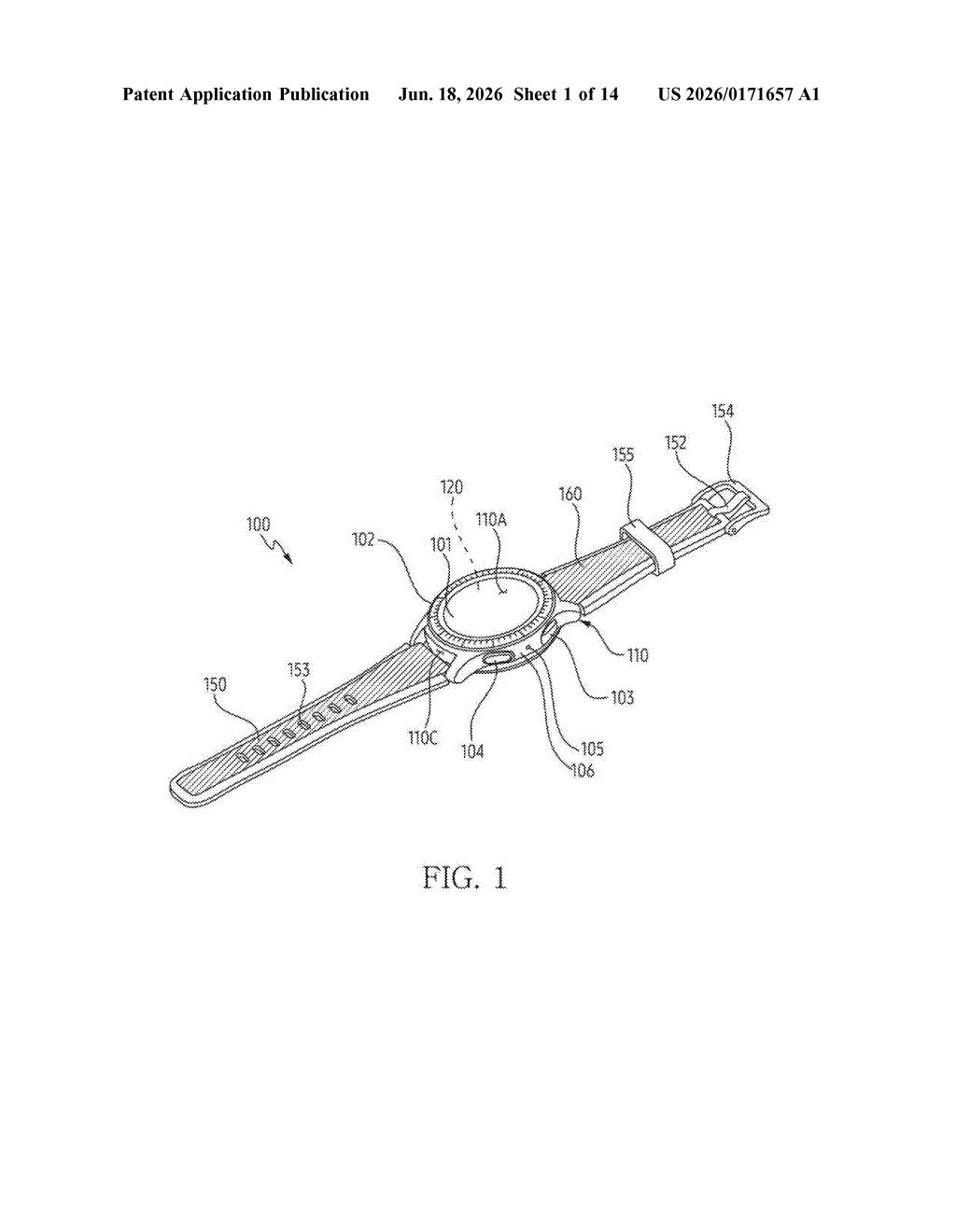
What Samsung's dual-purpose wearable electrode actually does
Smartwatches pack a lot of hardware into a small space, and finding room for both health sensors and wireless antennas is a real engineering headache. Samsung's new patent describes a way to make one component do both jobs.
The electrode on the back of the watch — the part that touches your wrist and reads electrical signals from your body — is wired up so it can also act as part of the watch's wireless antenna. A small switching circuit decides, moment to moment, which role the electrode is playing. When the watch needs your heart data, the signal flows one way. When it needs to send or receive a wireless signal, it flows another way.
Think of it like a garden hose with a splitter: the same pipe, but a valve chooses whether water goes to the flower bed or the lawn. Samsung is essentially doing that with electrical signals inside your watch, which could mean thinner devices, better antenna performance, or both.
How the switch circuit juggles health sensing and RF signals
The patent describes a wearable — most likely a smartwatch — built around a frame with a conductive portion that acts as an antenna for wireless communication. A cover plate on the back of the device houses an electrode that detects low-frequency electrical signals from the wearer's body, the kind used for ECG (electrocardiogram) or bioelectrical impedance readings.
The clever part is the dual-path wiring. The electrode connects to the processor through a first electrical path that filters for biological signals. It also connects through a second electrical path to a switch circuit tied to the antenna's ground — the reference point that makes the antenna work efficiently.
A switch circuit (essentially a tiny electronic relay) lets the processor toggle the electrode's role in real time:
- Health-sensing mode: the electrode reads body signals, the RF path is isolated.
- Wireless mode: the electrode connects to the antenna's ground, improving the antenna's performance.
- The processor controls which mode is active, potentially switching between them very quickly.
This approach lets Samsung use the electrode as structural antenna hardware instead of adding separate antenna components, which matters a lot when every cubic millimeter of wearable space is contested.
What this means for future Galaxy Watch hardware
Antenna design in wrist-worn devices is notoriously difficult. The human body absorbs RF energy, which degrades signal quality, and there is almost no physical room for a well-tuned antenna. By routing the back-plate electrode into the antenna's ground circuit, Samsung could improve wireless reliability without adding hardware — a meaningful gain for devices like the Galaxy Watch that already push the size limits of what fits on a wrist.
For you as a wearer, the practical upside could be more consistent Bluetooth and LTE connections, especially during workouts when the watch moves around on your wrist. There is also a longer-term angle: if fewer dedicated components are needed, future watches could be thinner or pack a larger battery in the same footprint.
This is the kind of unglamorous component-level engineering that actually separates good wearables from great ones. Antenna performance on smartwatches is a real, unsolved problem, and reusing an existing sensor electrode as antenna ground is a genuinely tidy solution. Whether Samsung ships it soon or it quietly sits in a patent portfolio is another question, but the underlying idea is worth taking seriously.
There are more where this came from
We read every patent application Big Tech publishes and send you the ones worth knowing. Plain English, free, every week.
Want this weekly breakdown for a company we don't cover? Patentlyze Pro →