
Samsung Patents a Voice Assistant That Plans Its Own Path Through Any App
Instead of a voice assistant that only works where developers built in support, Samsung is patenting a system that builds its own map of any app's screens — then figures out exactly which buttons to press to carry out your spoken request.
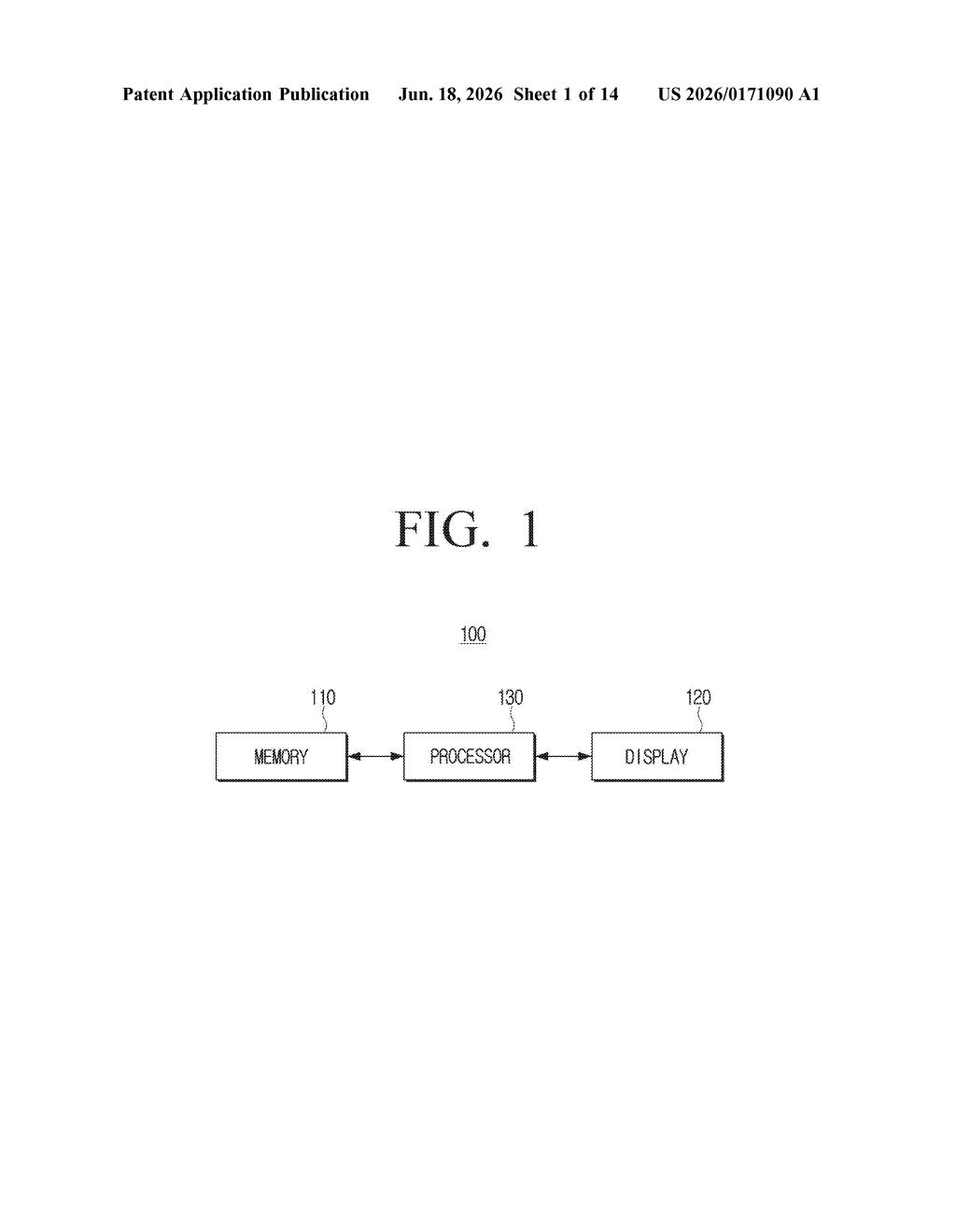
How Samsung's voice system figures out what to tap and when
Imagine telling your phone "send a voice message to Mom on WhatsApp" and having it actually do it — navigating through menus, finding the right contact, and hitting record — without you touching the screen once. That's the problem Samsung is working on here.
Most voice assistants today are limited. They can open an app or answer a simple question, but if your request requires several taps across multiple screens, they give up. Samsung's patent describes a system that builds a kind of map of every screen inside an app, recording how those screens connect to each other. When you speak a command, the assistant figures out which screen it needs to reach and plots a step-by-step path to get there.
The system also updates its map automatically whenever an app is changed. If an app adds a new screen after an update, the assistant learns about it and folds it into its internal map — so your voice commands keep working even after the app changes.
How the UI graph maps screens into nodes and action sequences
The patent describes a UI graph — essentially a data structure where every screen (or meaningful view) inside an app is stored as a "node," and every action that moves you from one screen to another (a tap, a swipe, a button press) is stored as an "edge" connecting those nodes. Think of it like a subway map for an app's interface.
When you speak a command, the device runs natural language understanding (NLU) — the layer that converts your words into structured intent, identifying what you want to do, which app you're targeting, and any relevant details (like a contact name or a dollar amount). The processor then looks up the UI graph for that app and finds the "target node" — the exact screen where that action can be performed.
From there, it compares where you currently are in the app (the "current node") to where it needs to go, and computes an action sequence: a precise, ordered list of interface interactions that navigate from here to there. It then executes those steps automatically.
Critically, the system handles app updates. When an app changes, the device scans the new version's screens, uses their metadata to recognize new screens, and rewires the graph to reflect the updated layout — keeping the voice system accurate without manual intervention.
What this means for hands-free phone control
For most people, voice control on a phone is useful for quick lookups but falls apart the moment you need anything that lives two or three taps deep inside an app. This patent describes infrastructure that could make deep, multi-step voice commands reliable across any app — not just the handful that have custom voice integrations built in.
For Samsung, this is also a strategic move. As the company pushes its Bixby assistant and its Galaxy AI features into more devices, a system that works across arbitrary third-party apps without requiring developer cooperation would be a genuine differentiator. It's the kind of capability that matters most for accessibility — users who rely on hands-free control — but would benefit anyone trying to use a phone without looking at it.
This is a real engineering problem with a real solution, and Samsung is being specific about how to solve it. The UI-graph approach is a sensible architecture for making voice assistants genuinely useful rather than superficially capable. Whether Samsung can execute it reliably across the full chaos of third-party app updates is the hard part — the patent describes the design, not the guarantee.
There are more where this came from
We read every patent application Big Tech publishes and send you the ones worth knowing. Plain English, free, every week.
Want this weekly breakdown for a company we don't cover? Patentlyze Pro →