
Samsung Patents a Display That Dims Itself Before It Overheats
Samsung is patenting a display that watches its own temperature in real time and quietly pulls back brightness before a screen module gets hot enough to cause damage — or a noticeable failure.
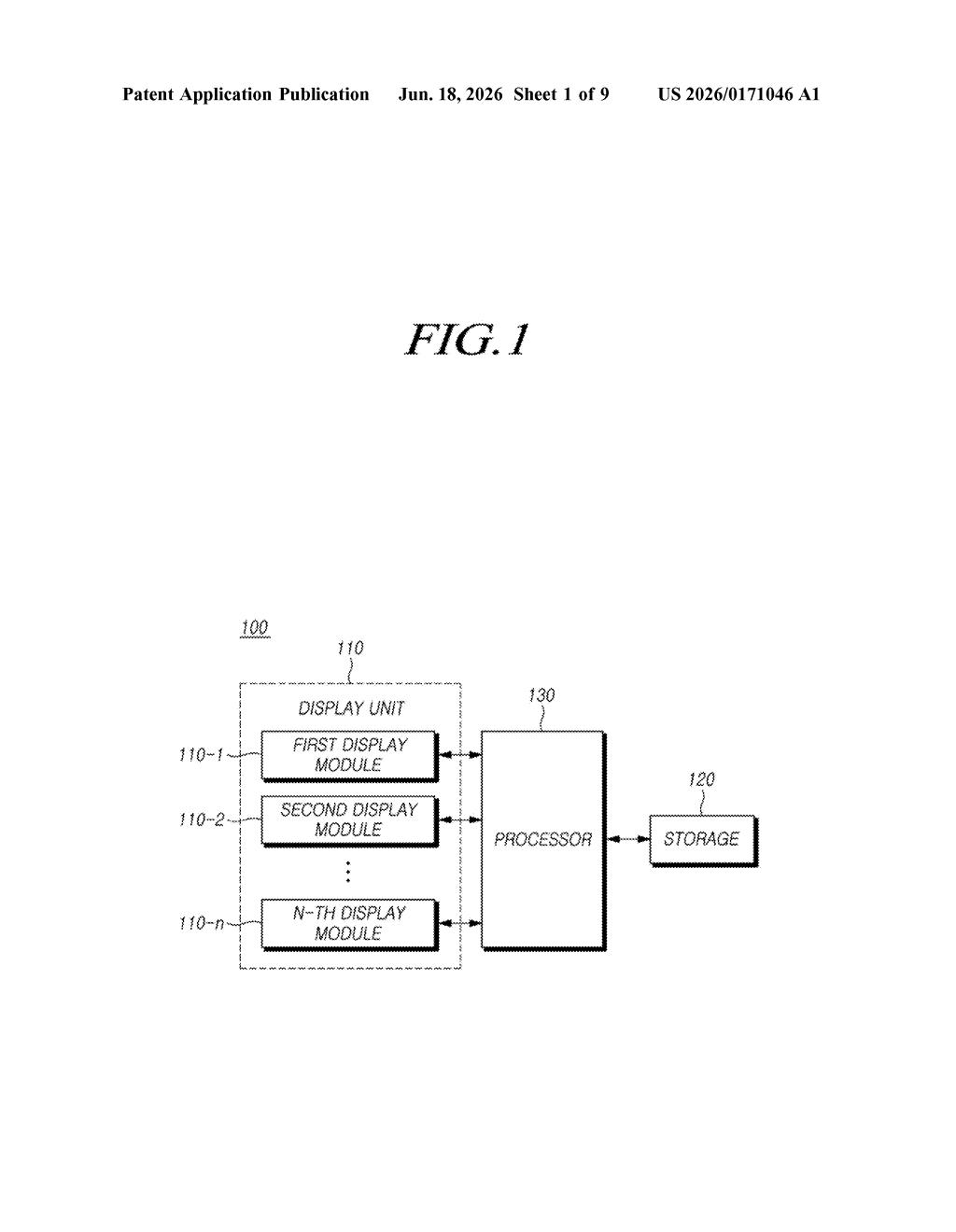
What Samsung's heat-aware brightness system actually does
Imagine a giant TV or a digital billboard running a dazzling, full-brightness scene for hours. Eventually, parts of the screen get too hot — and that heat can shorten the display's life or cause uneven brightness across panels.
Samsung's patent describes a system where the display's processor constantly checks how hard the screen is working (essentially: how bright and complex the image is), then estimates how hot each display module is getting as a result. If things are trending too warm, the system automatically reduces the peak brightness before a real problem develops.
The key idea is that it acts predictively, not reactively. Rather than waiting for a temperature sensor to scream, it calculates the likely heat based on the brightness level it just chose — and adjusts on the fly. For the viewer, this should be largely invisible.
How the processor links image load, brightness, and heat
The patent covers a modular display device — a screen built from multiple independent display panels joined together, the kind used in large TVs, commercial signage, or video walls.
The processor runs a four-step loop:
- Load calculation: It analyzes the incoming image to figure out how much of the full screen is being pushed to high brightness (a bright white frame is much harder on the hardware than a dark movie scene).
- Peak gain calculation: Based on that load, it sets a peak gain — essentially the ceiling for how bright the output can be.
- Heat estimation: It then estimates how hot each display module will get if it runs at that brightness level.
- Gain control: If the estimated heat is too high, it pulls the peak gain back down before the module actually overheats.
The loop is closed and continuous — every change in the image triggers a fresh calculation. This is firmware-level thermal management baked directly into the display's image pipeline, rather than relying on external temperature sensors alone.
What this means for large modular Samsung displays
For large modular displays — the kind Samsung sells for commercial installations and high-end home theater walls — thermal management is a real engineering headache. Individual modules can age at different rates if some run hotter than others, leading to visible brightness mismatches over time.
By tying brightness control directly to a predicted heat model, Samsung could extend the working life of these screens and reduce the risk of sudden brightness drops during, say, a live event or a retail display. For everyday TV buyers, the impact is less direct, but the same logic could apply to any large OLED or MicroLED panel where heat is a constraint on sustained peak brightness.
This is solid, unglamorous engineering work. Thermal management in modular displays is a genuine problem, and predicting heat from image load rather than reacting to temperature sensors is a sensible approach. It won't make headlines at a product launch, but it's exactly the kind of patent that ends up quietly improving how long an expensive display looks its best.
There are more where this came from
We read every patent application Big Tech publishes and send you the ones worth knowing. Plain English, free, every week.
Want this weekly breakdown for a company we don't cover? Patentlyze Pro →