
Samsung Patents a Faster Way for Both Earbuds to Connect to Your Phone
Wireless earbuds have a quiet pairing problem: the two earpieces have to each negotiate their own connection to your phone, which can cause delays or mismatches. Samsung's new patent describes a way for the earbuds to share that work — and connect faster.
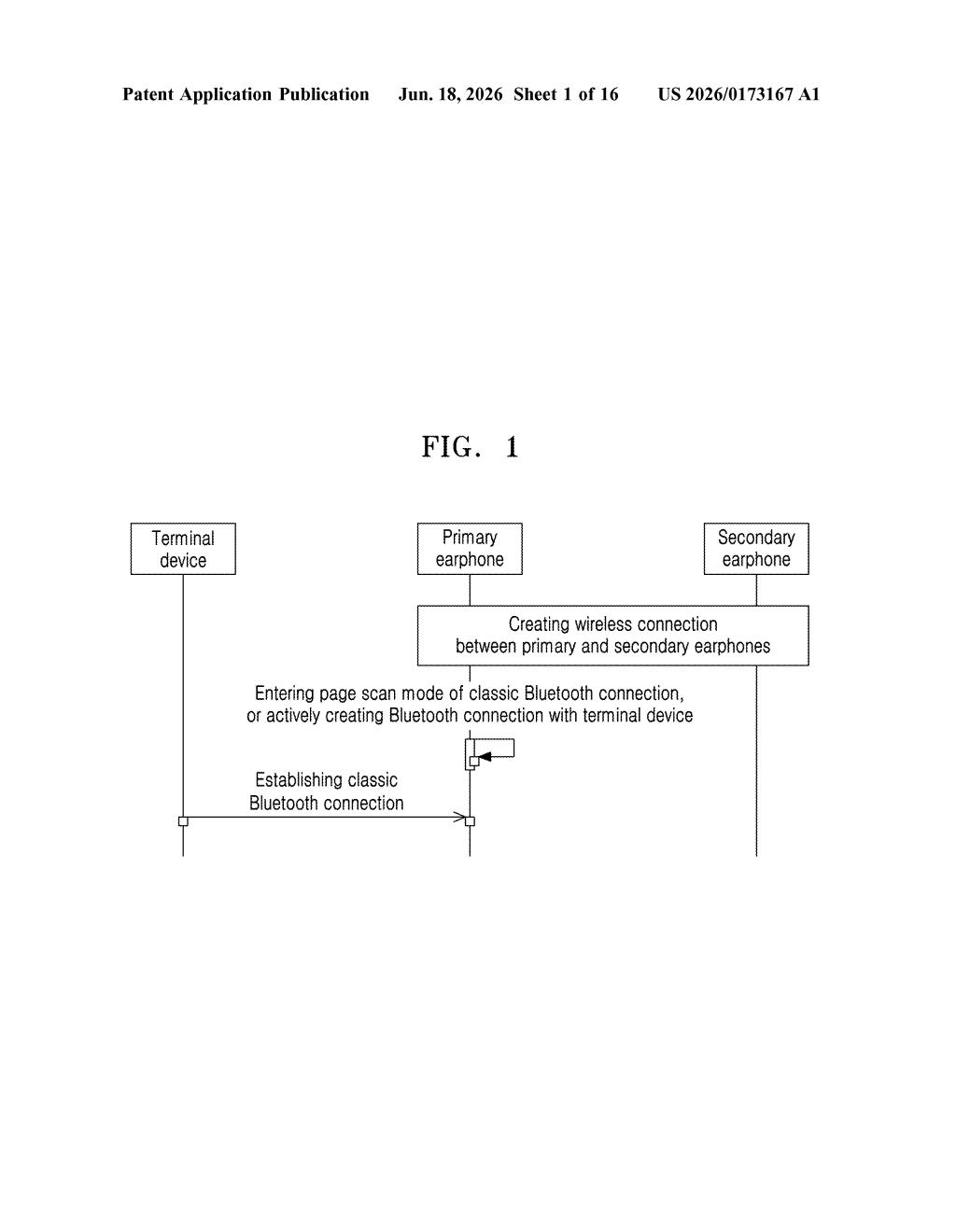
How Samsung's earbud Bluetooth handoff actually works
Imagine putting in your earbuds and waiting an extra second or two while the second one catches up to your phone. It's a small annoyance, but it happens because each earbud has to independently figure out how to link up via Bluetooth.
Samsung's patent describes a smarter handoff system. When one earbud (say, the left) connects to your phone, it collects key information about your device — essentially a digital fingerprint — and immediately passes that along to the other earbud. The second earbud then uses that information to find and connect to your phone much more directly, skipping some of the usual back-and-forth.
The result is that both earbuds should end up paired to your phone more quickly and reliably, especially when one connects before the other — which happens every time you take them out of the case.
How the left earbud shares your phone's identity with the right
The patent describes a two-stage Bluetooth connection process for a pair of wireless earbuds. The first earbud establishes a connection with the phone using one of two Bluetooth link types. Once that link is up, it pulls down identifying details about the phone — specifically its device address (a unique hardware ID) and its Identity Resolution Key (a cryptographic code used to recognize devices that rotate their visible address for privacy).
Those details are then sent over to the second earbud. Armed with that information, the second earbud can broadcast a directed advertisement — essentially a targeted Bluetooth signal aimed specifically at the phone it already knows about, rather than shouting into the void hoping the right device responds.
If for some reason a directed signal isn't appropriate (for example, if the first earbud isn't yet fully connected), the second earbud can fall back to a general broadcast, which is the standard, slower approach. The system is designed to pick the fastest path based on what the first earbud has already established.
The practical upshot: the two earbuds coordinate their pairing rather than operating as independent strangers trying to find the same phone.
What this means for Galaxy Buds and wireless audio pairing
Bluetooth pairing speed is one of those small-but-real frustrations in wireless audio. If you use Galaxy Buds or any true-wireless earphones, you've probably noticed that occasionally one earbud lags behind the other, or audio glitches at startup. This patent is Samsung's attempt to reduce that gap by making the two earpieces act as a team during the connection phase rather than as separate devices.
The use of the Identity Resolution Key is particularly notable — modern phones randomize their Bluetooth addresses to protect your privacy, which makes it harder for devices to quickly re-identify them. By sharing the key that unlocks that scramble, the second earbud can spot your phone even when it's wearing a disguise. That's a real engineering problem this patent directly addresses.
This is a focused, practical patent that solves a genuine annoyance in wireless earbuds — not a moonshot. The Identity Resolution Key detail shows Samsung is thinking carefully about how Bluetooth privacy features create new technical friction, which is the kind of behind-the-scenes work that actually improves everyday products. Don't expect a press release about this one, but you might just notice your earbuds feel snappier.
There are more where this came from
We read every patent application Big Tech publishes and send you the ones worth knowing. Plain English, free, every week.
Want this weekly breakdown for a company we don't cover? Patentlyze Pro →