
Sony's New Patent Splits Heavy AI Work Across Several Phones at Once
Running a heavy AI model on a phone is slow and drains the battery fast. Sony's new patent describes a way to break that model into pieces and run those pieces across several devices at the same time — like a relay race for AI processing.
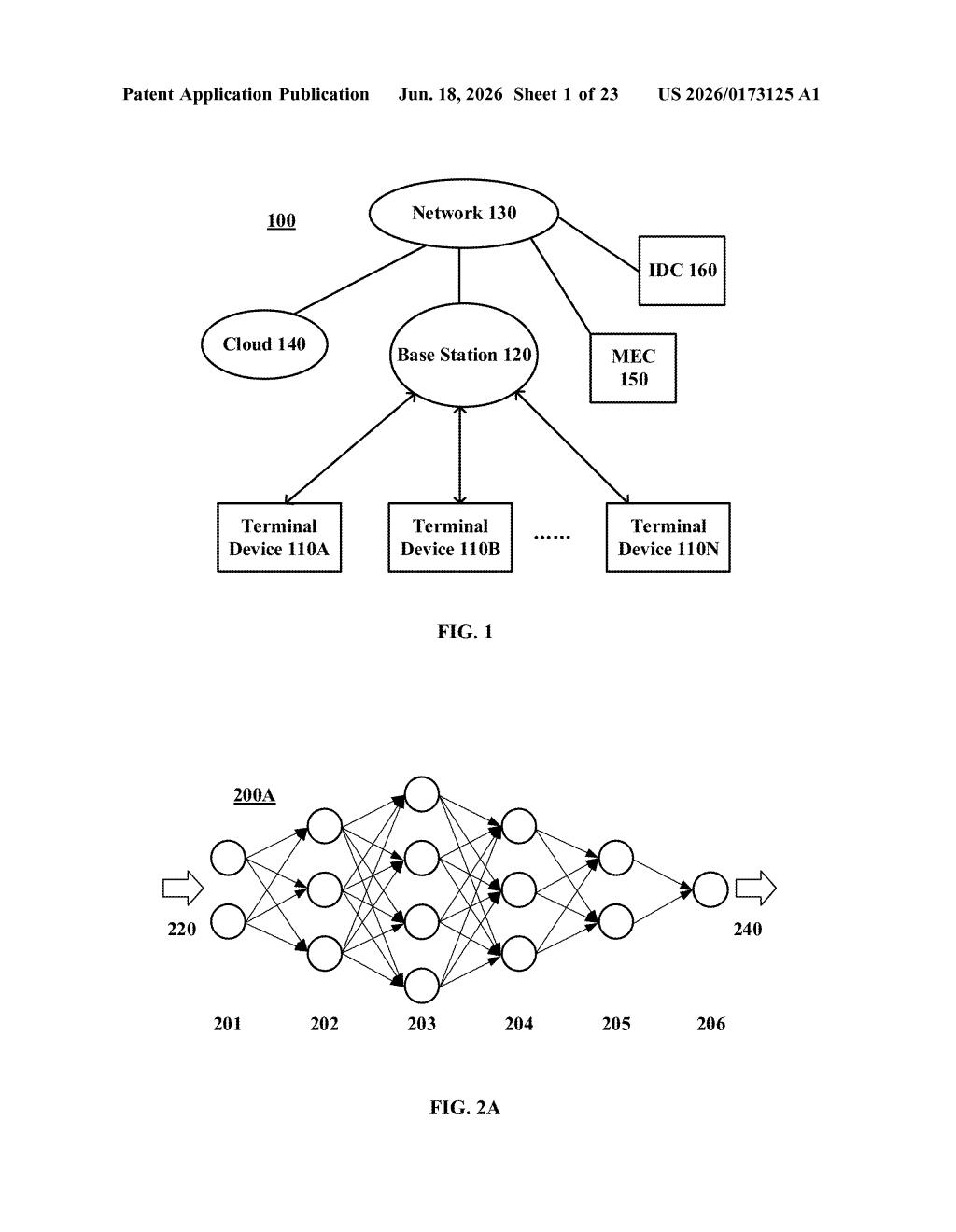
What Sony's shared AI inference system actually does
Imagine your phone needs to run a complex AI task — say, real-time translation or image recognition — but it doesn't have quite enough power to do it quickly on its own. Sony's patent describes a system where your phone doesn't have to go it alone.
Instead, a coordinator (which could be a network node, a base station, or another device) looks at the current condition of your phone and nearby devices, then decides how to slice up the AI model and hand each piece to a different participant. Each device handles its chunk, and the wireless network is told exactly how much bandwidth to set aside for each one to send its results.
The goal is to make AI tasks faster and more practical on everyday mobile hardware by spreading the work around — rather than demanding that a single device do everything.
How Sony's system divides and assigns model workloads
The patent describes a system for split model inference — a technique where a single AI model is divided into smaller sub-models (subparts), and each subpart is run on a different device. The coordinator uses state information from each participant device (things like current processing load, battery level, or wireless signal quality) to decide how to carve up the model and who handles which piece.
Once the split plan (called split information) is formed, the system instructs the wireless network to pre-allocate radio resources — essentially reserved bandwidth — so each participating device can transmit its intermediate results efficiently. This matters because in split inference, devices need to pass data between each other mid-computation, and network congestion could kill the speed benefit.
Key components the patent covers include:
- A coordinator that selects which AI model matches the requested task
- A planning step that reads each device's current state before deciding how to split
- A resource allocation trigger that tells the network what bandwidth to reserve
- Support for multiple participant devices, not just a simple two-way split
The underlying idea is that the wireless network becomes an active participant in AI computation — not just a pipe for data, but a scheduler that supports distributed processing.
What this means for AI on low-power mobile devices
Mobile AI is hitting a wall: the models that produce the best results are often too large and too power-hungry to run well on a single phone. Sony's approach turns a group of nearby devices — and the network connecting them — into a cooperative compute cluster. If this works in practice, it could make high-quality AI features available on mid-range or older hardware that couldn't otherwise support them.
The patent is filed under wireless network standards classifications, which suggests Sony is thinking about this as something that could integrate with 5G or next-generation cellular infrastructure — not just a local Wi-Fi trick. That's a bigger ambition, and it puts this in the same conversation as ongoing 3GPP discussions about AI/ML over cellular networks.
This is a technically real problem that the mobile AI industry is actively wrestling with, and Sony's answer — coordinate the split at the network level and pre-book radio resources — is a reasonable one. The patent is more infrastructure-plumbing than consumer feature, but the companies that solve this kind of distributed inference problem cleanly will have a real advantage as on-device AI gets more demanding.
There are more where this came from
We read every patent application Big Tech publishes and send you the ones worth knowing. Plain English, free, every week.
Want this weekly breakdown for a company we don't cover? Patentlyze Pro →