
IBM Patents a Method for AI to Generate Its Own Training Data
One of the most expensive parts of building an AI model is gathering thousands of labeled examples for it to learn from. IBM is patenting a way to have the AI generate those examples itself.
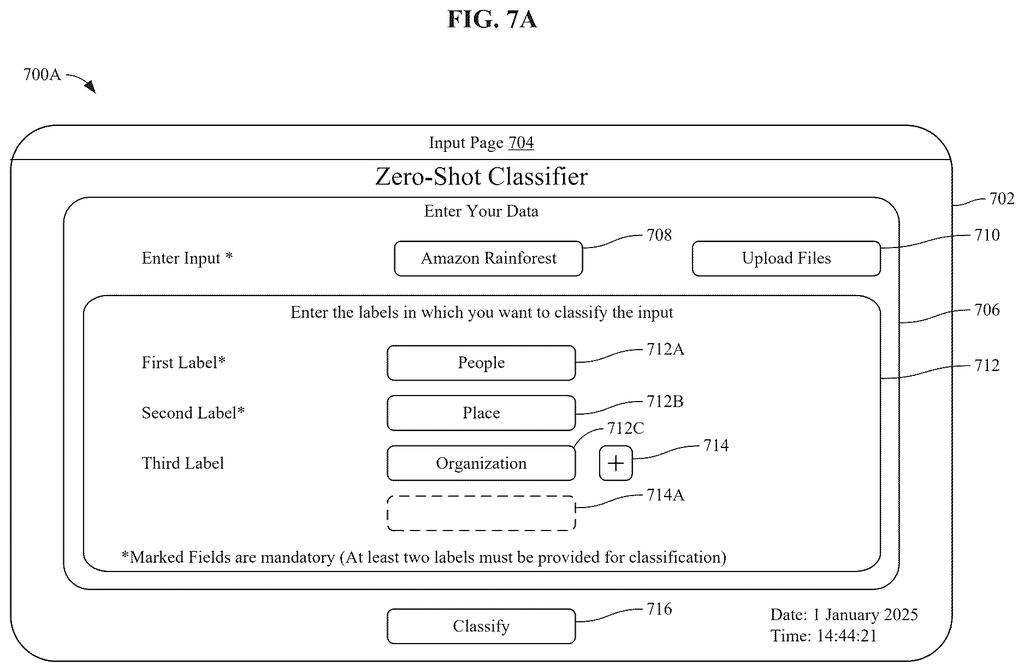
How IBM's AI skips human-labeled data entirely
Training an AI model normally requires a lot of labeled data: someone has to go through thousands of emails, images, or documents and tag each one so the model can learn. That process is slow, expensive, and sometimes impossible if you're working in a niche area where labeled examples barely exist.
IBM's patent describes a system where you hand an AI a list of categories you care about (say, 'fraud,' 'not fraud'), and the AI generates its own labeled examples for each category. Then, crucially, it looks at the examples it just created and generates more examples based on those, filling in gaps and adding variety.
The result is a training dataset built almost entirely by the AI, with no human labeling required. You could theoretically walk in with just a list of category names and walk out with a dataset ready to train a classifier.
How the model prompts itself into a training dataset
The patent describes a pipeline with a few distinct steps:
- Label intake: The system receives a list of classification labels (e.g., topic names, sentiment categories, document types).
- First-pass generation: For each label, the system constructs a prompt and runs it through a trained ML model, which produces an initial batch of labeled example datapoints.
- Sub-prompt generation: The system then takes individual examples from that first batch and uses them to build new prompts, called sub-prompts, which are distinct from the originals.
- Second-pass generation: Those sub-prompts are fed back through the same ML model to produce a second, different set of labeled examples.
- Dataset assembly: Both batches are combined into a final training dataset that gets handed off for downstream use.
This iterative loop is the key idea. The first pass gives you broad coverage of a category; the second pass, seeded by real generated examples, gives you diversity and specificity within it. The approach targets what researchers call zero-shot classification, meaning the goal is to build classifiers for categories where no real-world labeled data exists at all.
What this means for AI teams without labeled data
For AI teams inside large enterprises, labeled data is often the main bottleneck. Legal, compliance, and healthcare applications frequently involve categories where you can't easily pull thousands of tagged examples from the internet. IBM's approach could let a team stand up a working text classifier for an entirely new domain in hours rather than weeks.
For the broader AI industry, this is part of a growing pattern: using large language models to generate the data that smaller, specialized models are trained on. IBM is essentially patenting a specific workflow for that process, which could matter if synthetic data pipelines become standard practice in enterprise AI development.
This is a genuinely useful engineering patent, not a flashy one. The self-seeding prompt loop is a sensible solution to a real problem IBM's enterprise customers face constantly. It won't make headlines the way a consumer AI feature would, but any company building internal classifiers without abundant labeled data should pay attention.
There are more where this came from
We read every patent application Big Tech publishes and send you the ones worth knowing. Plain English, free, every week.
The drawings
10 drawing sheets from US 2026/0212256 A1 · click any drawing to enlarge


Want this weekly breakdown for a company we don't cover? Patentlyze Pro →