
Sony's New Patent Keeps Your Body Movement Data on Your Device
Your body movements are surprisingly personal data. Sony is patenting a way to transmit a compressed 'fingerprint' of that motion — rather than the raw recording — so the full movement data never has to leave your device.
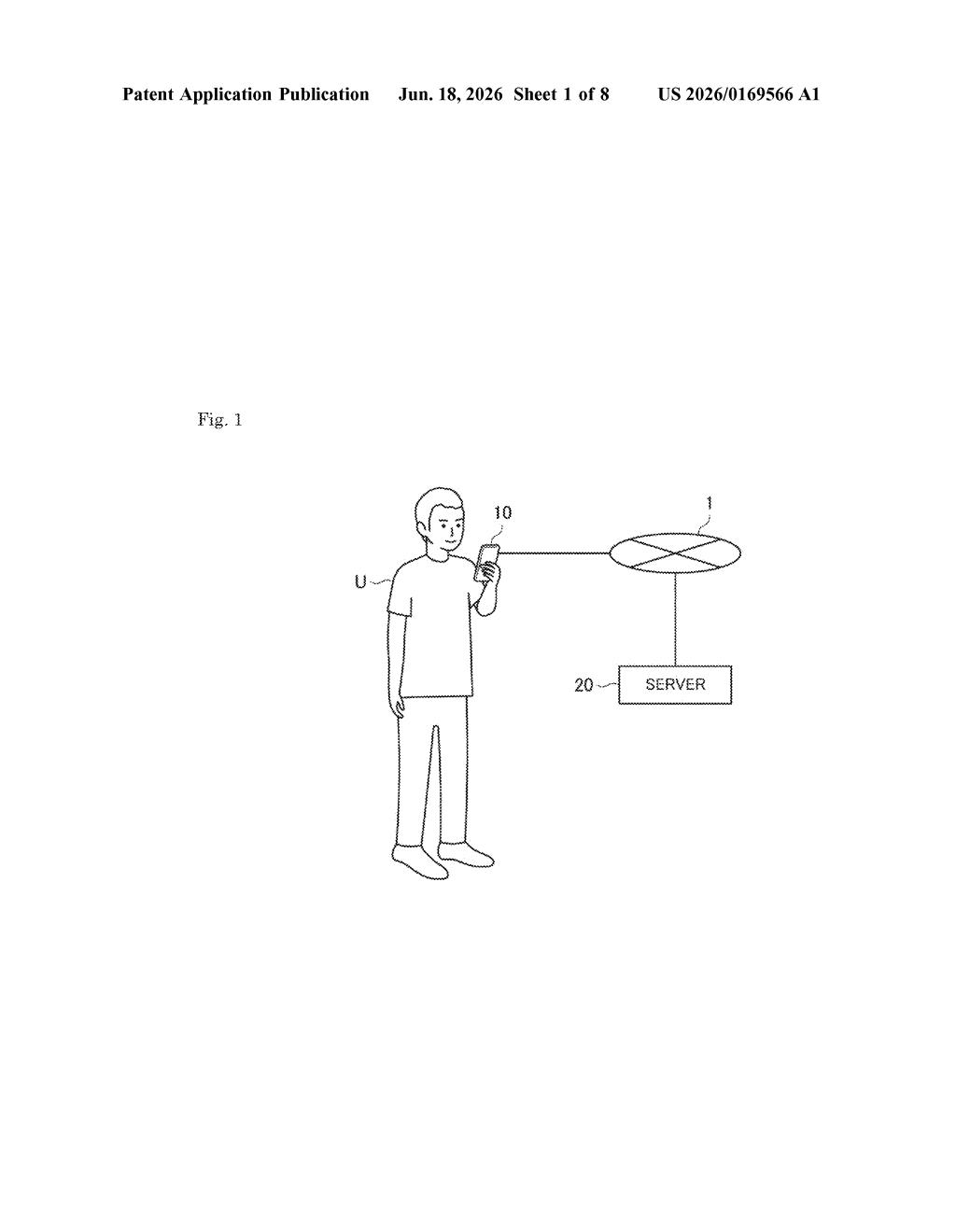
In plain English
Imagine a fitness tracker that can tell a remote server you just did 20 squats without ever sending a video or a precise joint-by-joint recording of how your body moved. That's the core idea here.
Sony's patent describes a system where a device — say, a phone or a camera — processes raw motion data locally and sends only a compact summary called a motion feature. Think of it like sending a description of a painting rather than the painting itself. A server on the other end can still reconstruct a useful image or animation from that summary, without ever seeing the original footage or sensor readings.
The goal, as Sony states it plainly, is to better protect motion data. If only the fingerprint travels over the network, a breach or interception gives an attacker far less to work with than a full motion recording would.
How the device rebuilds images from motion fingerprints
The patent describes two main components working together.
- Obtainment unit: This receives a motion feature — a distilled mathematical representation of movement, extracted from the original motion data on the sending device (a phone, wearable, or camera). Only this compact feature is transmitted, not the underlying recording.
- Generation unit: On the receiving end, this component takes that motion feature and reconstructs an image or animation that corresponds to the original movement. The exact reconstruction method isn't spelled out in the independent claim, but the broader patent context points to some form of generative model (software that can fill in details from a compressed description).
The privacy logic is straightforward: if raw motion data — which could include precise skeletal tracking, gait patterns, or sensor-level body readings — never leaves the originating device, it's harder to intercept or misuse. The feature alone is much less revealing than the source data.
This is similar in spirit to how face-recognition systems sometimes store only a numeric template of a face rather than the actual photo, except here the domain is movement rather than appearance.
What this means for wearable and camera privacy
Motion data is one of the more intimate data types a device can collect. Your walk, your gestures, your workout routine — these can reveal health conditions, identity, and daily habits. As Sony and other companies push deeper into AR glasses, smart cameras, and health-tracking wearables, the question of what gets sent to the cloud becomes genuinely important.
A system that keeps raw motion recordings local and only transmits a stripped-down feature set could make those devices meaningfully less risky to use. For you as a user, it would mean a compromised server holds far less actionable data about how your body actually moves. Whether Sony ships this in a specific product remains to be seen, but the filing signals the company is thinking carefully about privacy architecture in its sensor and imaging hardware.
This is a quiet but sensible privacy patent. It won't generate headlines, but the underlying problem it addresses — raw motion data being a liability when transmitted — is real and underappreciated. Sony filing this in the context of its camera and sensor business suggests it's thinking ahead of regulation rather than reacting to it.
There are more where this came from
We read every patent application Big Tech publishes and send you the ones worth knowing. Plain English, free, every week.
Want this weekly breakdown for a company we don't cover? Patentlyze Pro →