
Google Patent Targets Malicious Scripts With Pre-Stored Rules Before They Reach Users
Every time you load a web app, your browser checks a set of rules that decide which scripts are allowed to run. Google's new patent is about making that check dramatically faster by storing those rules in a smart cache.
What Google's CSP caching system actually does
Imagine a security guard at a building entrance with a list of approved visitors. Every time someone new shows up, the guard has to rebuild the list from scratch. That's slow. Now imagine the guard keeps a copy of the list nearby so repeat visitors are waved through instantly. That's essentially what this patent describes for web security.
When you visit a website, your browser receives a set of instructions called a Content Security Policy. These instructions tell your browser which scripts, images, and other content are safe to load, and which ones to block. Generating those instructions fresh every time someone visits a page takes time and computing power.
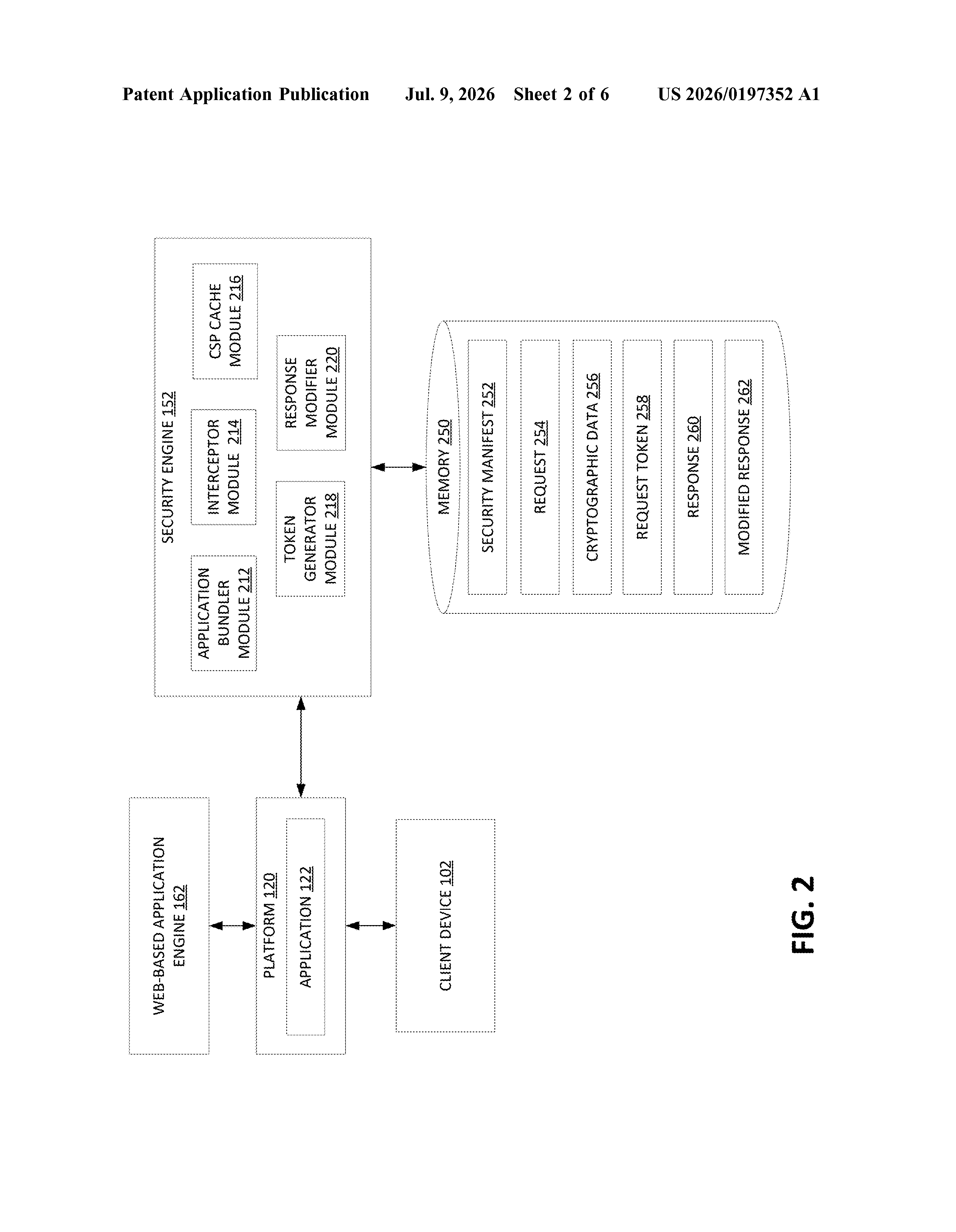
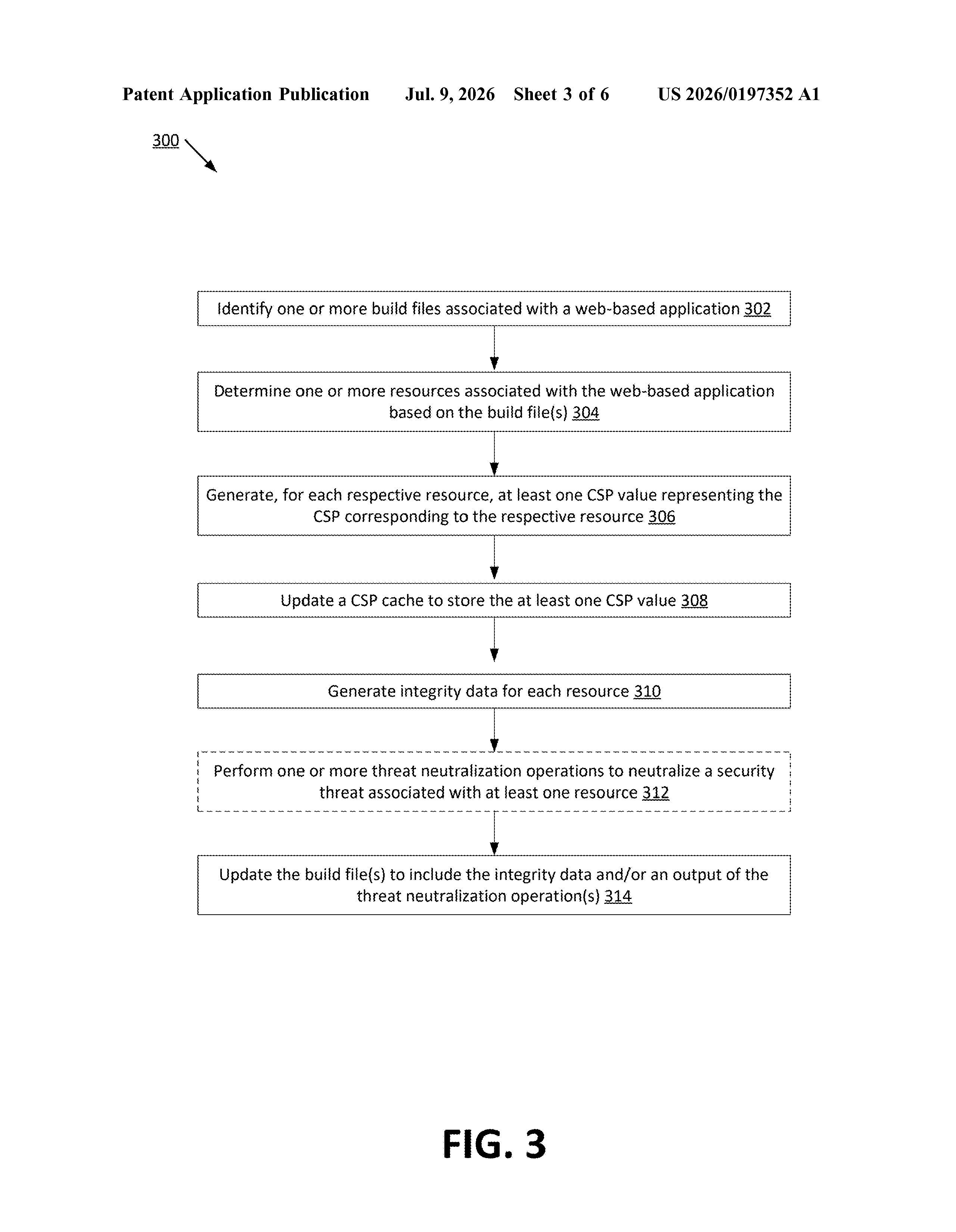
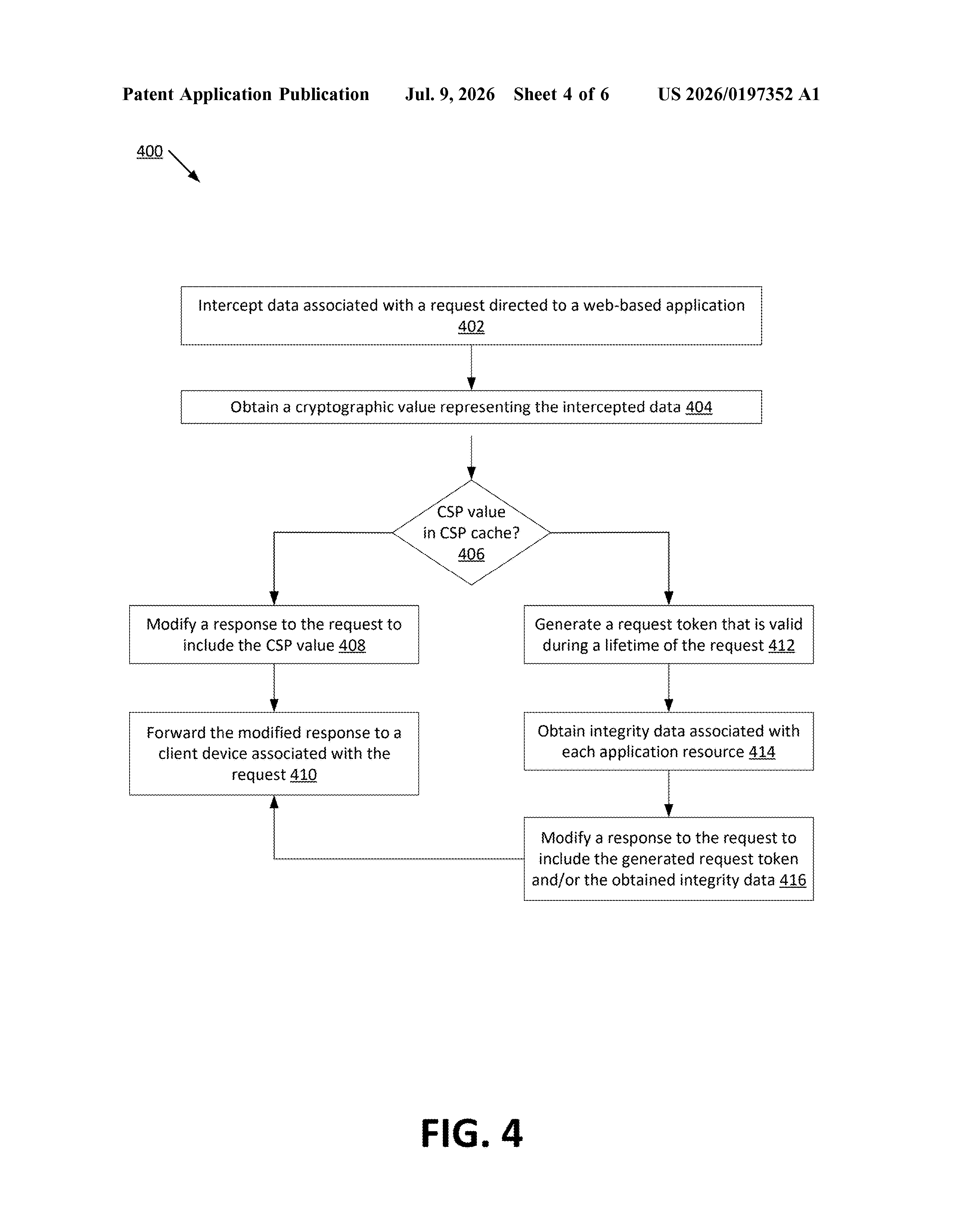
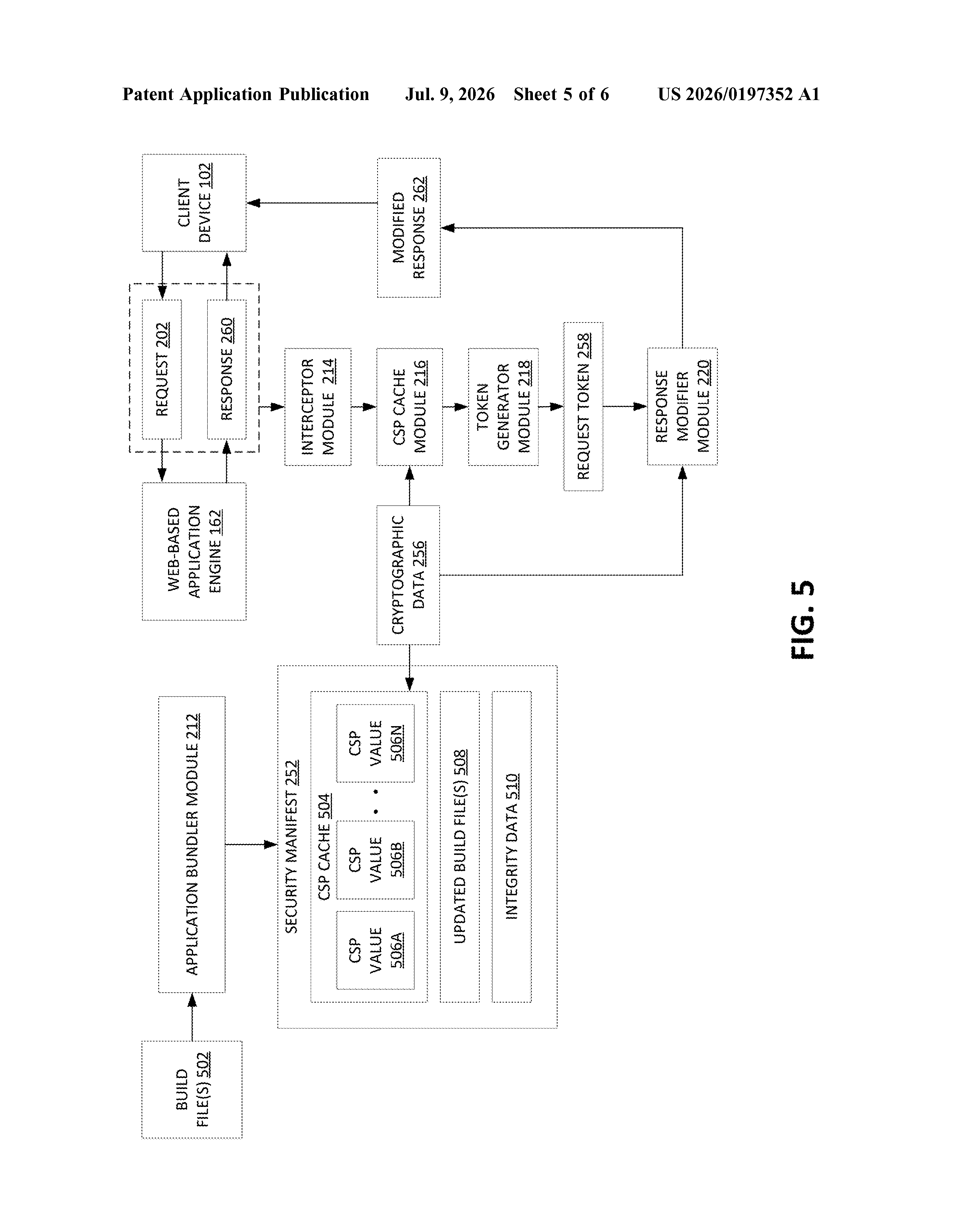
Google's approach is to intercept the incoming request, generate a fingerprint of it using cryptography, and check whether a matching set of security rules already exists in a cache. If it does, the cached rules are attached to the response and sent to your browser without regenerating anything. It's a performance fix wrapped in a security feature.
How the cryptographic cache lookup works
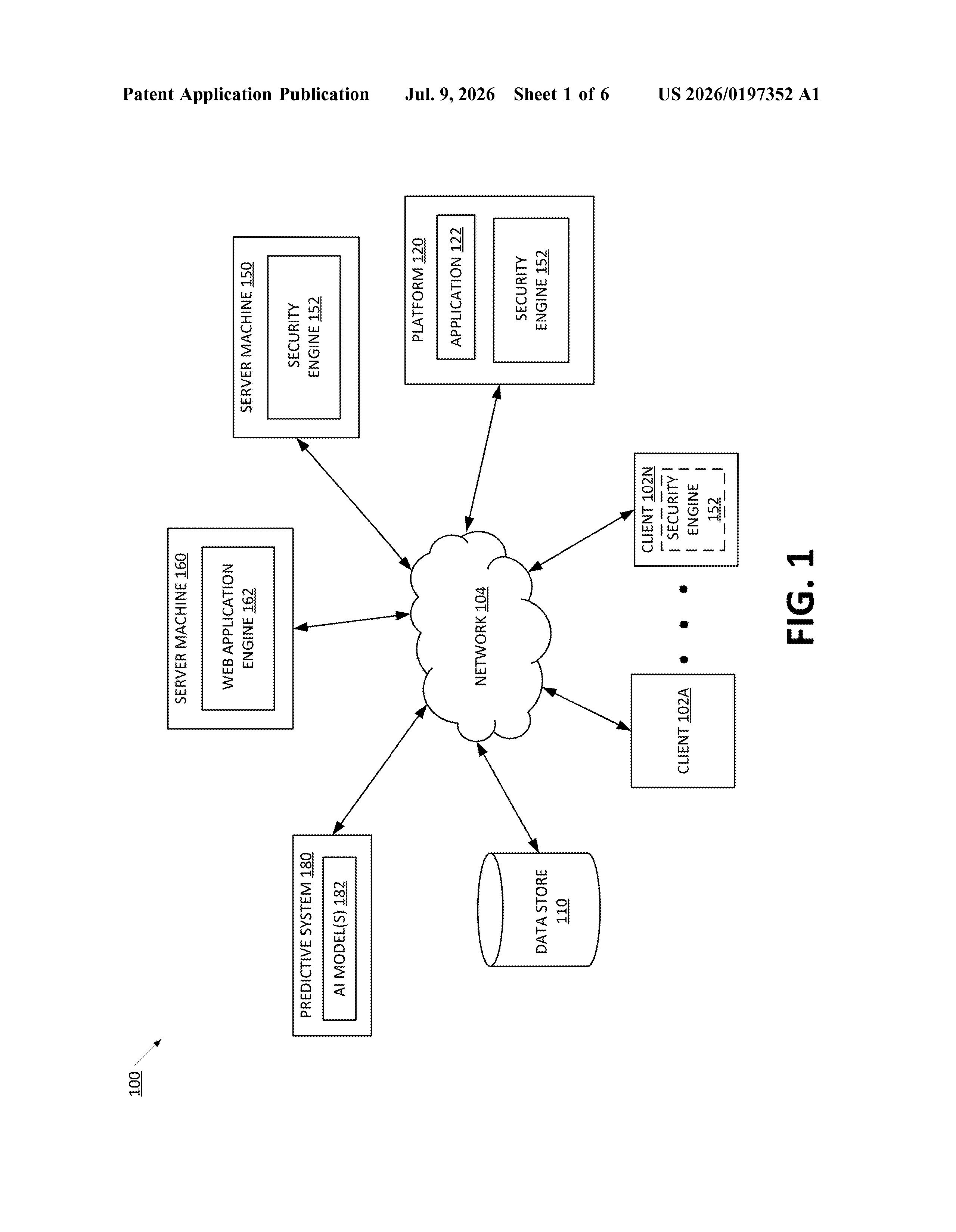
The system sits between a web server and the users requesting pages from it, acting as a kind of intelligent middleman. When a request comes in, the system generates a cryptographic value (think of it as a unique digital fingerprint) based on the details of that request.
It then checks a CSP cache, a stored collection of previously generated Content Security Policies, to see if a matching policy already exists for the resource being requested. A Content Security Policy is a set of browser-readable rules that specifies exactly which external scripts, stylesheets, or media files are permitted to load on a given page, helping to prevent attacks like cross-site scripting (XSS), where malicious code gets injected into a legitimate site.
If the cache has a match, the system skips the expensive step of generating a new policy and instead inserts the stored one into the server's response before sending it back to the user's browser. If there's no match, the system presumably generates a new policy and stores it for future use.
The hybrid nature of the title likely refers to the combination of real-time interception (dynamic) with pre-computed policy reuse (static), blending speed with flexibility rather than committing fully to one approach.
What this means for web app security at scale
Content Security Policies are one of the more important but often poorly implemented browser security features. Many sites skip them entirely because generating them correctly at runtime adds overhead. A caching layer that handles the heavy lifting automatically could make it much easier for developers to deploy strong CSP headers without paying a performance cost.
For Google, which runs some of the most visited web properties in the world and also sells cloud infrastructure through Google Cloud, a patent in this space makes practical sense. A system like this could be built into a reverse proxy, a CDN edge node, or a web application firewall, protecting millions of requests per second without slowing anything down for you as the end user.
This is a useful infrastructure patent, not a flashy consumer feature. CSP enforcement is a real problem that many developers punt on because it's painful to get right. A caching layer that automates the hard parts could meaningfully improve security hygiene across the web, especially if Google bakes it into Cloud Armor or a similar product.
Get our take in your Top Stories
Liked this breakdown? Add Patentlyze as a preferred source on Google, and our plain-English take shows up more often in your Top Stories the next time Google patent news breaks.
There are more where this came from
We read every patent application Big Tech publishes and send you the ones worth knowing. Plain English, free, every week.
The drawings
6 drawing sheets from US 2026/0197352 A1 · click any drawing to enlarge
Want this weekly breakdown for a company we don't cover? Patentlyze Pro →