
Sony Patents a Game Controller That Tells You When Your Settings Have Changed
Ever hit the wrong button mid-match and accidentally switched your controller layout without realizing it? Sony's new patent is designed to make sure that never goes unnoticed.
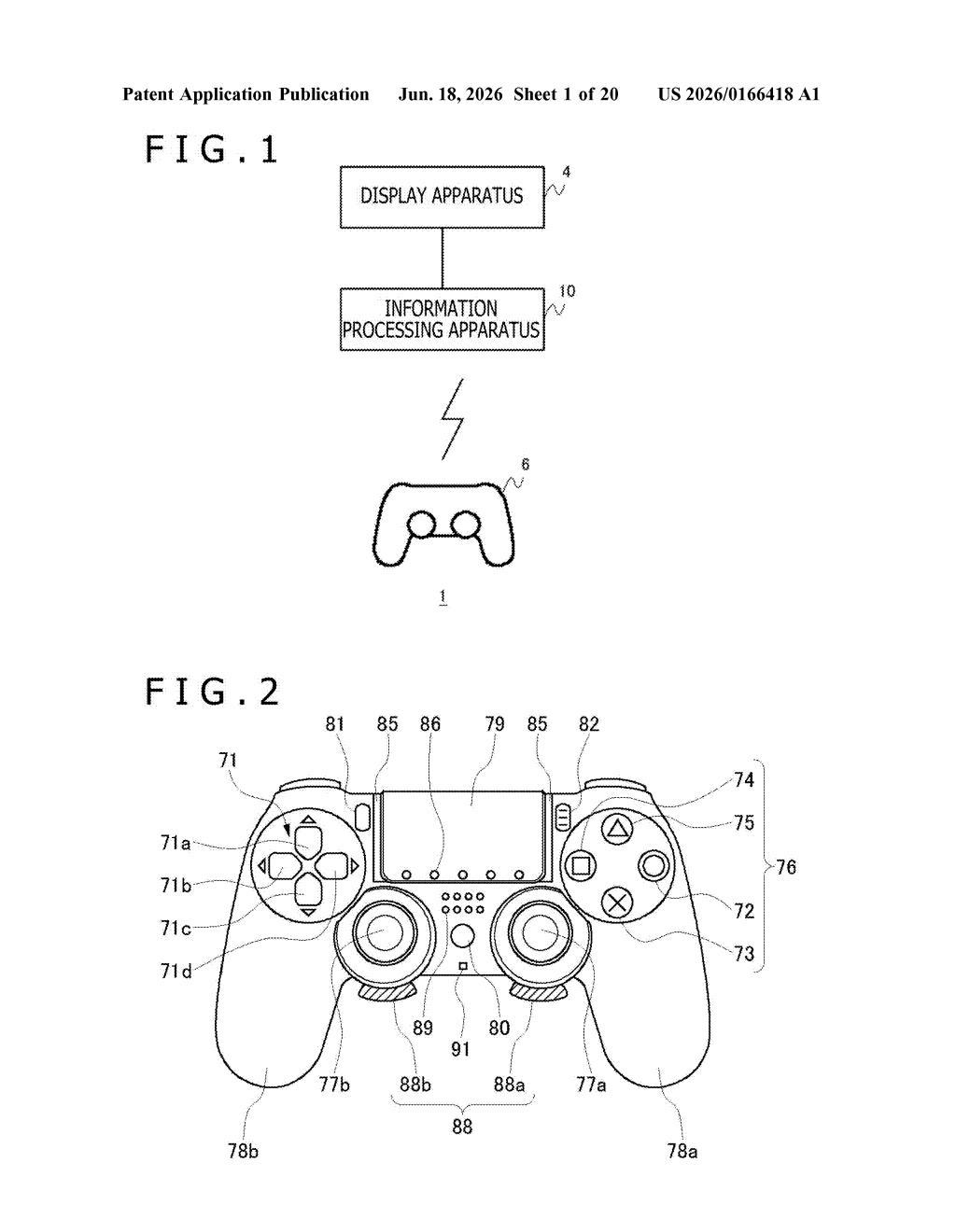
What Sony's controller profile-switching alert actually does
Imagine you're deep into a game when you accidentally switch your controller from one settings profile to another — maybe the button remapping changes, or the sensitivity shifts — and you have no idea it happened. That's the problem Sony is trying to solve.
The patent describes a controller that stores multiple settings profiles and, when one of them gets switched, waits a brief moment and then signals you through a notification — think a vibration pattern, a light, or a sound — so you know something changed. The deliberate pause before the alert is the key detail: it lets the switch fully complete before the feedback fires, so the notification is clean and doesn't overlap with whatever else the controller is doing.
In plain terms, your controller would tap you on the wrist to confirm a profile change, rather than leaving you guessing why your controls suddenly feel different.
How it works
The patent covers an operation apparatus — Sony's term for a game controller — that can store multiple "setting information" profiles. These profiles define how the controller behaves: button assignments, trigger sensitivity, vibration intensity, and similar parameters.
When a player inputs a switching instruction (pressing a designated button combination, for example), the controller changes which profile is active. The novel part is what happens next:
- The controller detects that a profile switch has occurred.
- It waits for a defined first segmentation period — a short, predetermined delay — to pass.
- After that window, a notification control section triggers the notifying apparatus (likely the haptic rumble motors, LEDs, or a speaker) in a specific pattern to confirm the switch to the user.
The delay is intentional. By separating the switch event from the notification, the system avoids overlap with other controller feedback happening at the same moment — like in-game vibration from an explosion — making the profile-change alert distinct and recognizable. The patent also implies the notification pattern itself could vary depending on which profile was switched to, giving players a tactile or audio cue about their current configuration.
What this means for competitive and accessibility gaming
For competitive players who switch controller profiles on the fly — swapping between high-sensitivity and low-sensitivity setups between rounds, for instance — clear feedback matters. Without it, a mistaken profile switch mid-session can silently throw off your muscle memory. Knowing the switch happened, and knowing when, is basic quality-of-life that surprisingly few controllers handle explicitly.
This also has real implications for accessibility. Players who rely on remapped button layouts or custom sensitivity profiles for physical reasons need to trust their controller is in the right mode. A deliberate, patterned confirmation signal removes ambiguity and makes profile management more reliable for anyone who depends on it.
This is a small, practical patent — not a headline feature, but exactly the kind of detail that separates a polished product from an afterthought. Sony's DualSense already has sophisticated haptics, so building profile-switch alerts into the firmware would be a natural extension. Whether it ships as a button-combo shortcut or a full multi-profile system is the interesting question.
There are more where this came from
We read every patent application Big Tech publishes and send you the ones worth knowing. Plain English, free, every week.
Want this weekly breakdown for a company we don't cover? Patentlyze Pro →