
Intel Patents a Network Card That Can Block Programs from Secretly Copying Your Data
Network monitoring tools are everywhere in modern data centers — but Intel's new patent describes a chip-level switch that can stop those tools from actually reading the contents of your data packets.
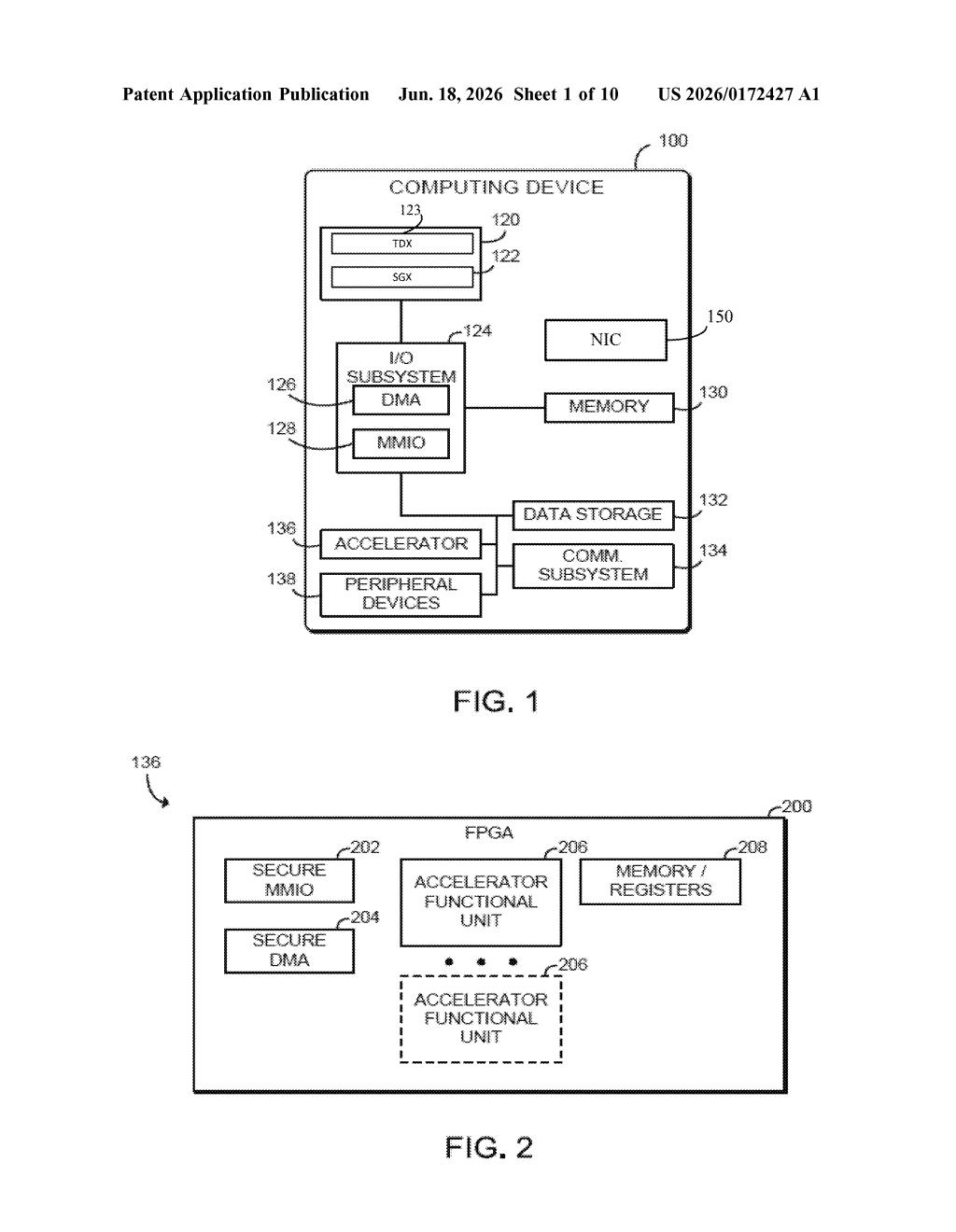
What Intel's telemetry restriction mode actually does
Imagine your company's network is being monitored for performance issues. That monitoring software — called telemetry — often works by copying little snapshots of data flowing through the network. Most of the time that's fine. But sometimes those snapshots include the actual contents of what's being sent, which could be sensitive information you'd rather keep private.
Intel's patent describes a feature built directly into a network interface card (the chip inside a server that handles all incoming and outgoing network traffic). This chip can be set to one of two modes: one that lets telemetry systems copy full packet contents as usual, and one that blocks that copying entirely — keeping the payload private even from monitoring tools.
The idea is that the protection lives at the hardware level, right where data enters and exits the machine. That means a policy decision made by an administrator flips a switch on the chip itself, rather than relying on software rules that could potentially be bypassed.
How the NIC decides which mode to enforce
The patent centers on packet processing circuitry inside a network interface card (NIC) — the hardware component that physically connects a server to a network. When data travels across a network, it moves in structured chunks called packets, each with a header (routing information) and a payload (the actual data content, like a database record or an encrypted message body).
Telemetry systems routinely copy these packets — or portions of them — to analyze network health, detect anomalies, or debug performance problems. Intel's design gives the NIC itself the authority to decide whether those copies include the payload.
- First telemetry protection mode: The NIC blocks telemetry from copying packet payloads. Monitoring tools can still see traffic metadata (headers, timing, flow volumes), but the actual data content is off-limits.
- Second telemetry protection mode: Standard behavior — payloads can be copied for telemetry as normal.
The critical detail is that this decision happens in hardware, on the NIC itself, before the data ever reaches software running on the host machine. That positions it as a lower-level enforcement point than a firewall rule or an operating system policy.
What this means for data center privacy controls
Data centers running sensitive workloads — think healthcare records, financial transactions, or government computing — often have strict rules about what monitoring software can see. Right now, enforcing those rules usually means configuring software on every machine, which is complex and can have gaps. A NIC-level mode that simply refuses to hand payload data to telemetry systems offers a more direct and auditable control point.
For Intel, this fits a broader push to make its server hardware attractive for confidential computing — a category of secure processing where even the infrastructure operator can't see a customer's data. If a NIC can enforce telemetry restrictions without relying on the host operating system, that's one fewer layer a bad actor (or an overly curious admin) could exploit.
This is a narrow but genuinely useful piece of infrastructure work. It won't make headlines outside of data center circles, but chip-level telemetry controls are exactly the kind of feature that enterprise buyers actually request — and that Intel's competitors could point to if they have it first. It's worth watching as confidential computing becomes a real procurement criterion.
There are more where this came from
We read every patent application Big Tech publishes and send you the ones worth knowing. Plain English, free, every week.
Want this weekly breakdown for a company we don't cover? Patentlyze Pro →