
Intel Patents a Face-Tracking System That Decides When Your Camera Should Refocus
Your camera's autofocus can be its own worst enemy, constantly hunting for focus when nothing important has changed. Intel's new patent describes a system that watches your face specifically and only triggers a refocus when the math says it's actually necessary.
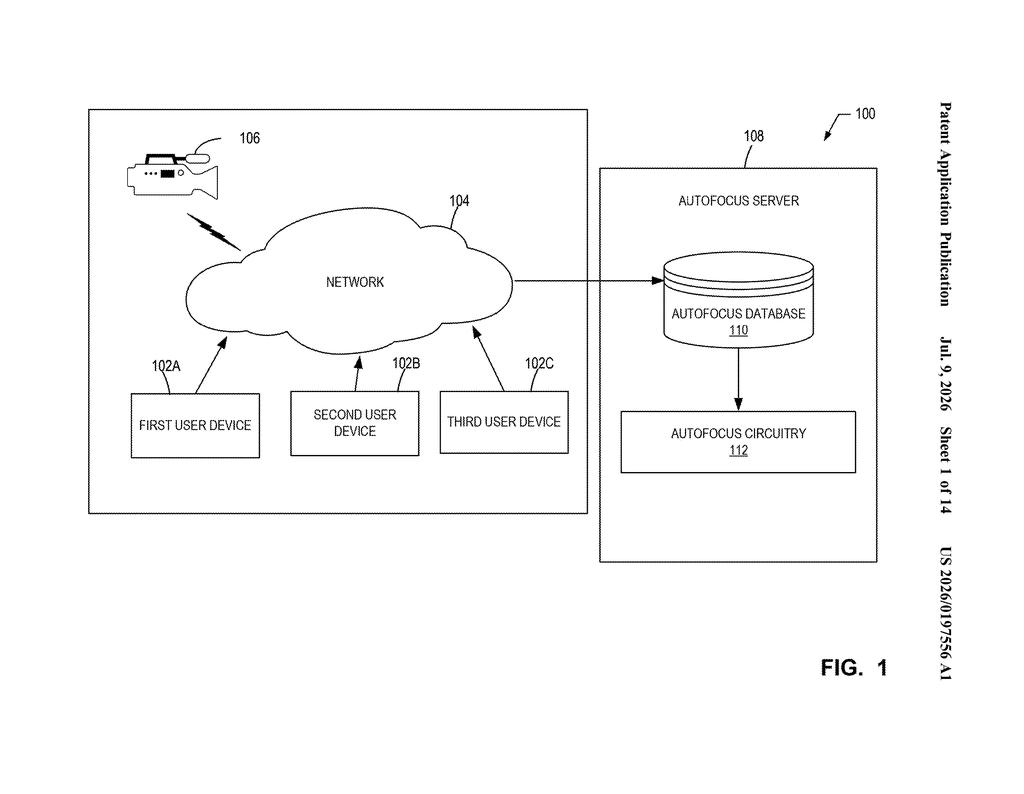
What Intel's face-based autofocus actually does
Imagine you're on a video call and you lean back slightly in your chair. Your camera notices your face moved and kicks off a full refocus cycle, causing that brief blurry wobble you've probably seen before. It's annoying, and it's largely unnecessary.
Intel's patent describes a way to fix this by making the camera track your face as a reference point rather than treating every scene as entirely new. The system compares where your face is right now against where it was when the camera last locked focus. If the difference is small, it skips the refocus entirely and stays put.
It also builds in a concept called a "dead zone," essentially a buffer region where minor face movements are simply ignored. Only when your face moves significantly, or the scene changes enough to matter, does the camera bother running a new focus cycle. The result is a calmer, more stable image without constant refocusing churn.
How the system measures face movement to trigger refocus
The patent describes a computer-based autofocus controller designed for image capture devices like laptops, tablets, or webcams. Its core job is deciding when to trigger a refocus rather than blindly refocusing whenever anything moves.
Here is the basic process the system follows:
- Face detection: The system pulls the current detected face region from a face detection library, essentially a bounding box around your face in the frame.
- Region difference metric: It calculates a numerical score representing how much the current face position differs from the last in-focus face position. Think of it as measuring how far the face has drifted.
- Dead zone control: If the difference score falls below a threshold, the system does nothing. This "dead zone" (a tolerance band) prevents the camera from reacting to trivial head movements.
- Scene change judgement: A separate check evaluates whether the scene itself has changed dramatically, such as different lighting or a new person entering the frame, which would override the dead zone and force a refocus.
- Lens movement calibration: When a refocus is warranted, how far the lens moves is guided by the region difference metric, so bigger face displacement triggers a larger lens adjustment.
Once the system achieves focus, it saves that face region as the new reference point for future comparisons.
What this means for video calls and camera hardware
For everyday users, this patent targets one of the most irritating camera behaviors: the constant micro-refocusing that makes video calls and self-facing video look jittery. By anchoring autofocus decisions to your face specifically, rather than the whole frame, the system can be much more selective about when it actually does anything.
On the hardware side, fewer unnecessary autofocus cycles also means less motor wear and potentially lower power consumption, which matters for battery-powered laptops and thin-and-light devices. Intel supplies processors and camera IP (intellectual property) for a huge range of PC hardware, so a technique like this could appear in the camera stacks of dozens of manufacturers without much fanfare.
This is a focused, practical fix for a real annoyance rather than a flashy research idea. The dead-zone and face-anchoring approach is a sensible engineering solution that could genuinely improve video call quality on Intel-powered devices. It is not exciting, but it is the kind of unglamorous work that makes everyday technology noticeably better.
Get our take in your Top Stories
Liked this breakdown? Add Patentlyze as a preferred source on Google, and our plain-English take shows up more often in your Top Stories the next time Intel patent news breaks.
There are more where this came from
We read every patent application Big Tech publishes and send you the ones worth knowing. Plain English, free, every week.
Want this weekly breakdown for a company we don't cover? Patentlyze Pro →