
Apple Patents a Screen That Rearranges Its Layout Based on Your Room's Lighting
Apple is exploring displays that don't just sit there looking the same regardless of your surroundings. This patent describes a UI system that shifts its appearance based on the color temperature of the light in your room, the angle that light hits the screen, and even where you're sitting.
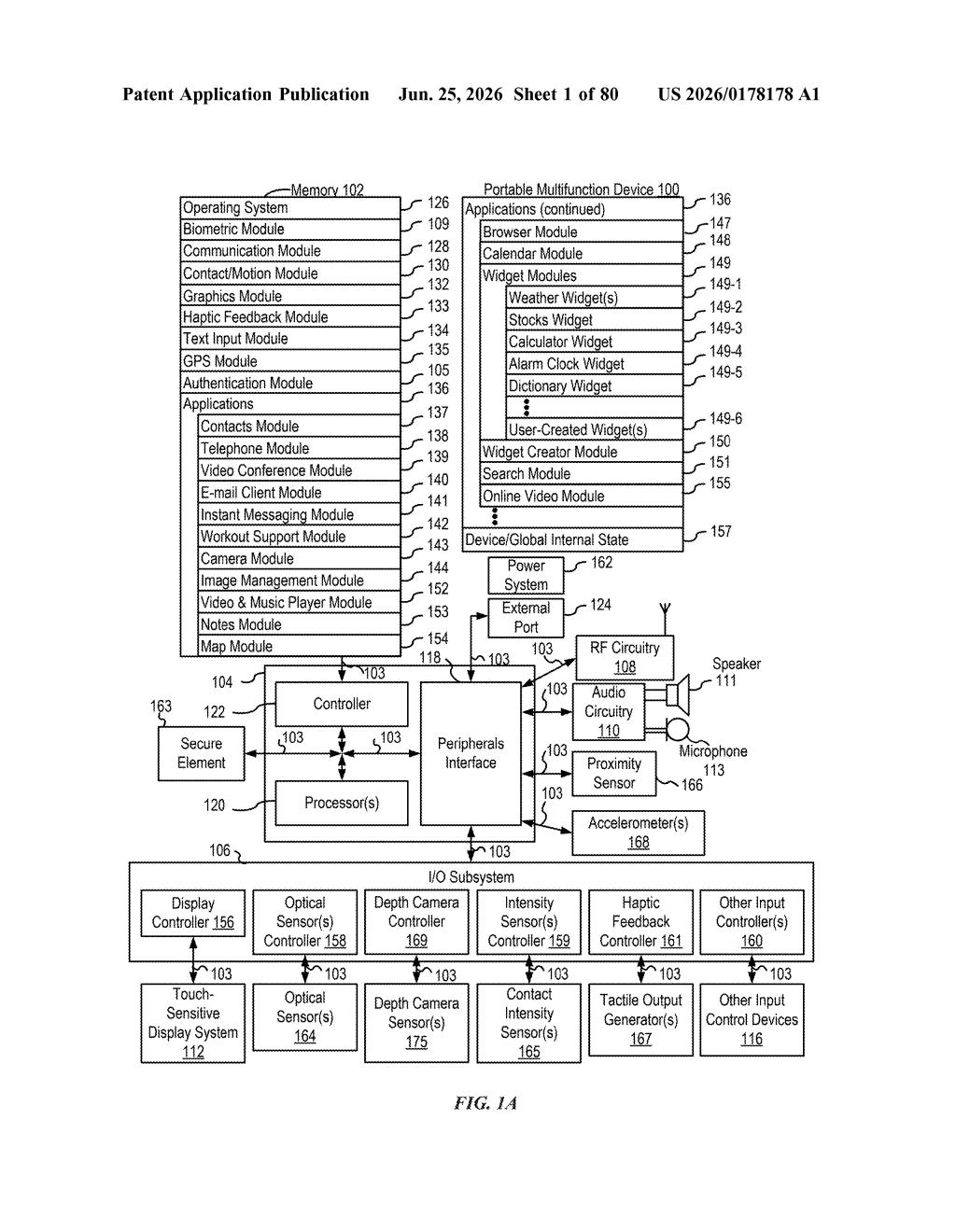
What Apple's ambient-aware display actually changes
Imagine you're using your iPad in a warm, dim living room late at night versus a bright fluorescent office at noon. Right now, your screen looks essentially the same in both places (aside from basic brightness adjustments). Apple's patent describes a system that goes much further, reshaping the entire visual interface based on what the ambient light is actually doing.
The system can detect whether the light around you is warm or cool, which direction it's coming from, whether you're even in the room, and where you're positioned relative to the screen. Based on all of that, the UI elements themselves can change, not just brightness or color temperature, but the actual look of the interface.
Think of it like the difference between your phone auto-adjusting its brightness and your phone actually re-styling itself like a room that's been redecorated for the lighting. The goal appears to be making the screen feel more natural and visually comfortable no matter where you are.
How the system reads light color, angle, and user position
The patent covers a user interface system that reads multiple environmental inputs and adjusts the display's visual presentation accordingly. The four main inputs described are:
- Color temperature of ambient lighting (whether the room light is warm/orange or cool/blue)
- Lighting angle (the direction light enters the space relative to the screen)
- User presence (whether someone is actually in front of the device)
- User position (where the person is sitting or standing relative to the display)
The system uses these readings to modify how the UI renders on screen. This could mean adjusting color grading, shadow direction on UI elements, contrast, or other visual properties to make the interface feel consistent with the physical environment around it.
The lighting-angle detection is particularly interesting: by knowing which direction light is coming from, the system could render artificial shadows or highlights on buttons and panels that match real-world lighting, making the interface feel more physically grounded. User-position awareness could shift perspective or layout to account for off-angle viewing.
What this means for Apple's screen and spatial computing lineup
For Apple Vision Pro and future spatial computing devices, this kind of ambient awareness is especially important. When digital UI panels float in your physical space, having them visually ignore the room's actual lighting conditions makes the illusion feel cheap. A system that reads and responds to real-world light could make overlaid interfaces feel far more present and physically coherent.
For iPhones, iPads, and Macs, the implications are subtler but real. If your screen's interface actually adapts its color rendering and visual style to match your environment, eye strain and visual fatigue in mixed-lighting situations could genuinely go down. This is not a cosmetic tweak for the sake of it, it feeds directly into Apple's long-running focus on display quality as a competitive advantage.
The canceled claims (claims 1-196 are listed as canceled in this publication) suggest this may be a continuation or divisional filing where the original claims were replaced or refiled. That makes it harder to evaluate scope. The concept itself is genuinely interesting for spatial computing, but as a standalone display-adaptation patent for flat screens, it's incremental. The Vision Pro angle gives it real teeth.
There are more where this came from
We read every patent application Big Tech publishes and send you the ones worth knowing. Plain English, free, every week.
Want this weekly breakdown for a company we don't cover? Patentlyze Pro →