
Google Patents an AI That Tips Off YouTube Creators Before a Subscriber Milestone Hits
Google has filed a patent for an AI system that watches a YouTube channel's signals and tells the creator, before it happens, that they're about to hit a key subscriber or membership threshold. Think of it as a heads-up coach running on your channel data.
What Google's channel milestone prediction system actually does
Imagine you run a YouTube channel and, out of nowhere, Google sends you a notification saying: "You're likely to gain 500 new paying members in the next 30 days." That tip could change how you plan your content, when you announce a sale, or whether you bother setting up a membership program at all. That's exactly what this patent describes.
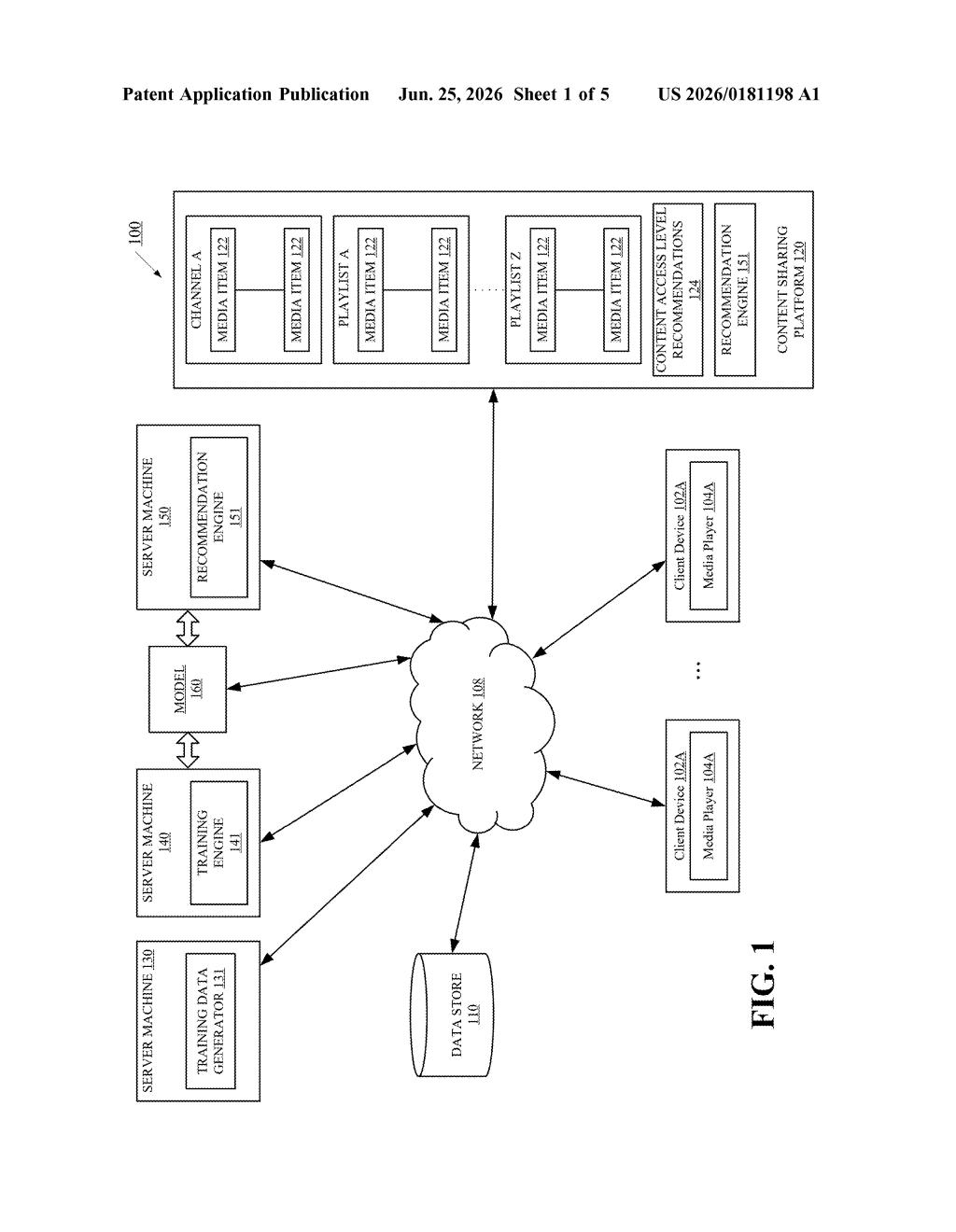
Google's idea is to feed a channel's characteristics (things like its size, activity, and audience engagement patterns) into an AI model that predicts how many new users will reach a specific access level, like joining a paid membership tier, within a set window of time after that tier goes live. If the prediction clears a certain bar, the system sends the creator a recommendation on their device.
The creator doesn't have to ask for the forecast. The platform proactively decides whether the prediction is strong enough to be worth showing, then pushes it. It's less a dashboard tool and more an automated advisor sitting in the background, watching your numbers and speaking up when something looks promising.
How the AI scores a channel and decides to send a nudge
The patent describes a server-side pipeline built around a trained AI model that takes in what it calls "channel related features", a set of data points associated with a specific YouTube (or similar platform) channel. The model outputs a predicted number of new users who will reach "at least one content access level" (meaning a paid tier, a membership level, or a similar gated status) within a set time window after that tier's effective date.
The system then checks that prediction against a threshold criterion (a minimum bar the forecast has to clear before the platform decides the recommendation is worth sending). Only if the prediction clears that bar does the system push a notification to the creator's device.
Key components the patent lays out:
- A channel identification step that ties the analysis to a specific creator account
- Feature extraction feeding channel signals into the AI model
- A prediction output representing likely new subscribers or members in a defined window
- A threshold check to filter out weak or unreliable predictions
- A client-side delivery step that presents the recommendation on the creator's device
The "content access level" framing is deliberately broad. It could cover YouTube's channel memberships, early-access tiers, or any future gated feature Google decides to build. The patent doesn't lock the system to one product.
What this means for YouTube's creator monetization push
For YouTube creators, the practical upside is timing. Knowing a membership push is likely to land well in the next few weeks is actionable information: you can schedule an announcement, plan exclusive content, or simply feel confident enough to flip on a feature you've been sitting on. Right now, most creators are flying blind on this kind of forward-looking data.
For Google, the angle is straightforward: more creators activating monetization features means more revenue sharing activity on the platform. A proactive AI nudge that increases the rate at which creators turn on memberships is directly tied to YouTube's bottom line. This patent is less about helping individual creators and more about Google systematically reducing the friction between "creator notices they could monetize" and "creator actually does it."
This is a genuinely useful creator tool dressed up in corporate incentive clothing. The prediction itself, if accurate, solves a real problem for smaller creators who lack analytics teams. But make no mistake: the threshold filter that decides whether you get the nudge is tuned by Google, for Google's goals, not yours.
There are more where this came from
We read every patent application Big Tech publishes and send you the ones worth knowing. Plain English, free, every week.
Want this weekly breakdown for a company we don't cover? Patentlyze Pro →