
Nvidia Files Patent for Software That Generates Images From Random Noise
Nvidia has patented a processor-level system that uses neural networks to generate images from noise values, the same core idea behind modern AI image generators. The catch: the patent's claims are so broad they say almost nothing specific.
What Nvidia's noise-to-image neural network actually does
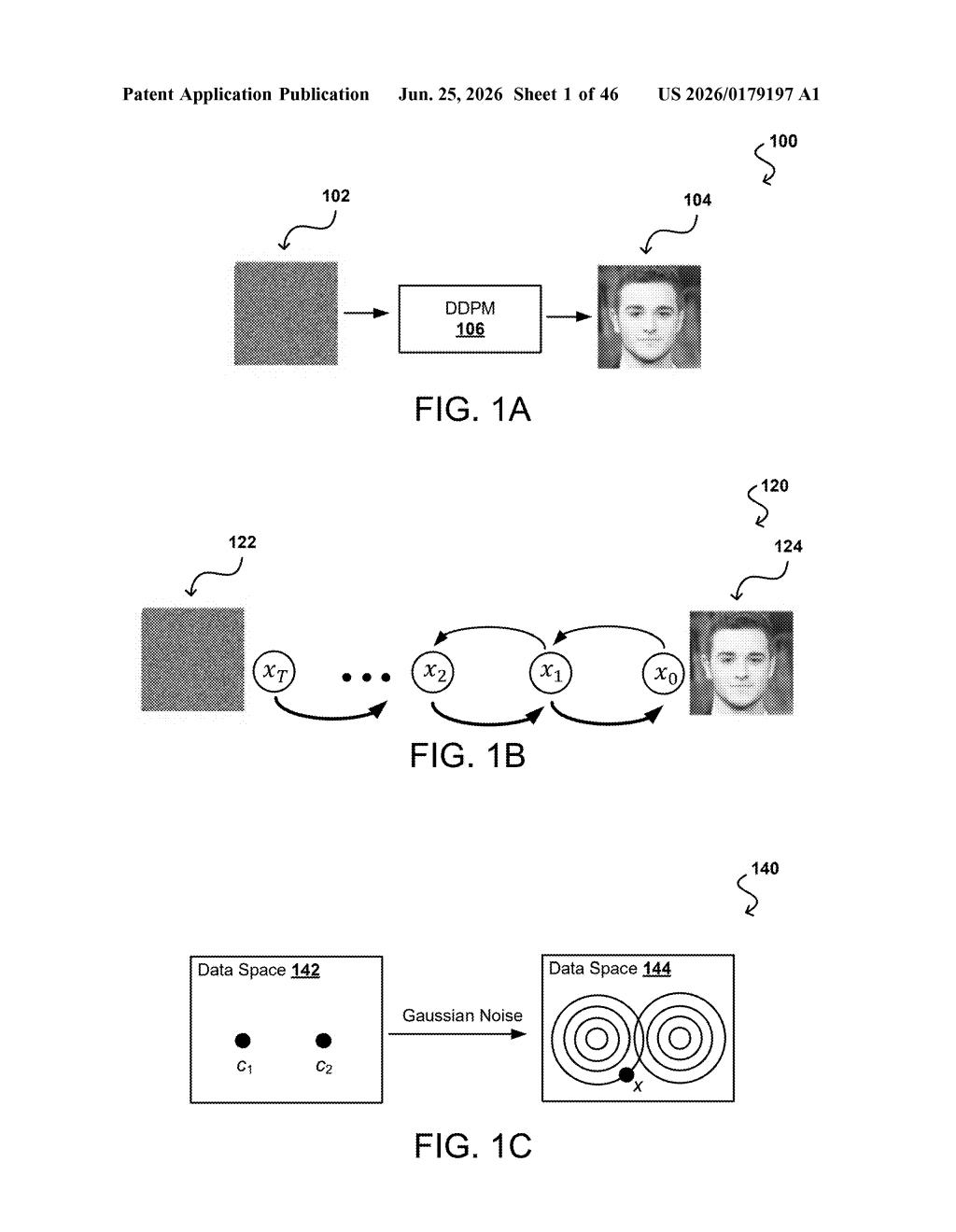
Imagine asking an AI to paint a picture starting from pure static, the kind of visual noise you'd see on an old television with no signal. That's essentially how modern AI image generators work, and Nvidia's new patent covers a processor that does exactly that using neural networks.
The patent describes a chip or circuit that takes one or more 'noise values' as input, feeds them through one or more neural networks, and produces one or more images as output. That's the whole claim. There's no description of a specific architecture, a training method, or a particular application.
In plain terms: Nvidia has filed a patent staking a claim on the general idea of hardware that generates images with AI. Whether that translates into anything concrete for your GPU or a future product is impossible to say from this filing alone.
How it works
The patent covers a processor containing circuits that run one or more neural networks to generate images from noise values. Noise-based image generation (the core mechanism in diffusion models like Stable Diffusion) works by starting with random pixel data and iteratively refining it until a coherent image emerges.
The claim language is intentionally maximalist. It specifies:
- A processor with one or more circuits
- Those circuits using one or more neural networks
- The neural networks generating one or more images
- The process based 'at least in part' on noise values
Every phrase is as permissive as patent language allows. 'At least in part' means noise doesn't even have to be the primary input. 'One or more' everything means a single network on a single chip qualifies, as does a massive distributed system.
The inventors, Xun Huang, Zinan Lin, and Ming-Yu Liu, are Nvidia researchers with published work on generative models, which suggests this is connected to real internal research. But the patent's abstract and claims reveal almost none of that underlying work.
What this means for Nvidia's AI image generation push
Nvidia's GPUs already power the vast majority of AI image generation workloads in data centers and on consumer desktops. A patent at the processor-circuit level, even a vague one, could matter if Nvidia ever pursues dedicated silicon for generative AI, something it has hinted at with products like the Digits personal AI computer.
That said, broad software-process patents covering neural-network-based image generation have a complicated history at the patent office. The more general the claim, the harder it tends to be to defend. For now, this reads more like a placeholder than a specific technical disclosure, and readers shouldn't read too much engineering detail into it.
This patent is about as thin as they come. The abstract and first claim together could describe almost any AI image generator ever built, which is either a bold legal strategy or a filing that will face serious scrutiny during examination. The inventors' real research is almost certainly more specific and interesting than what's disclosed here, but none of that shows up in this document.
There are more where this came from
We read every patent application Big Tech publishes and send you the ones worth knowing. Plain English, free, every week.
Want this weekly breakdown for a company we don't cover? Patentlyze Pro →