
Samsung Patents a Three-AI System That Builds, Titles, and Illustrates Content Lists Automatically
Samsung is patenting a system where three AI models work in sequence: one picks content, another writes a title for the picks, and a third generates a matching image. The whole package gets assembled without a human editor in the loop.
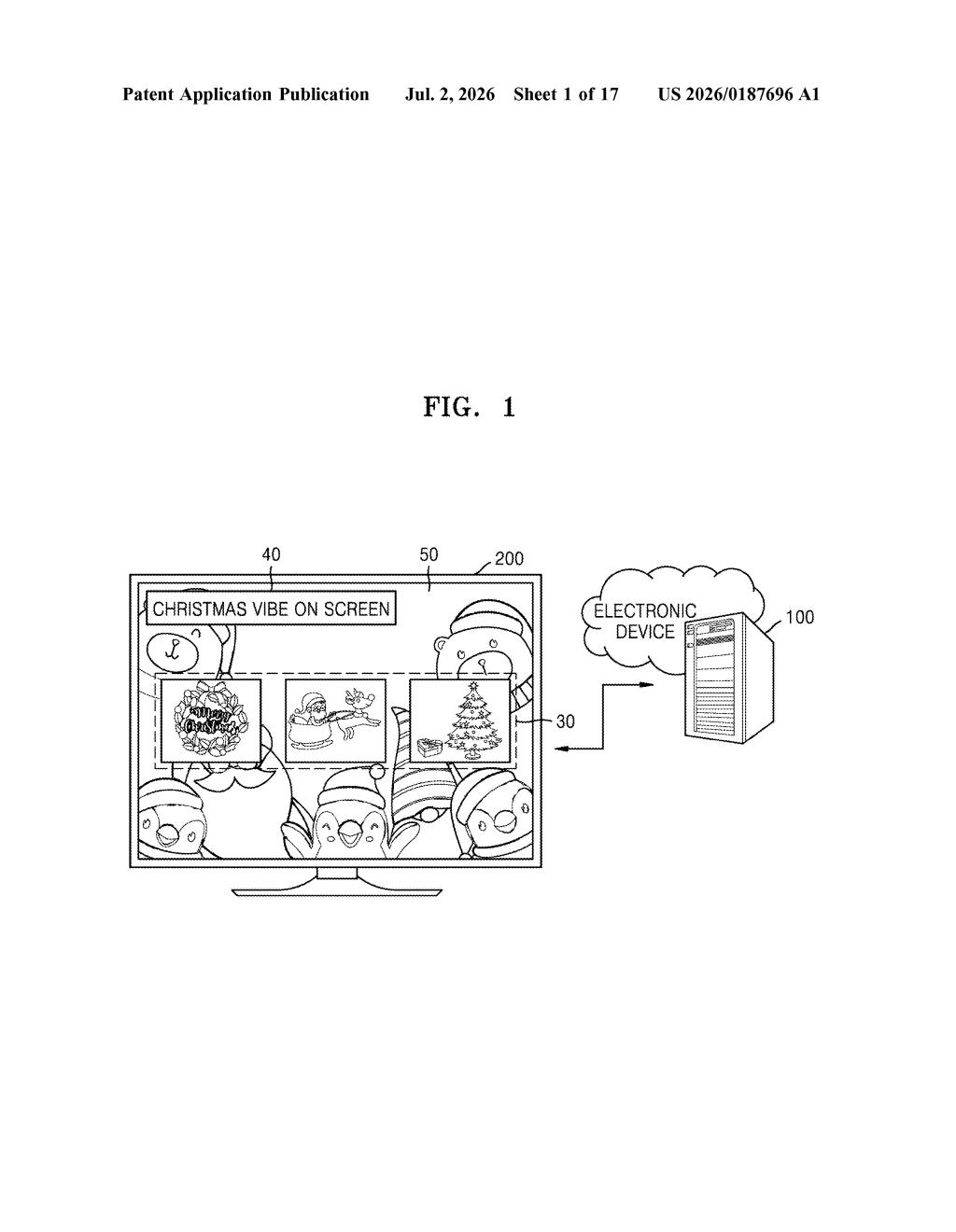
What Samsung's auto-generated content list system actually does
Imagine you ask your phone to suggest movies to watch tonight. Instead of just getting a plain bullet list, your device automatically comes up with a catchy name for the collection ("Friday Night Thrillers," say) and generates a custom cover image to go with it. That's the core idea here.
Samsung's patent describes a three-step AI process built into an electronic device. First, an AI picks the actual content recommendations based on what you asked. Second, a separate AI reads those recommendations and writes a title that captures the theme. Third, another AI takes that title and produces an image to illustrate it.
The result is a fully dressed-up recommendation card, not just a list of raw suggestions, assembled automatically in response to your input. Think of it as the difference between a librarian handing you a stack of books versus one who also makes a custom display shelf with a handwritten sign and a photo collage.
How the three AI models hand off to each other
The patent describes a method running on a device processor that chains three distinct AI models together in sequence.
- Model 1 (Recommendation engine): Takes a user's input and returns a list of recommended content items. The patent is deliberately broad here; the content could be products, videos, articles, or anything else a platform surfaces.
- Model 2 (Title generator): Reads that list and produces a short descriptive title that captures what the collection is about. This is essentially a summarization or creative-naming model working on structured data.
- Model 3 (Image generator): Takes the title as its prompt and produces a visual to accompany the list. This is a text-to-image AI step.
The device then presents all three outputs together: the list, its title, and its image. Each model's output feeds directly into the next model as input, so the image is semantically tied to the list even though the image model never sees the list directly. It only sees the title, which is itself derived from the list. The chain keeps each model focused on a narrow task rather than asking one model to do everything.
What this means for Samsung's shopping and discovery features
For Samsung's Galaxy devices and services like Samsung Shopping, Bixby, or any future AI assistant feature, this kind of automated presentation layer could make AI-generated recommendations feel far more polished and browse-worthy. Right now, most on-device AI suggestions arrive as plain text lists. Adding a contextual title and a generated image turns a utility output into something closer to an editorial feature.
The practical upside for you is that recommendations become easier to skim and save. A visually labeled collection is much faster to process than a numbered list. The downside worth watching: if the image or title model gets the vibe wrong, the whole package can feel off in a way a plain list wouldn't.
This is a fairly narrow pipeline patent covering a specific three-model chain, and the underlying idea (combine a recommender, a text summarizer, and an image generator) is not exotic. What makes it worth tracking is the CPC classification (705/26.7, electronic commerce) suggesting Samsung is targeting shopping or discovery surfaces specifically, not just general AI assistants. If this lands in Samsung's shopping or Galaxy AI features, it could change how product recommendations are presented on the device.
Get our take in your Top Stories
Liked this breakdown? Add Patentlyze as a preferred source on Google, and our plain-English take shows up more often in your Top Stories the next time Samsung patent news breaks.
There are more where this came from
We read every patent application Big Tech publishes and send you the ones worth knowing. Plain English, free, every week.
Want this weekly breakdown for a company we don't cover? Patentlyze Pro →