
Nvidia Patent Reveals Hardware Trick for Faster Complex 3D Environment Rendering
Ray tracing makes 3D graphics look realistic, but building the invisible maps that make it work fast is expensive. Nvidia's latest patent is a blueprint for doing that work much more cheaply.
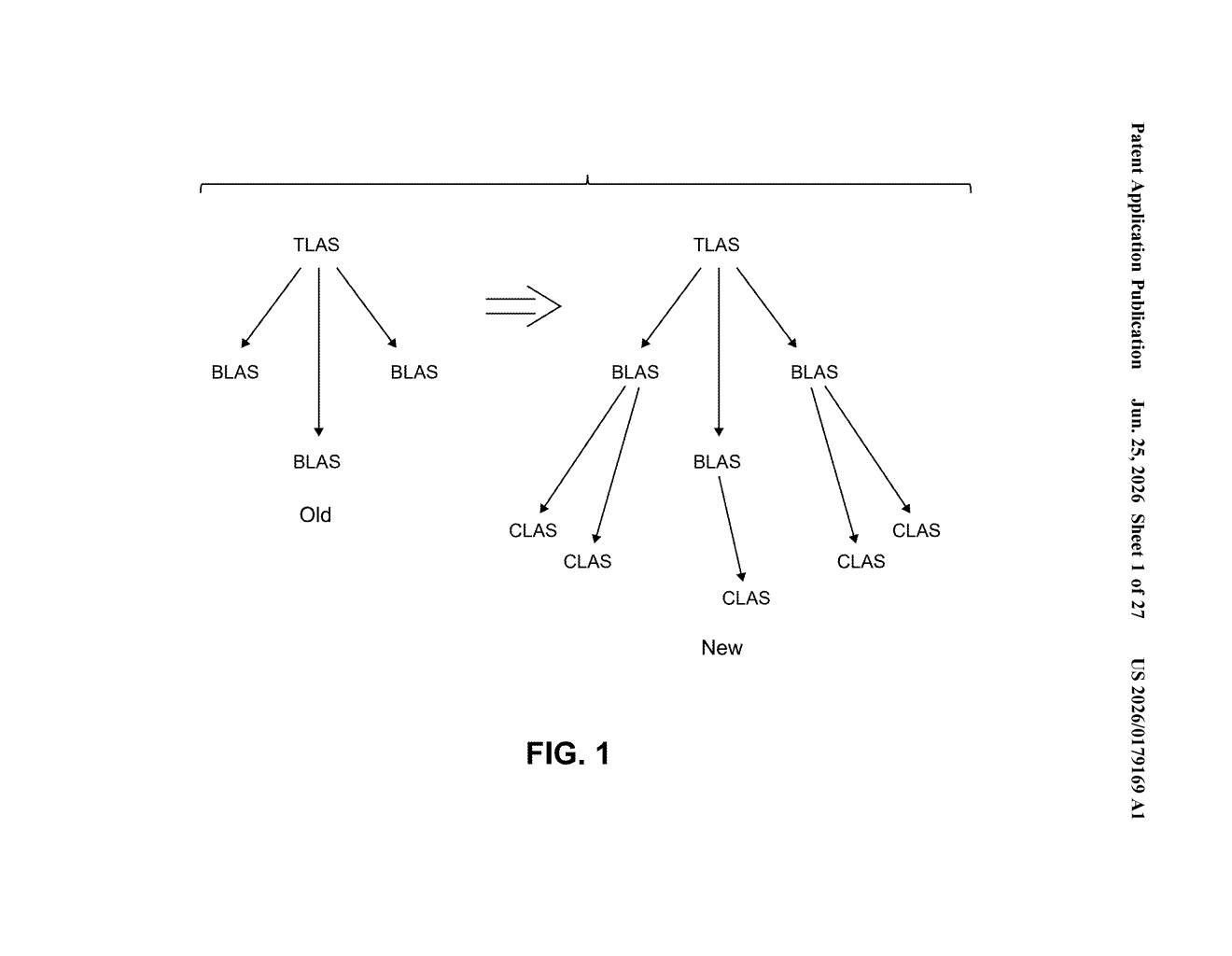
What Nvidia's lightweight instancing actually does
Imagine a 3D game world with thousands of identical trees. Right now, the graphics hardware has to spend time and memory carefully recording exactly where each tree sits in space, even when most of that work is redundant. That bookkeeping slows down how fast a scene can be prepared for rendering.
Nvidia's patent describes a way to reuse parts of those scene maps without duplicating all the math that comes with them. A new type of pointer node lets the system jump to the right geometry without recalculating a full coordinate transform every time. Think of it like giving someone a shortcut on a map instead of redrawing the whole route from scratch.
The result is that complex 3D scenes can be built faster, which matters most in real-time situations like games or interactive design tools where every millisecond counts.
How the three-level acceleration structure skips extra math
Ray tracing works by casting virtual light rays through a scene and figuring out what each one hits. To do that quickly, graphics hardware builds a tree-shaped data structure called a Bounding Volume Hierarchy (BVH), which groups objects so the hardware can skip huge chunks of the scene at once rather than testing every triangle.
Nvidia's patent introduces two key additions to how those trees are structured:
- Pseudo-Instance Nodes (PINs): A new kind of pointer that lets one level of the hierarchy point directly into an arbitrary spot in a lower level, without requiring a full coordinate-space transform (the math that converts an object's position from one frame of reference to another). This makes it possible to link scene levels together cheaply.
- Multi-Parent Root Complets (MPRCs): A way to let a single block of geometry (a "Cluster-Level Acceleration Structure," or CLAS) be shared across multiple parent structures, rather than copied each time it's needed.
Together, these two mechanisms simulate multi-level instancing (reusing geometry at several layers of a scene hierarchy) without the performance hit that traditionally comes with it. The patent specifically targets the build speed of the Top-Level Acceleration Structure (TLAS), the top-most map the GPU consults when a frame starts rendering.
Why it matters
Faster BVH builds translate directly into higher frame rates and shorter load times in any application that uses ray tracing, most visibly in modern games and real-time 3D tools. The bottleneck this patent targets is especially painful in dynamic scenes, where objects move and the hardware has to rebuild parts of its scene map every frame.
For you as a player or creator, the practical upshot is scenes with more geometric detail that still run smoothly. For Nvidia, it's an engineering efficiency win that would let their GPU hardware handle more complex worlds without needing proportionally more transistors or memory bandwidth to do it.
This is deep GPU plumbing, not a flashy consumer feature, but it's the kind of incremental work that actually ships. Nvidia has been steadily patenting BVH optimizations for years, and these specific ideas around pseudo-instance nodes read like something that's already been tested internally. If it makes it into a future architecture, game developers will benefit without ever knowing why their scenes got faster.
There are more where this came from
We read every patent application Big Tech publishes and send you the ones worth knowing. Plain English, free, every week.
Want this weekly breakdown for a company we don't cover? Patentlyze Pro →