
Samsung Patent Would Help Phone Cameras Lock Focus Faster by Processing Less Data
Most phone cameras collect the same amount of autofocus data across the entire frame, whether you're shooting a distant subject at full zoom or a wide landscape. Samsung's new patent wants the sensor itself to decide when to work harder at focusing and where.
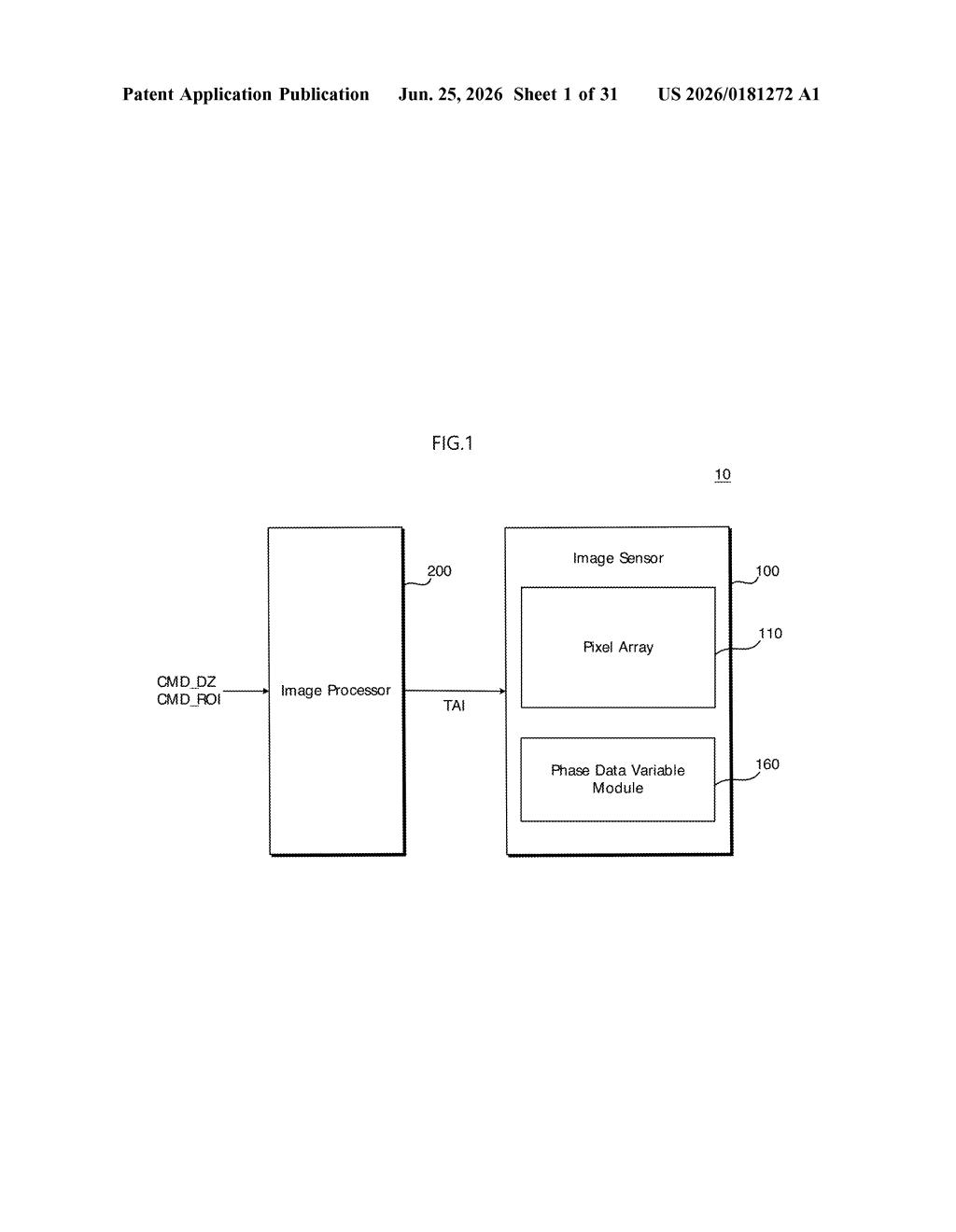
How Samsung's sensor focuses harder on what matters
Imagine you're photographing a friend across a crowded room. Your phone zooms in, and suddenly the camera has to nail focus on a much smaller area of the scene. Most sensors treat every pixel in the frame equally, collecting the same type of focusing data no matter what you're shooting.
Samsung's patent describes a sensor that can be told, from outside itself, which part of the frame matters most. When you zoom in or tap to focus on a subject, the sensor devotes more of its processing to generating autofocus data for that specific zone, rather than spreading the effort evenly across pixels you don't care about.
The practical upside: sharper, faster focus exactly where you want it, without forcing the sensor to crunch unnecessary data for the rest of the scene. It's a more targeted approach to how a camera's hardware allocates its own attention.
How the read-out circuit shifts phase data by target area
Inside a camera sensor, there are two kinds of data being generated simultaneously: image data (the actual picture) and phase data (information used to calculate autofocus distance by comparing light arriving at paired sub-pixels). Normally, the ratio between these two outputs is fixed.
This patent describes a read-out circuit that can change that ratio on the fly based on instructions it receives from the processor controlling the camera. Those instructions carry what Samsung calls target area information, essentially coordinates telling the sensor which portion of the pixel array deserves more autofocus effort.
The mechanism works through something called kernels, which are small groupings of pixels. Two scenarios are spelled out:
- In crop zoom mode (when you've zoomed in digitally), more kernels are assigned to the cropped area than would be used in a full-frame capture.
- When a region-of-interest is selected (say, a face you tapped on), that zone gets more kernels per pixel than surrounding areas.
Each kernel is required to include the same number of pixels of each color, keeping color balance consistent even as the density of autofocus sampling shifts around the frame.
What this means for zoomed and portrait phone shots
For phone cameras, autofocus speed and accuracy at zoom distances is one of the hardest engineering problems. Digital zoom already degrades image quality; if autofocus is also struggling with less data to work from, shots get blurry fast. A sensor that automatically concentrates its phase-detection resources on the cropped area could meaningfully improve focus reliability in exactly the situations where it currently tends to fail.
For Samsung specifically, this fits a pattern of pushing camera intelligence down into the sensor hardware rather than relying entirely on the application processor. If the sensor can handle focus prioritization autonomously, the overall system responds faster and with less processing overhead, which matters for burst shooting, video autofocus tracking, and anything involving a moving subject.
This is a focused, practical improvement to a real pain point in mobile photography. It's not a flashy AI feature but it's the kind of low-level sensor work that separates good camera hardware from great camera hardware. The patent is narrow enough that it could ship in a near-future Galaxy sensor without much fanfare, and users would probably just notice that zoom shots focus better.
There are more where this came from
We read every patent application Big Tech publishes and send you the ones worth knowing. Plain English, free, every week.
Want this weekly breakdown for a company we don't cover? Patentlyze Pro →