
Samsung Patents a Camera Sensor Built With Air Gaps Between Color Filters
Samsung has patented a way to build air pockets directly into a camera image sensor, using a polymer that simply burns away during manufacturing to leave gaps that help keep colors from bleeding into each other.
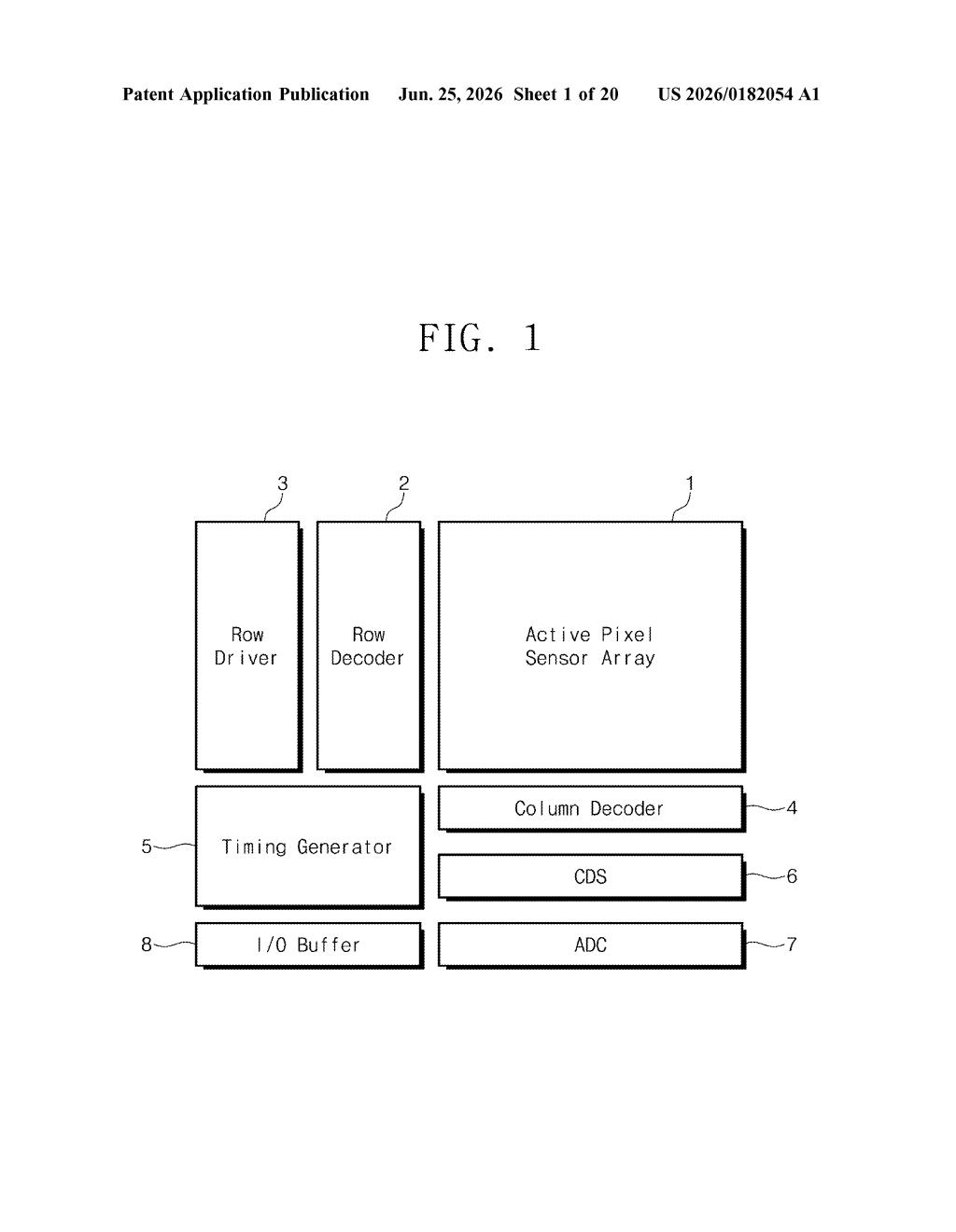
What Samsung's air-gap color filter trick actually does
Imagine each pixel in your phone's camera sensor has a tiny colored window above it, red, green, or blue, that tells the sensor what wavelength of light to record. The problem is that light leaks sideways between those windows, so a red pixel picks up a little green, and your photos lose sharpness and color accuracy.
Samsung's patent describes a way to put a tiny pocket of air between every color filter during manufacturing. Air is actually one of the best materials for stopping light from straying where it doesn't belong. The trick is making those gaps without leaving any physical filler material behind.
To do that, Samsung's process fills the spaces with a special plastic that disappears completely when heated. Once it burns off, only the air remains, sealed inside by a capping layer. The result is a sensor where each color channel stays cleaner and more isolated than in a conventional design.
How the pyrolytic polymer creates the air gap
The patent describes a fabrication sequence for a back-side illuminated (BSI) image sensor, the type of chip inside most modern smartphone cameras, where light enters from behind the silicon rather than having to pass through wiring layers first.
The key steps are:
- Deposit an anti-reflection layer on the silicon substrate to cut down on stray reflections.
- Pattern the color filter array, leaving deliberate gaps between each filter.
- Fill those gaps with a pyrolytic polymer (a plastic that decomposes cleanly into gas when heated, leaving no residue) to hold the structure together during subsequent steps.
- Apply a thin capping layer over the top of the whole assembly to seal everything in place.
- Run a thermal treatment (essentially a controlled bake) that vaporizes the polymer and leaves sealed air pockets behind.
The air gaps act as optical barriers. Because air has a much lower refractive index than the glass or polymer materials typically used as gap fillers, light traveling sideways hits a sharp boundary and is more likely to reflect back rather than cross over into a neighboring color filter. This reduces optical crosstalk, the phenomenon where one pixel's color channel contaminates the reading of an adjacent channel.
What this means for camera sensor light accuracy
Optical crosstalk is one of the stubborn limits on how much further smartphone camera sensors can improve, especially as pixel sizes keep shrinking. Tighter pixels mean filters sit closer together, making crosstalk worse. A fabrication process that reliably puts air gaps between filters without collapsing or contaminating them could let Samsung push pixel density further while keeping color fidelity intact.
For you as a consumer, cleaner color separation at the sensor level means better low-light photos, more accurate skin tones, and sharper detail in high-contrast scenes, all before any software processing touches the image. This is manufacturing-level work, invisible in the final product but foundational to camera quality.
This is unglamorous semiconductor process engineering, but it's exactly the kind of incremental advance that separates the best smartphone cameras from the rest. Air-gap isolation isn't a new idea in optics, but making it manufacturable at scale in a pixel array is genuinely hard. Samsung filing this suggests they're pushing it toward production, not just a lab curiosity.
There are more where this came from
We read every patent application Big Tech publishes and send you the ones worth knowing. Plain English, free, every week.
Want this weekly breakdown for a company we don't cover? Patentlyze Pro →