
Qualcomm Patents a Two-Step Biometric Lock That Checks You're Alive First
Before your fingerprint or face even counts as a login, Qualcomm's new patent wants your phone to confirm it's dealing with a real, living person and not a photo, a mold, or a replay attack.
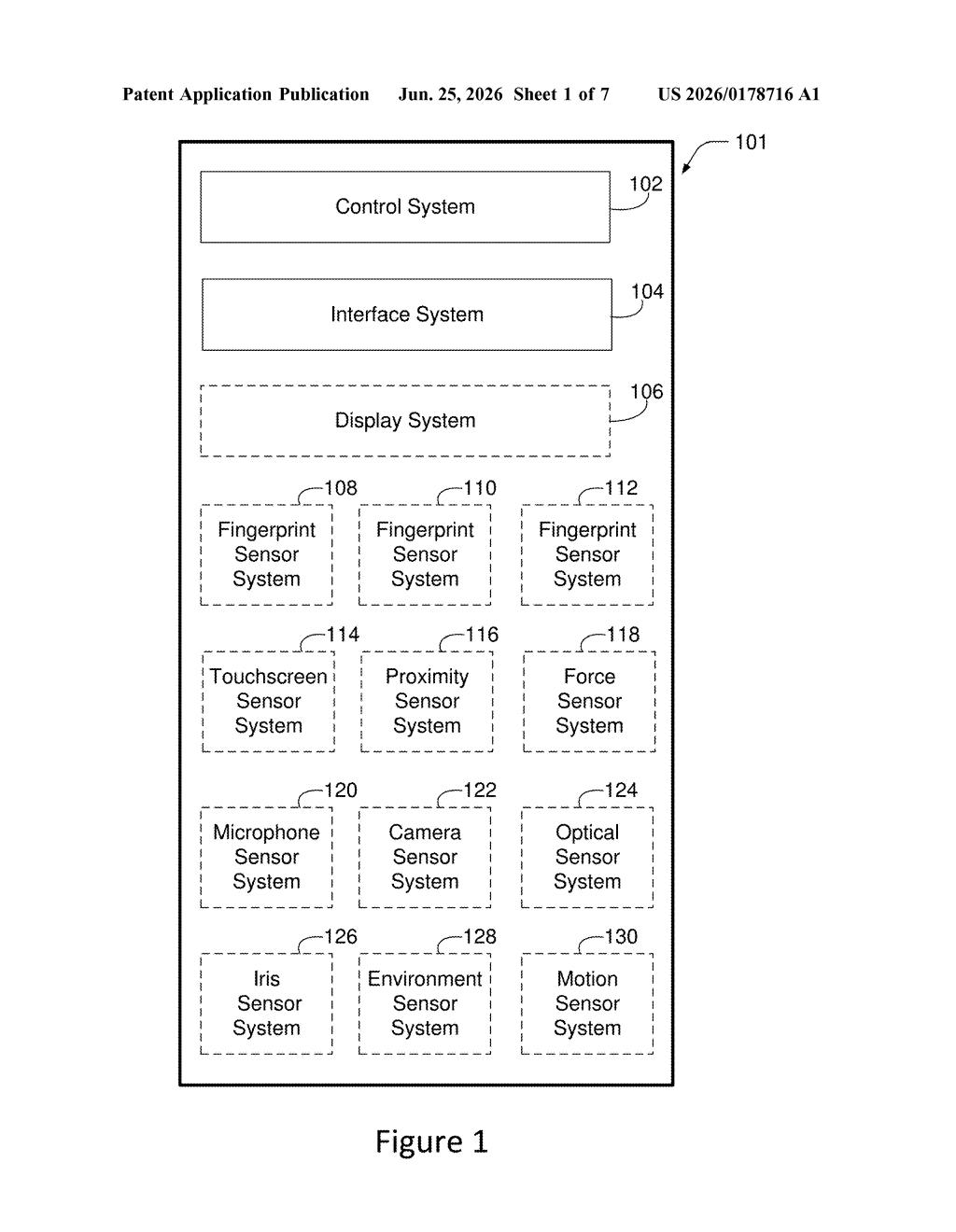
What Qualcomm's liveness-check security actually does
Imagine someone steals a high-resolution photo of your face and holds it up to your phone. Or they press a fake silicone finger against the sensor. Today's biometric locks can sometimes be fooled by tricks like these. Qualcomm's patent describes a system designed to stop that.
The idea is to split authentication into two stages. First, the device checks "liveness" criteria, meaning it uses one or more sensors to confirm that a real, living person is actually present. Only after that check passes does it proceed to read your biometric data, like a fingerprint or face scan, for the actual login.
The system ties together multiple sensors on the device, so the rules for what counts as "alive enough" and "authenticated" can be set separately and tuned to the situation. It's less about one fancy sensor and more about making the two steps talk to each other in a structured way.
How the sensor pairing and liveness rules work together
The patent describes a control system on a device that applies what it calls an authentication rule, which is split into two distinct parts: liveness criteria and authentication criteria.
- Liveness criteria: the system first uses sensor data (which could come from depth sensors, infrared, motion detectors, or others) to confirm a live person is present, not a photo, recording, or physical replica.
- Authentication criteria: only once liveness is confirmed does the system instruct the user to interact with a biometric sensor (fingerprint reader, face camera, etc.) in a specific way defined by operation parameters (the exact conditions the interaction must meet).
- Biometric data handoff: the captured biometric data is then passed along for the actual identity check only when both prior conditions are satisfied.
The key architectural point is that liveness and authentication are governed by a single rule object but checked sequentially. This means the system can be updated or reconfigured without rewiring the whole security flow. The patent also implies that different sensor combinations can satisfy liveness criteria, giving manufacturers flexibility in hardware choices.
What this means for phone and device security
Spoofing biometric sensors is a known attack category, and as phones get used for payments, health data, and workplace access, the stakes for a bypassed fingerprint or face scan keep rising. A structured two-step approach where liveness is a hard gate before any biometric data is even collected adds a layer that's harder to trick with static replicas.
For Qualcomm specifically, this fits squarely into its chip and platform business. Qualcomm's Snapdragon processors power a huge share of Android phones worldwide, and security features baked into the platform level give device makers a ready-made framework. If this ends up in a Snapdragon security module, every phone using that chip inherits the protection without the manufacturer building it from scratch.
This is solid, incremental security work rather than a flashy headline feature. Separating liveness detection from biometric authentication at the architecture level is the right call, and Qualcomm is the right company to push it given how many Android devices run on its chips. Don't expect a press release, but do expect something like this to show up in a future Snapdragon platform spec.
There are more where this came from
We read every patent application Big Tech publishes and send you the ones worth knowing. Plain English, free, every week.
Want this weekly breakdown for a company we don't cover? Patentlyze Pro →