
Meta Patents a One-Piece Camera Mount for Glasses That Project Digital Images
Keeping a tiny camera perfectly still inside a headset frame is harder than it sounds. Meta is patenting a single molded part that does what used to take two or three separate components.
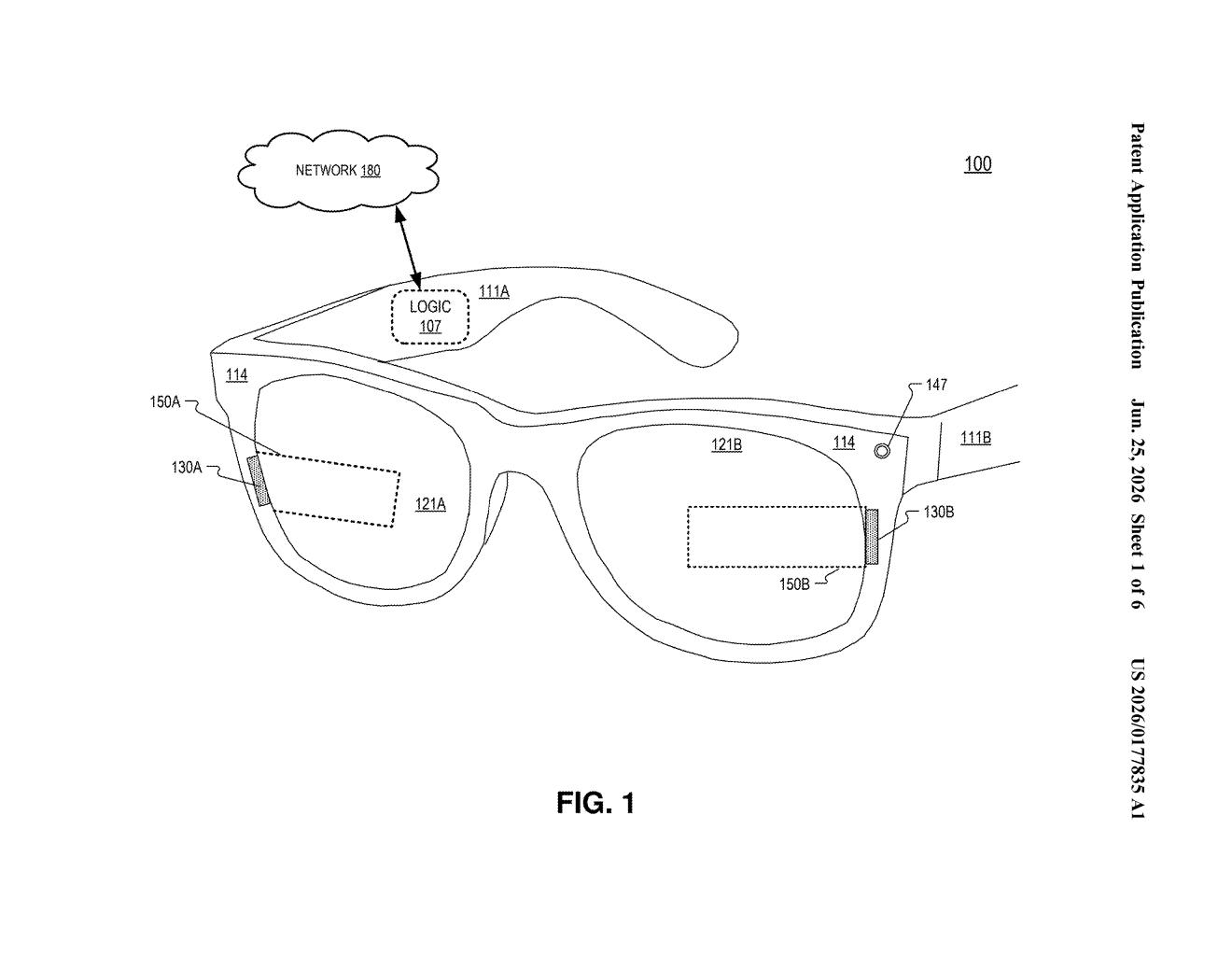
What Meta's unibody camera anchor actually does
Imagine a pair of AR glasses where one of the onboard cameras drifts slightly out of position over time. The images look fine on their own, but the headset uses multiple cameras together to understand where you are in space, so even a tiny shift can throw off the whole system. That's the problem this patent is trying to solve.
Meta's answer is a part it calls the ICSAC (integrated camera sheath and alignment collar). Instead of using separate rings and brackets to hold a camera lens in place and keep it pointed in the right direction, the ICSAC does both jobs in one continuous piece of material. It wraps around the lens barrel, locks it into alignment, and attaches directly to the headset frame, either glued in or molded right into the plastic.
The single-piece design means fewer joints where things can come loose, and the collar includes either a physical reference point or small spring clips that snap the camera into exactly the right position every time.
How the ICSAC sleeve and collar lock a lens in place
The patent covers a head-mounted device (a VR or AR headset) that uses a new one-piece mounting component to secure its cameras.
The key part is the ICSAC, which combines two functions that are normally handled separately:
- Camera sleeve region: a cylindrical jacket that wraps around the outside of the lens barrel, holding it snugly in place and protecting it from movement.
- Camera alignment collar region: a secondary ring, formed from the same continuous piece of material as the sleeve, that physically references the lens barrel's flange (a small protruding lip on the barrel) to set the camera's exact angle and position relative to the headset frame.
The alignment collar can work two ways. It can use a mechanical reference datum (a precise geometric surface the lens presses against) or self-locking spring features that snap onto the lens barrel flange and hold it without separate fasteners.
The ICSAC itself attaches to the headset frame either by being glued in or by being molded directly into the frame material. Because the sleeve and collar are one contiguous piece, there is no interface between them that can shift, warp, or wear over time.
What this means for Meta's next AR glasses
For AR and VR headsets, camera placement is not cosmetic. Cameras that track your hands, map your environment, or feed passthrough video need to stay in exactly the position the software expects. A fraction of a millimeter of drift can introduce visible errors or tracking failures. Reducing that risk with a manufacturing-level fix rather than a software workaround is a meaningful engineering choice.
Meta's Ray-Ban smart glasses and the Quest line both use outward-facing cameras for core features. A simpler, more reliable camera mount would reduce assembly complexity and potentially improve durability across a product family that Meta is clearly betting on for the long term.
This is unglamorous mechanical engineering, but it's the kind of patent that actually ships. Camera alignment is a real constraint in miniaturized headsets, and a one-piece solution that removes assembly variables is exactly the sort of quiet improvement that separates durable consumer hardware from devices that degrade after a year of use. Worth a look if you follow Meta's hardware roadmap.
There are more where this came from
We read every patent application Big Tech publishes and send you the ones worth knowing. Plain English, free, every week.
Want this weekly breakdown for a company we don't cover? Patentlyze Pro →