
Apple Patents Smarter SIM Error Handling for Cellular Data Failures
When your phone's SIM card tries to connect to a cellular network and gets rejected, it usually has no idea why — or when to try again. Apple wants to fix that.
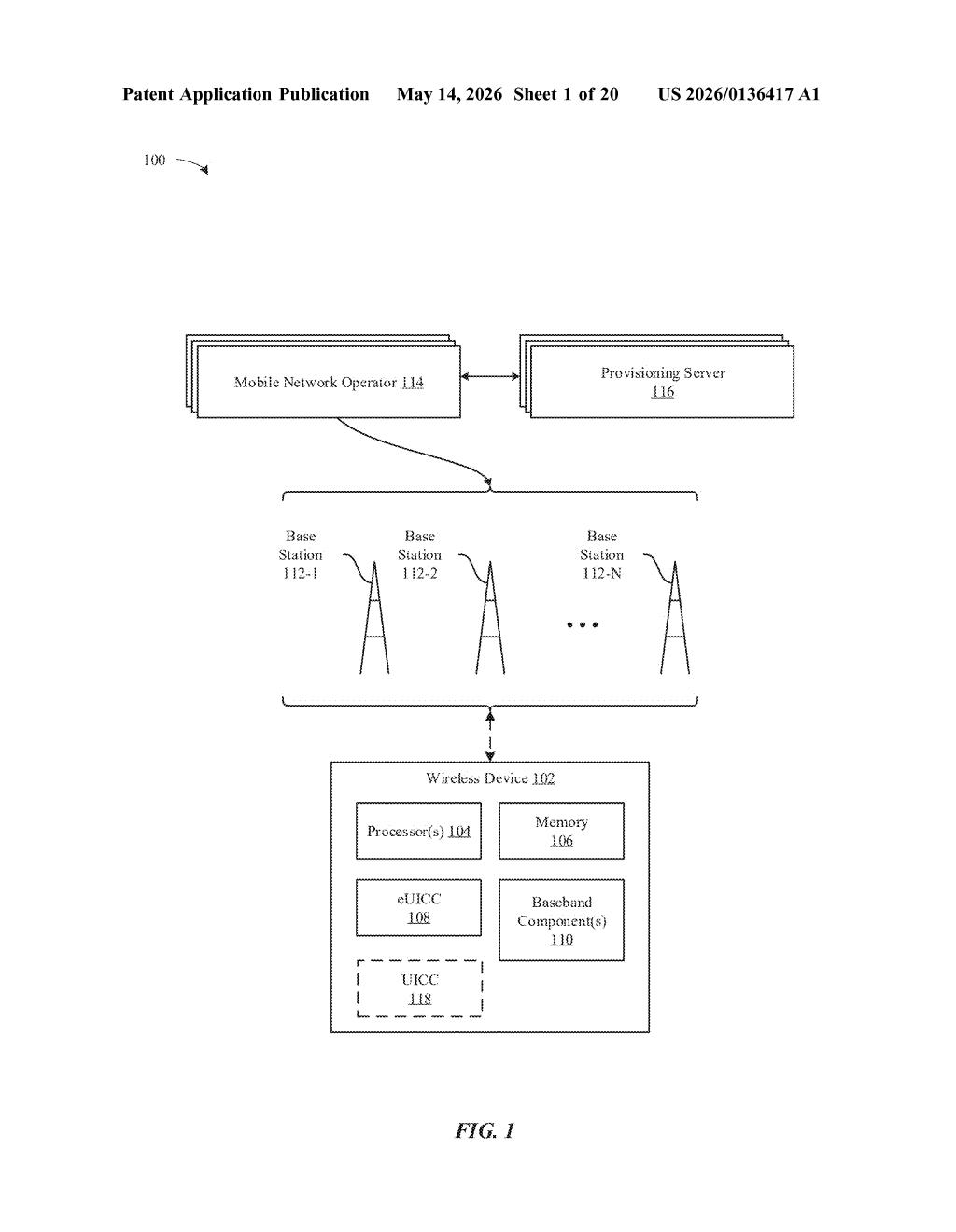
What Apple's BIP failure handling actually does for your SIM
Imagine your phone's SIM card is like a guest trying to check into a hotel. The front desk (the cellular network) turns it away — but doesn't say whether the room is permanently gone or just temporarily taken, or when to try knocking again. That's roughly how today's SIM-to-network communication works when something goes wrong.
Apple's patent describes a system where the phone itself acts as a smarter translator between the SIM card and the network. When the network rejects a data connection request, the phone figures out why it was rejected — whether it's a permanent "no" or a temporary one — and passes that useful context back to the SIM.
For eSIM users in particular, this could mean fewer frustrating loops where your device keeps hammering the network with doomed retry attempts. Instead, the SIM gets told: "wait this long, then try again" — or "don't bother, this won't work."
How Apple's device layer translates network rejections for eSIM
This patent covers the handling of Bearer Independent Protocol (BIP) messages — BIP is essentially the communication layer that lets a SIM or eSIM card on your device talk to a cellular network to open data channels (think: provisioning, network registration, or carrier app communication).
The core problem being solved: when a network rejects a BIP session request, the current system doesn't give the SIM card enough information to respond intelligently. The SIM might keep retrying the same failed request with the same broken parameters, causing repeated failures.
Apple's approach introduces a smarter response message flow:
- Rejection cause value: tells the SIM what went wrong (e.g., wrong APN, incompatible IP version)
- Permanent vs. temporary flag: lets the SIM know whether to give up entirely or wait it out
- Backoff timer: for temporary rejections, specifies how long the SIM should wait before retrying
The device's baseband or modem layer acts as the intermediary — it receives the raw network rejection, interprets the cause code, and reformats that information into a BIP response message the secure element (SIM/eSIM chip) can actually act on. This prevents the SIM from triggering repeated open-channel requests that are destined to fail.
What this means for eSIM reliability on iPhones and iPads
For most users this is invisible infrastructure — but eSIM reliability is increasingly a front-line user experience issue. As Apple pushes further into eSIM-only devices (the US iPhone 14 and later dropped the physical SIM tray entirely), the robustness of the software stack managing those connections becomes critical. A SIM card stuck in a retry loop can delay carrier provisioning, slow down network switching, or drain battery.
This patent also signals Apple's continued investment in controlling the full stack of cellular modem software — relevant as the company develops its own in-house modem chips. Tighter integration between the modem layer and the secure element is exactly the kind of low-level optimization that pays dividends when you own both the hardware and the firmware.
This is unglamorous but genuinely useful plumbing work. The problem it solves — SIM cards blindly retrying failed connections — is real and annoying, and the fix is clean and logical. It's most interesting as a data point in Apple's broader modem internalization story, where controlling this layer of the stack becomes table stakes.
There are more where this came from
We read every patent application Big Tech publishes and send you the ones worth knowing. Plain English, free, every week.
Want this weekly breakdown for a company we don't cover? Patentlyze Pro →