
Samsung Patents an AI System for Smarter 5G and 6G Beam Selection
Your phone's 5G connection isn't just one signal — it's a beam of radio energy that has to track you as you move. Samsung wants AI to decide, in real time, which beam each user gets and when to switch.
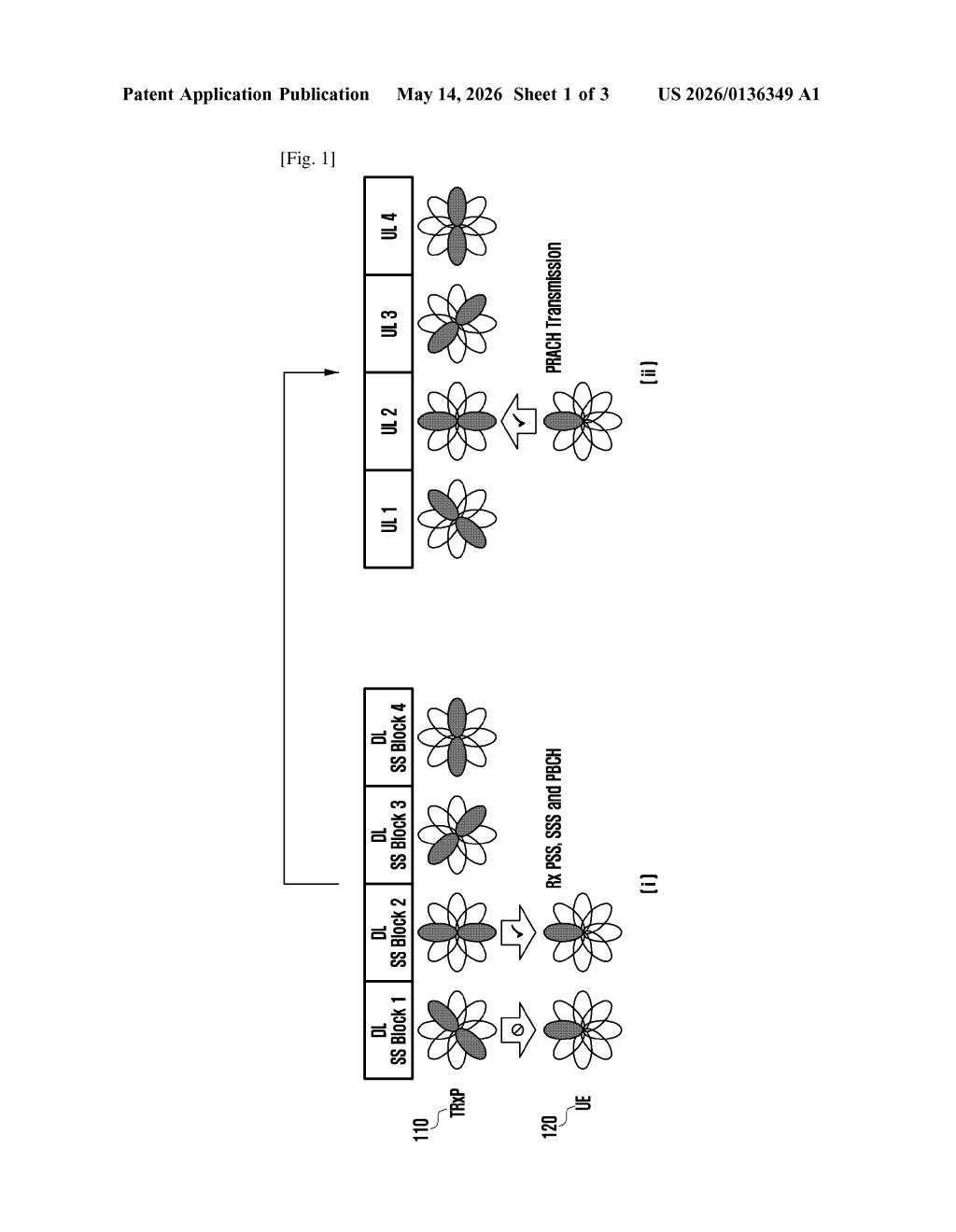
What Samsung's AI beam-picking system actually does
Imagine you're at a packed stadium and your 5G signal keeps cutting out. That's partly a beam management problem: the cell tower is projecting dozens of narrow radio beams in different directions, and the network has to figure out which one should point at you — and update that constantly as you move.
Right now, that process relies on rules-based systems that sweep through beams in a fixed pattern. Samsung's patent proposes replacing that with an AI/ML model that learns from real usage data — things like how often a beam is used for initial connections, how often devices switch beams, and which users are high-priority — and then uses those patterns to make smarter, faster decisions.
The result, in theory, is a network that wastes less time scanning beams you don't need and spends more time on the ones that actually matter for your connection right now.
How Samsung's AI model ranks and switches beams
The patent describes a network-side method where an AI/ML model takes over three core tasks in 5G/6G beam management:
- Beam sweeping — the process of scanning through many candidate beams to find the best one for a device. Currently done in rigid cycles; the AI can reprioritize which beams get scanned first.
- RACH usage per beam — RACH (Random Access Channel) is how a device initially announces itself to a network. The model tracks which beams are most commonly used for these initial handshakes and adjusts accordingly.
- Beam switching — when a device moves and needs to hand off from one beam to another, the model predicts the best next beam rather than scanning all options.
Training data is collected from high-priority users — think enterprise devices or emergency services — and the model can be trained in the network, on the device, or in a hybrid split where some computation happens locally and some in the cloud. The trained model then runs inference (makes predictions) to set parameters for beam behavior dynamically.
The first independent claim is deliberately broad: a network entity identifies beam inferences from the model, selects a beam for a specific UE based on that UE's context data, and transmits accordingly. It's a clean three-step loop that could sit inside a base station's software stack.
What this means for 5G and 6G network reliability
As 5G networks get denser and 6G starts being designed, beam management overhead is a real bottleneck. Every beam sweep that doesn't find a good signal is wasted airtime — and at millimeter-wave frequencies (the high-speed band in 5G), beams are very narrow and devices lose them easily. An AI layer that predicts rather than scans could meaningfully improve throughput and reduce latency, especially in crowded or high-mobility environments.
For you as a user, this is the kind of plumbing improvement that doesn't show up on a spec sheet but does show up in whether your video call stays stable on a busy train platform. Samsung, as both a major network equipment vendor and a handset maker, has a clear commercial reason to push this into standards bodies like 3GPP.
This is solidly interesting telecom infrastructure work, not a consumer product headline. Samsung is one of the key players pushing AI into the 3GPP standards process for 6G, and patents like this stake out their position on how AI inference should be integrated into the radio access network. It won't make news on launch day, but it could end up inside base stations that millions of people rely on.
There are more where this came from
We read every patent application Big Tech publishes and send you the ones worth knowing. Plain English, free, every week.
Want this weekly breakdown for a company we don't cover? Patentlyze Pro →