
Apple Patents Motion-Triggered Restricted Mode for Parental Controls
Apple is exploring a way to lock down a device automatically based on physical movement or gestures — no tapping through settings menus required. Think of it as a motion-triggered parental control that reacts to what a device is doing in the real world.
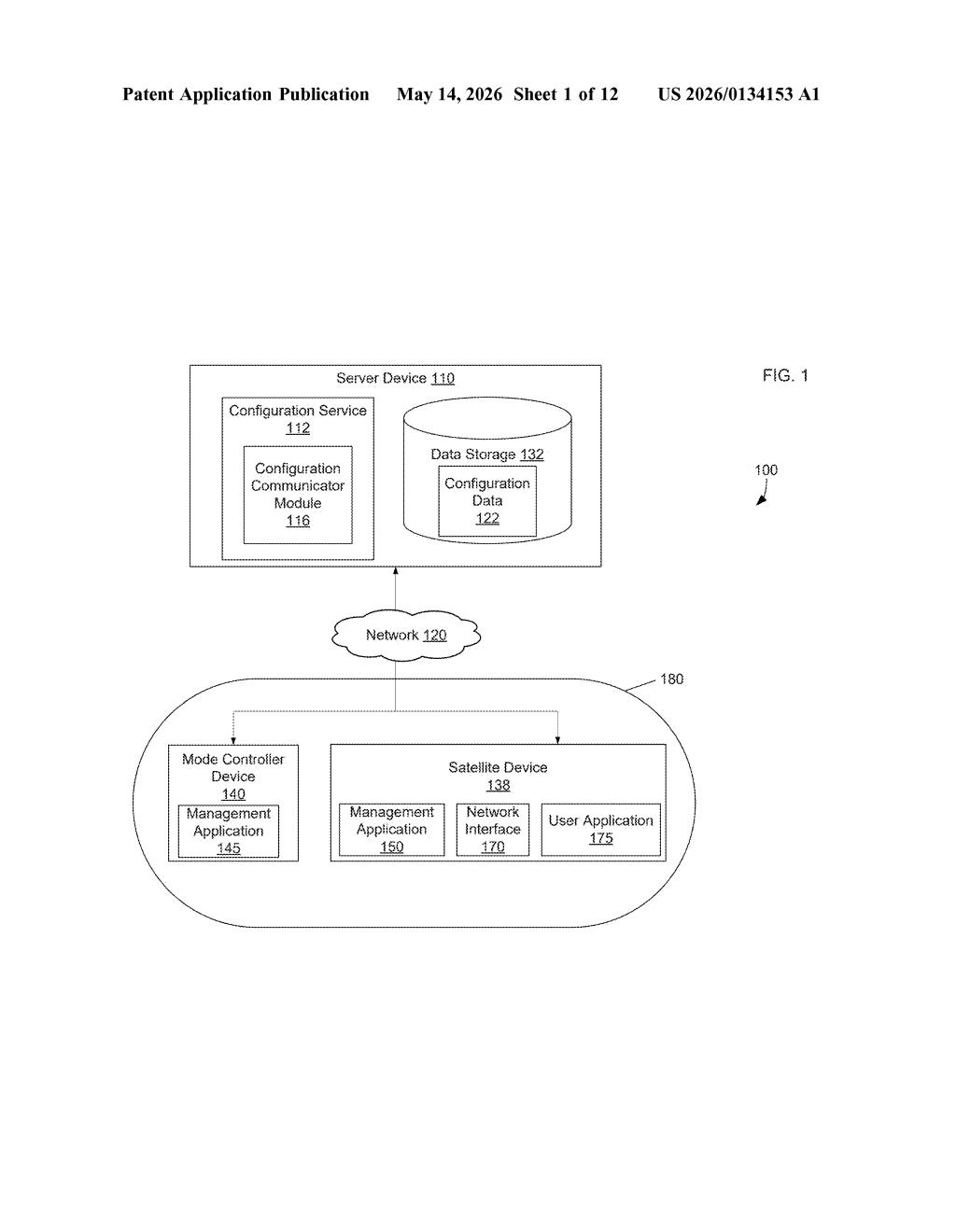
What Apple's gesture-activated device lockdown actually does
Imagine your kid's iPhone detects that they just walked through the school doors — and without anyone touching a single setting, certain apps disappear from the home screen. That's the kind of experience Apple seems to be working toward here.
This patent describes a system where a motion sensor on a device watches for a specific gesture or movement. When that movement matches a predefined trigger, the device automatically shifts into a restricted mode — hiding icons and locking down functionality that was previously accessible.
A parent's device can act as a remote controller, configuring rules for a child's device without ever touching it. The parent sets the policies; the child's phone enforces them based on physical context. It's parental controls that respond to the physical world, not just schedules or Wi-Fi networks.
How motion sensor data triggers Apple's restricted mode
The core mechanic here is straightforward: a device's motion sensor (like an accelerometer or gyroscope) continuously collects movement data. The system analyzes that data to detect whether a specific gesture or physical movement matches a predefined triggering condition.
If the trigger fires, the device enters restricted mode — a state where certain app icons that were previously visible and tappable are no longer accessible. This isn't just hiding apps behind a passcode; the icons themselves disappear from the UI.
The patent also describes a controller device / satellite device model:
- A controller device (e.g., a parent's iPhone) remotely configures the restrictions
- A satellite device (e.g., a child's iPhone or iPad) enforces them
- The parent can set rules around app execution, device communications, software permissions, and settings management
The motion-trigger approach is the novel angle here — rather than relying solely on time-of-day schedules or location geofences, the system can respond to physical gestures or movements as contextual signals. That opens the door to more nuanced, real-world-aware restrictions.
What this means for parents managing kids' screen time
Apple's Screen Time feature already lets parents set app limits and downtime schedules, but it's largely time-based and requires manual configuration. A motion-aware restriction system could make parental controls feel more automatic and context-sensitive — locking down a device when a child sits down at a school desk, for instance, without the parent needing to intervene.
For you as a parent, this could mean less cat-and-mouse with your kid over screen time rules — the device itself becomes aware of physical context. It also signals Apple doubling down on the idea that device restrictions should be ambient and invisible, not a constant negotiation.
This is a genuinely interesting extension of Screen Time — using motion as a context signal is smarter than pure time-based locks, which kids learn to route around quickly. Whether Apple ships this as a discrete feature or folds it quietly into a future iOS parental controls update, the underlying idea — that your phone knows when it's physically appropriate to lock down — is worth paying attention to.
There are more where this came from
We read every patent application Big Tech publishes and send you the ones worth knowing. Plain English, free, every week.
Want this weekly breakdown for a company we don't cover? Patentlyze Pro →