
Google's New Patent Splits the Camera Frame So Every Corner Stays Sharp
Your phone's camera treats the entire frame as one focus problem. Google's new patent wants to split that frame into many smaller ones, each calibrated independently, so the lens lands in exactly the right spot every time.
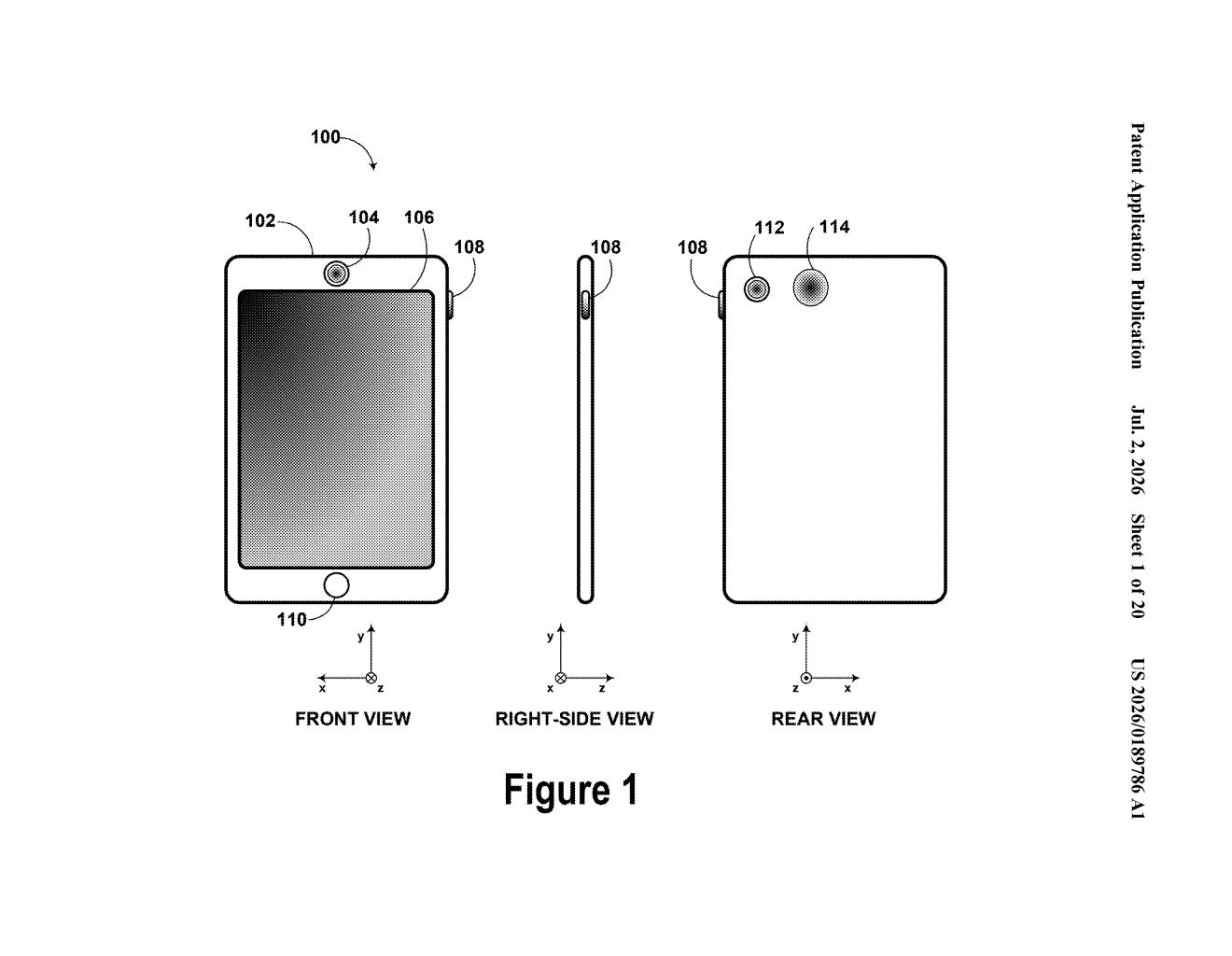
What Google's zone-by-zone autofocus actually does
When you point your phone at a scene and tap to focus, the camera has to calculate exactly how far the lens needs to move. That calculation relies on sensors embedded in the camera that detect a subtle phase shift in incoming light. The problem: those sensors aren't perfectly consistent across the whole image, and a single global correction can leave some areas of the frame calibrated poorly.
Google's patent describes a system that divides the sensor into a grid of smaller zones. Each zone gets its own calibration factor, tuned to how strong or weak the focus signal is in that particular area. The camera then combines all those zone-level readings into a single prediction of how out-of-focus the scene is, and uses that to move the lens to the right position.
The practical idea is that a more locally accurate calibration should produce a more stable and precise autofocus result, especially in tricky lighting or at the edges of the frame where sensor performance tends to vary the most.
How the sensor stacks local focus signals into one prediction
Phase-detection autofocus (PDAF) works by reading pairs of special pixels embedded in the camera sensor. These pixels are masked so each one only captures light from a slightly different angle. When the scene is out of focus, the signals from the two sets of pixels are offset from each other. The camera measures that offset to calculate a defocus value, which tells the lens motor how far and in which direction to move.
The challenge is that the conversion factor between a raw pixel offset and an actual physical defocus distance, called a Defocus Conversion Coefficient (DCC), isn't uniform across the sensor. Edge zones and low-light areas can behave differently from the center.
Google's patent addresses this by:
- Splitting the sensor's pixel array into a grid of sub-regions
- Calculating a local signal strength for each sub-region (essentially how reliable the focus signal is there)
- Applying a separate DCC calibration to each sub-region based on its own signal strength
- "Stacking" all those locally calibrated signals together into one final defocus estimate
The stacking step is basically a weighted combination: zones with stronger, more reliable signals contribute more to the final answer. The result feeds directly into the lens positioning command.
What this means for Pixel camera focus accuracy
For everyday phone photography, faster and more accurate autofocus means fewer blurry shots when the subject is off-center or when you're shooting in dim conditions. Current PDAF systems already work well in ideal conditions, but they can drift or hunt in challenging scenarios. A per-zone calibration approach could make focus lock more consistent across the full frame, not just in the sweet spot at the center.
Google makes the Pixel phone line, and camera performance is one of its primary selling points. A filing like this fits the pattern of incremental but meaningful camera engineering improvements that tend to show up in Pixel hardware generations later. It's also the kind of low-level sensor calibration work that doesn't make for a flashy marketing slide but separates a good camera from a great one.
This is focused, unglamorous engineering work on a real problem: PDAF calibration isn't uniform across a sensor, and a per-zone correction is a logical way to fix that. It won't make headlines at a Pixel launch, but the kind of autofocus stability improvement it describes is exactly what separates a phone camera that nails focus in tough conditions from one that doesn't. Worth noting for anyone tracking Google's camera hardware roadmap.
Get our take in your Top Stories
Liked this breakdown? Add Patentlyze as a preferred source on Google, and our plain-English take shows up more often in your Top Stories the next time Google patent news breaks.
There are more where this came from
We read every patent application Big Tech publishes and send you the ones worth knowing. Plain English, free, every week.
Want this weekly breakdown for a company we don't cover? Patentlyze Pro →