
Microsoft's New Patent Builds a Two-Track System to Separate Proven Identities from Claimed Ones
What if an app could show you content based on who you've proven you are, not just who you claim to be? Microsoft's latest patent builds exactly that kind of two-track identity system.
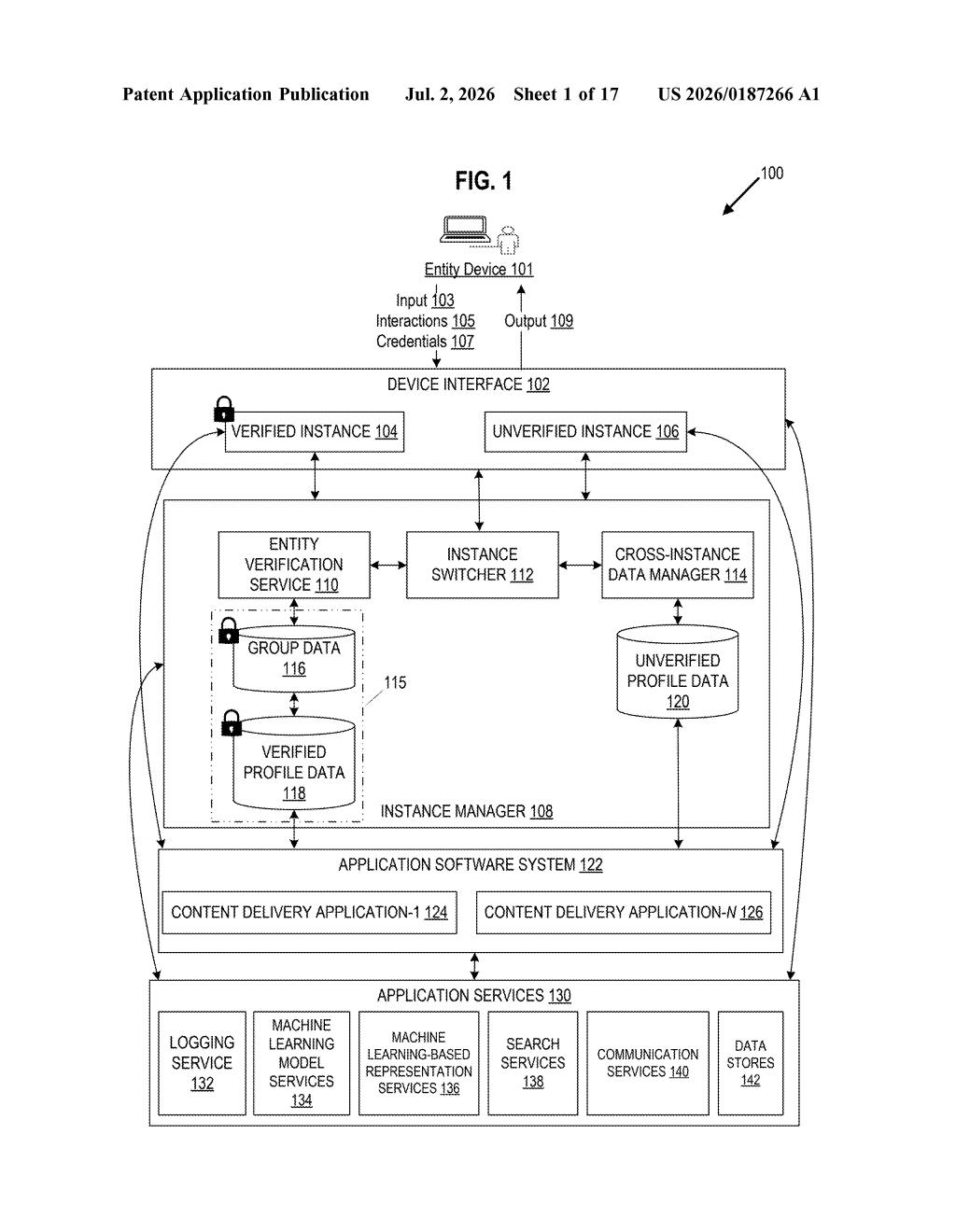
How Microsoft's two-profile content system works
Imagine your school gives every student a special login that only works because the school has confirmed you're actually enrolled. That login unlocks a version of an app built just for verified students, and it stores a profile that only other verified members of that group can see.
Now imagine the same app also picks up information from a completely separate, open version of itself, where no one's identity has been checked. Microsoft's patent describes a way to blend those two types of data together: the trusted, verified profile and the looser, unverified one, and use both to decide what content gets shown to you.
The idea is that you get a more personalized experience inside the verified, gated app, but the system can still draw on broader signals from outside that walled garden. It's a way to keep sensitive group data private while still making the content feel relevant to you.
How verified and unverified data combine to trigger content
The patent describes a software application that can run as two separate instances (think: two different versions of the same app running with different rules) on the same device.
- The first instance is restricted to users who have a verified relationship with a specific group, like a school, employer, or organization. Only verified members can use it, and the profile data stored inside it is only visible to other verified members of that group.
- The second instance is a more open version of the same app where identity is not confirmed. Data from this version is labeled unverified.
- The verified instance then pulls in that unverified profile data alongside its own verified data to trigger a content delivery event, meaning it decides what to show the user based on both sources combined.
The verification step hinges on confirming a relationship between a user (called an "entity" in the patent) and a group identifier, essentially a credential proving membership. That confirmation gates access to the privileged app instance and keeps the verified profile data siloed away from outsiders.
What this means for schools, workplaces, and gated apps
For education platforms, enterprise software, or any app that needs to serve both a verified, closed community and a broader public audience, this architecture solves a real tension. You want personalization based on what a user does across the whole app ecosystem, but you also need to protect sensitive group data from leaking outside the verified circle.
Microsoft already operates products like Teams for Education, Microsoft 365, and consumer apps that share underlying code. A system like this could let a single app behave very differently depending on whether your identity has been confirmed by an institution, without requiring entirely separate products or codebases.
This is infrastructure-level identity work, not a flashy feature patent. But the underlying problem it solves, keeping verified community data private while still personalizing content from broader usage signals, is a real and common challenge in enterprise and education software. If this shows up anywhere, it's probably inside Teams or Microsoft 365 for Education within the next couple of product cycles.
There are more where this came from
We read every patent application Big Tech publishes and send you the ones worth knowing. Plain English, free, every week.
Want this weekly breakdown for a company we don't cover? Patentlyze Pro →
Be the first to weigh in