
Samsung Patents a Camera That Reframes Your Shot When Someone Walks In
You're photographing one person, a second friend walks into frame, and your phone zooms out and reframes the shot to include both. That's the core idea behind Samsung's latest camera patent.
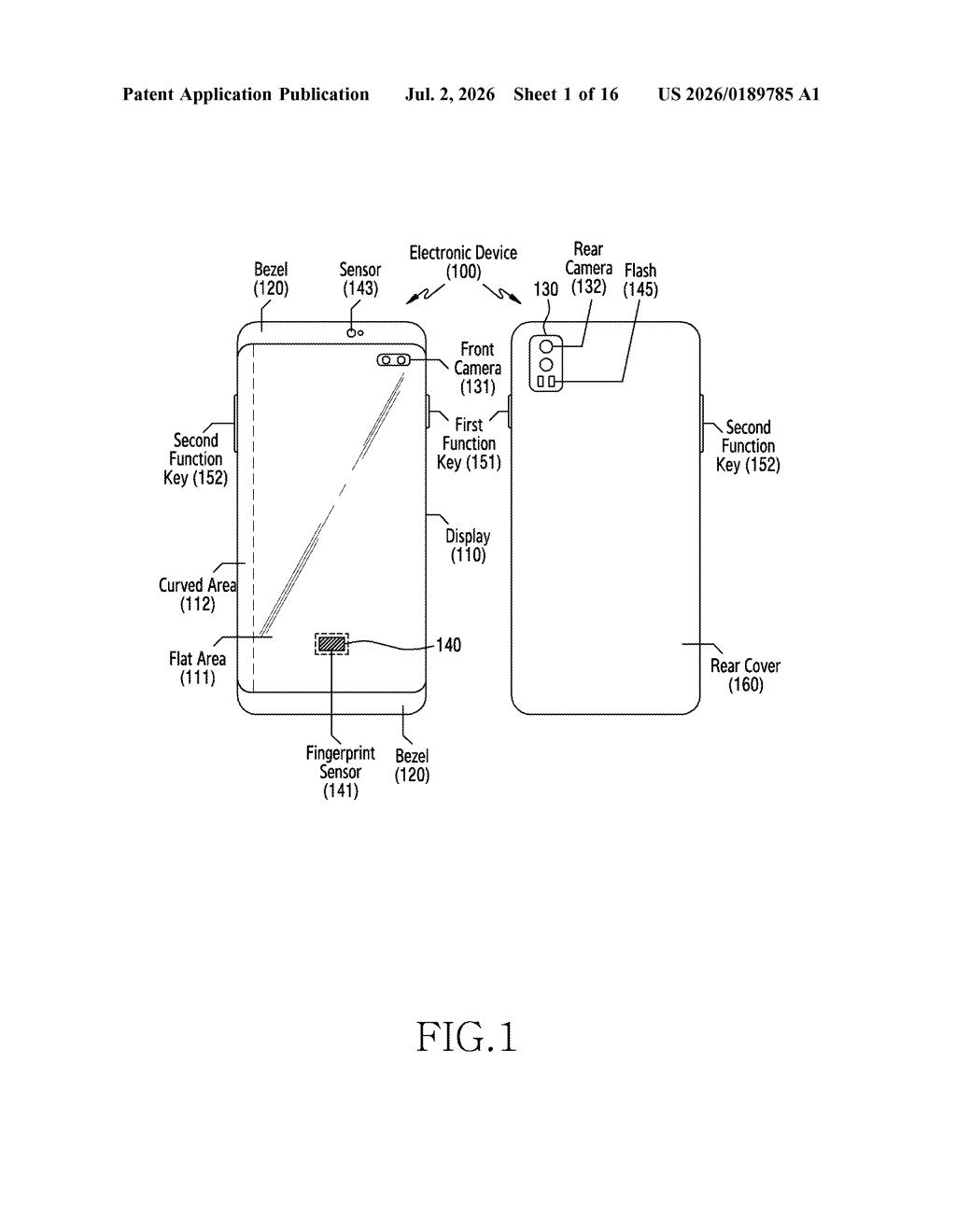
What Samsung's auto-reframe camera preview actually does
Imagine you're about to take a photo of your friend using your phone's camera. Your phone locks onto them and frames the shot nicely. Then a second friend jogs over and steps into view. Right now, most phone cameras just... leave them half-cut-out at the edge. Your job is to manually zoom out or reframe.
Samsung's patent describes a system that handles this automatically. When the camera detects a second subject entering the viewfinder, it recalculates a new framing that fits both people and adjusts the zoom level accordingly. No manual pinching or panning required.
The system also responds to your touch: if you tap or drag on the preview screen, it can change what it's focusing its framing around. So you stay in control, but the phone does the heavy lifting of keeping everyone in the shot.
How Samsung's ROI system detects and zooms to fit new subjects
The patent describes a camera-preview system that continuously tracks a region of interest (ROI), which is the portion of the camera's full field of view that the phone actually shows on screen at any given moment.
When the camera first detects a subject, it defines an ROI around that subject and displays the preview at a set zoom level (what the patent calls a first magnification). If a second subject then appears in the wider field of view, the processor calculates a new, larger ROI that contains both subjects and adjusts the zoom to fit the expanded frame (the second magnification).
- The camera continuously scans the full field of view for new objects, even while displaying a cropped preview.
- When a new subject is detected, the ROI is recalculated to encompass both the original and the new subject.
- The displayed image zooms out or shifts to match the updated ROI.
- If the user provides input (a tap or drag), the ROI changes in response, giving manual override capability.
In practical terms, the phone is running a wider sensor capture behind the scenes and only showing you a cropped window. That window dynamically resizes based on how many subjects are present.
What this means for Samsung's next phone cameras
Phone cameras already do some automatic subject tracking, but they typically lock onto one subject and stay there. A system that intelligently expands framing when new subjects appear would be a real-world fix for one of the most common photo frustrations: someone walks into your shot right as you press the shutter, and they're half out of frame.
For Samsung, this fits a broader push to make Galaxy phone cameras more automatic and less reliant on user adjustments. If this lands in a shipping product, it would be most useful in portrait and group-photo modes where framing multiple people is genuinely tricky. Whether it ships as a dedicated mode or as a background assist layer remains to be seen.
This is a focused, practical patent solving a real problem that every phone photographer has hit. It's not a headline-grabbing AI feature, but the kind of quiet camera intelligence that actually makes people take better photos day to day. Worth watching when Samsung's next Galaxy S or A-series camera software update lands.
Get our take in your Top Stories
Liked this breakdown? Add Patentlyze as a preferred source on Google, and our plain-English take shows up more often in your Top Stories the next time Samsung patent news breaks.
There are more where this came from
We read every patent application Big Tech publishes and send you the ones worth knowing. Plain English, free, every week.
Want this weekly breakdown for a company we don't cover? Patentlyze Pro →