
Apple Patents a Secure BLE Transport Discovery System for Device Pairing
Apple is working on a way for devices to securely announce themselves over Bluetooth by borrowing identity credentials from a Wi-Fi-based neighbor discovery protocol — a handshake that could make wireless pairing both faster and harder to spoof.
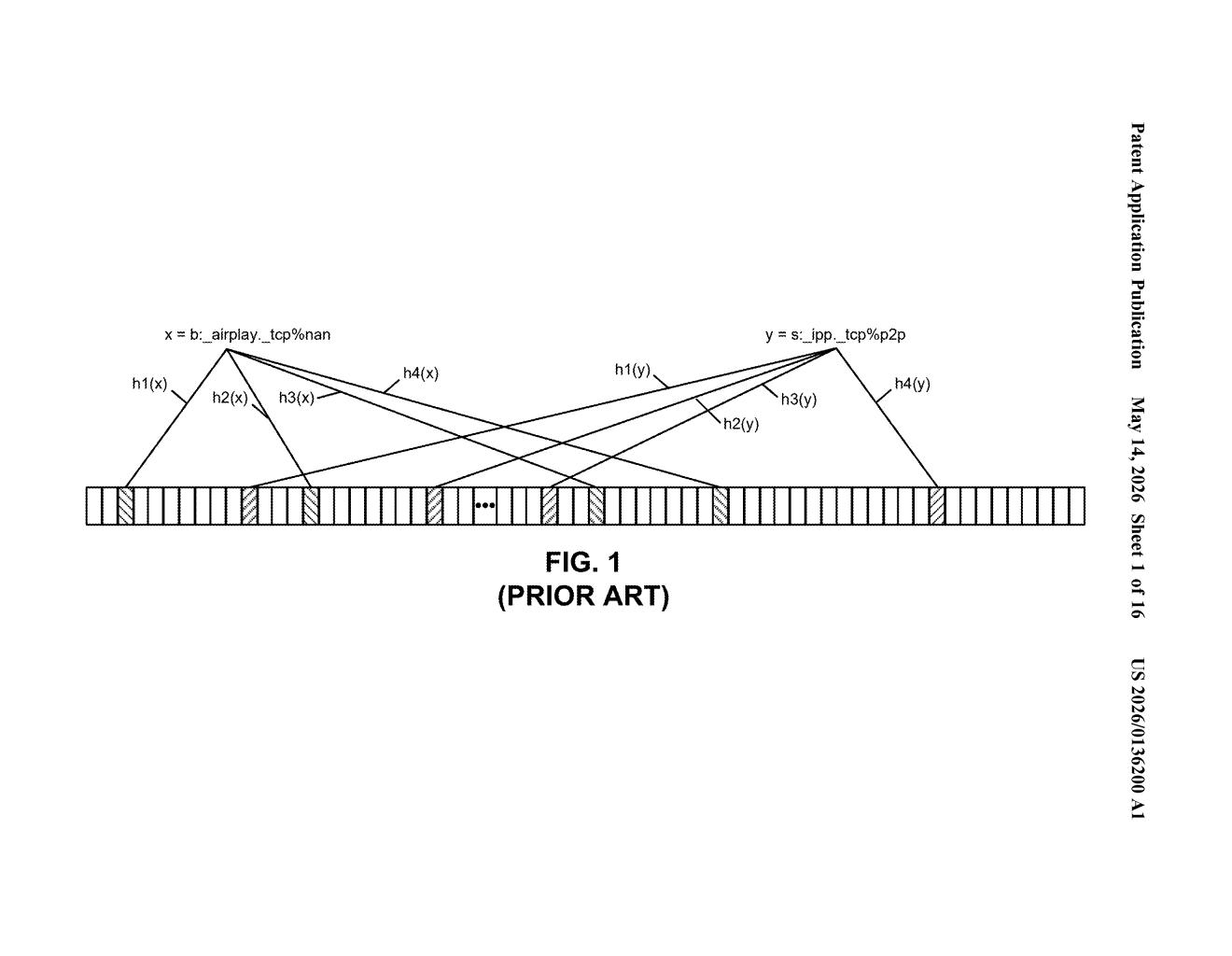
What Apple's BLE-NAN pairing handshake actually does
Imagine your iPhone and a nearby accessory trying to find each other without broadcasting who they are to every other device in the room. That's the core problem this patent addresses.
Apple's idea is to first let two devices do a Wi-Fi NAN pairing (NAN stands for Neighbor Awareness Networking — think of it as a low-power Wi-Fi 'hello' protocol). During that handshake, both devices swap secret identity keys. Once those keys are exchanged, the devices can recognize each other privately.
Then, when one device sends out a Bluetooth Low Energy discovery signal, it includes a special tag tied to those identity keys. Only the device that already knows the right key can verify the signal is legitimate. You get the range and efficiency of Bluetooth discovery, but with a layer of identity verification baked in from the Wi-Fi handshake.
How Apple ties NAN identity keys to BLE discovery frames
The patent describes a system that combines two separate wireless protocols — Wi-Fi NAN (Neighbor Awareness Networking, a low-power peer discovery mode built into Wi-Fi) and Bluetooth Low Energy (BLE) — to create a more secure device discovery flow.
During the initial NAN pairing phase, two devices exchange NAN Identity Keys (NIKs) or Trigger Identity Keys (TIKs) (cryptographic tokens that let each device confirm the other's identity later). Critically, the NAN pairing also tells the initiating device whether the other device supports BLE-triggered wake or transport switching — a capability flag that shapes what happens next.
Once that credential exchange is complete, the initiating device transmits a BLE Transport Discovery Service (TDS) frame — a standardized Bluetooth advertisement packet used to signal that a device wants to switch to or activate a different transport (like moving from BLE to Wi-Fi). Apple's twist is embedding an identity tag (Tag) inside that TDS frame that is cryptographically linked to the NIK or TIK already shared during NAN pairing.
- The identity tag ties the BLE advertisement to the verified NAN identity
- The receiving device can validate the tag before responding
- This prevents unknown third-party devices from spoofing or intercepting the discovery signal
What this means for Apple's device-to-device connectivity stack
Device-to-device wireless handoffs are notoriously messy — Bluetooth and Wi-Fi often operate as separate silos, and secure, seamless switching between them is an unsolved UX problem across the industry. Apple's approach of using NAN's identity layer as a trust anchor for BLE discovery is a tidy architectural move that could tighten up how iPhones, Macs, HomePods, and accessories bootstrap connections with each other.
From a security standpoint, baking cryptographic identity into the BLE advertisement itself is meaningful: it raises the bar against passive eavesdroppers or rogue devices trying to intercept or mimic discovery signals. If this makes it into a shipping OS, you'd likely notice it as faster, more reliable pairing — the underlying machinery would just quietly be doing more verification work.
This is solid, unflashy infrastructure work — the kind that never gets a keynote slide but quietly determines whether your AirPods reconnect in two seconds or ten. The NAN-plus-BLE identity layering is a genuinely sensible design choice, and the security angle (identity tags tied to pre-shared keys) is more considered than most basic pairing patents. Worth tracking if you care about Apple's wireless ecosystem coherence.
There are more where this came from
We read every patent application Big Tech publishes and send you the ones worth knowing. Plain English, free, every week.
Want this weekly breakdown for a company we don't cover? Patentlyze Pro →