
IBM Patents a Tutorial Video System That Checks If You Actually Did the Step
Most tutorial videos just play and hope for the best. IBM is patenting a system that pauses, watches you work, and confirms you got each step right before moving on.
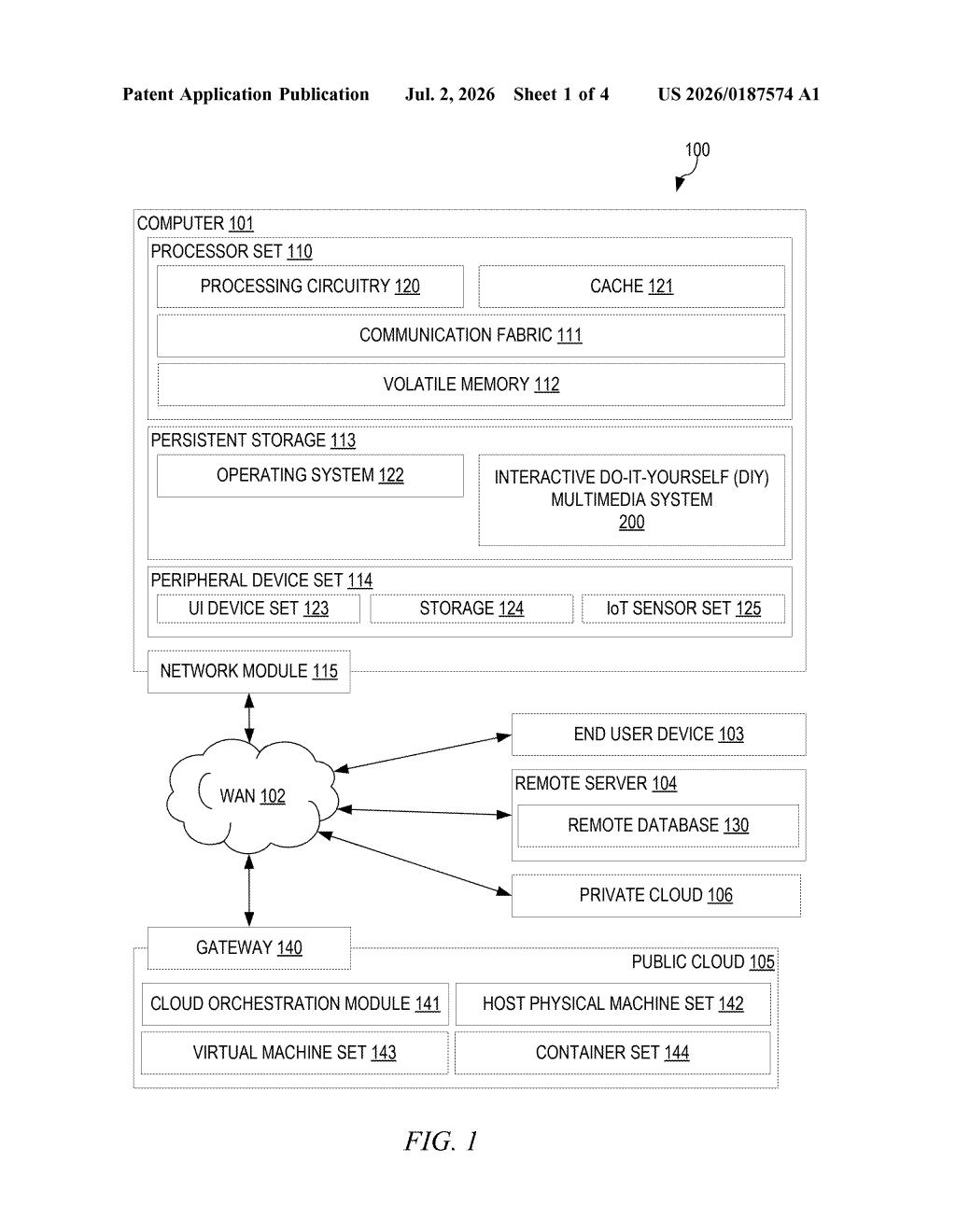
What IBM's sensor-checked tutorial system actually does
Imagine following a YouTube tutorial to fix a leaky pipe. The video plays, you sort of follow along, and by the end you're not sure if you did step three correctly. IBM's patent describes a system designed to fix exactly that problem.
The idea is to break a how-to video into chunks, one chunk per step. Each chunk knows which sensors or monitoring devices should watch you complete that step, and what "done correctly" looks like. Before the video moves to the next step, those sensors check your work.
Think of it like a driving instructor who doesn't just show you a diagram of parallel parking but watches you do it and only lets you move on when you've actually pulled it off. The patent covers the whole pipeline: splitting the video, tagging each piece with the right monitoring rules, and storing the result so any user who watches it gets the guided, verified experience.
How the video segments talk to your monitoring devices
The patent describes a method for converting an ordinary instructional video into what IBM calls interactive multimedia content. The process works in several stages:
- Segmentation: An incoming tutorial video is split into discrete segments, each mapped to one sub-task (for example, "tighten the bolt" or "apply primer").
- Device mapping: For each segment, the system identifies which monitoring devices (a camera, a motion sensor, a smart tool, etc.) should observe the user during that sub-task.
- Verification criteria: Each segment also gets a set of pass/fail rules, meaning a definition of what successful completion looks like to those sensors.
- Metadata embedding: The device IDs and verification rules are written directly into the video segment's metadata, so the playback system knows what to check without needing a separate configuration file.
The finished, annotated video is stored in a repository. When a user watches it, the playback environment reads the embedded metadata, activates the right sensors at the right moment, and evaluates whether the user has completed each step before advancing.
The claim is broad enough to cover many sensor types and many kinds of tasks, from physical assembly work to cooking to medical procedures.
What this means for training and DIY content platforms
Right now, corporate training and certification programs spend a lot of money on in-person instructors whose main job is watching people do things and confirming they did them right. A system like this could shift some of that verification to software, which is cheaper to scale and doesn't get tired. IBM's enterprise customer base makes that the obvious first market.
For everyday consumers, the more interesting angle is liability and quality assurance. A home-improvement retailer, for example, could distribute verified DIY tutorials that actually confirm you installed the water heater correctly before you turn it on. Whether this ever reaches a consumer app depends on how broadly the sensors need to be deployed, but the underlying idea, making tutorial videos interactive rather than passive, is a genuinely useful direction.
This is a real problem worth solving: passive video tutorials are a weak way to teach anything that requires physical skill. IBM's approach of embedding verification logic directly into video metadata is tidy engineering. That said, this patent is more of a system architecture claim than a finished product, and the hard work is in making the sensor layer actually work across varied real-world environments.
There are more where this came from
We read every patent application Big Tech publishes and send you the ones worth knowing. Plain English, free, every week.
Want this weekly breakdown for a company we don't cover? Patentlyze Pro →
Be the first to weigh in