
Google Patent Teaches AI to Detect Sounds From a Single Audio Example
Most audio AI systems need thousands of labeled recordings to learn a new sound. Google's latest patent describes a system that can learn to detect a sound from just one clip, and then decide whether it's listening for that exact sound or an entire category of similar sounds.
What Google's one-shot sound detector actually does
Imagine you want your phone to alert you every time a specific baby's cry starts, or every time a smoke alarm goes off anywhere in your home. Today, teaching an AI to recognize a brand-new sound reliably is genuinely hard: it typically requires collecting and labeling hundreds or thousands of examples. Most consumer devices ship with a fixed list of sounds they can detect and nothing else.
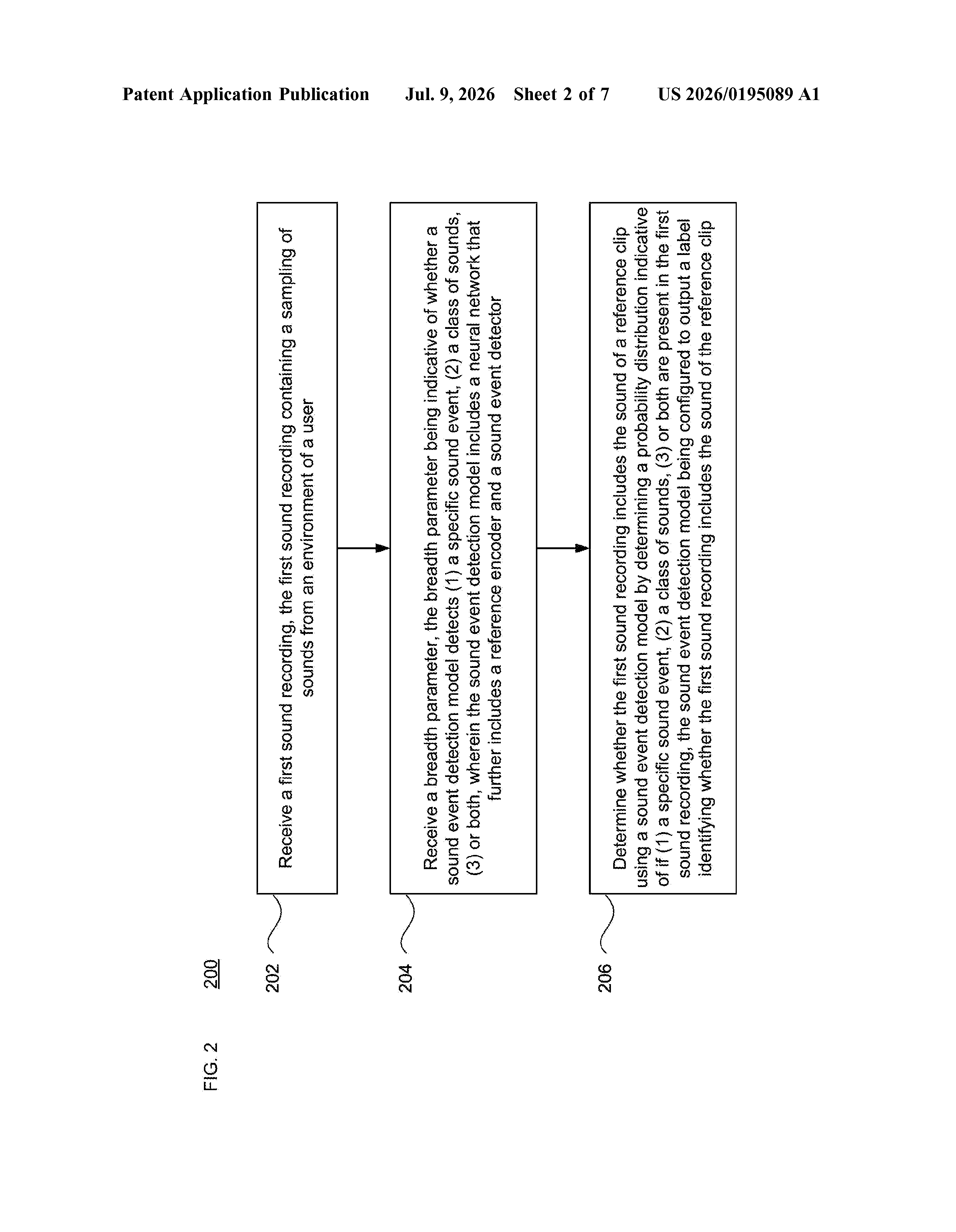
Google's patent describes an AI model that you can give a single reference recording, essentially saying "listen for something like this," and the model figures out whether to watch for that exact audio moment or any sound in the same general family. A single dog-bark clip could teach it to detect that specific bark or all dog barks depending on how you configure it.
The same model handles both jobs without retraining from scratch each time, which is the real trick here. That flexibility could make "teach your device a new sound" feel less like a software project and more like dropping a voice memo.
How the reference encoder and detector train together
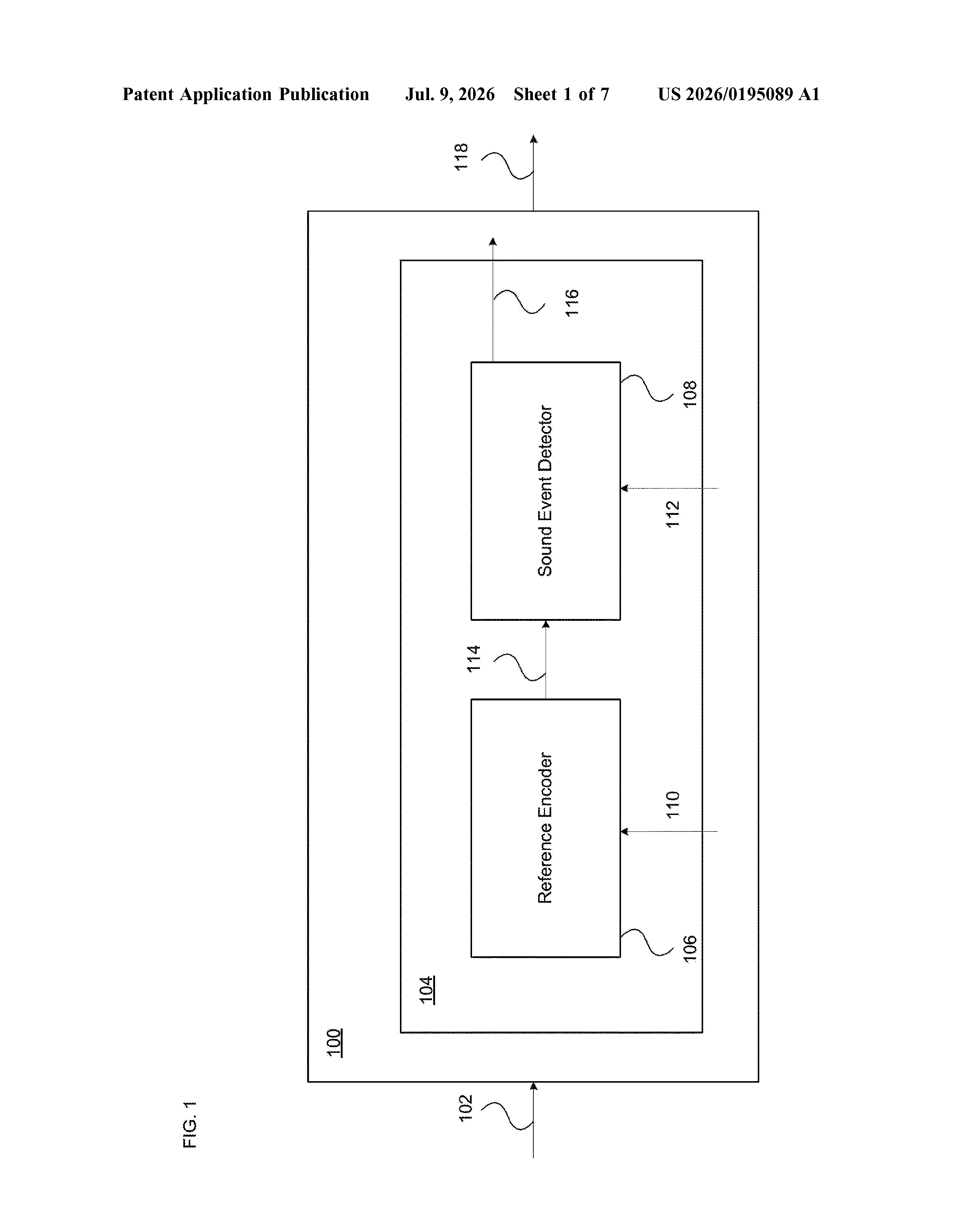
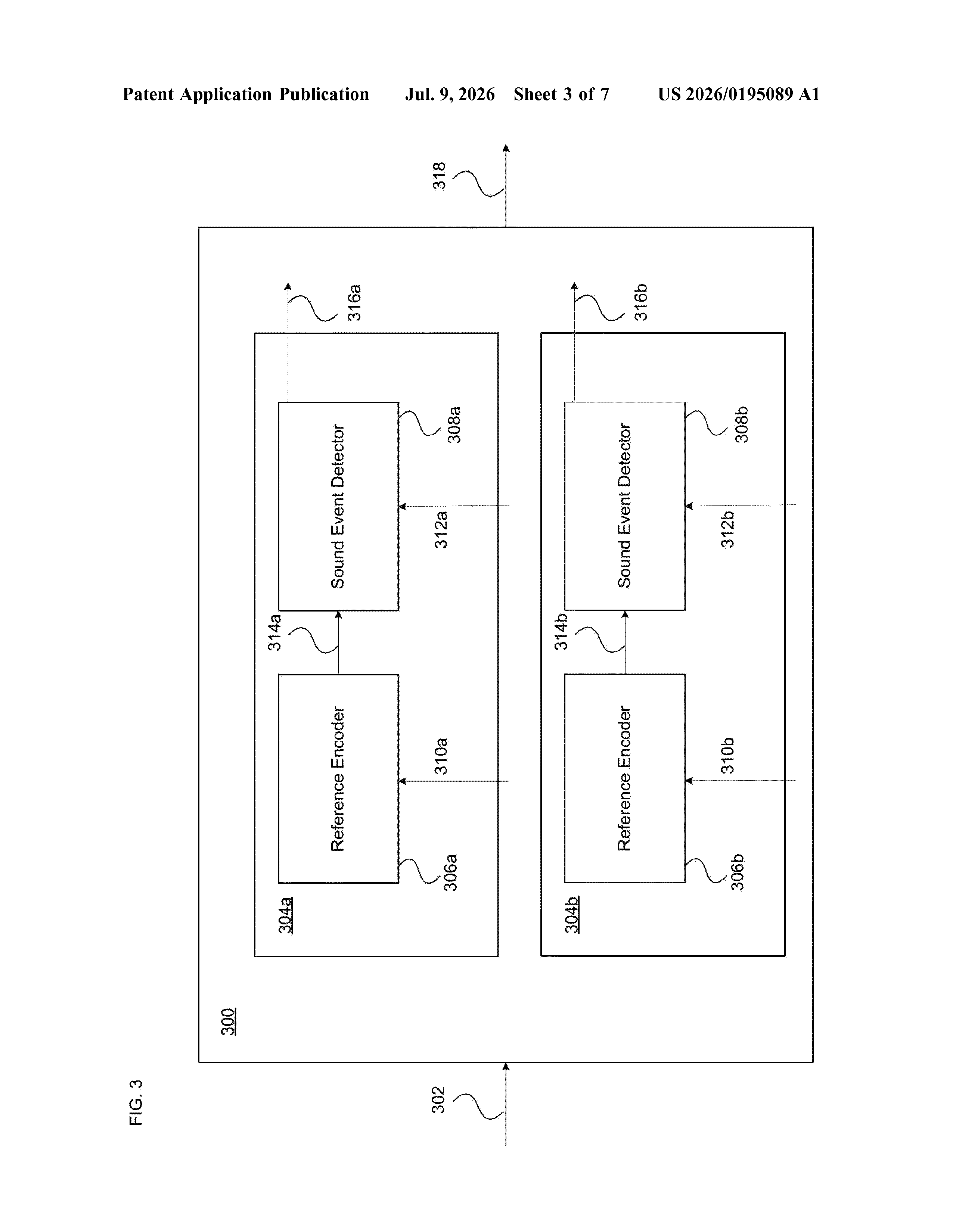
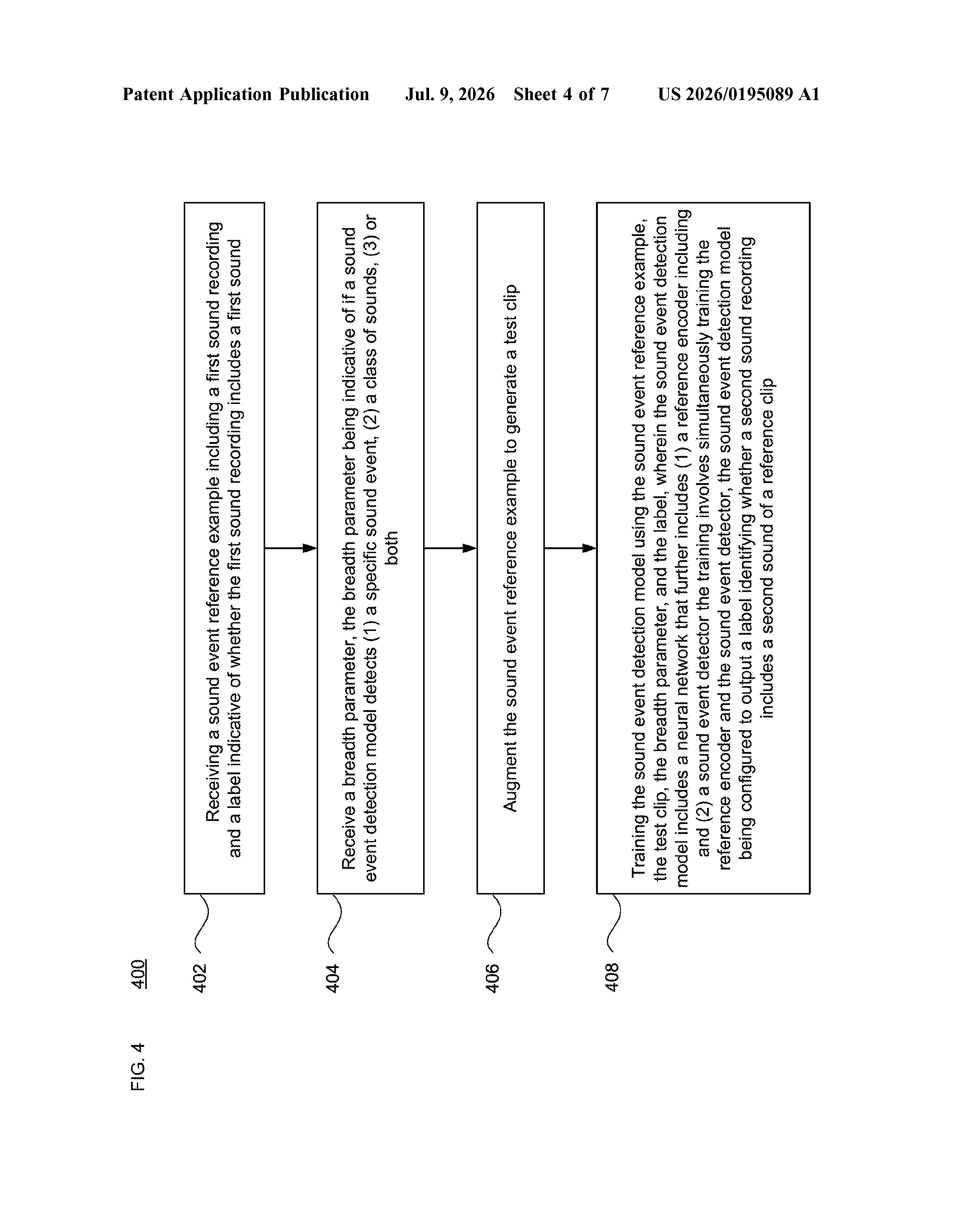
The system trains a single sound event detection model that accepts two inputs at inference time: a short reference clip (the sound you want to find) and a breadth parameter that tells the model how strictly to match.
- Reference encoder: A neural network layer that processes the reference clip and converts it into a compact fingerprint representing the target sound.
- Sound event detector: A second network that compares an incoming audio stream against that fingerprint and outputs a yes/no label indicating whether the target sound is present.
- Breadth parameter: A dial, essentially, that shifts the model between detecting one very specific sound event (this exact glass-break recording) and detecting a broader sound category (any glass break).
During training, the model is fed labeled reference examples plus augmented versions of those clips (think: the same sound with added background noise or at different volumes, called a test clip) so it learns to generalize without being fooled by minor acoustic differences. The reference encoder and detector are trained simultaneously, which means each part learns to cooperate with the other rather than being optimized separately and then stitched together.
What this means for smart home and accessibility tech
For anyone building smart home devices, hearing-accessibility tools, or industrial safety monitors, the expensive part has always been collecting enough audio data to train a detector for each new sound type. A model that can adapt to a new target sound from a single example, and that can be told how broadly to listen, would cut that cost dramatically.
Google's existing products like Nest smart speakers and Android's Sound Notifications feature for deaf and hard-of-hearing users are the most obvious places this could land. A more flexible sound detector would let those products recognize your specific devices and environments rather than a fixed library chosen at the factory.
This is genuinely useful work in a quiet corner of AI research: few-shot audio detection is a real bottleneck for accessibility and smart home products. The breadth parameter is the clever part, letting one model serve both highly specific detection tasks and broad category searches without separate training runs. Whether it makes it into a consumer product depends on whether the accuracy holds up at scale, but the research direction is clearly practical rather than theoretical.
Get our take in your Top Stories
Liked this breakdown? Add Patentlyze as a preferred source on Google, and our plain-English take shows up more often in your Top Stories the next time Google patent news breaks.
There are more where this came from
We read every patent application Big Tech publishes and send you the ones worth knowing. Plain English, free, every week.
The drawings
7 drawing sheets from US 2026/0195089 A1 · click any drawing to enlarge
Want this weekly breakdown for a company we don't cover? Patentlyze Pro →