
Google Patent Turns QR Codes Into Lightweight Apps Using On-Device AI
Point your phone at a QR code and an AI on your device builds a small app for you, no app store required. That is the core idea behind a new Google patent.
What Google's scan-to-app idea actually does
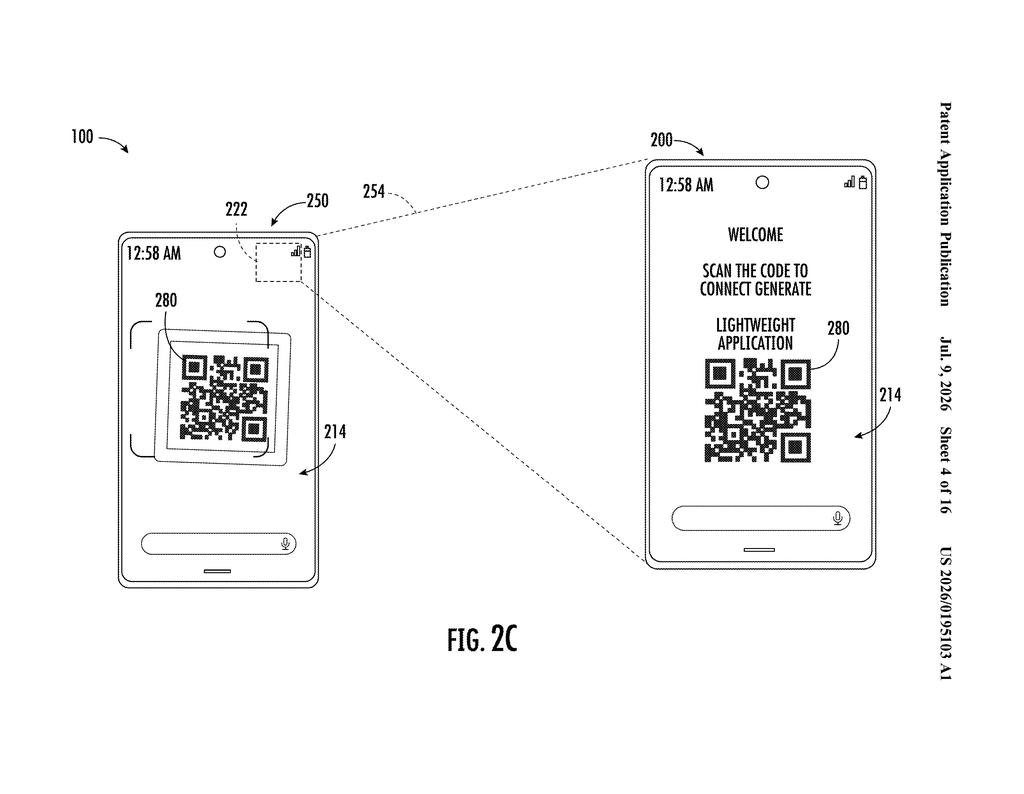
Imagine you walk up to a concert ticket machine, scan a QR code on the wall, and instead of opening a website, your phone builds a tiny custom app right there. No download, no installation, no waiting. That is essentially what Google is patenting here.
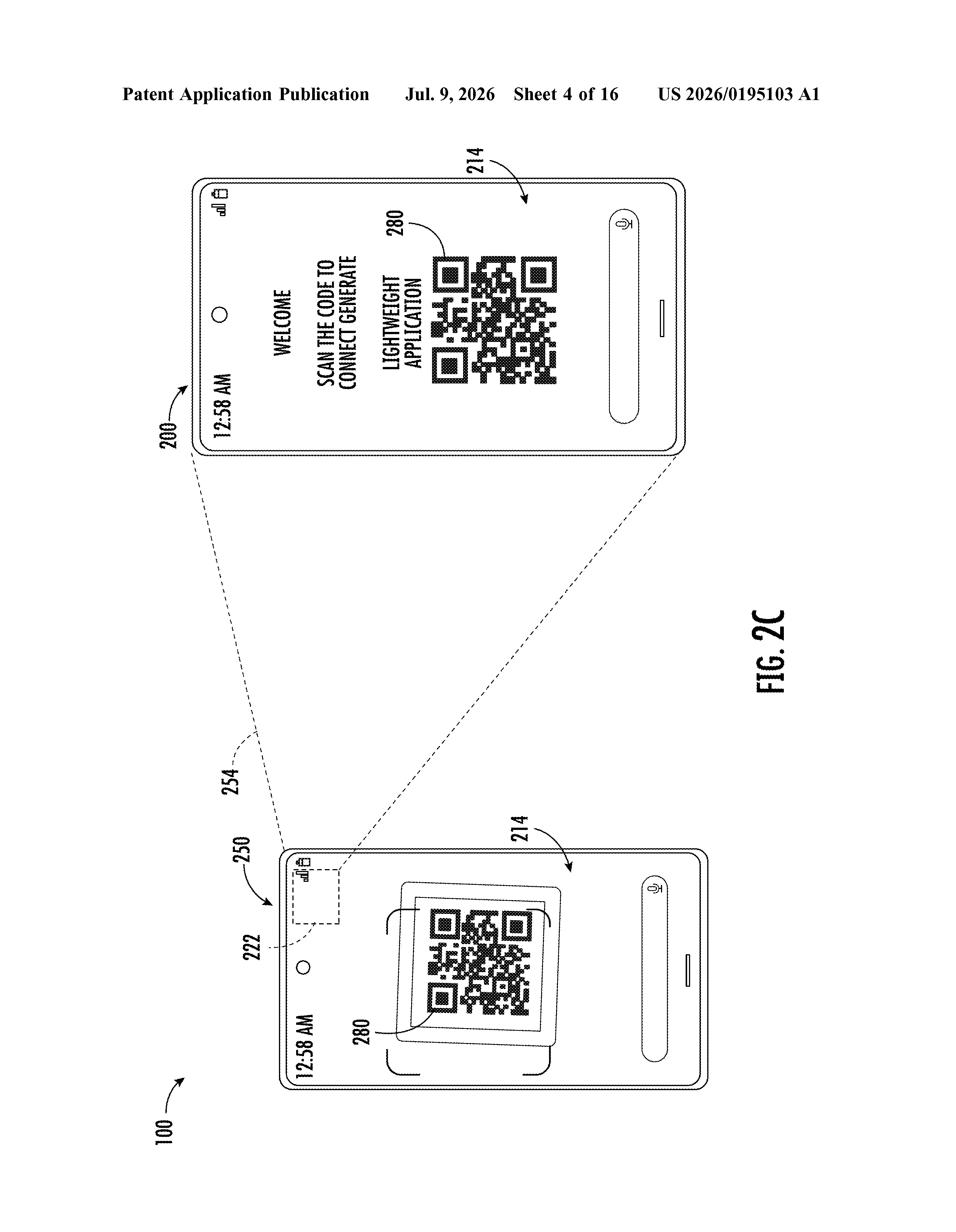
The QR code (or any scannable machine-readable code) carries a hidden instruction inside it. When your phone reads that code, it passes the instruction to a small AI model already living on your device. That AI writes a bit of software on the fly, and your phone turns it into a working mini app.
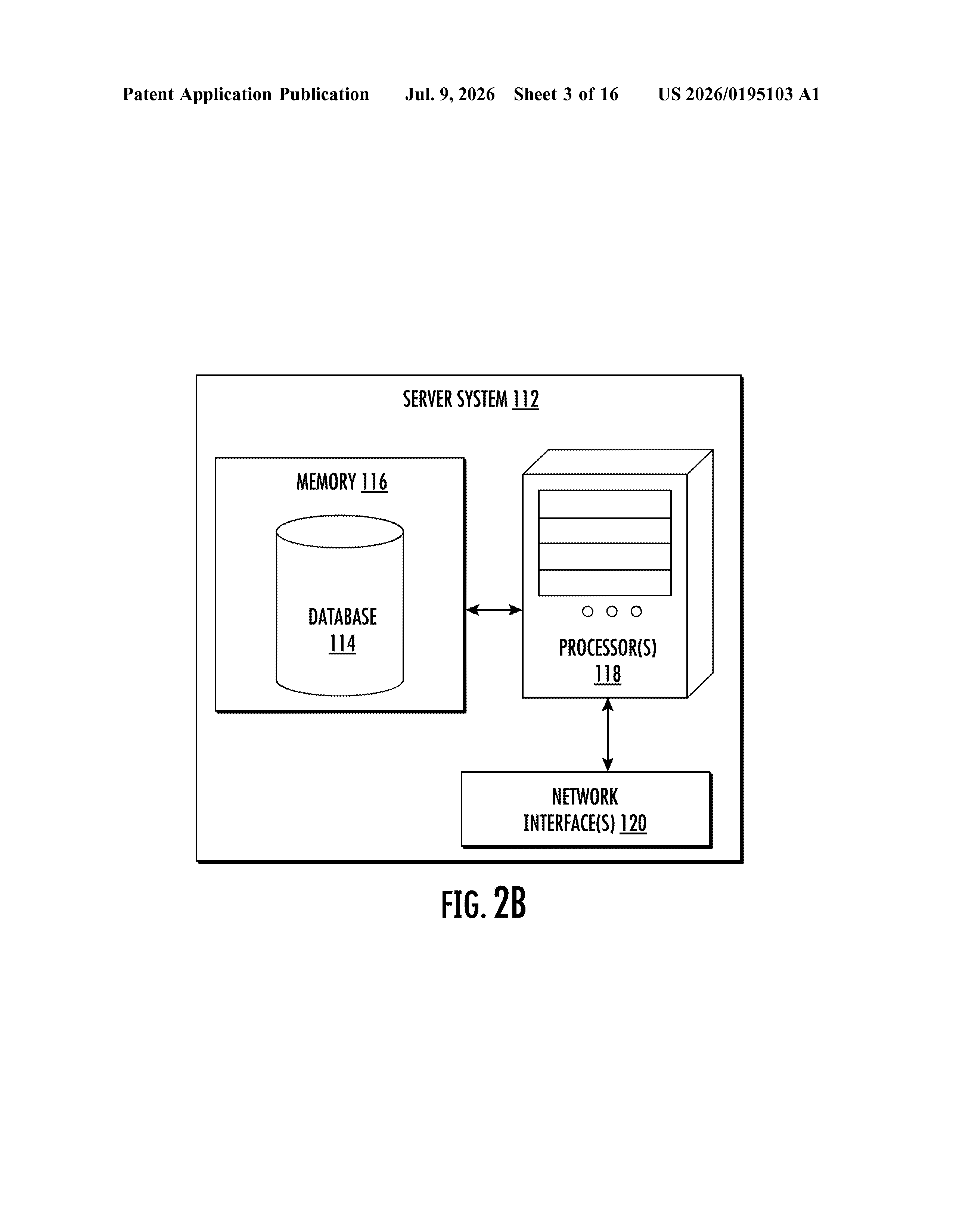
The key detail is that the AI model runs on your phone, not on a remote server. That means the whole thing can work without an internet connection once the code is scanned. Google calls the result a "lightweight application," which basically means a simple, single-purpose tool built for that exact moment.
How the QR code carries a prompt to the AI model
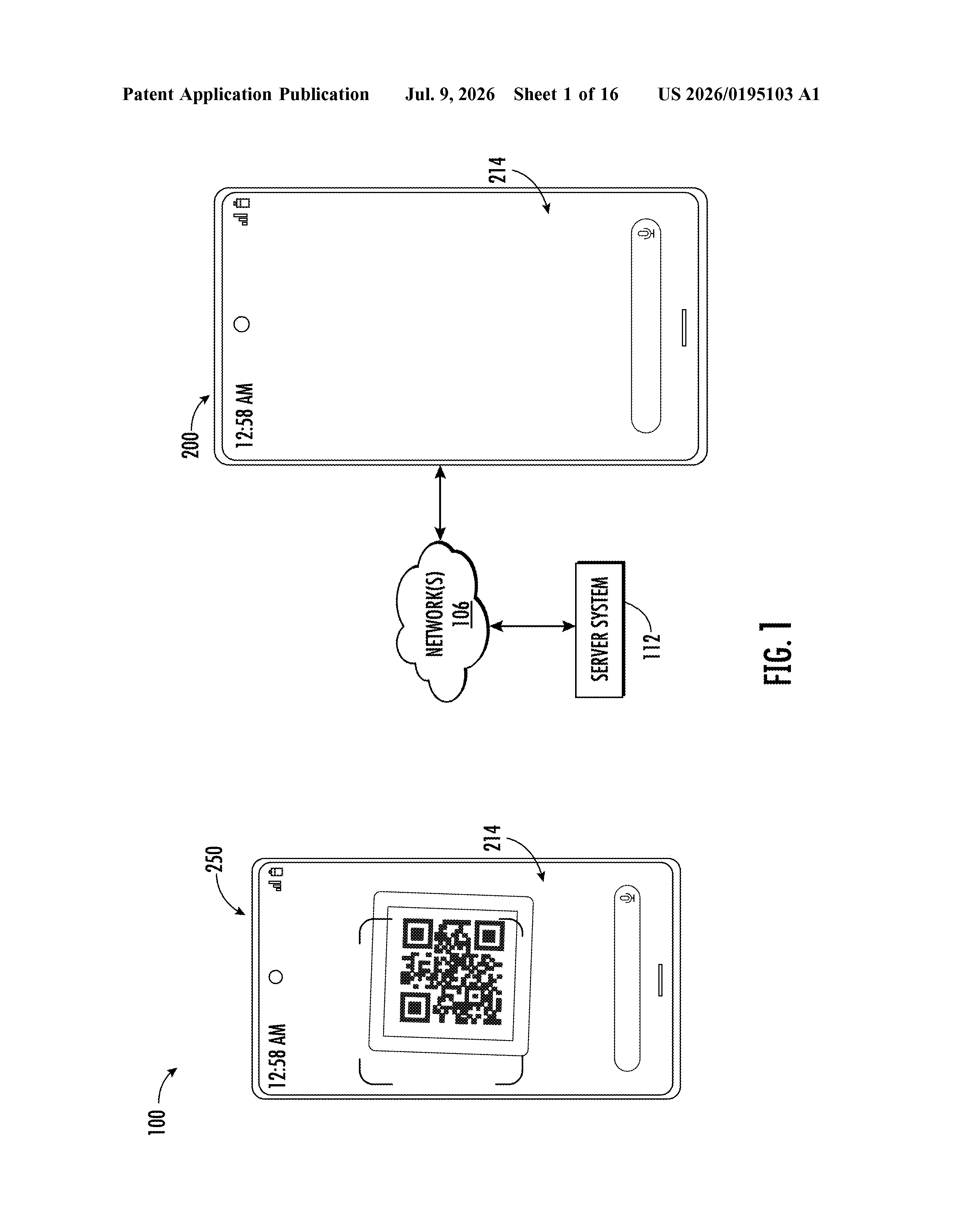
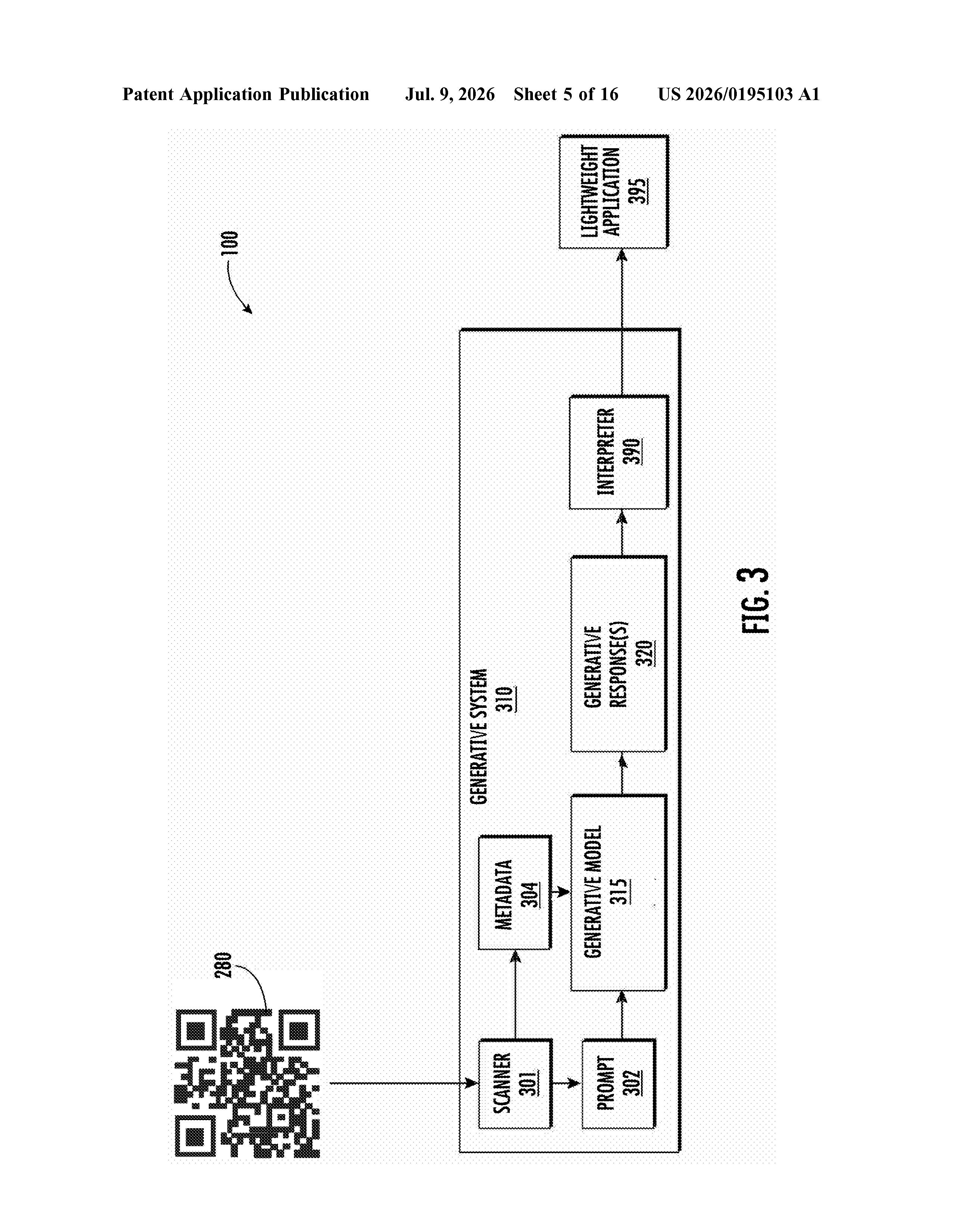
The system involves two computing devices working together. A second computing system (say, a sign, a poster, or a point-of-sale terminal) generates a machine-readable encoding, think QR code or similar, that has a hidden prompt baked into it. The prompt is a text instruction written in a way that an AI model understands.
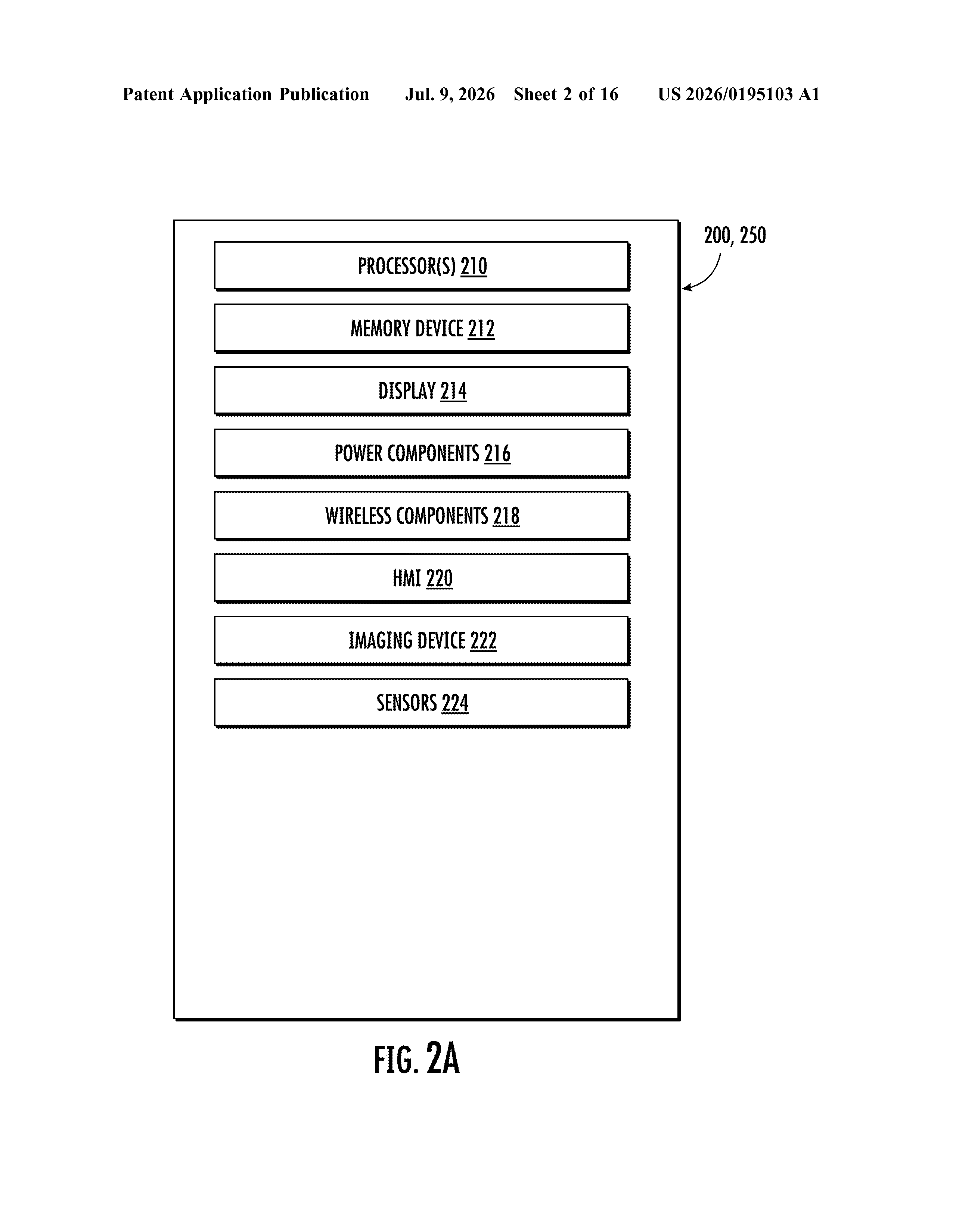
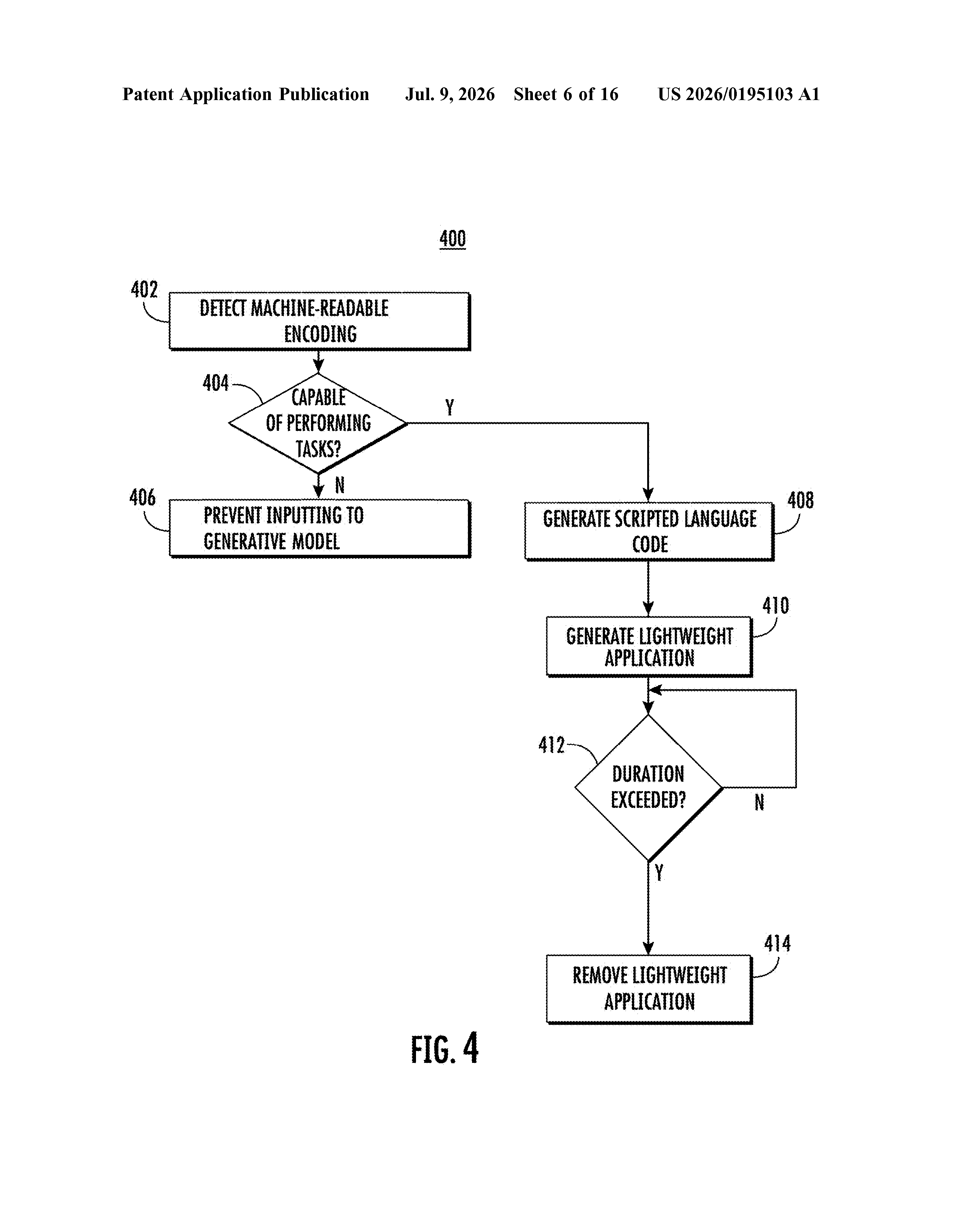
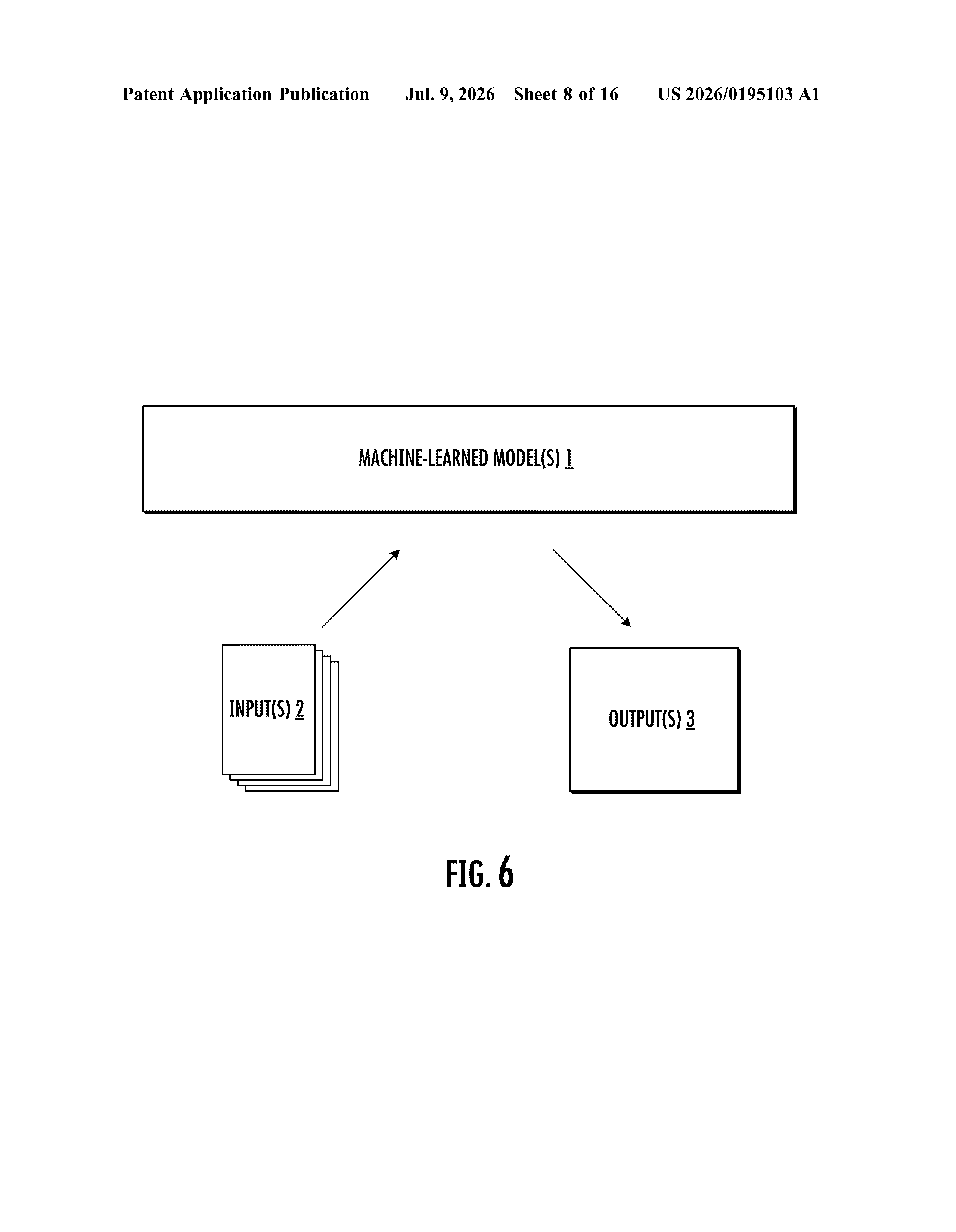
The first computing system (your phone or tablet) scans that encoding and extracts the embedded prompt. It then feeds the prompt into a generative model (an AI text generator, similar in spirit to the models behind ChatGPT but stored locally on the device) that produces scripted language code, meaning lightweight executable instructions, as its output.
That generated code is then assembled into a lightweight application, a small, purpose-built mini app that runs immediately. Because the generative model lives on-device rather than in the cloud, the whole pipeline can run:
- Offline, without a network connection
- Quickly, because there is no round-trip to a server
- Privately, because the prompt never leaves the device
The patent does not specify which scripting language or which generative model, so the architecture appears designed to be flexible across different implementations.
What this means for apps you never had to install
The no-install app problem has been a long-running frustration for businesses and users alike. QR codes that open mobile websites are clunky; Progressive Web Apps require a browser; native apps require a store download. Google's approach sidesteps all of that by generating a bespoke experience at scan time, tailored to exactly what the code asks for.
For you as a user, the practical upside is instant, disposable utility: scan a restaurant table's code and get a fully functional ordering interface, then it disappears when you leave. For Google, the strategic angle is clear: on-device AI becomes the engine for a new category of micro-software, and Android devices with capable local models become the platform.
This is a genuinely interesting use case for on-device AI, and it is more concrete than most 'AI on your phone' patents. The hard part Google does not address in the claim is trust: a QR code that generates and runs arbitrary code on your device is also a security researcher's nightmare. Whether Google solves that problem in implementation will determine if this ever ships as a real feature.
Get our take in your Top Stories
Liked this breakdown? Add Patentlyze as a preferred source on Google, and our plain-English take shows up more often in your Top Stories the next time Google patent news breaks.
There are more where this came from
We read every patent application Big Tech publishes and send you the ones worth knowing. Plain English, free, every week.
The drawings
16 drawing sheets from US 2026/0195103 A1 · click any drawing to enlarge
Want this weekly breakdown for a company we don't cover? Patentlyze Pro →