
Tesla Patents a Locking Foot That Snaps Solar Roof Tiles Together
Tesla's Solar Roof tiles are known for being expensive and tricky to install. A newly published patent suggests the company is rethinking a basic mechanical piece that could make putting them together faster and cheaper.
What Tesla's solar tile foot actually does to your roof
Imagine snapping together a set of interlocking floor tiles where each piece clicks into the one below it without needing nails or glue. Tesla's new patent describes something similar for solar roof tiles.
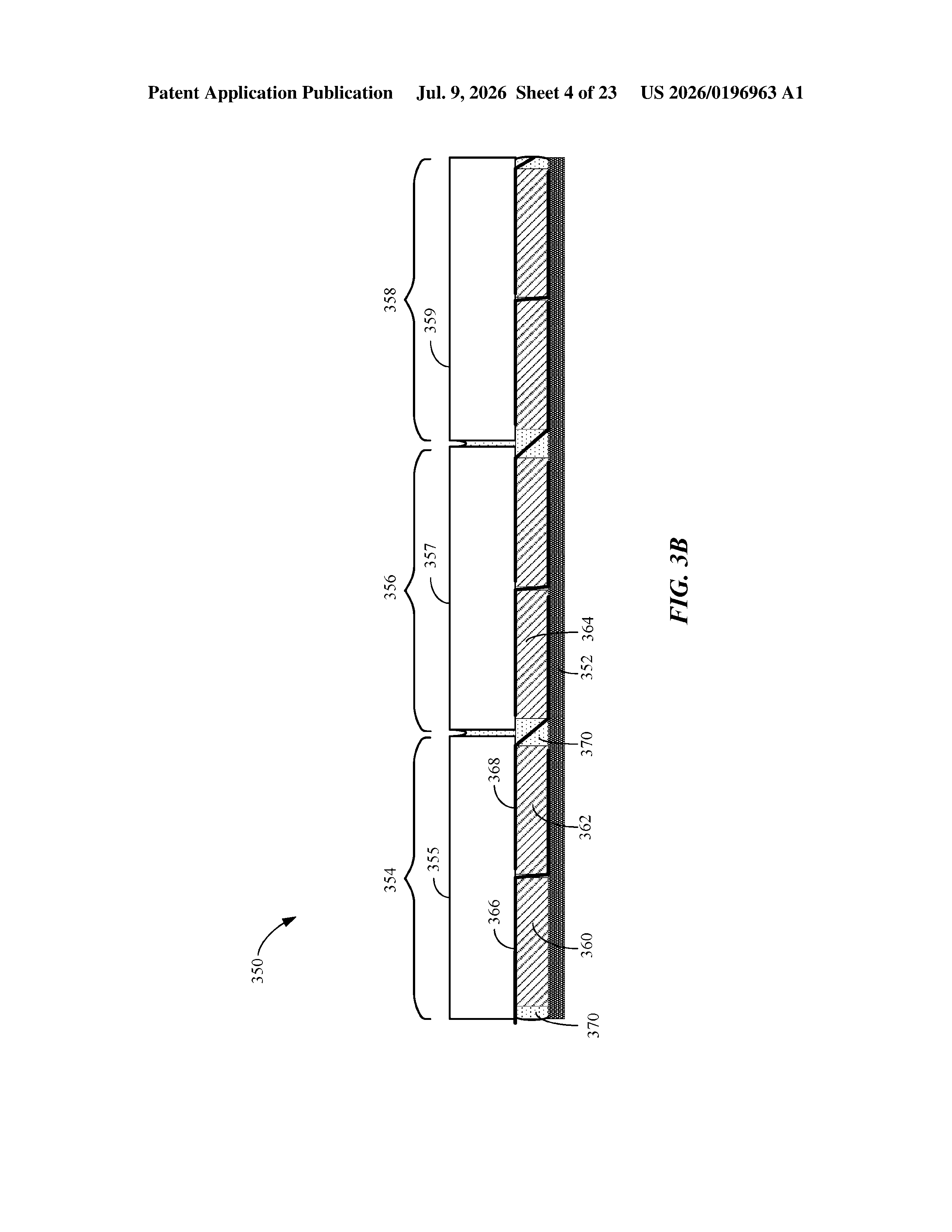
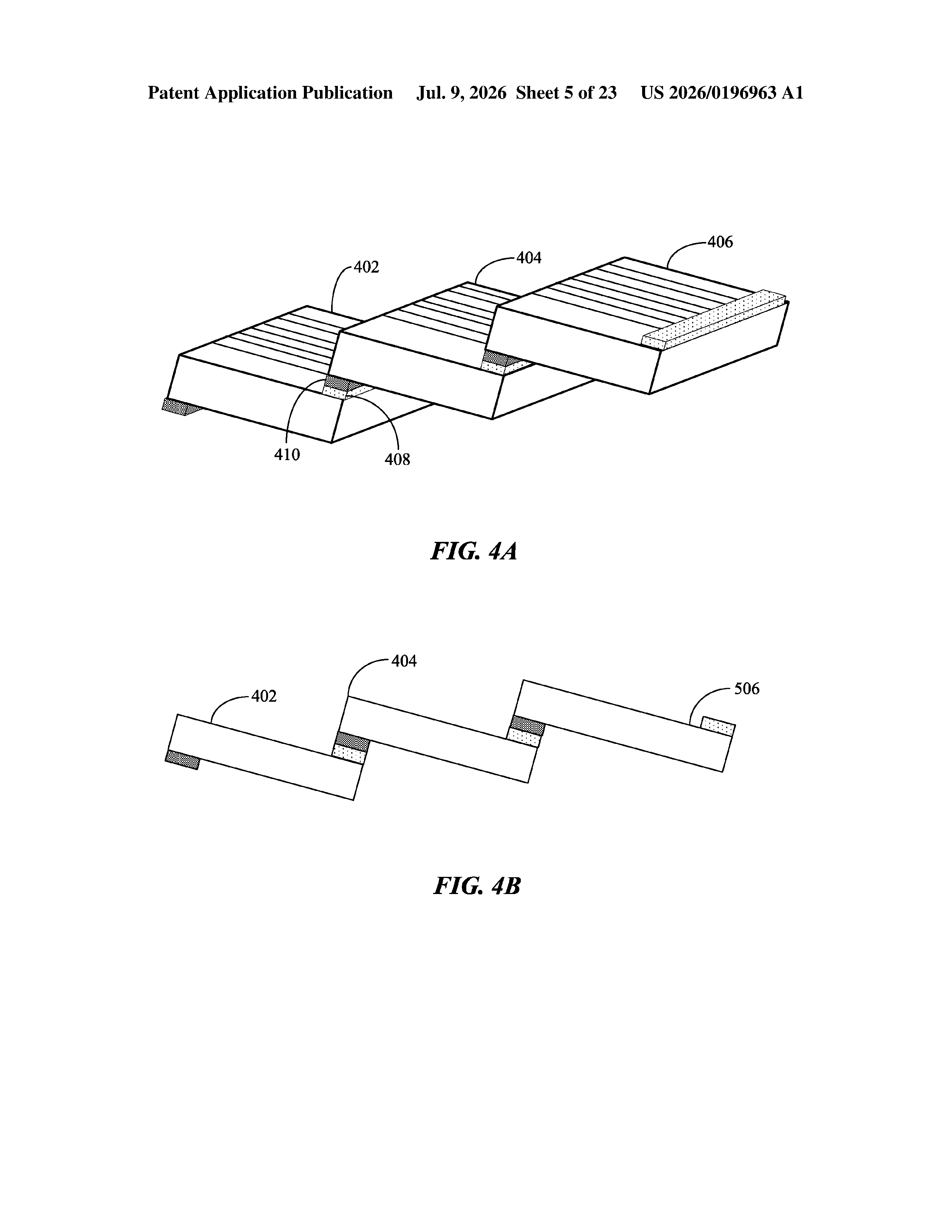
The idea is a plastic or stamped-metal "foot" attached to the underside of each roofing tile. That foot has built-in hooks and curved guides so that when you slide a tile into place, it locks onto the tile below it automatically. The curved guides act like a funnel, steering the tile's edge into the right slot so it seats correctly.
The foot also lifts each tile a fixed height above the roof deck, which means installers don't have to nail down long wooden strips (called battens) before laying the tiles. That's one fewer step on a job that already has a lot of them. Tesla also describes a non-solar version of the same tile that can be cut down to fill awkward gaps at the edges of a roof.
How the foot clips, aligns, and lifts each tile
The patent covers a foot, a bracket-like component bonded to the underside of a Tesla Solar Roof tile. It has three main jobs.
- Locking: A "coupling assembly" at one end of the foot holds retaining features (hooks or slots) that grip the upper edge of the tile sitting just down-slope. This prevents wind from lifting tiles that are higher up the roof.
- Self-aligning: Between those hooks are curved guiding surfaces that act like a funnel. As an installer slides a tile into position, the curves steer the tile's tabs into the correct slots without fiddly manual adjustment.
- Standoff: A raised section near the opposite end of the foot holds the tile a fixed distance above the roof deck. This gap lets air circulate and removes the need for separate wooden batten strips that normally have to be nailed down first.
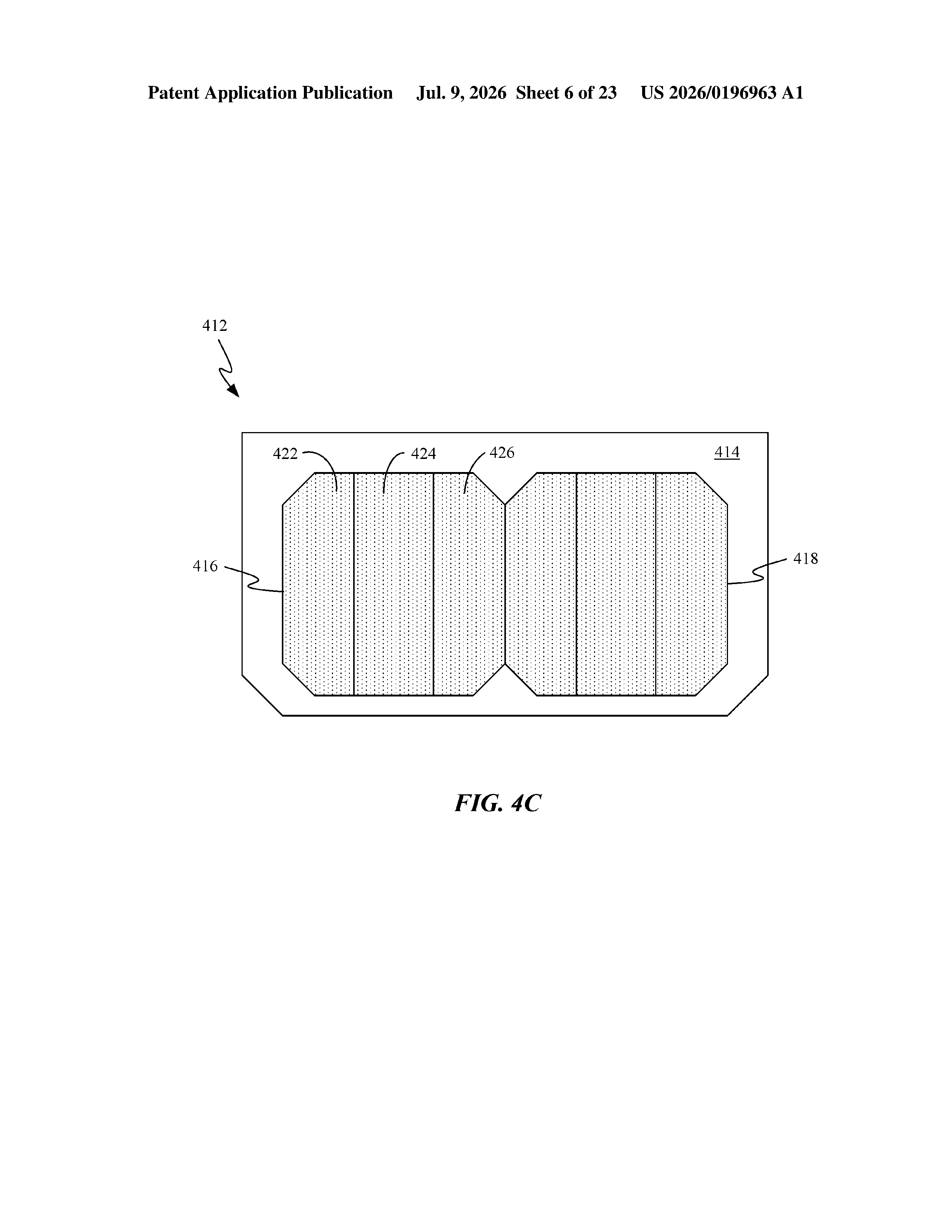
The foot can be made from polymer, stamped metal, or a mix of both, which gives Tesla manufacturing flexibility. The patent also covers a matching non-solar tile (for areas of the roof that don't need power generation) designed so it can be scored and snapped into smaller pieces to fit tight spots near chimneys or roof edges.
What this means for Tesla Solar Roof installation costs
Installation labor is one of the biggest cost drivers for Tesla's Solar Roof product. Any change that reduces the number of separate components an installer has to place or fasten before laying tiles can meaningfully cut the time (and therefore the price) of a full-roof job. Eliminating battens is not a tiny detail: laying those wooden strips across an entire roof is a real step that adds hours to a project.
For you as a potential buyer, a faster installation means lower labor quotes and possibly fewer days with workers on your roof. The self-aligning guides also reduce the skill level required for each step, which could help Tesla or its certified installers work more quickly. Whether this specific foot design makes it into production is unclear, but it shows Tesla is still actively engineering the installation process, not just the solar cells themselves.
This is unglamorous but sensible engineering work. Tesla's Solar Roof has faced persistent criticism for high installation costs, and a mounting foot that removes even one step from the process is exactly the kind of incremental fix that makes a product more commercially viable. It won't generate headlines, but it's the sort of thing that actually moves the needle on unit economics.
Get our take in your Top Stories
Liked this breakdown? Add Patentlyze as a preferred source on Google, and our plain-English take shows up more often in your Top Stories the next time Tesla patent news breaks.
There are more where this came from
We read every patent application Big Tech publishes and send you the ones worth knowing. Plain English, free, every week.
The drawings
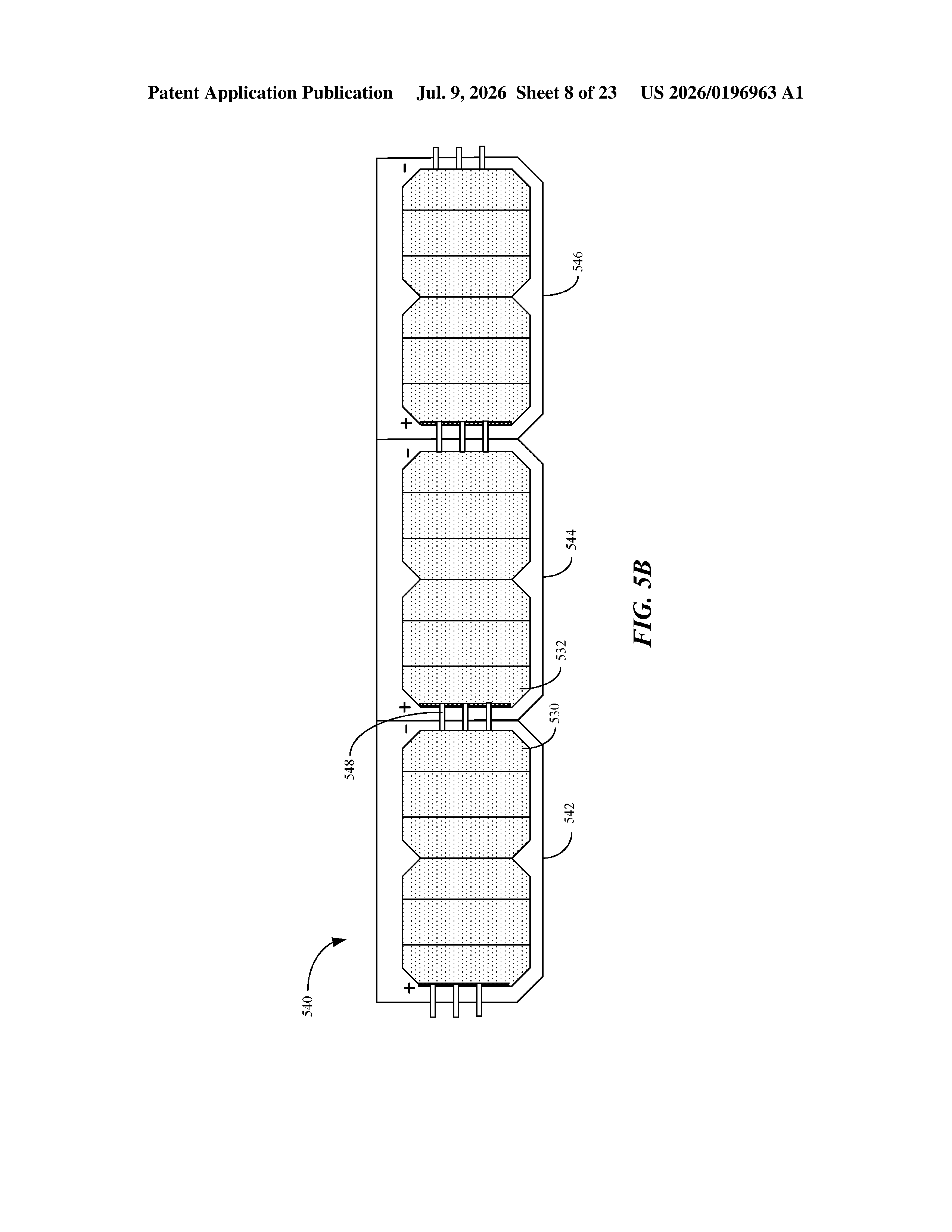
23 drawing sheets from US 2026/0196963 A1 · click any drawing to enlarge
Want this weekly breakdown for a company we don't cover? Patentlyze Pro →