
IBM Patents an AI Chatbot That Flags Its Own Uncertain Answers Before Trying Again
Most AI chatbots give you one answer and move on, even when that answer rests on assumptions you never confirmed. IBM is patenting a system that makes the chatbot stop, highlight those assumptions, and ask you to verify them before it tries again.
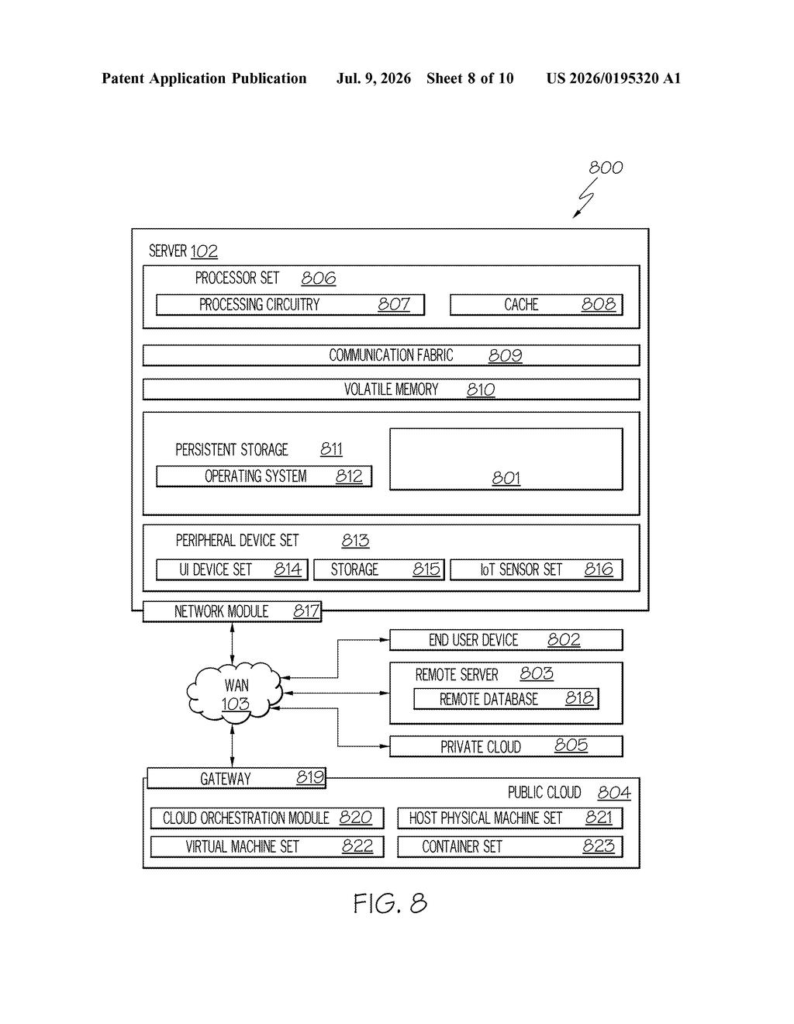
How IBM's self-correcting chatbot loop works
Imagine you ask an AI assistant: "What's the best way to handle a product return?" The bot gives you a long answer, but buried inside are details that only apply if the product is still under warranty, if the customer bought it in-store, and if it's within 30 days. If none of those match your situation, the whole answer is wrong.
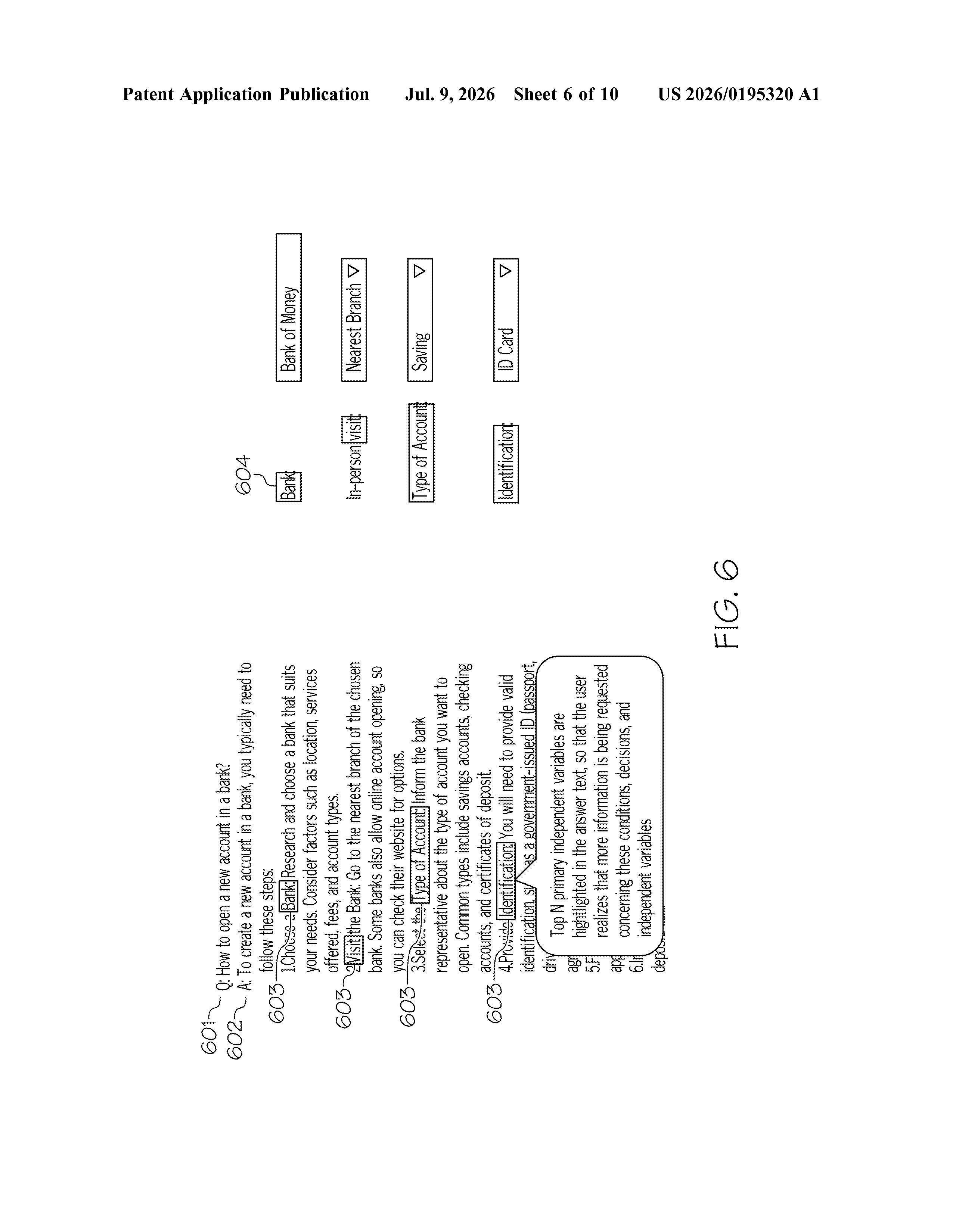
IBM's patent describes a chatbot that automatically spots those kinds of hidden conditions and highlights them directly inside its own answer. You then click or confirm which ones apply to your situation, and the chatbot uses your feedback to build a better, more specific follow-up question, then generates a new answer tailored to what you actually need.
This back-and-forth continues until the answer no longer contains a significant number of unresolved assumptions. Think of it like a doctor asking follow-up questions instead of just handing you a pamphlet.
How the system extracts conditions and rebuilds the query
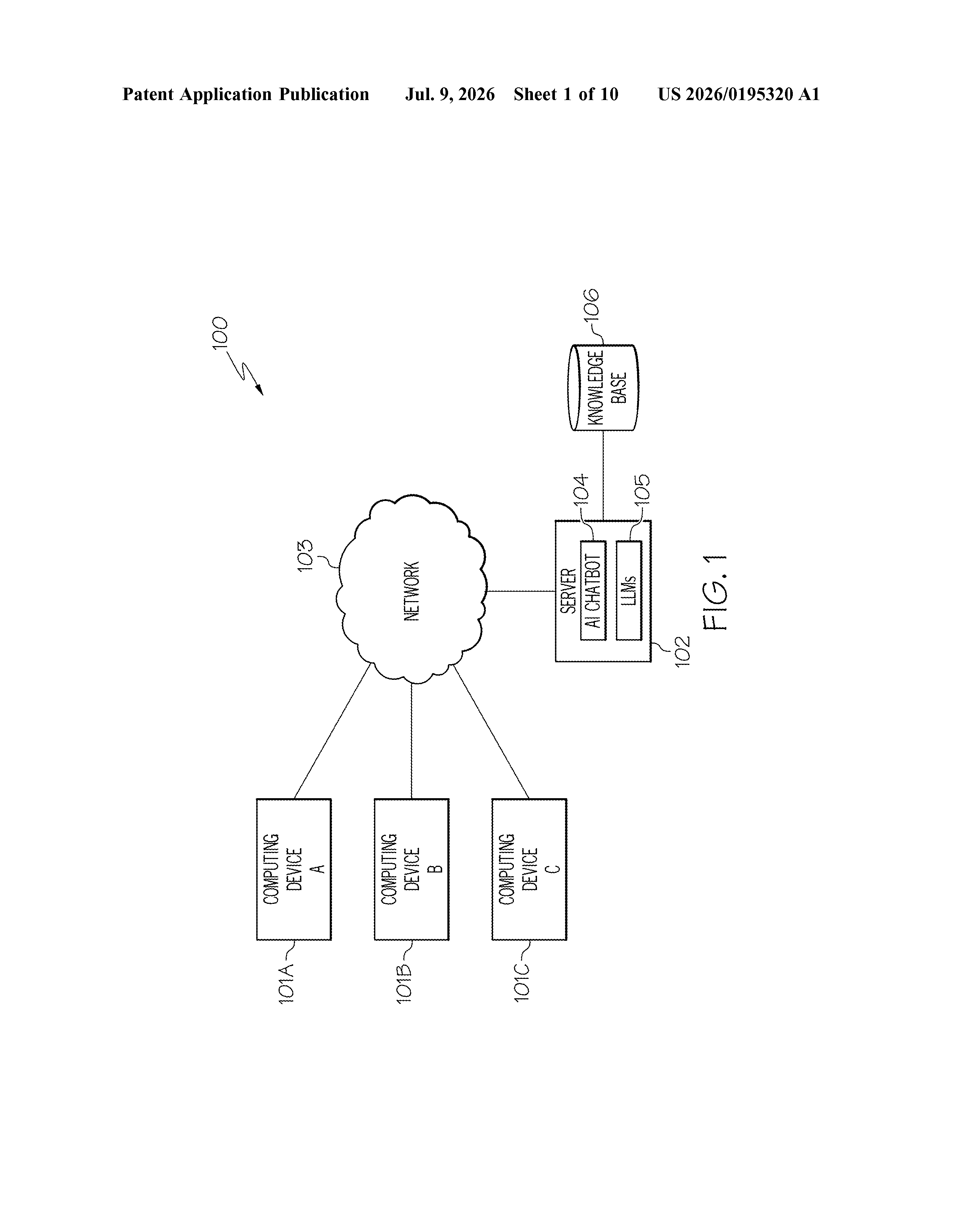
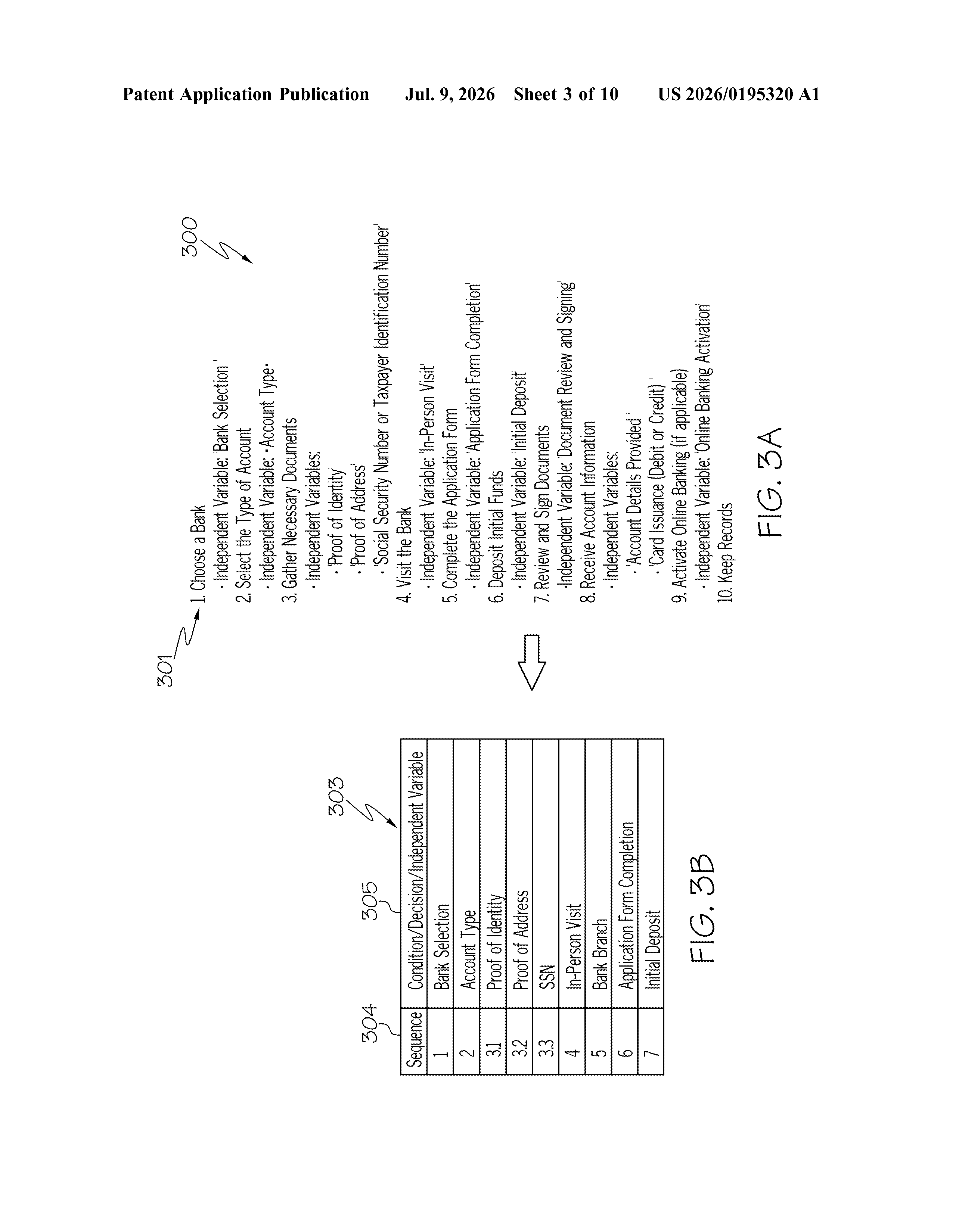
The system starts when a user submits a query. It searches a knowledge base (a structured repository of information, like a company's internal documentation) using semantic analysis (understanding the meaning of words, not just matching keywords) to find an initial answer.
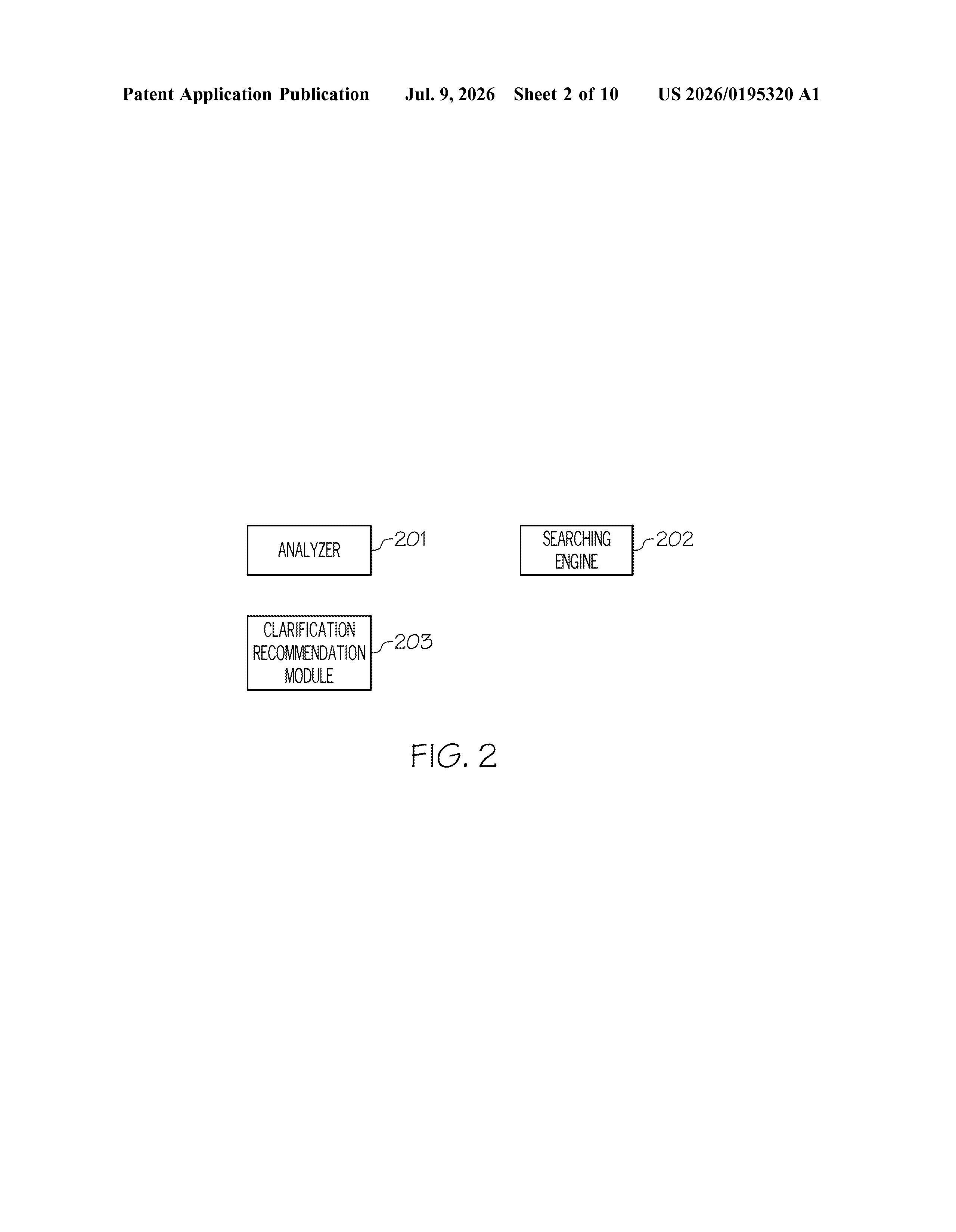
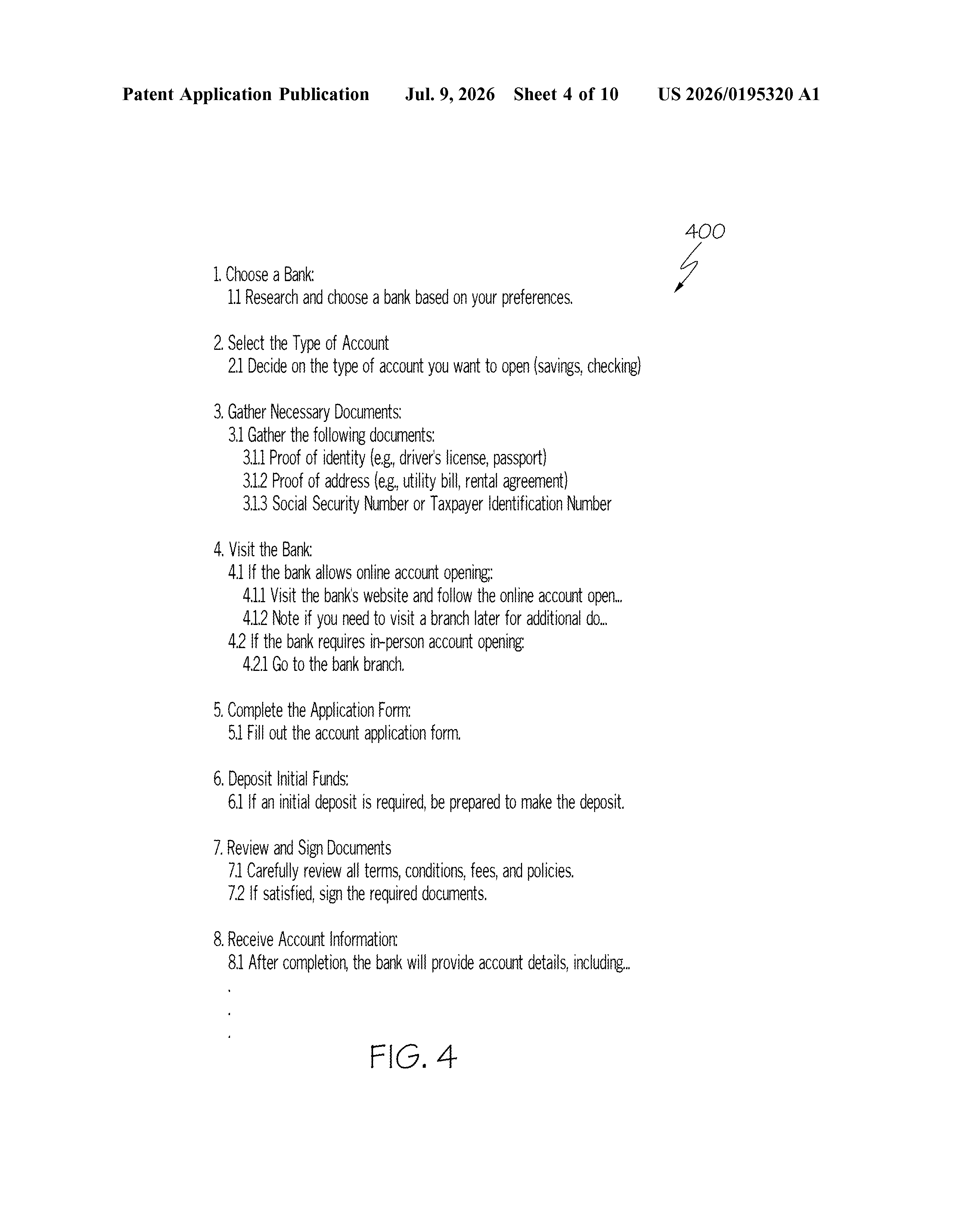
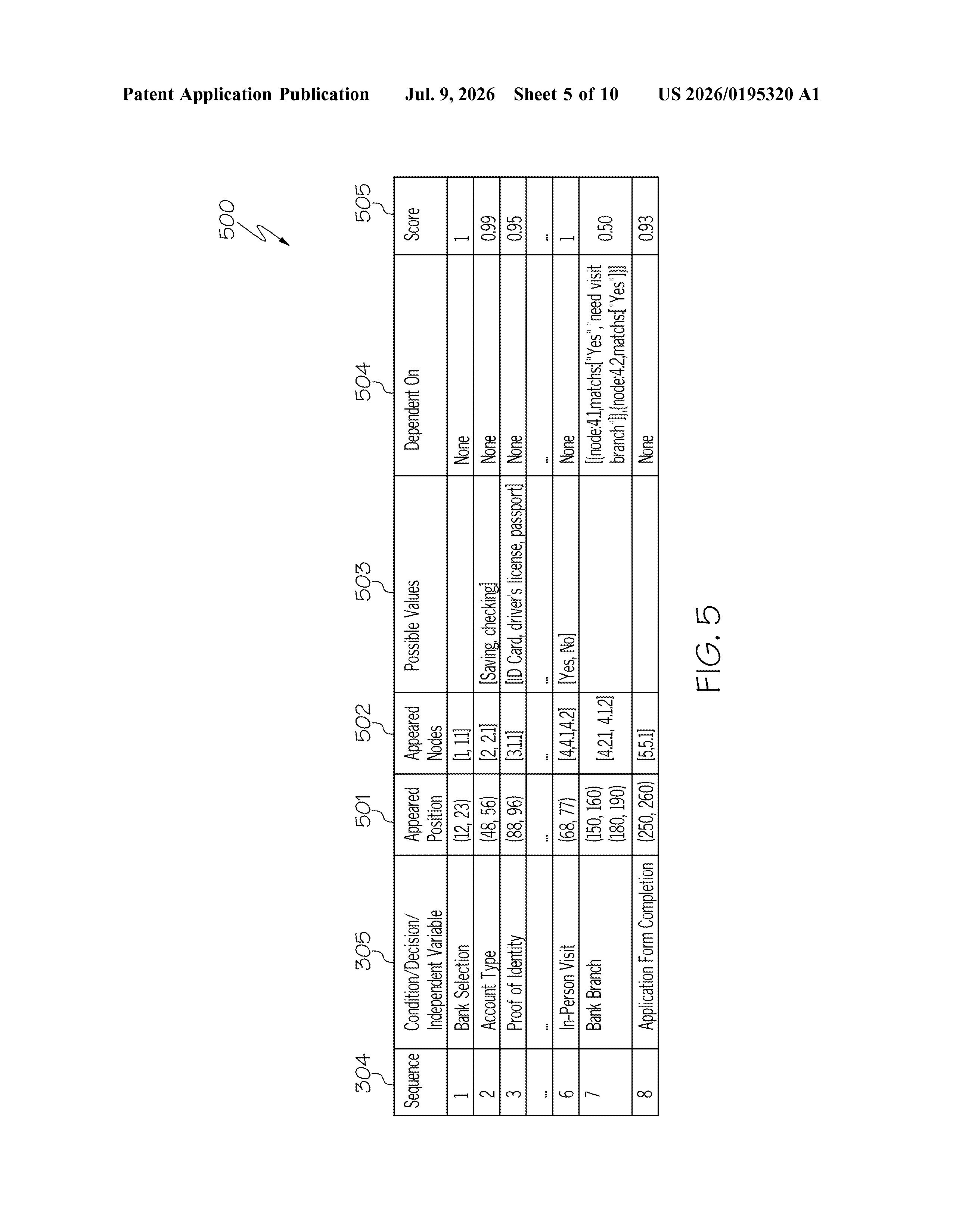
The core innovation happens next. The system runs a natural language processing algorithm (software that reads and interprets human language) over that first answer to pull out three categories:
- Conditions: circumstances that must be true for the answer to apply
- Decisions: branching points where different user situations would lead to different responses
- Independent variables: the main topics or steps the answer covers
These extracted elements are then highlighted inside the displayed answer, mapped to nodes in a tree-view workflow (a diagram showing how different choices branch into different outcomes). The user sees which parts of the answer depend on unconfirmed assumptions and provides feedback.
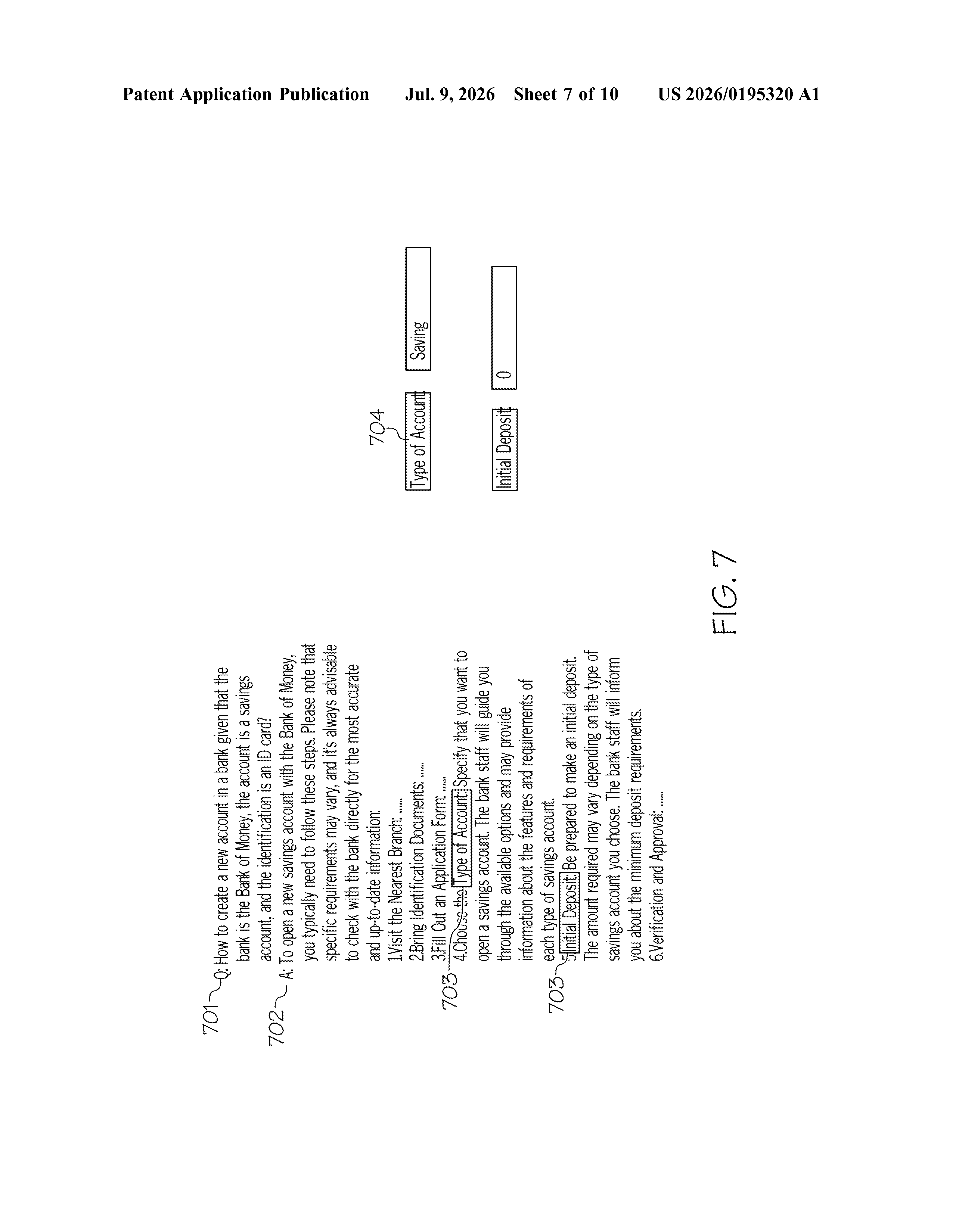
Based on that feedback, the system automatically builds a recommended query, a refined version of the original question that incorporates the user's clarifications. It then searches the knowledge base again and returns a more precise second answer. The loop repeats until the number of unresolved conditions drops below a set threshold.
What this means for AI accuracy in business settings
For businesses that use AI chatbots to handle customer service, HR inquiries, or IT support, vague or conditionally wrong answers are a real cost. An employee who gets a half-correct policy answer and acts on it can create compliance problems or frustrated customers. IBM's approach essentially builds a structured interview into the chat itself, forcing the bot to resolve ambiguity before committing to guidance.
This is also notable because the correction mechanism is built into the answer display, not hidden in back-end logic. You see exactly which parts of the answer the system is unsure about, which makes the AI's uncertainty transparent rather than invisible. That kind of explainability is increasingly important as companies face pressure to justify AI-generated decisions.
This is a genuinely practical idea for enterprise chatbot deployments, where the cost of a wrong answer is much higher than in casual consumer use. The tree-view workflow mapping is the most interesting technical detail: it gives the uncertainty-highlighting a structured backbone rather than just underlining random phrases. Whether IBM builds this into Watson or a similar product, or whether it stays on paper, is the real question.
Get our take in your Top Stories
Liked this breakdown? Add Patentlyze as a preferred source on Google, and our plain-English take shows up more often in your Top Stories the next time IBM patent news breaks.
There are more where this came from
We read every patent application Big Tech publishes and send you the ones worth knowing. Plain English, free, every week.
The drawings
10 drawing sheets from US 2026/0195320 A1 · click any drawing to enlarge
Want this weekly breakdown for a company we don't cover? Patentlyze Pro →