
Intel Patents a Method to Scan Video Frames Faster for Real-Time Surveillance
Processing video in real time is one of the hardest jobs a chip can do. Intel's new patent describes a way to chop up each frame and scan it from multiple directions at once, cutting down how long it takes to analyze what's happening on screen.
How Intel's frame-splitting trick speeds up video analysis
Imagine a security camera watching a busy intersection. Every second, it captures dozens of frames, and a computer has to scan every pixel of every frame to spot something worth flagging. That scanning, done one pixel at a time in sequence, is slow.
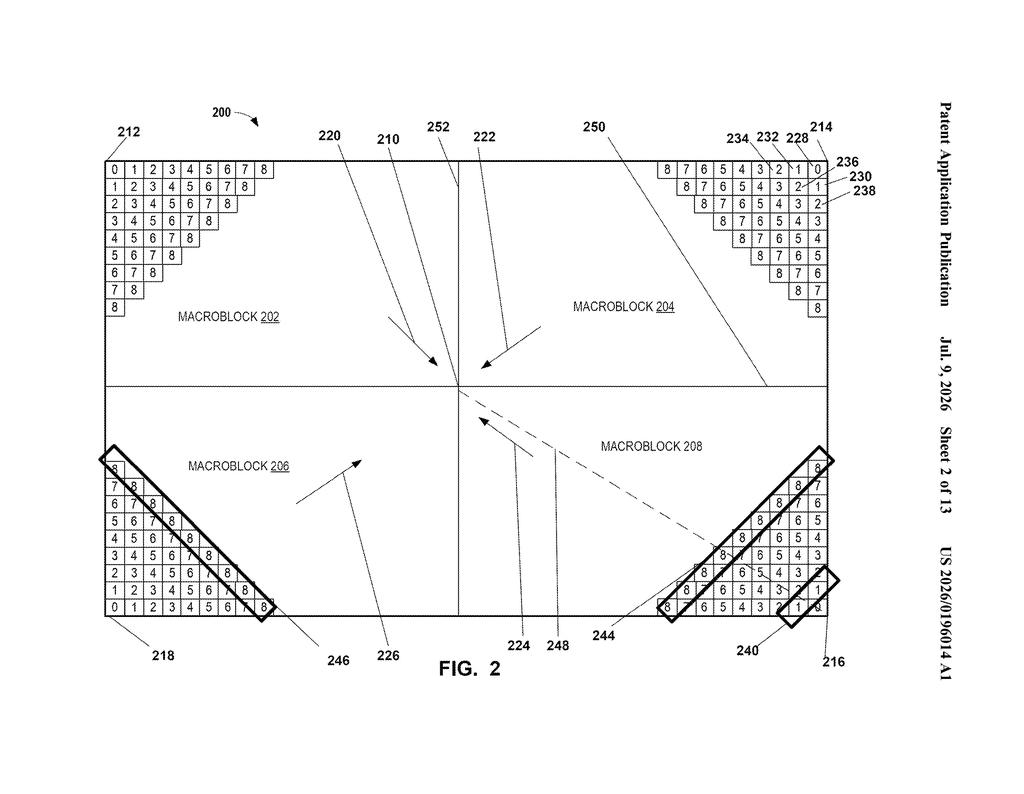
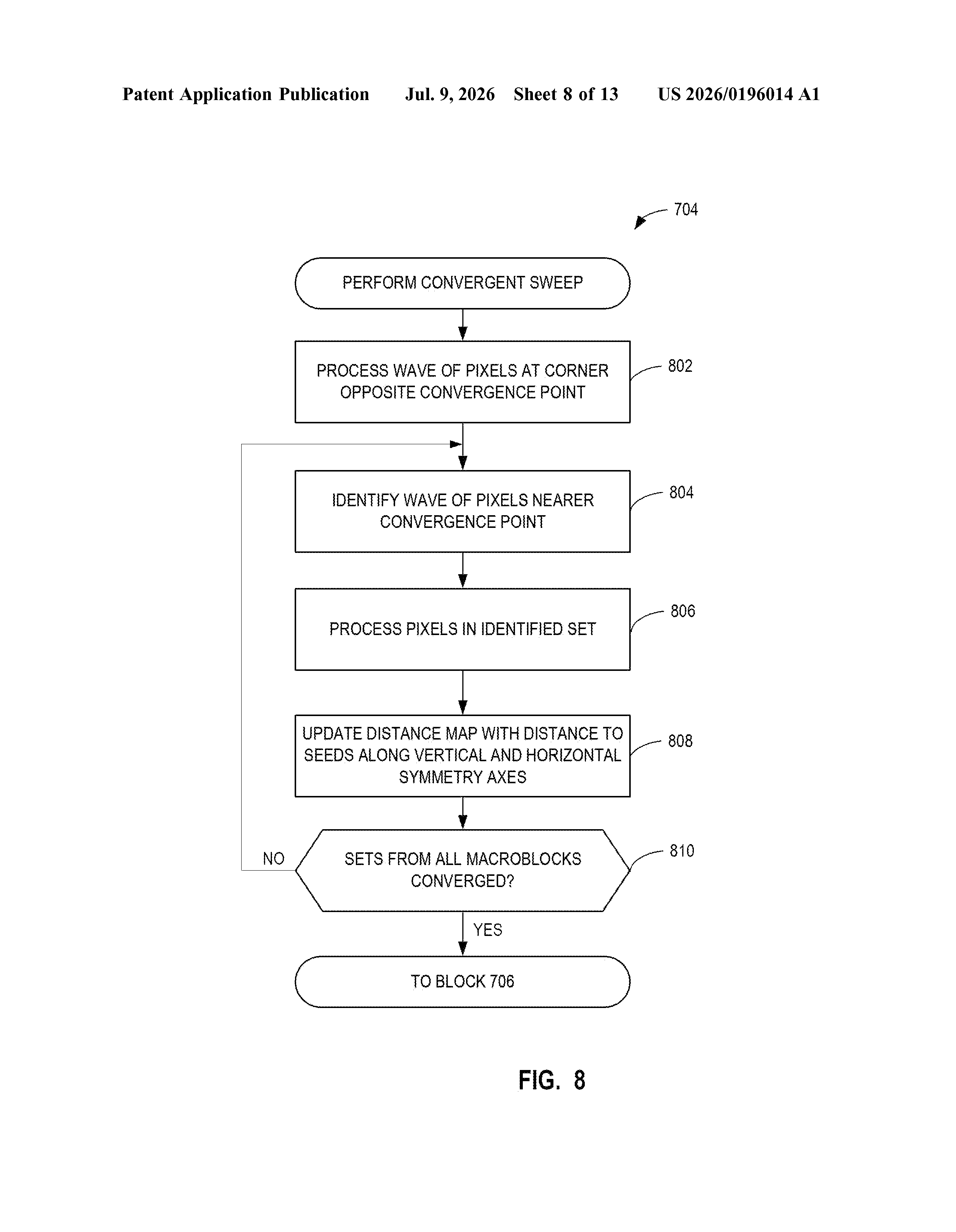
Intel's patent describes a different approach: split each frame into smaller tiles, hand each tile to its own processing unit, and then have all of them scan inward toward a shared center point at the same time. Once they meet in the middle, they reverse course and scan back outward. The result is that the entire frame gets analyzed in a fraction of the time it would take to do it the old linear way.
The technique is aimed at video analytics, the kind of AI-driven image processing used in security systems, traffic monitoring, and industrial cameras. Getting through frames faster means a system can react more quickly, or handle more camera feeds on the same hardware.
How the convergent and divergent sweeps divide the work
The patent describes a processor-level approach to scanning image frames more efficiently using parallel compute units.
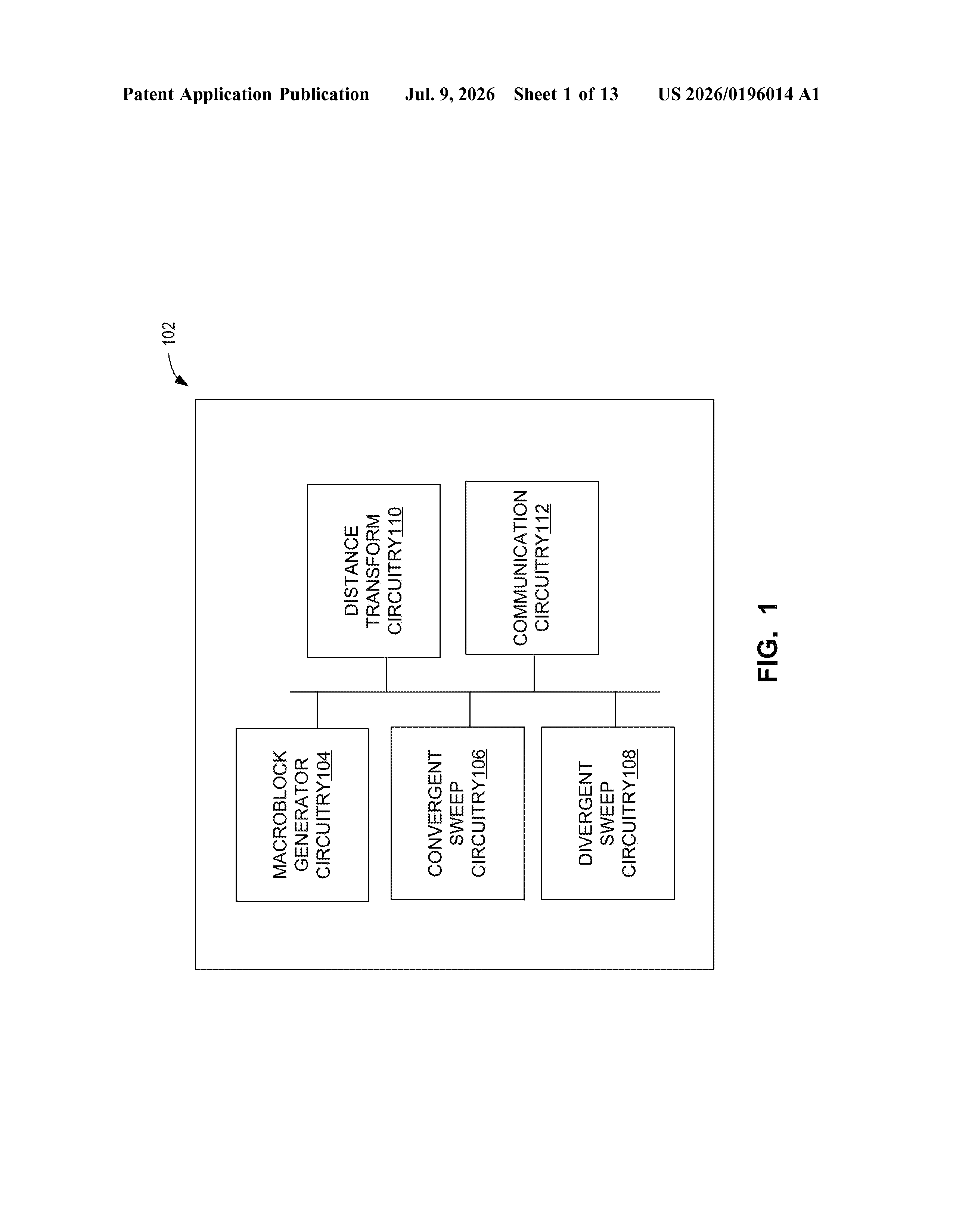
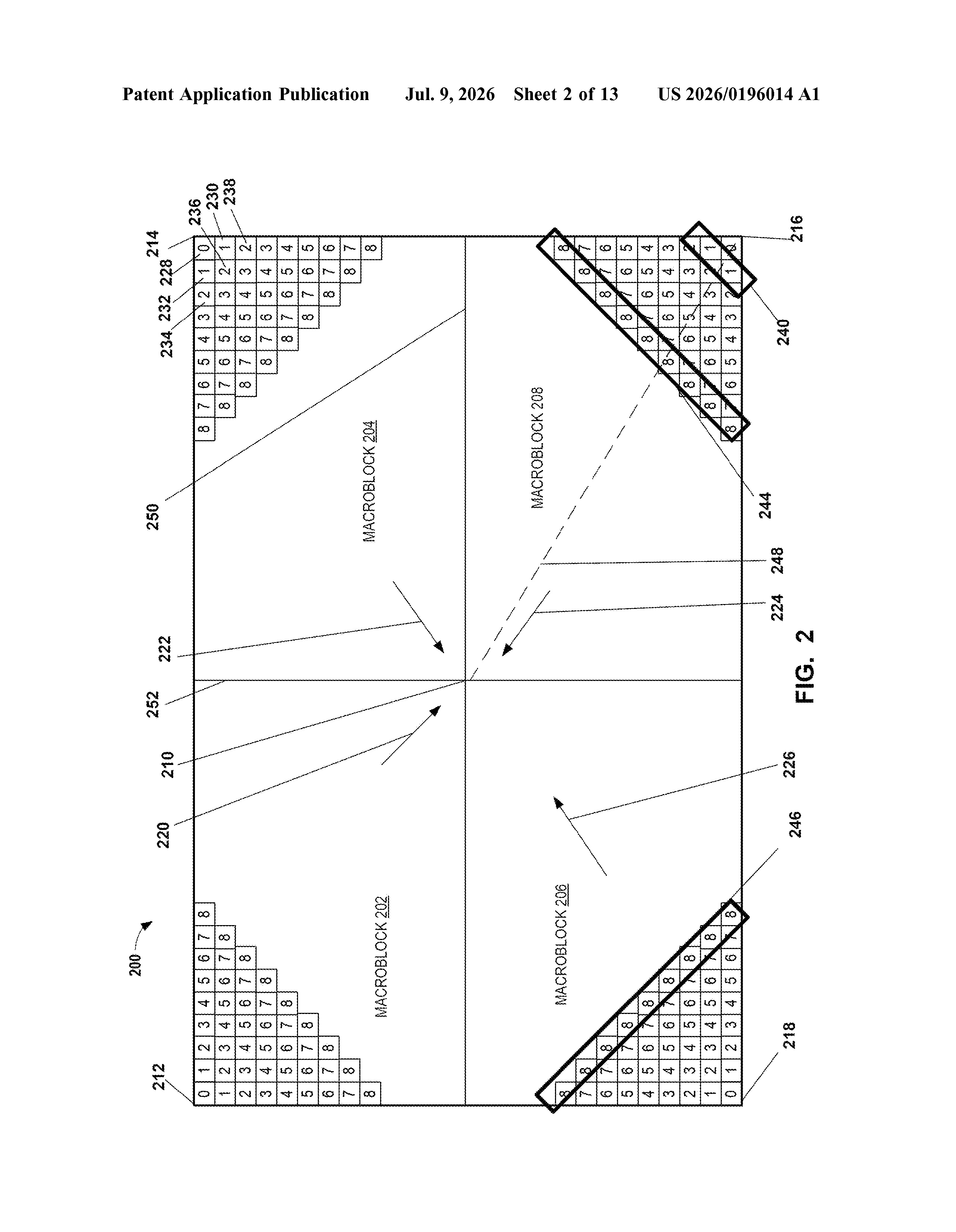
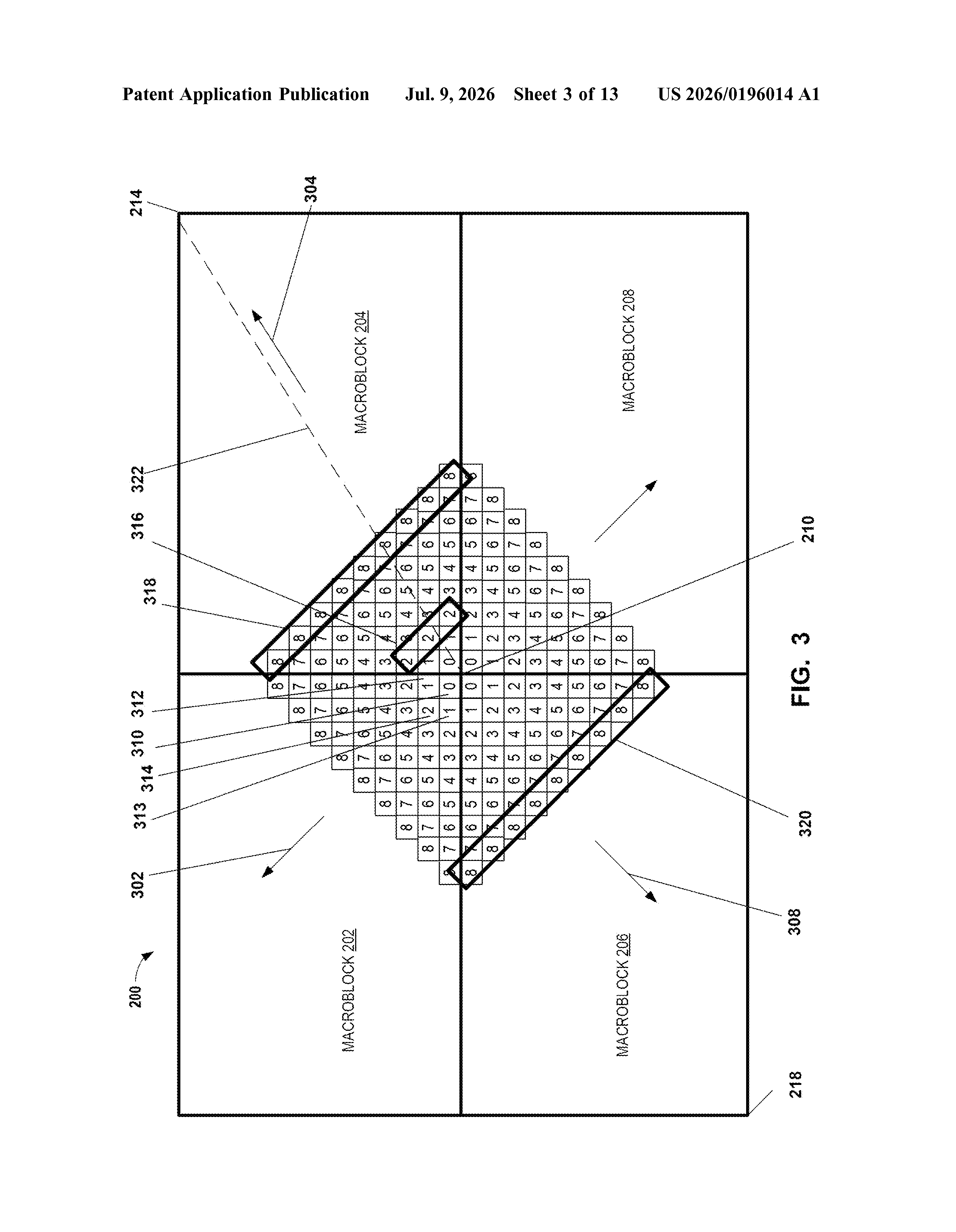
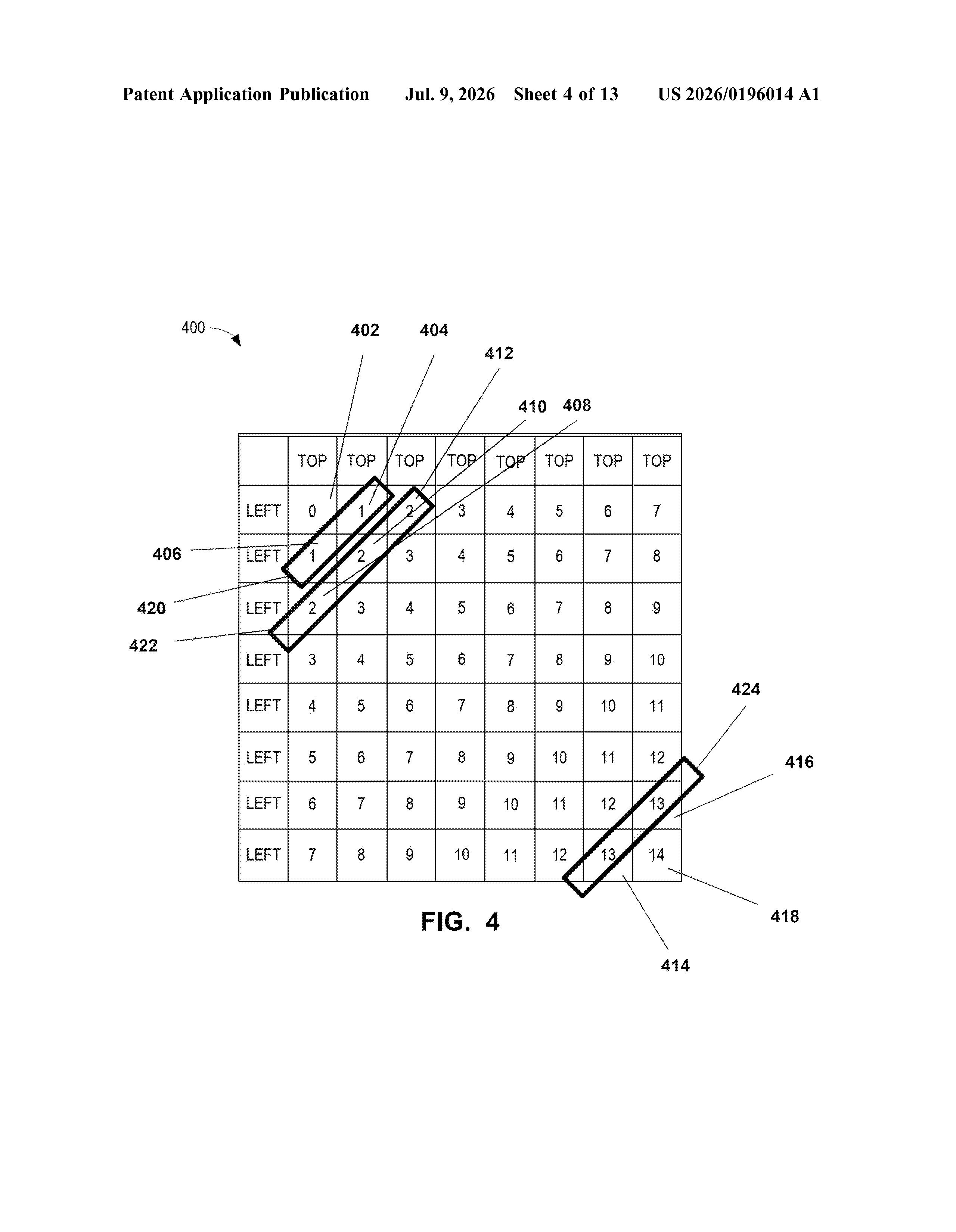
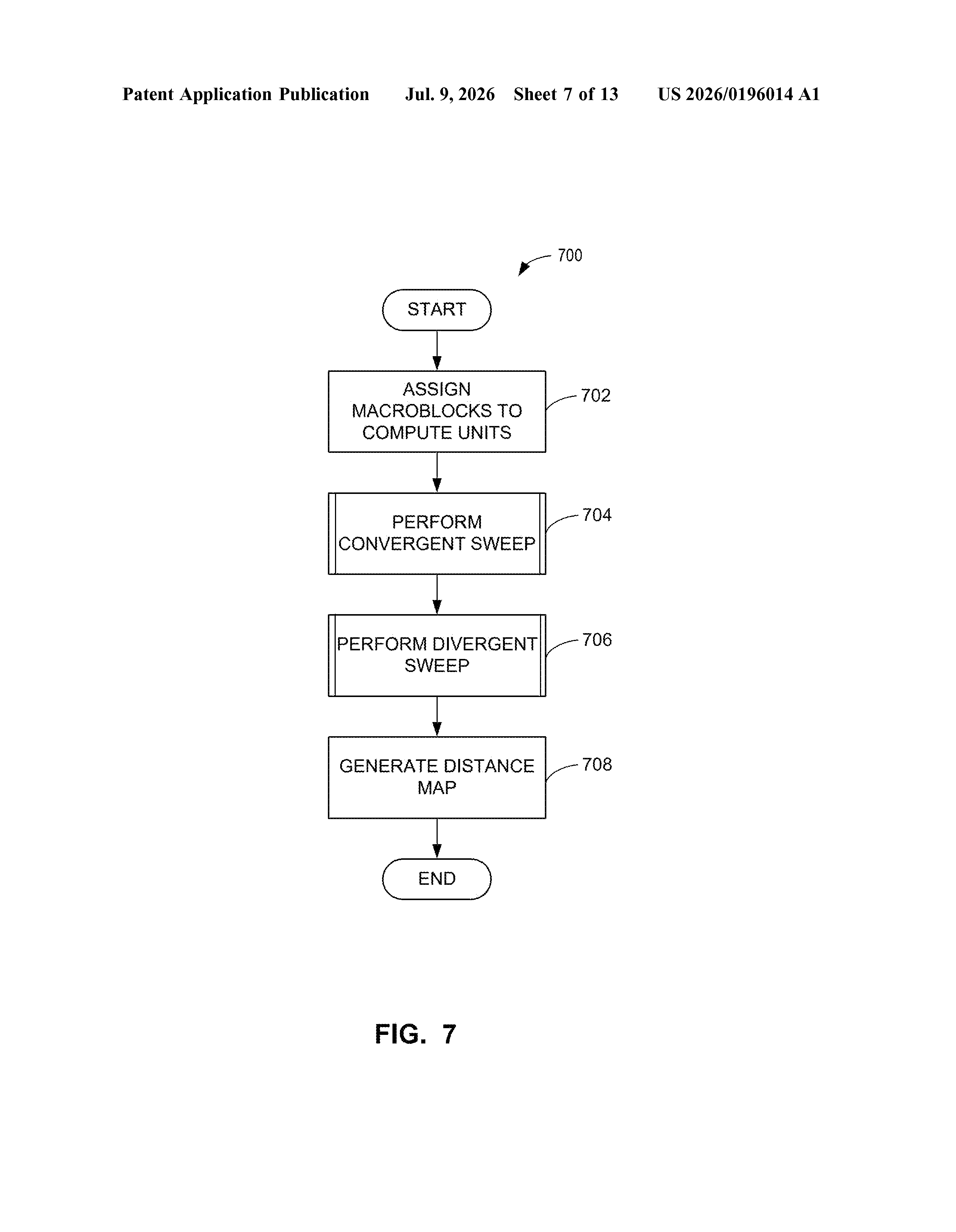
Here's the core idea: an image frame is divided into macroblocks (rectangular chunks of pixels). These blocks are arranged so they share a single convergence point, essentially a meeting spot at or near the center of the frame. Each macroblock is then assigned its own compute unit, a processing core that works independently.
The system then runs two passes:
- Convergent sweep: Each compute unit starts at the far corner of its assigned block and works inward toward the shared convergence point. All units do this simultaneously.
- Divergent sweep: The direction reverses. Starting from the convergence point, each compute unit fans back out to its block's outer corner.
The two-pass design matters because many video analytics algorithms, particularly those that look at how pixel values relate to their neighbors, benefit from seeing the data in both directions. Running the sweeps in parallel across all blocks instead of sequentially across the whole frame is where the speed gain comes from.
What this means for real-time surveillance and video AI
For real-time video analytics, latency is everything. A system watching dozens of camera feeds simultaneously can only react as fast as it can process each frame. Intel's parallel sweep approach directly targets that bottleneck by keeping compute units busy across the whole frame at once rather than waiting in line.
This kind of optimization is particularly relevant to edge computing devices, the small, purpose-built computers installed near cameras in factories, airports, or retail stores. Those devices run on constrained hardware budgets, so squeezing more performance out of fewer chips is a real engineering priority. Whether this technique shows up in an Intel-powered edge AI accelerator or in a software library for video developers is an open question, but the patent signals Intel is actively working the problem.
This is a solid, unglamorous engineering patent. It doesn't introduce a new AI model or sensor technology; it makes the plumbing faster. That said, real-time video analytics is a growth market and the kind of low-level parallelism improvement described here is exactly what separates usable edge AI hardware from products that can't keep up with live feeds. Intel filing this in late 2024 suggests it's relevant to something in active development.
Get our take in your Top Stories
Liked this breakdown? Add Patentlyze as a preferred source on Google, and our plain-English take shows up more often in your Top Stories the next time Intel patent news breaks.
There are more where this came from
We read every patent application Big Tech publishes and send you the ones worth knowing. Plain English, free, every week.
The drawings
13 drawing sheets from US 2026/0196014 A1 · click any drawing to enlarge
Want this weekly breakdown for a company we don't cover? Patentlyze Pro →