
IBM Patents Technology That Warns Before Energy Storage Components Crash Power Infrastructure
Inside high-voltage electronics, a capacitor can silently degrade for months before it fails catastrophically. IBM's new patent proposes counting the tiny internal sparks that signal a capacitor is on its way out, so engineers can swap it before the whole system goes down.
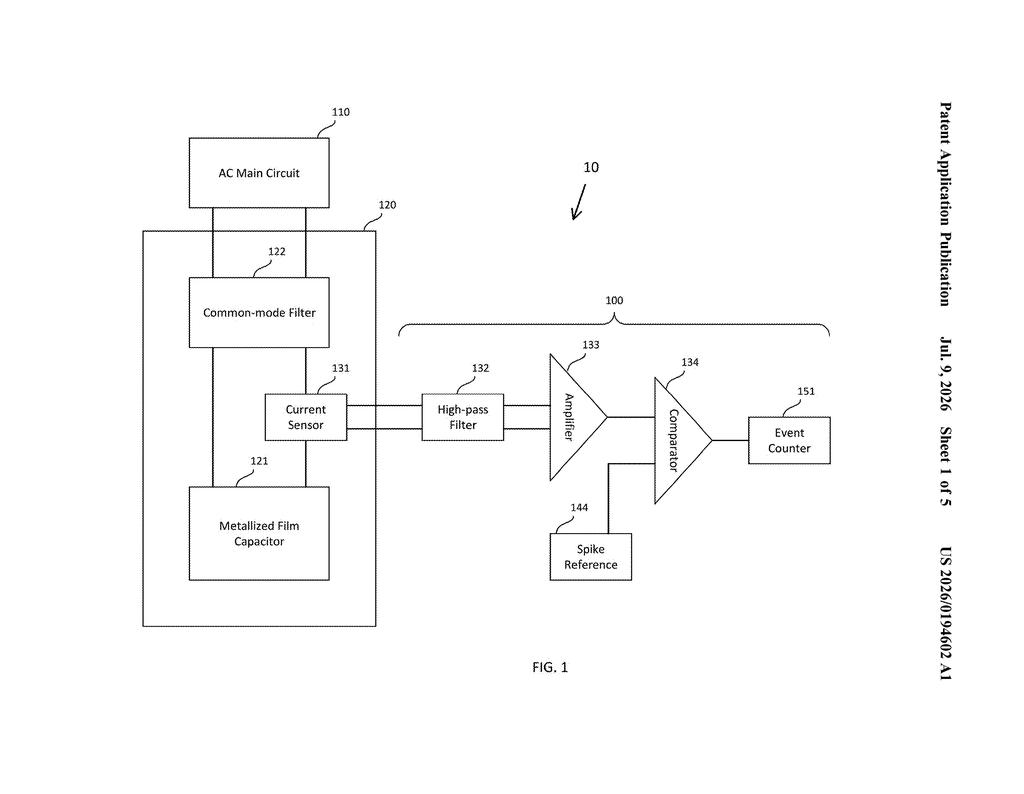
How IBM's capacitor early-warning system actually works
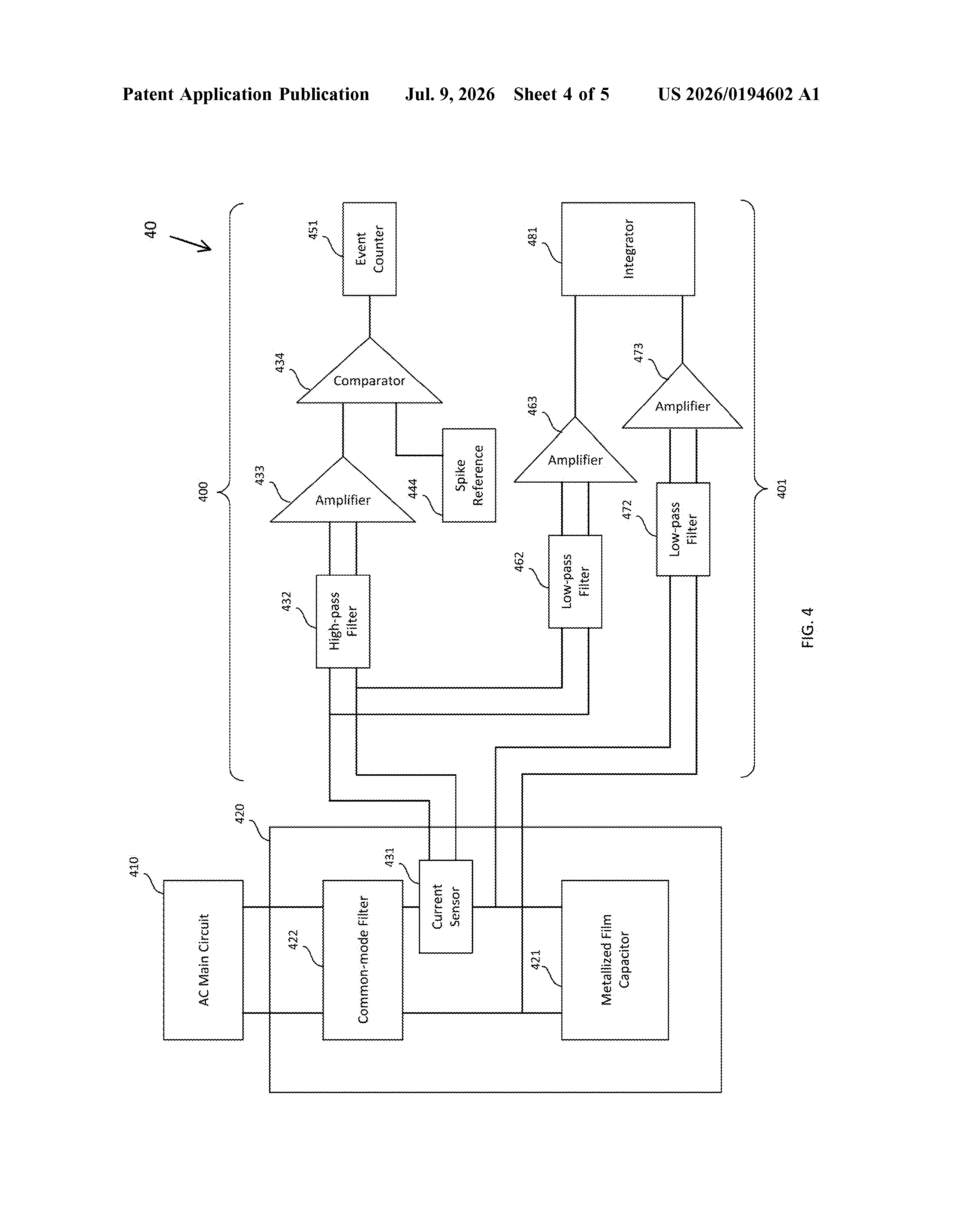
Imagine a smoke detector, but instead of sniffing for smoke, it listens for tiny electrical sparks inside a component. That's essentially what IBM is patenting here, applied to a type of component called a metallized film capacitor, which stores and releases energy in high-voltage equipment.
These capacitors don't usually fail all at once. They degrade slowly through small internal electrical discharges, each one a little pinhole of damage. IBM's approach is to count those discharges as they happen. When the count hits a preset limit, the system flags the capacitor for replacement before it causes a larger failure.
The practical upside is that maintenance becomes predictable rather than reactive. Instead of waiting for a capacitor to fail and potentially damage surrounding components, you get a warning while there's still time to act.
How the partial discharge counter triggers a swap
The patent describes a monitoring method built around detecting partial discharge (PD) events inside a metallized film capacitor (MFC). A partial discharge is a small, localized electrical spark that doesn't fully bridge two conductors but does cause microscopic damage to the insulating film inside the capacitor each time it occurs.
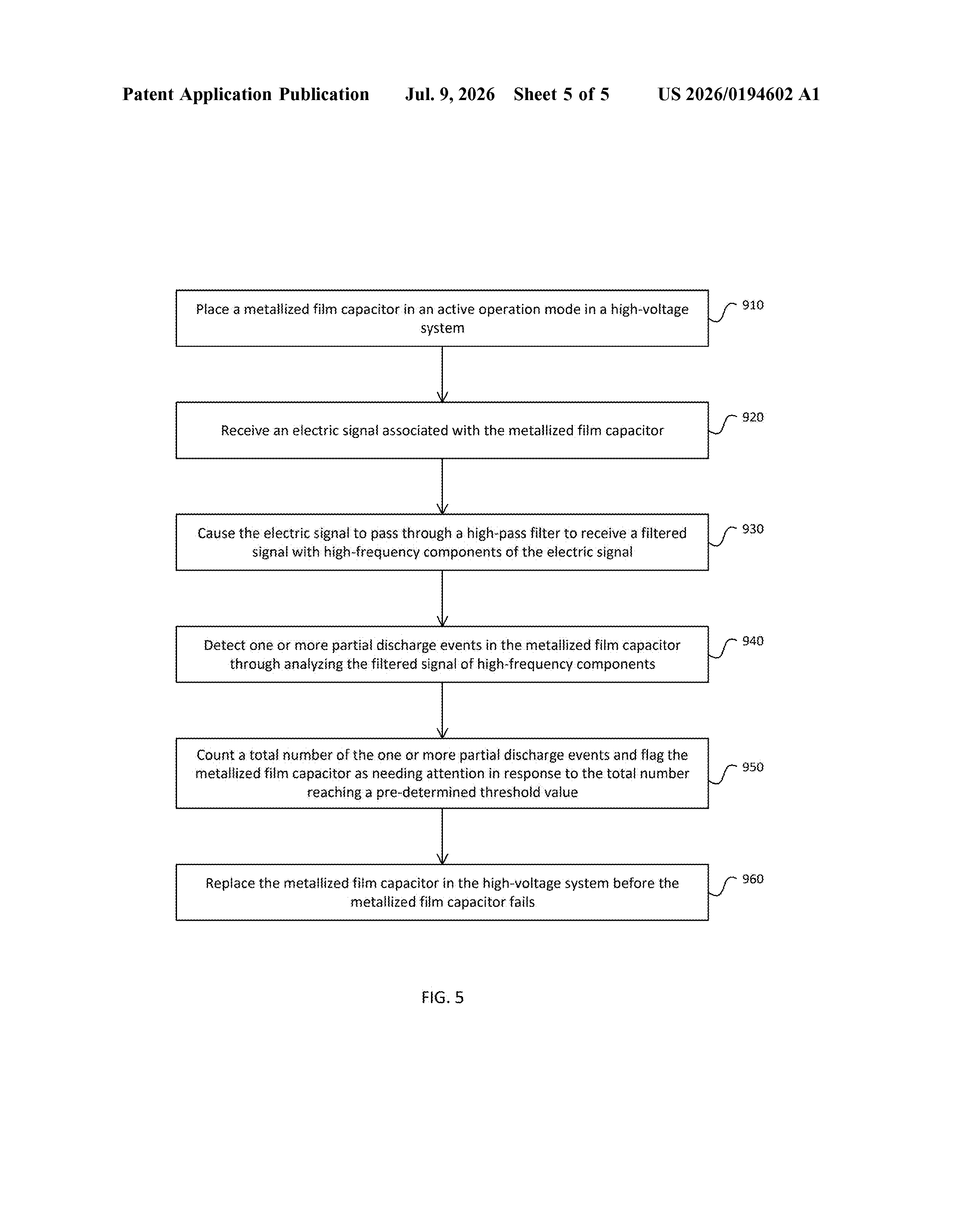
The system works in four steps:
- The capacitor is placed into normal, active operation in a high-voltage circuit.
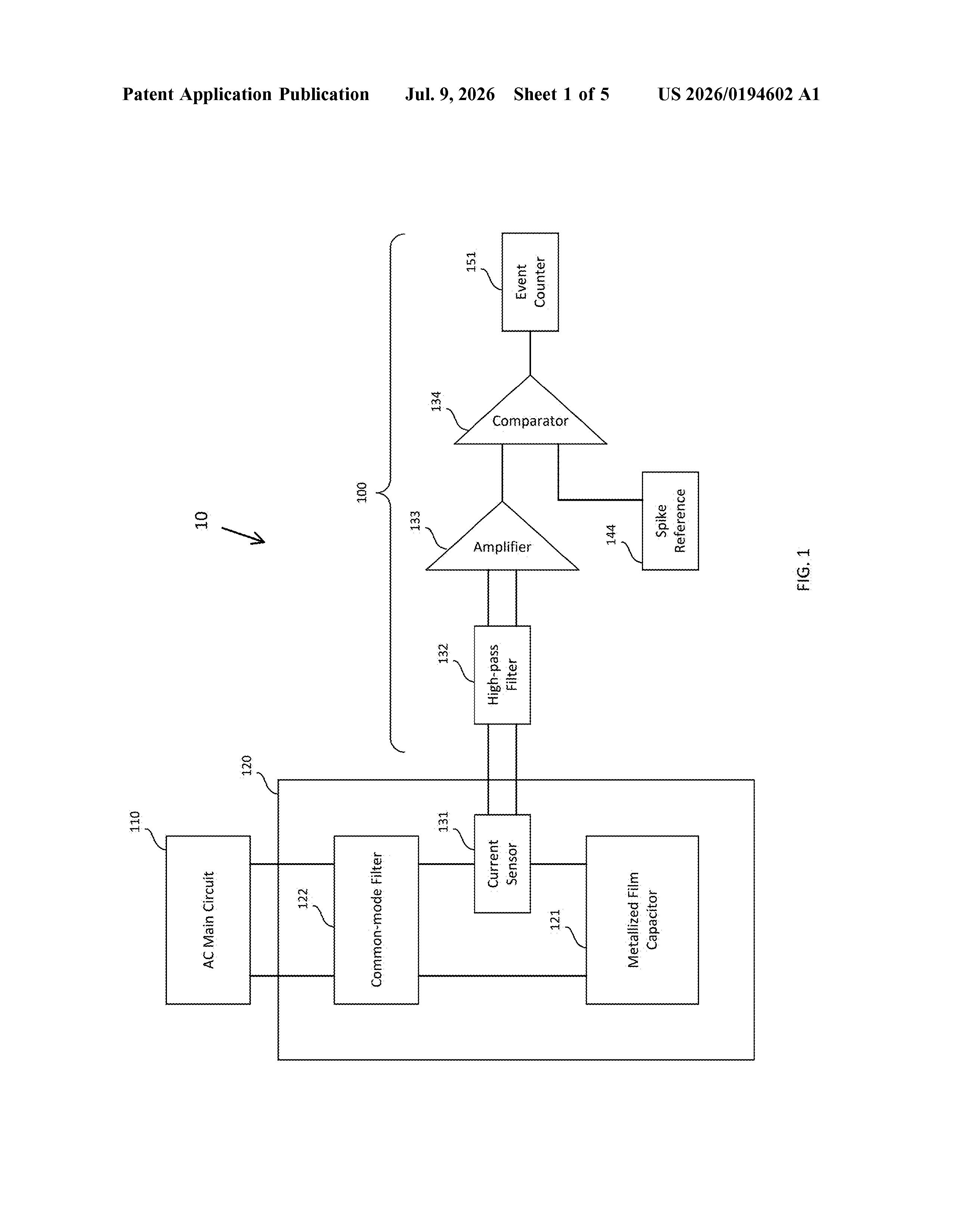
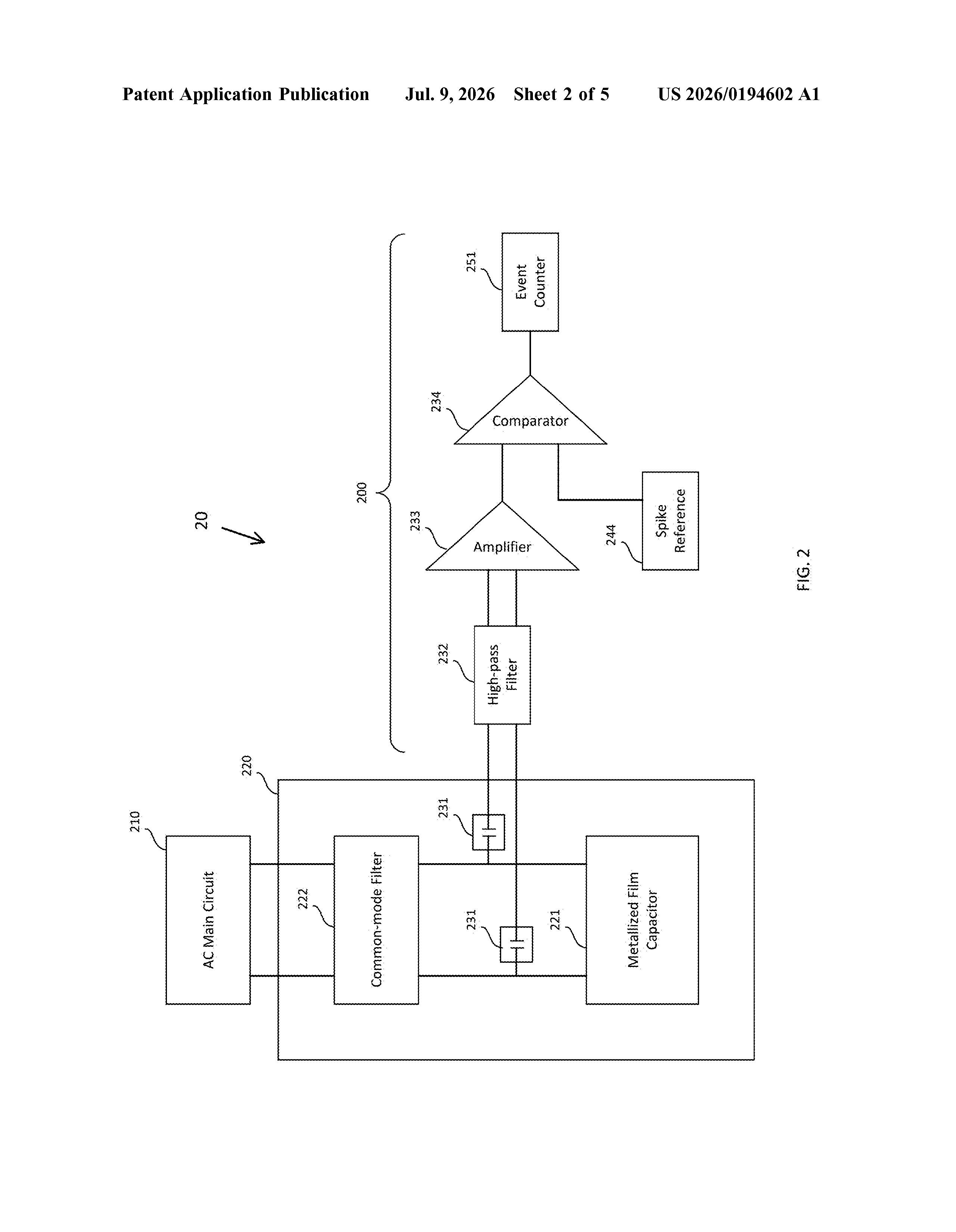
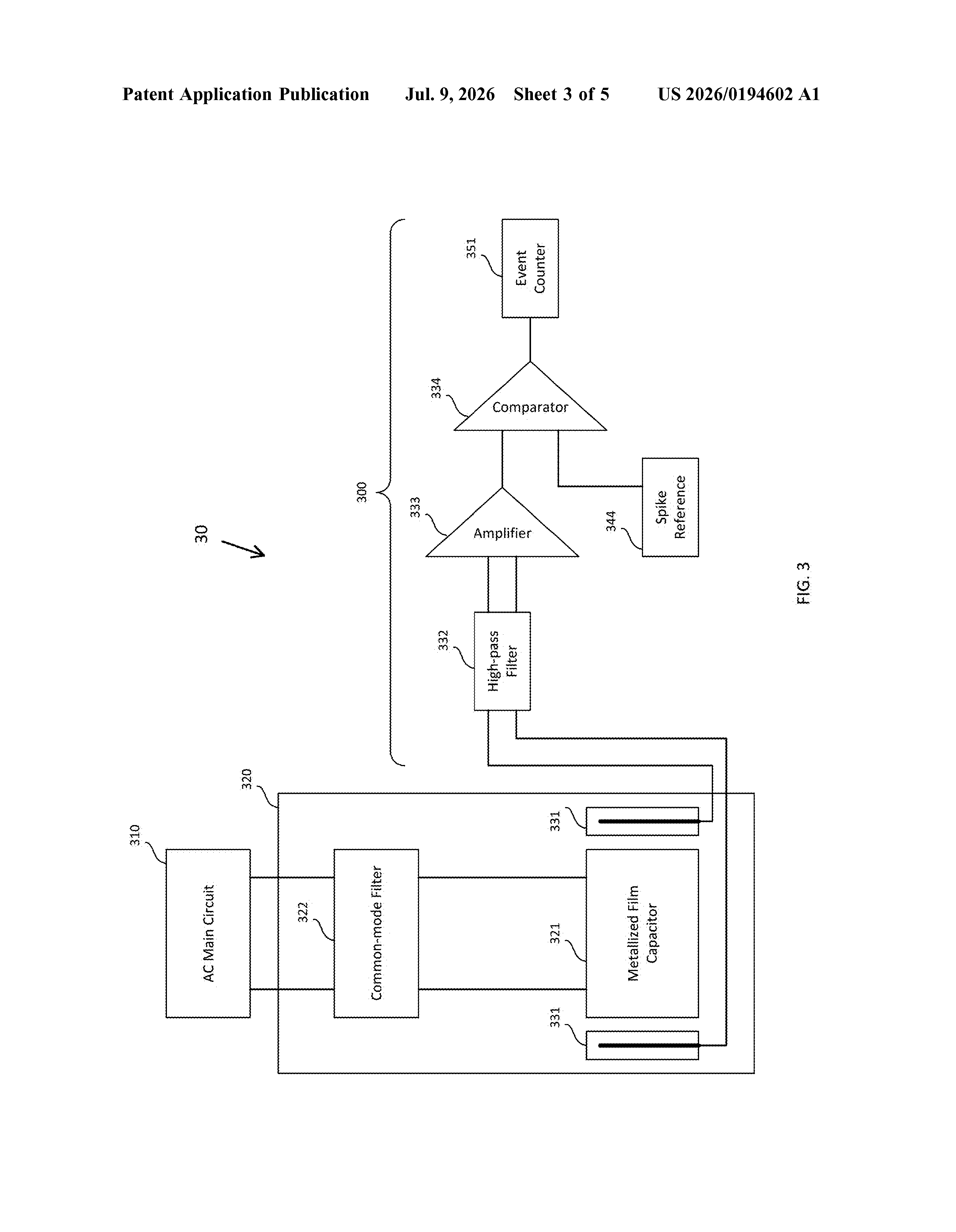
- A detection mechanism monitors the capacitor for partial discharge events in real time.
- Each event is counted and accumulated over time.
- When the total count reaches a pre-set threshold, the system triggers a replacement action before the capacitor reaches outright failure.
The key insight is that total cumulative discharges are a more reliable predictor of remaining lifespan than any single measurement of voltage or temperature. Each partial discharge chips away at the capacitor's insulating layers, so a running count functions like an odometer for internal wear.
The patent covers both the detection method and a high-voltage system architecture that incorporates this monitoring capability.
What this means for power electronics and data center reliability
High-voltage systems, including those found in industrial power supplies, data center UPS units, and power conversion equipment, are expensive to repair and often critical to keep running. A capacitor failure in one of these environments can trigger cascading damage to other components, causing unplanned downtime that costs far more than the part itself.
If IBM incorporates this approach into its own infrastructure hardware, it could shift maintenance schedules from calendar-based guesswork to condition-based precision. For anyone running high-availability systems, that's the difference between a planned 10-minute swap and an emergency shutdown at the worst possible moment.
This is a focused, practical patent with a clear industrial application. Partial discharge monitoring already exists as a technique in large electrical equipment like transformers, but applying it at the individual capacitor level inside a system, with automated counting and threshold-based alerts, is a useful step toward predictive maintenance in high-voltage electronics. It won't make headlines, but it solves a real problem that costs real money.
Get our take in your Top Stories
Liked this breakdown? Add Patentlyze as a preferred source on Google, and our plain-English take shows up more often in your Top Stories the next time IBM patent news breaks.
There are more where this came from
We read every patent application Big Tech publishes and send you the ones worth knowing. Plain English, free, every week.
The drawings
5 drawing sheets from US 2026/0194602 A1 · click any drawing to enlarge
Want this weekly breakdown for a company we don't cover? Patentlyze Pro →