
IBM Patents a Way to Run Remote Database Functions Without Actually Fetching the Data
When your data lives in one place and the code that processes it lives somewhere else, you usually have to move a lot of data around just to get an answer. IBM's new patent tries to skip that expensive shuffle.
What IBM's virtual function data trick actually does
Imagine you have a spreadsheet in one city and a calculation formula stored on a server in another city. Every time you want a result, you have to ship the whole spreadsheet across the country just to run the formula. That's roughly what happens when modern enterprise software has to pull data from a remote system before it can do anything with it.
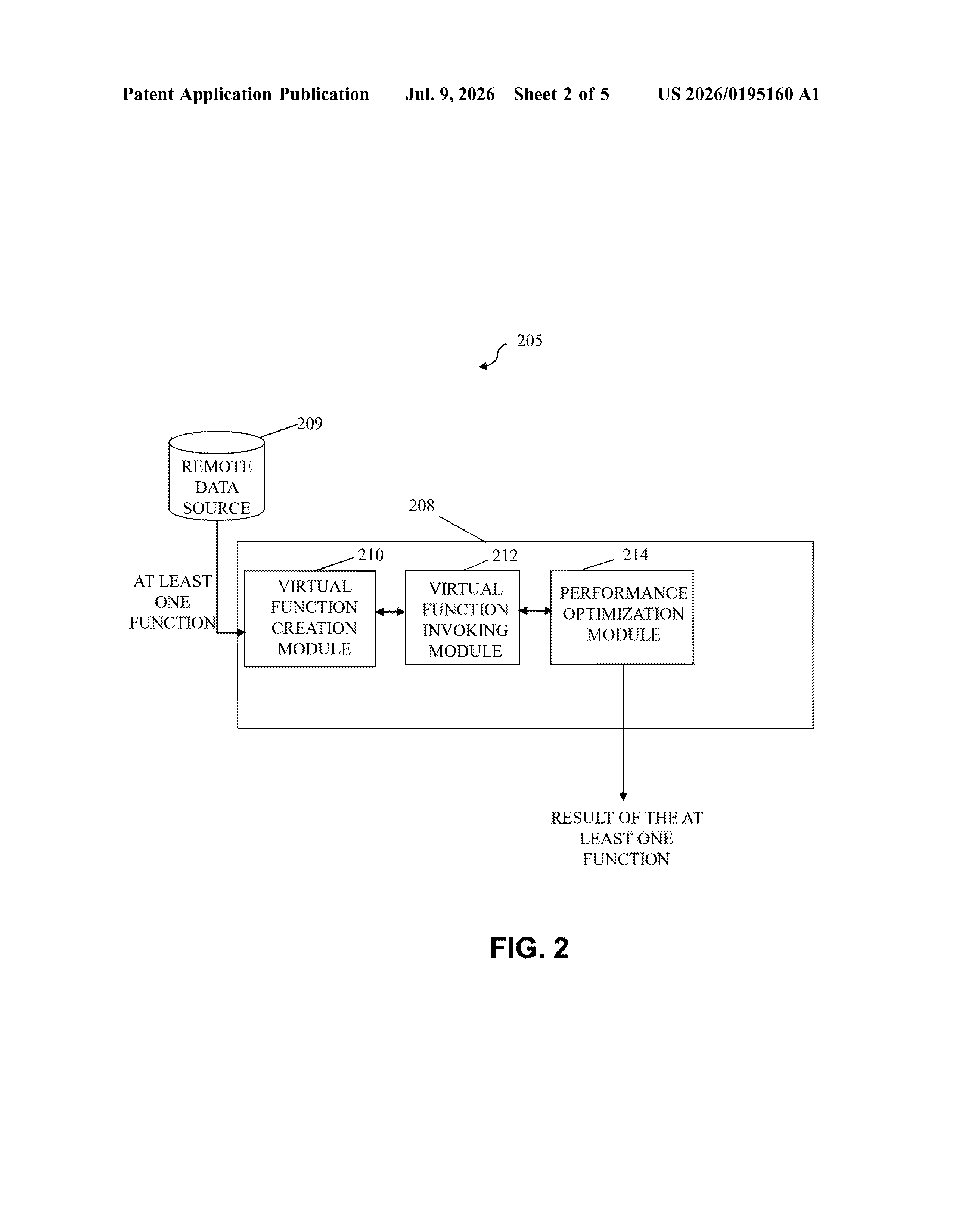
IBM's patent describes a way to create a local stand-in, called a virtual function, that sits between your data and that remote formula. Instead of hauling everything across the network, the system invokes this local copy, figures out the result, and hands it back. It also has a built-in optimization step that tunes how well the virtual function performs over time.
The practical upshot is that systems working with data spread across different sources could get answers faster and with less network traffic. It's the kind of plumbing improvement that rarely makes headlines but can speed up a lot of enterprise software.
How IBM creates and optimizes the virtual function layer
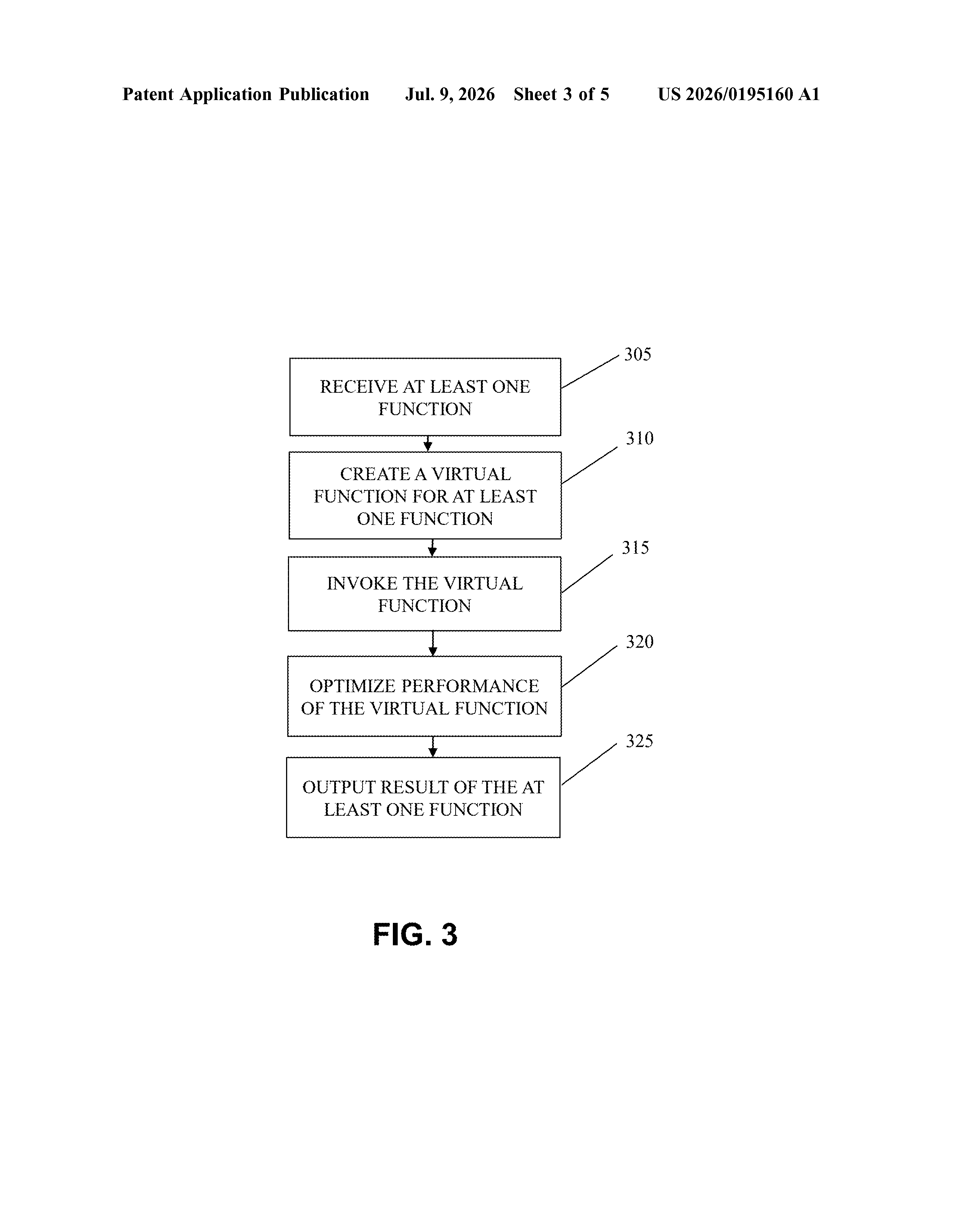
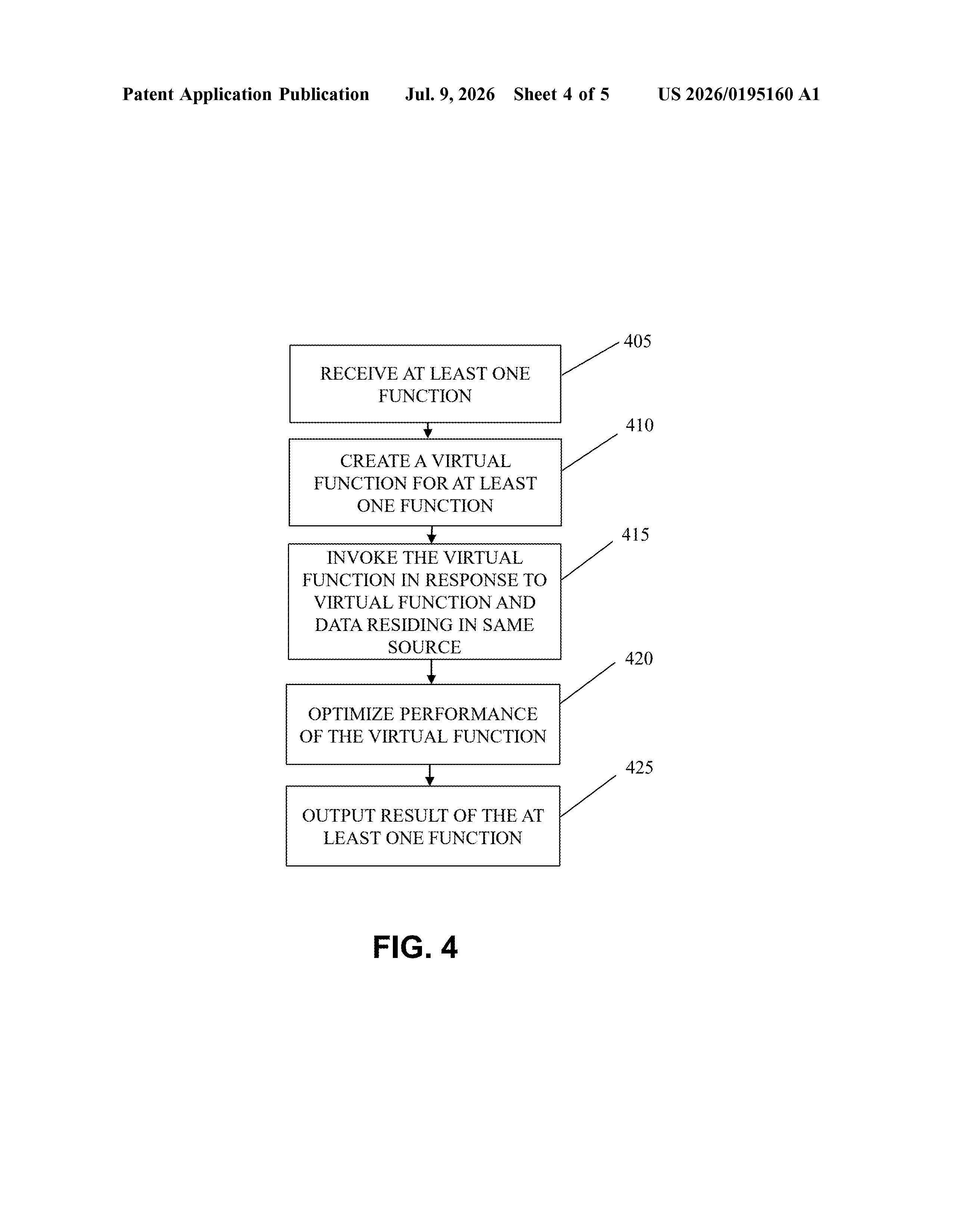
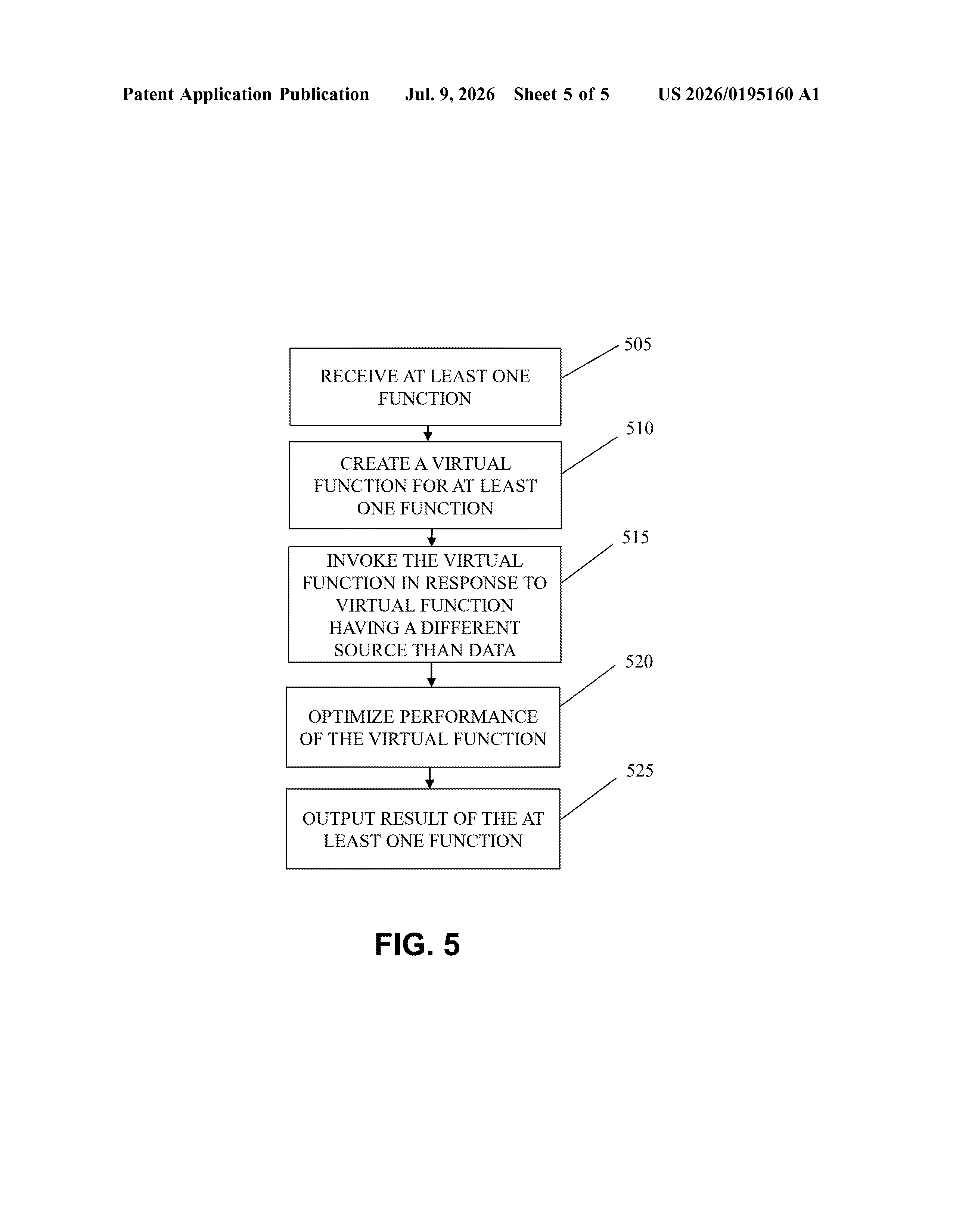
The patent describes a four-step process running on a processor system:
- Receive a remote function, the system identifies at least one function (a piece of logic or calculation) that belongs to a remote data source, meaning it lives somewhere other than where your input data sits.
- Create a virtual function, a local proxy or stand-in is generated for that remote function. Think of it as a local shortcut that knows how to mimic what the remote version does.
- Invoke the virtual function, when the system detects that the function's home source differs from the data's home source (a cross-source mismatch), it triggers the virtual version instead of making a round-trip call to the remote system.
- Optimize and output, the system tunes the virtual function's performance and returns the result as if the original remote function had run.
The core idea is function virtualization applied to data integration: abstracting where a function physically lives so the calling system doesn't have to care. This is similar in spirit to how virtual machines abstract physical hardware, but applied specifically to data-processing functions that span organizational or geographic boundaries.
What this means for enterprise data pipelines
Large organizations routinely stitch together data from dozens of sources, internal databases, cloud services, third-party APIs. Every time those sources use different functions or logic, there's a coordination tax paid in network calls and waiting. IBM's approach could reduce that tax by letting a single query environment handle cross-source function calls locally, without engineering teams having to manually rewrite or replicate logic.
For IBM's enterprise customers, this fits neatly into the company's ongoing push around data fabric and hybrid cloud integration. If this makes it into a product like IBM Data Virtualization or a future version of Db2, it could shave meaningful time off the kinds of federated queries that slow down business analytics and AI training pipelines alike.
This is solidly unglamorous infrastructure work, the kind of patent that rarely excites anyone outside a data engineering team. That said, cross-source function overhead is a real and persistent pain point in enterprise data stacks, and IBM's virtual function framing is at least a coherent approach to it. Whether the optimization step described is genuinely novel or just a repackaging of existing query-federation techniques is the real question, and the patent's abstract language doesn't settle it.
There are more where this came from
We read every patent application Big Tech publishes and send you the ones worth knowing. Plain English, free, every week.
The drawings
5 drawing sheets from US 2026/0195160 A1 · click any drawing to enlarge
Want this weekly breakdown for a company we don't cover? Patentlyze Pro →
Be the first to weigh in