
Google Patents a Way to Connect Devices by Pointing Your Phone at Them
Imagine aiming your phone at a TV like a TV remote and having your phone instantly connect to it. That's the core idea behind this Google patent, which turns a pointing gesture into a device-pairing trigger.
What Google's phone-pointing gesture actually does
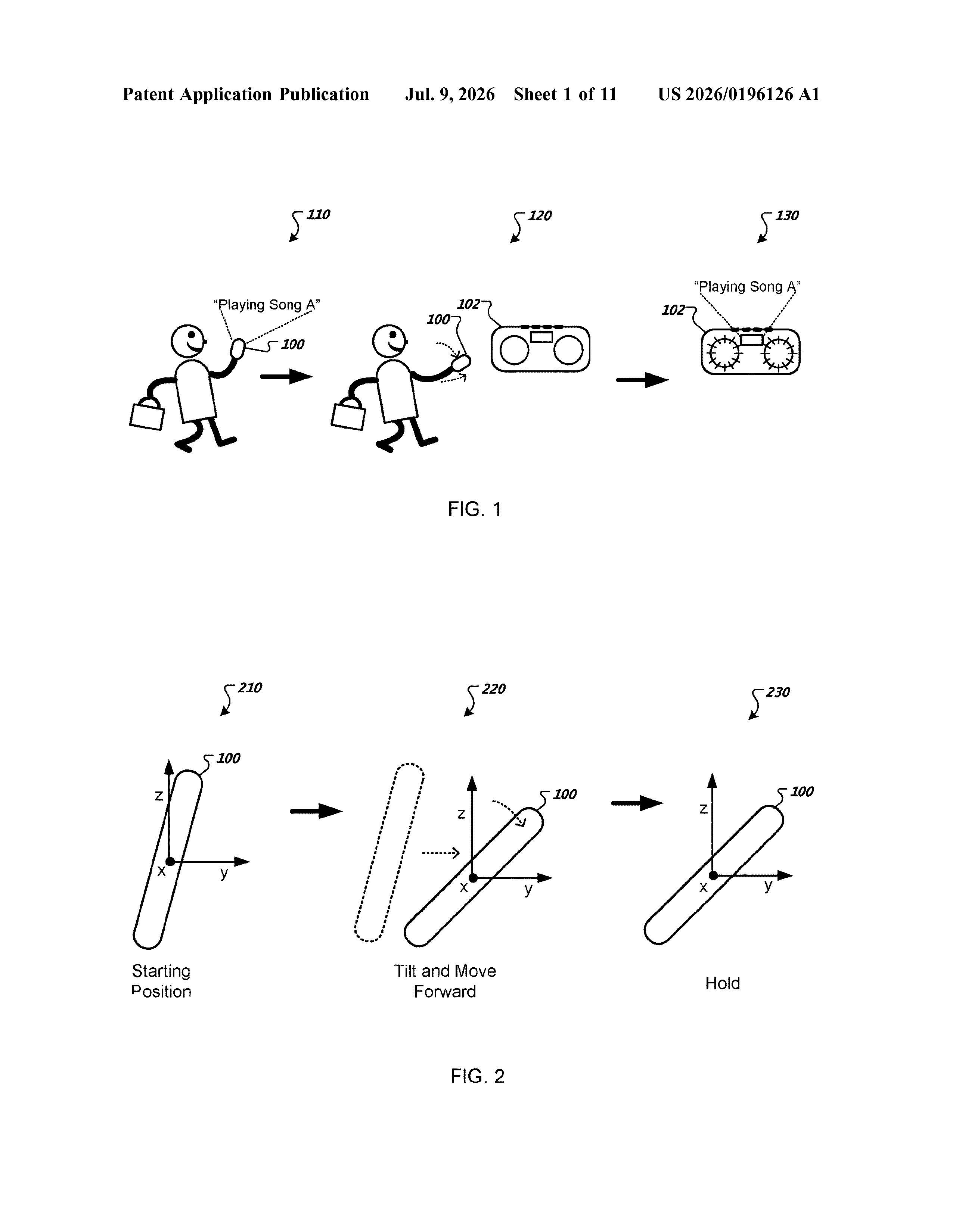
Picture this: you want to share a photo to a nearby smart TV or speaker. Instead of hunting through menus or tapping through a Bluetooth pairing screen, you just point your phone at the device like you're pointing a finger at it. That gesture alone kicks off the connection.
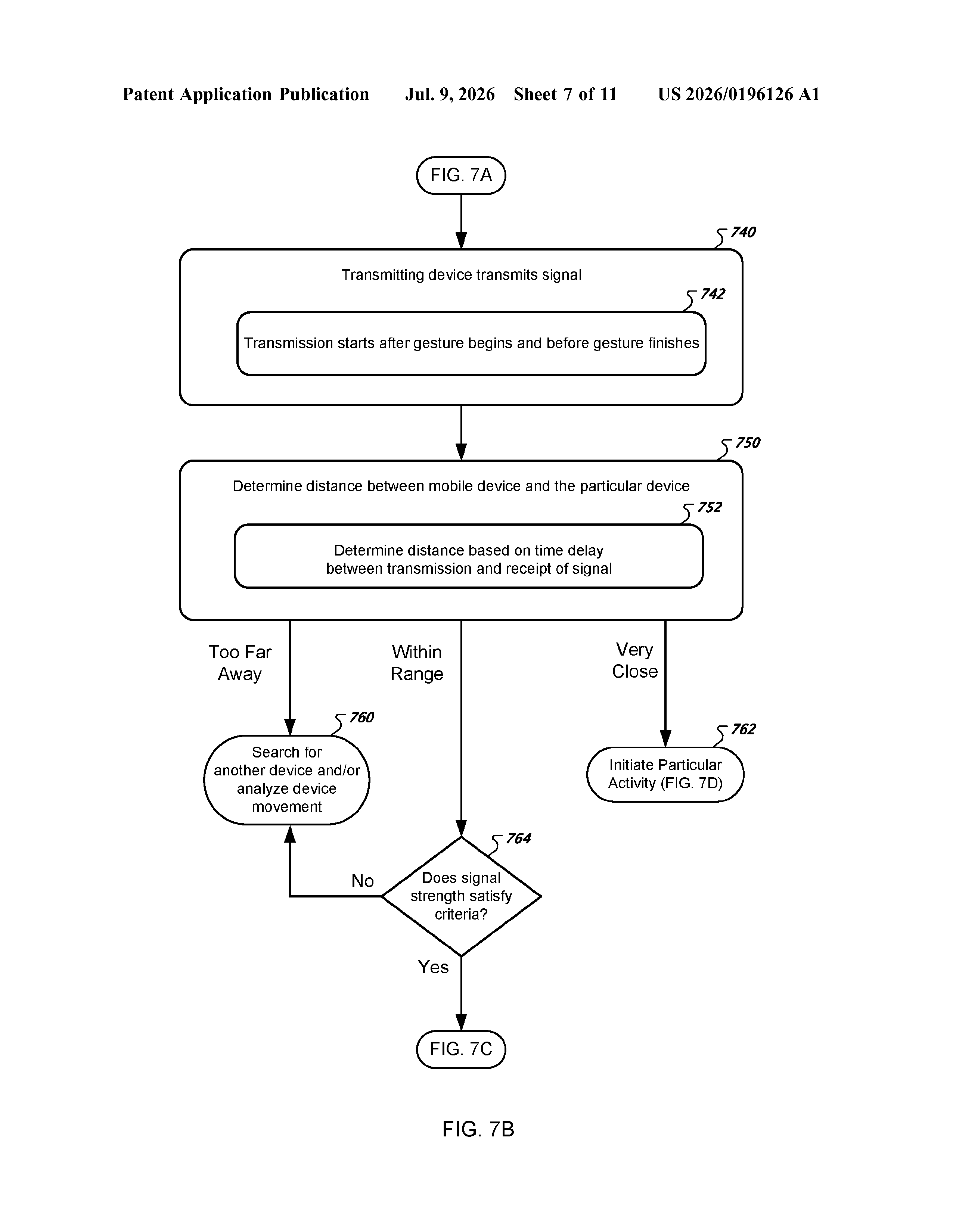
Google's patent describes a system that watches for exactly that kind of deliberate pointing motion. Your phone's sensors confirm you're making a pointing gesture, and then the system figures out which device you're actually aimed at, not just any device in the room.
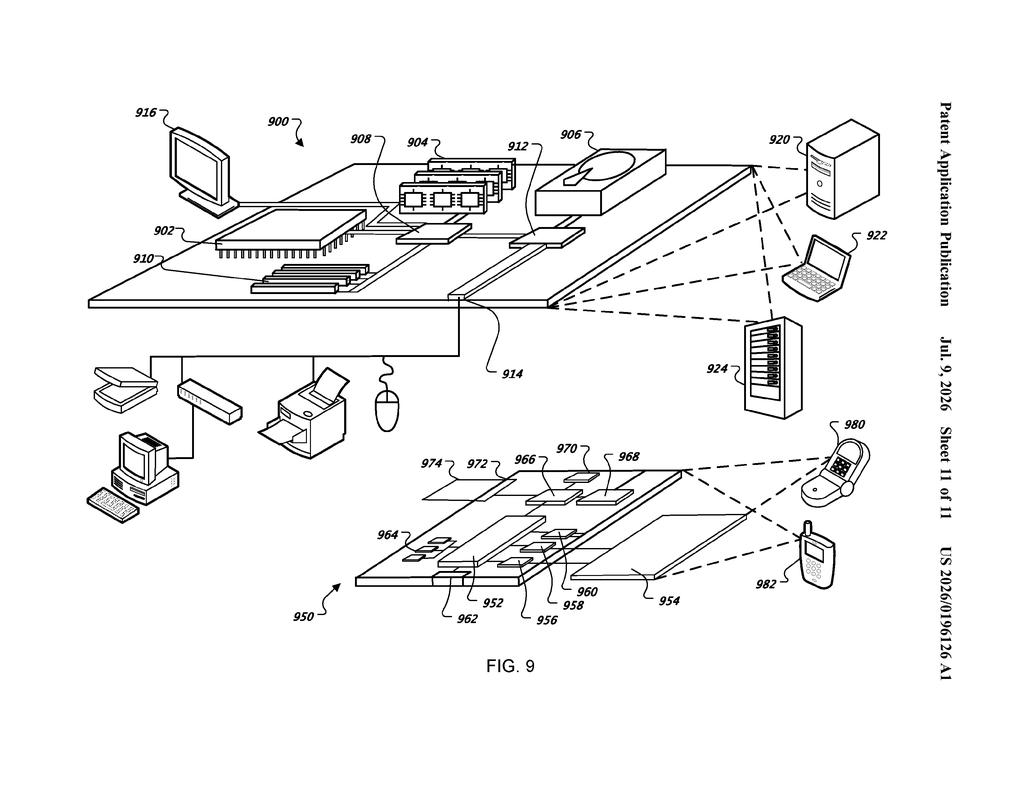
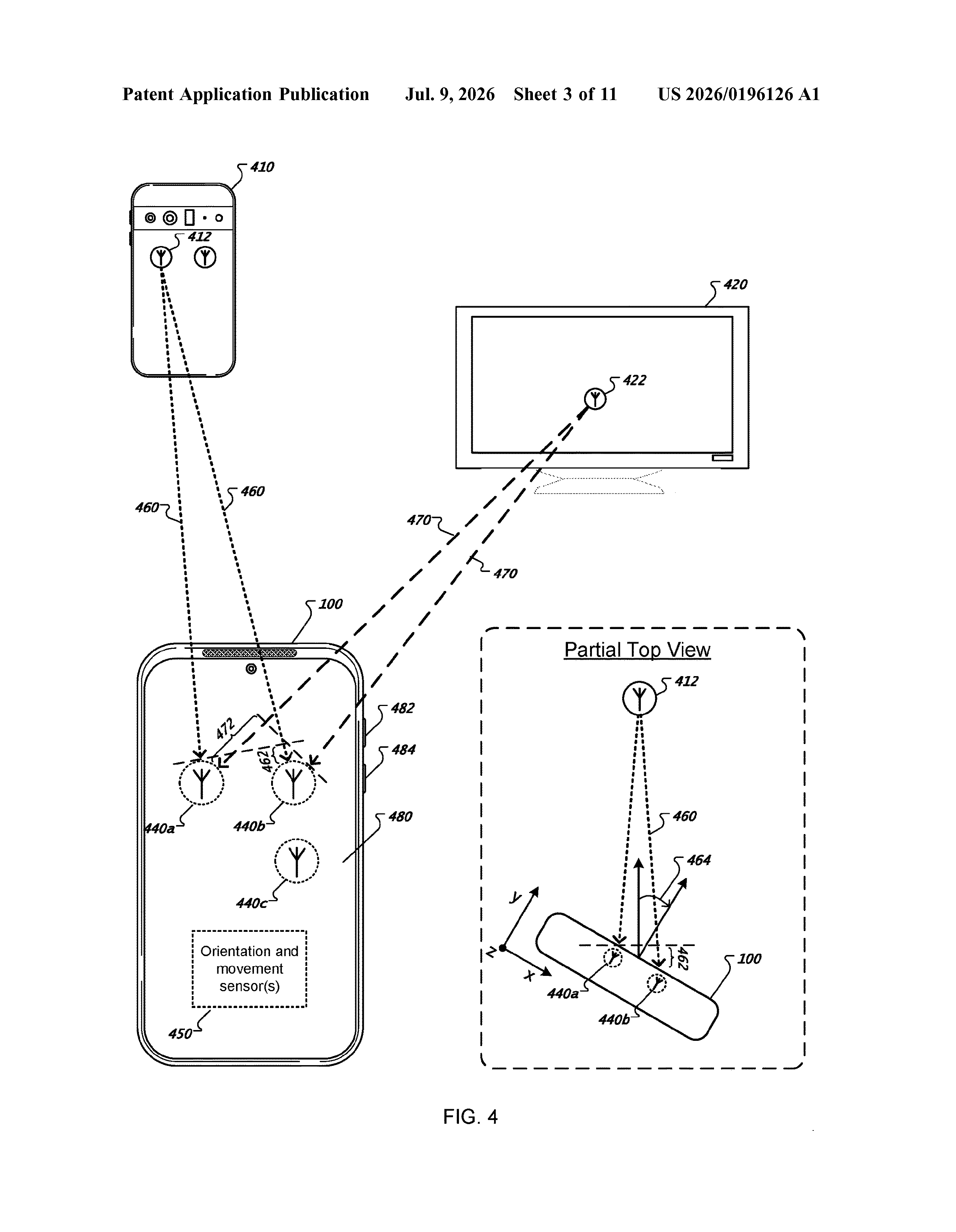
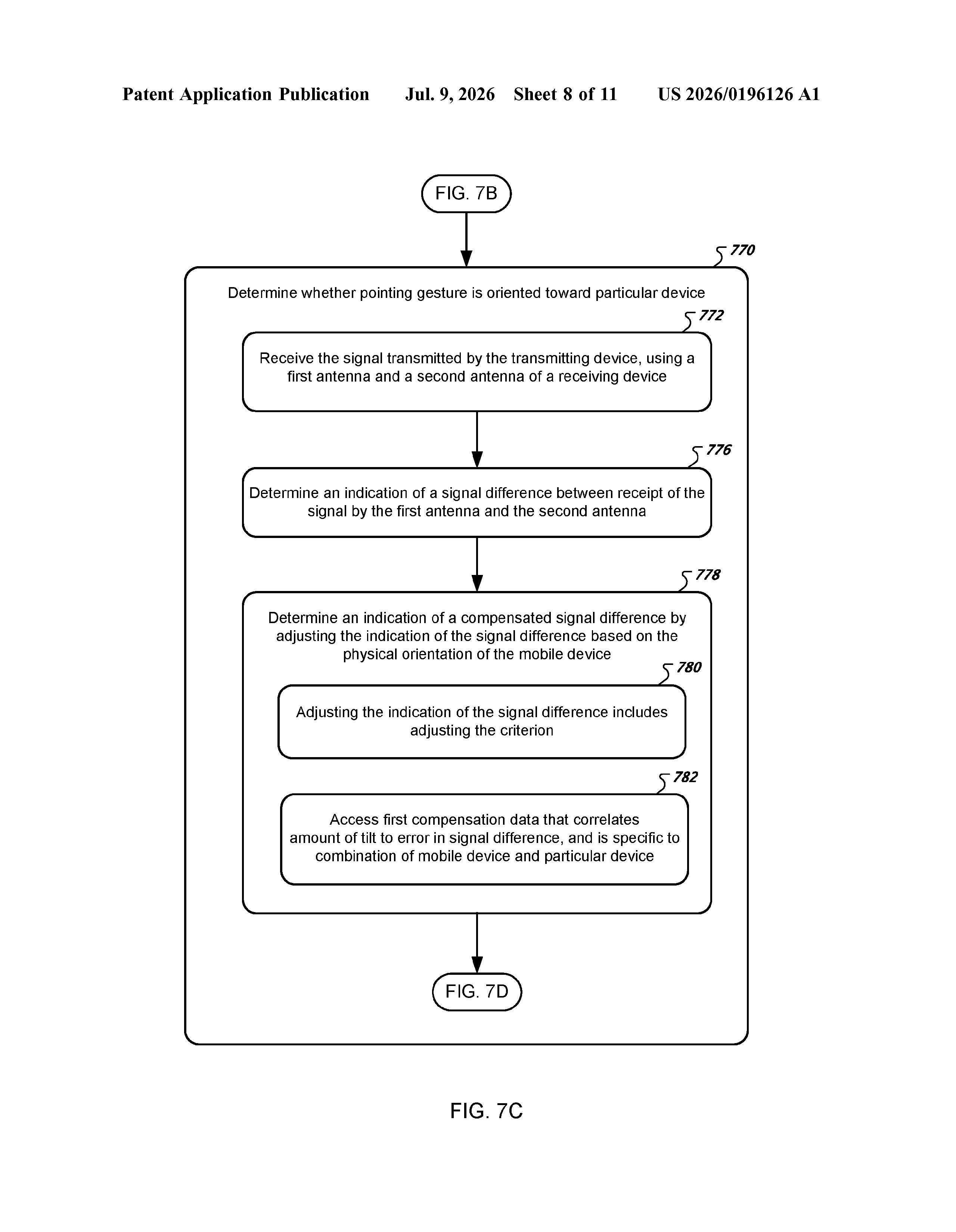
To nail down the target, the system uses two antennas to measure tiny differences in how a wireless signal arrives from each direction. By combining that with your phone's tilt and rotation data, it can pinpoint the device you're pointing toward and automatically start whatever action makes sense, like casting, pairing, or file-sharing.
How two antennas figure out where your phone is aimed
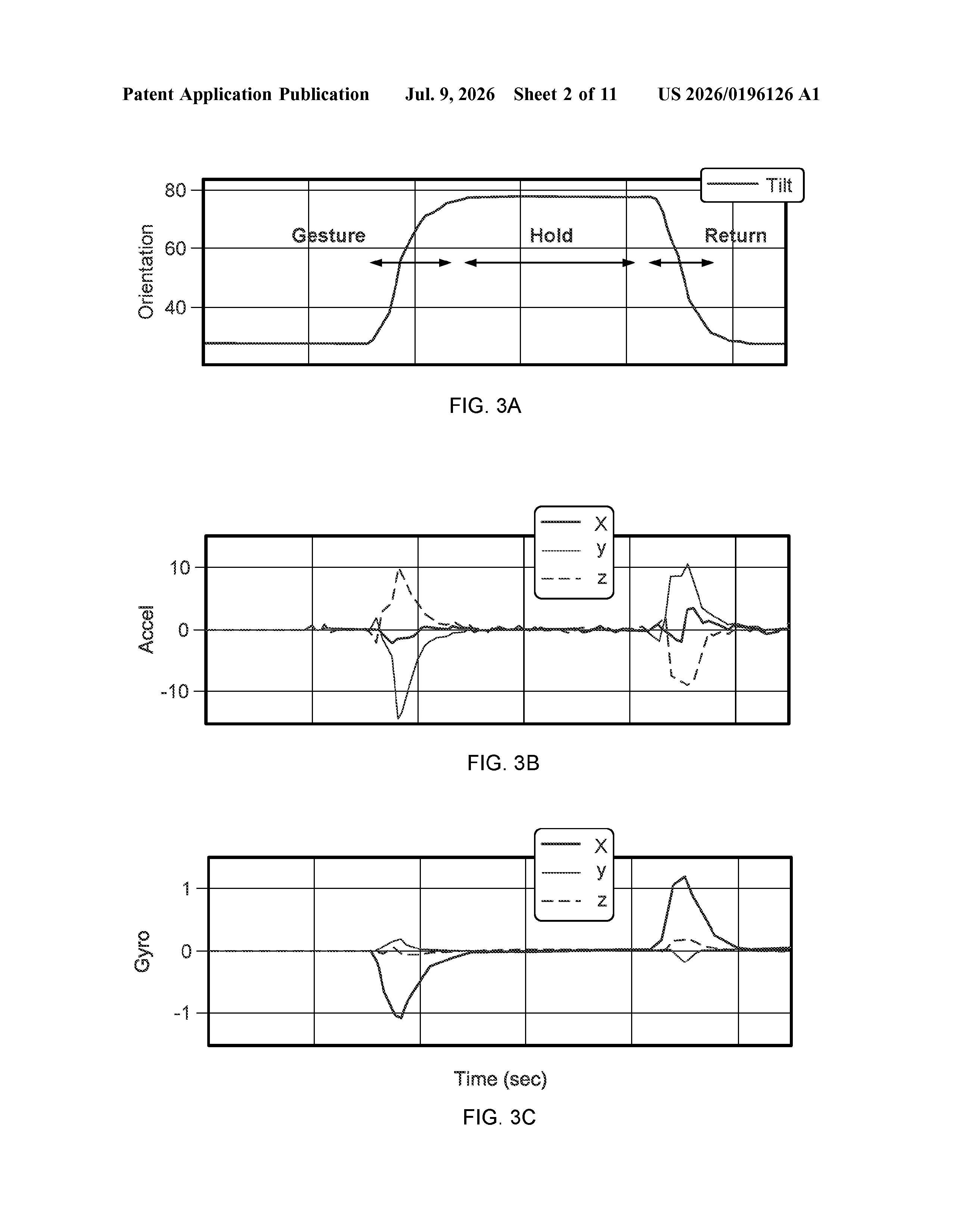
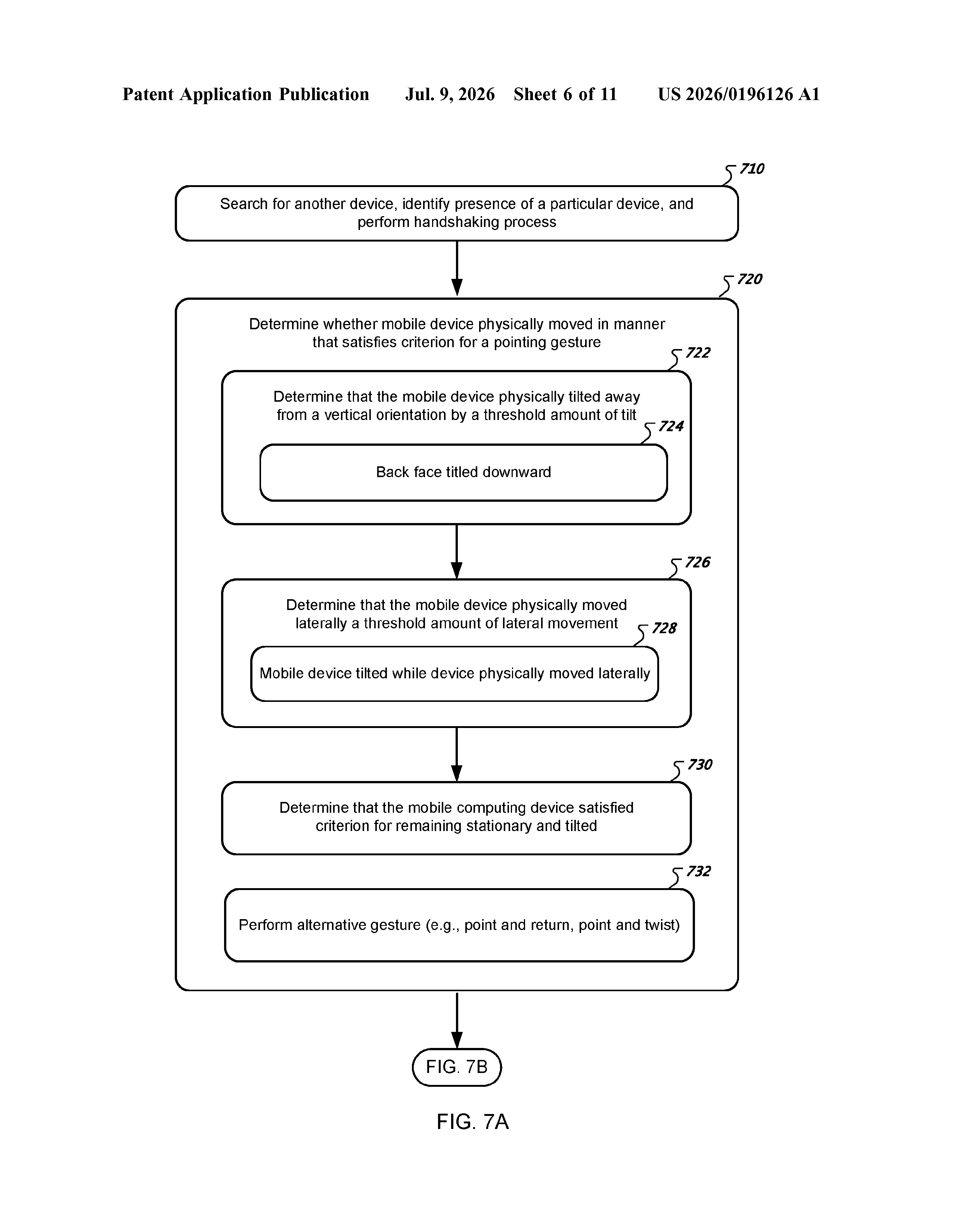
The patent describes a two-step verification system. First, the phone's motion sensors (accelerometer and gyroscope) detect a movement that matches a pointing gesture pattern. Second, the system confirms the gesture is actually aimed at a specific nearby device before doing anything.
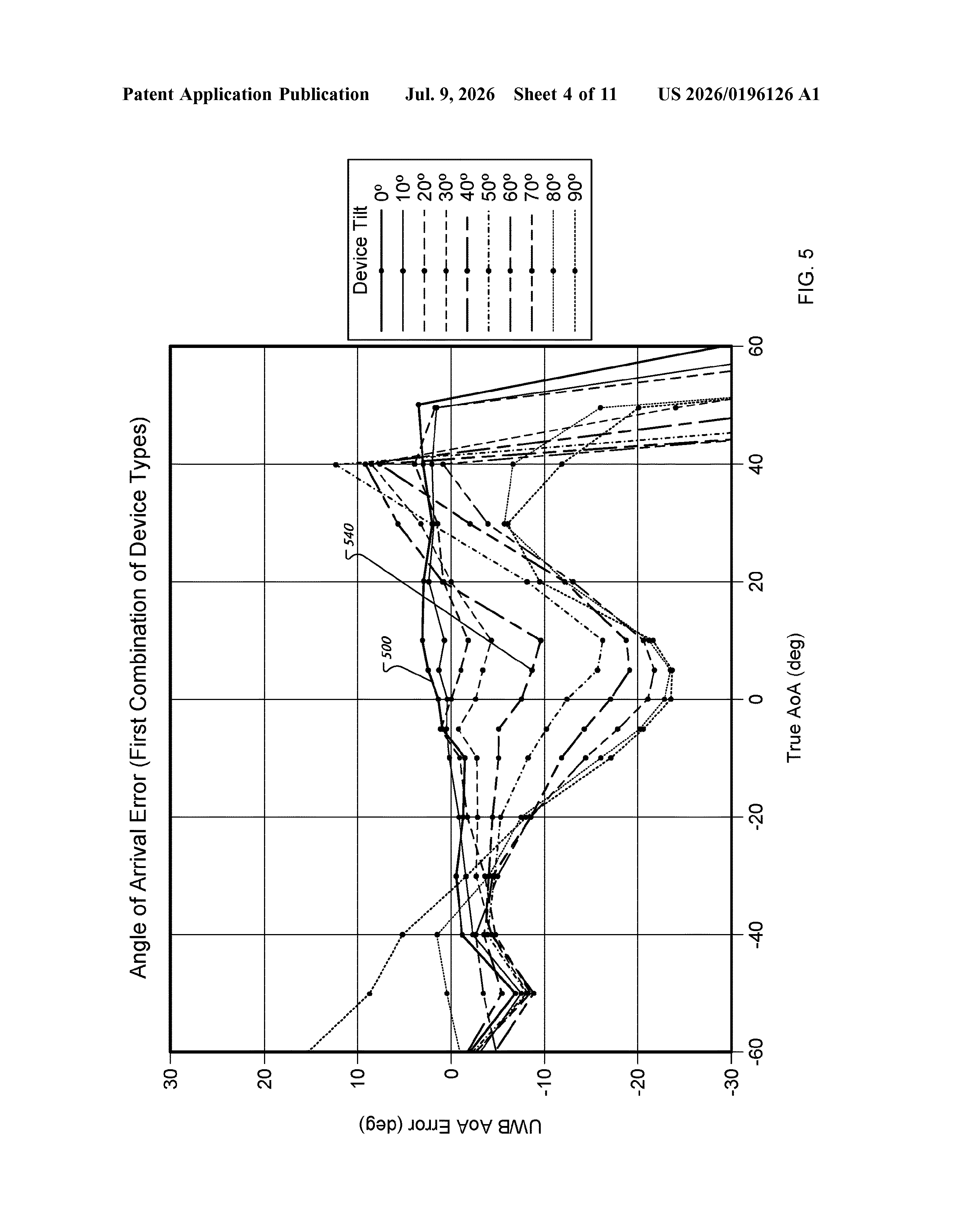
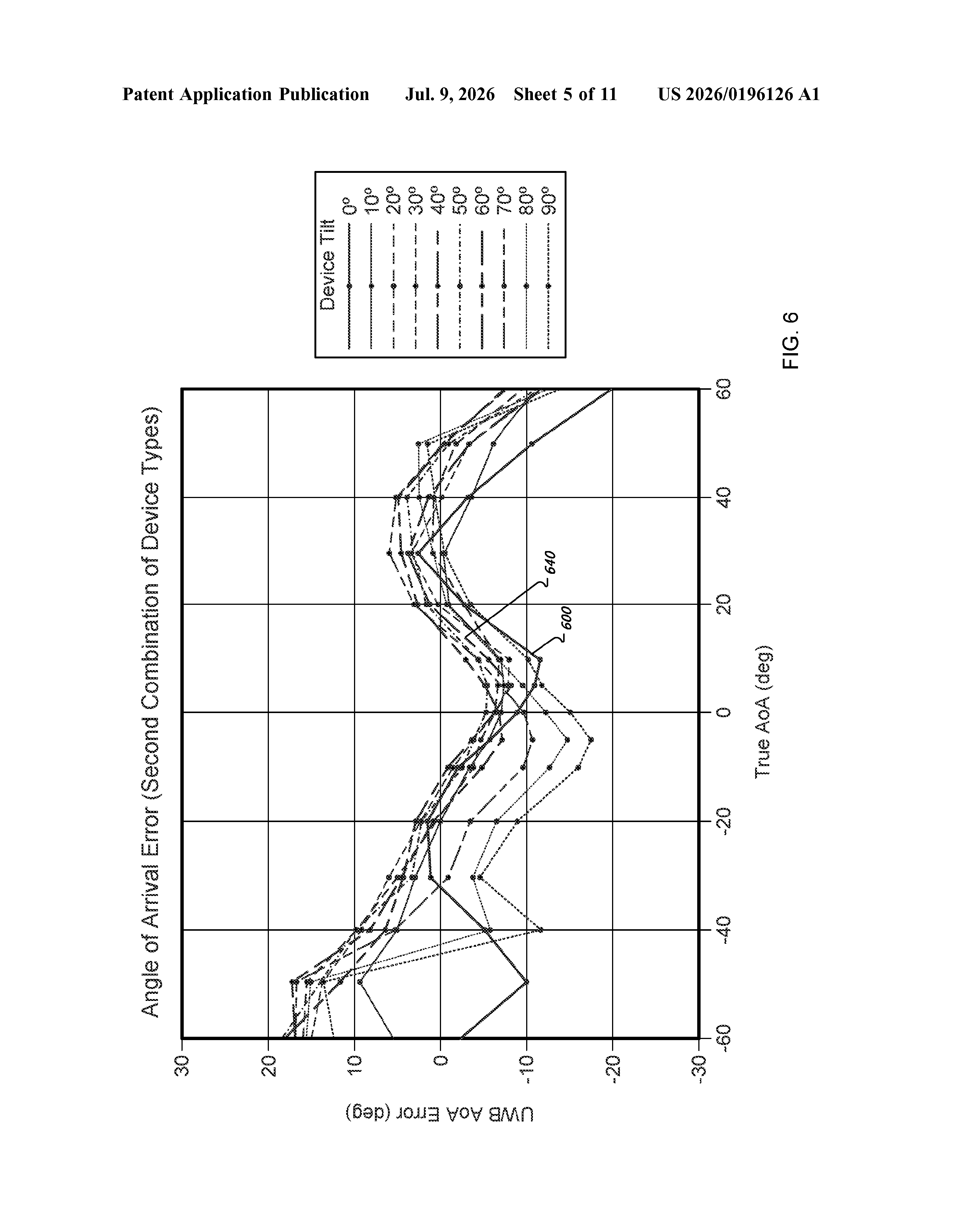
The direction-finding step is the interesting part. It uses two antennas on either the phone or the target device. When a wireless signal arrives, it reaches each antenna at a slightly different time or strength. That difference, called the angle of arrival, reveals which direction the signal came from.
But there's a catch: if your phone is tilted or rotated, those antenna readings get thrown off. The patent specifically addresses this by pulling in the phone's physical orientation data (from the gyroscope) and using it to correct, or "compensate," the antenna readings before making a final call on whether you're pointing at the right device.
Only when both conditions are met, the pointing motion and the corrected directional signal both check out, does the system trigger an action like file transfer, casting, or device pairing.
What this means for sharing and device pairing
Right now, connecting two nearby devices almost always involves menus, app switches, or at minimum a confirmation tap. A gesture-based trigger could make sharing feel closer to handing something to a person. The patent doesn't tie itself to any specific wireless protocol, so it could in theory work over Wi-Fi, Bluetooth, or UWB (ultra-wideband, the short-range radio already inside Pixel and iPhone hardware).
UWB is the detail worth watching here. Google has been expanding UWB support in Pixel phones, and Android already has device-sharing features like Nearby Share. A pointing gesture layer on top of that infrastructure would be a natural next step, and it's the kind of friction-reducing feature that tends to show up first in flagship phones before spreading to the broader Android ecosystem.
This is a genuinely useful idea solving a real annoyance. The dual-antenna orientation-compensation detail shows Google has thought past the obvious problem (pointing detection) to the harder one (knowing which device you actually mean in a room full of them). Whether it ships as a polished feature or stays a patent is another matter, but the technical groundwork here is more complete than most device-pairing patents.
Get our take in your Top Stories
Liked this breakdown? Add Patentlyze as a preferred source on Google, and our plain-English take shows up more often in your Top Stories the next time Google patent news breaks.
There are more where this came from
We read every patent application Big Tech publishes and send you the ones worth knowing. Plain English, free, every week.
The drawings
11 drawing sheets from US 2026/0196126 A1 · click any drawing to enlarge
Want this weekly breakdown for a company we don't cover? Patentlyze Pro →