
Google Patent Targets Video Search Snippets That Match Your Exact Query
Right now, every Google Search result shows the same generic video description no matter what you typed. This patent describes a system that would write a brand-new description for each video based specifically on your search query.
How Google would rewrite video blurbs per search query
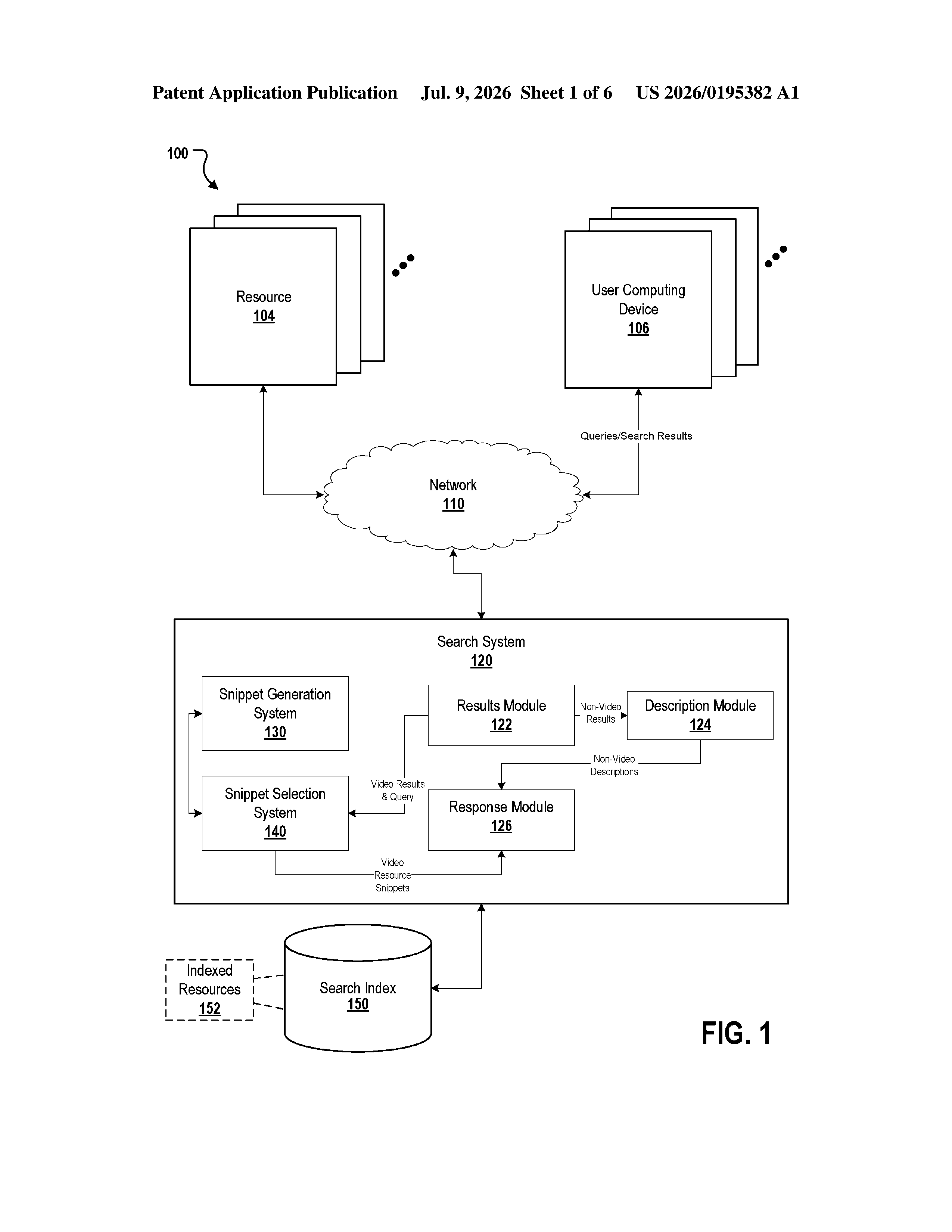
Imagine you search for "how to fix a leaky faucet" and Google shows you a plumbing video. Today, the little blurb under that video is basically the same text everyone sees, copied from the video's page. Google's patent describes a different approach: an AI that reads your specific search query and then writes a custom description of the video that directly addresses what you were looking for.
So if someone else searches "bathroom plumbing tips," they might see the same video but with a slightly different description that highlights the bathroom-specific parts. The idea is that the snippet you read before clicking should feel like it was written for your question, not just pasted from the video's about page.
There's also a quality check built in. Before any AI-written description goes live, the system scores how well it actually matches the video's real content. If the description starts making things up or drifts too far from what the video covers, it gets rejected.
How the groundedness score keeps AI descriptions honest
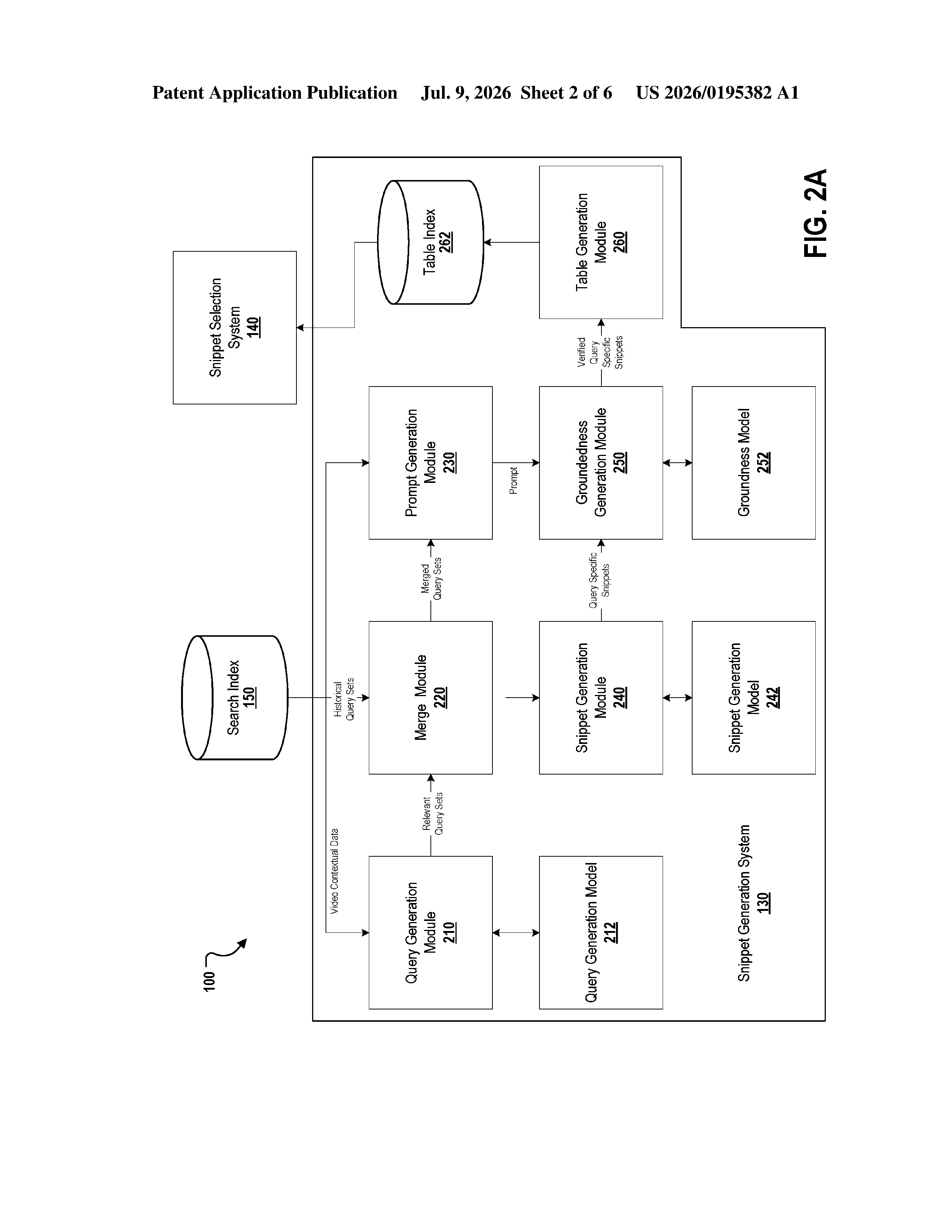
The system works in several connected steps:
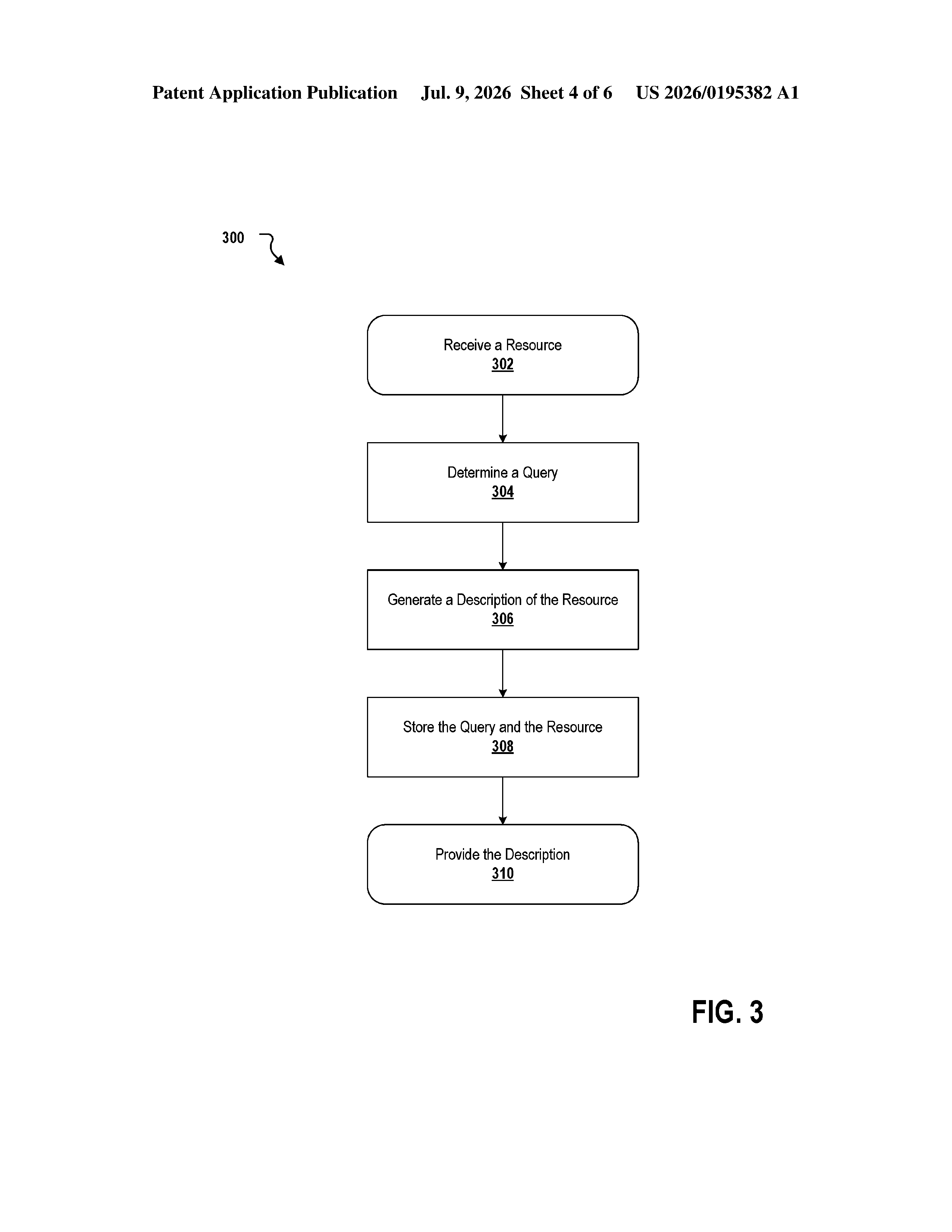
- Query generation: For a given video, the system first figures out what kinds of searches would lead someone to that video as a relevant result.
- Prompt construction: It then builds a prompt for a generative AI model (like a large language model) that includes both the inferred search query and descriptive content about the video, such as transcripts, captions, or metadata.
- Description generation: The AI writes a description tailored to how that query relates to the video's content.
- Groundedness scoring: A groundedness score measures how well the generated description aligns with the actual video content, not just the query. Think of it as a fact-check: does the description accurately reflect what's in the video, or did the AI invent details? Only descriptions that pass a minimum threshold get saved and served.
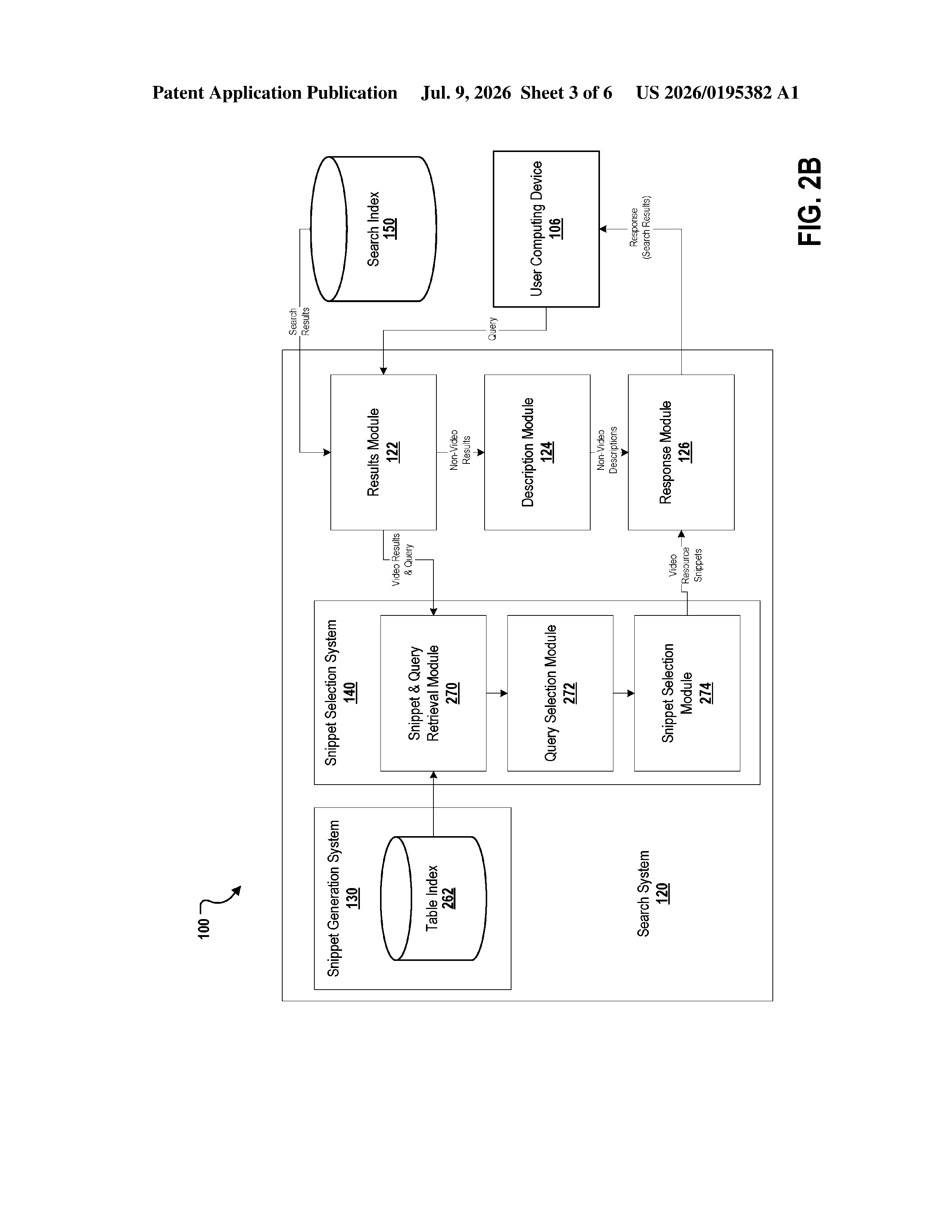
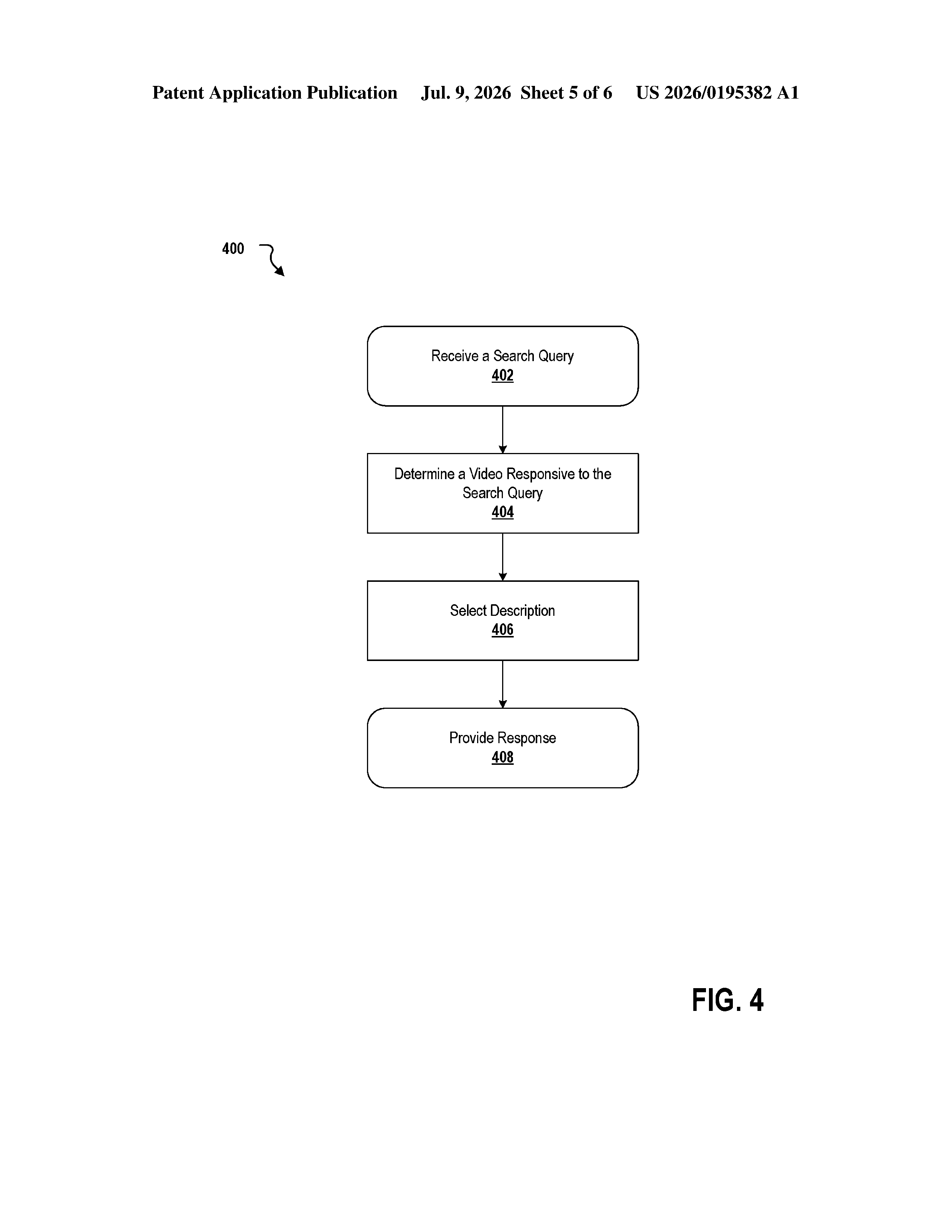
The stored query-description pairs are then retrieved when a matching search happens, so the right tailored snippet appears in your results. This is closer to on-demand content generation than a static database lookup.
What this means for video discovery on Google Search
Most people decide whether to click a search result based on the two-line snippet they see. If that snippet is just recycled text from a video's description page, it may not actually answer whether the video is worth your time for your specific question. Query-dependent descriptions would make those snippets do a better job of matching intent before you click.
For Google, this also has a strategic angle: as AI-generated content floods the web, making search results more personally relevant at the snippet level is one way to keep users from bouncing. For video creators, it could mean their content surfaces more effectively across a wider range of searches, since the same video could now appear with multiple targeted descriptions instead of one generic one.
This is a genuinely useful idea buried in unglamorous infrastructure work. The groundedness check is the part worth paying attention to: Google is essentially building a self-policing layer into AI-generated search text, which matters a lot given how often AI models confidently describe things that aren't there. Whether this scales to billions of videos without producing misleading snippets is the real question.
Get our take in your Top Stories
Liked this breakdown? Add Patentlyze as a preferred source on Google, and our plain-English take shows up more often in your Top Stories the next time Google patent news breaks.
There are more where this came from
We read every patent application Big Tech publishes and send you the ones worth knowing. Plain English, free, every week.
The drawings
6 drawing sheets from US 2026/0195382 A1 · click any drawing to enlarge
Want this weekly breakdown for a company we don't cover? Patentlyze Pro →