
Google Patent: AI Learns From User Reactions While Keeping Data On-Device
Google is patenting a way to make its AI models learn from what you like and dislike, without ever shipping your actual inputs to a server. The trick: only a compressed mathematical fingerprint of the AI's internal state leaves your device.
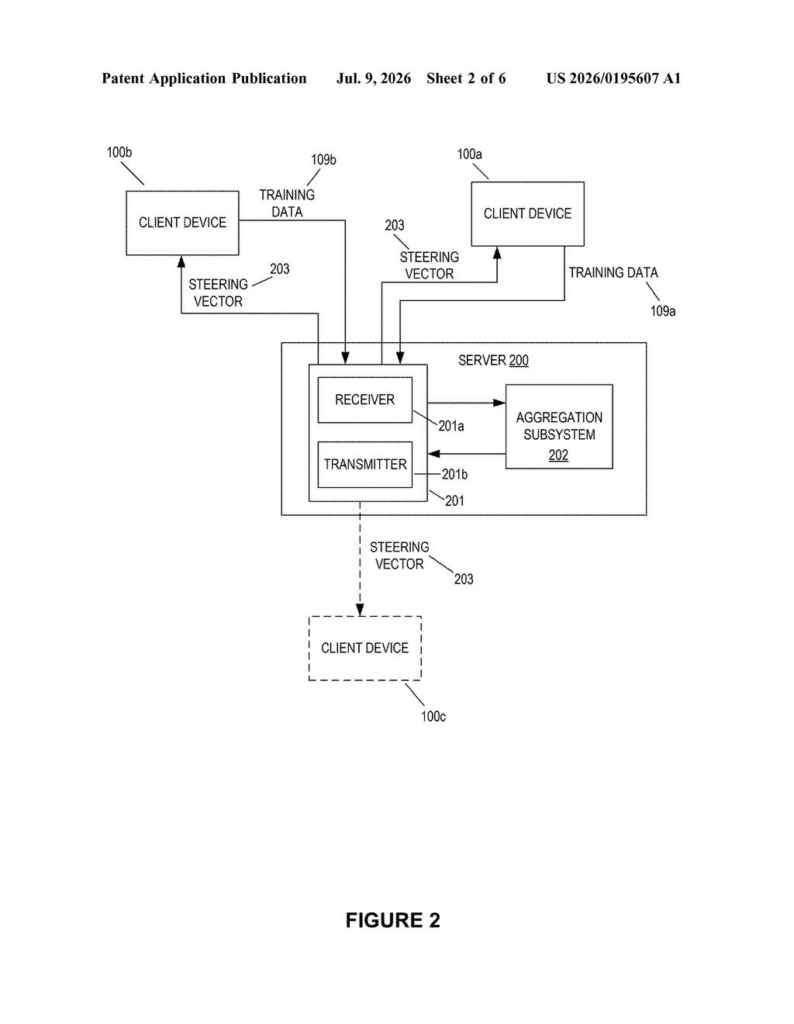
How Google's on-device AI feedback loop works
Imagine you ask an AI assistant a question and its answer misses the mark. You correct it or give a thumbs-down. Normally, training an AI on that feedback means sending your original question, the AI's response, and other details back to a company's servers. Google's patent describes a different approach.
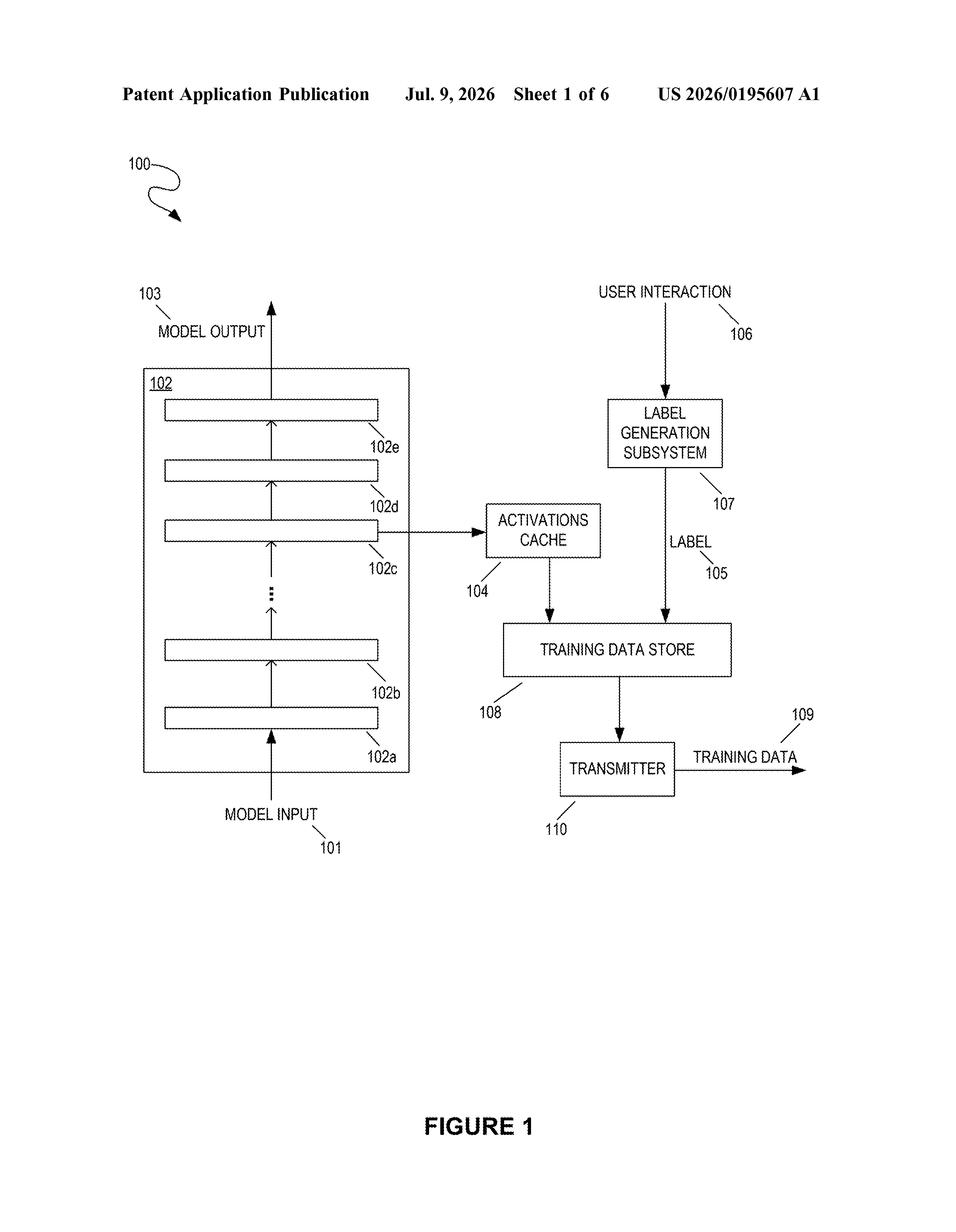
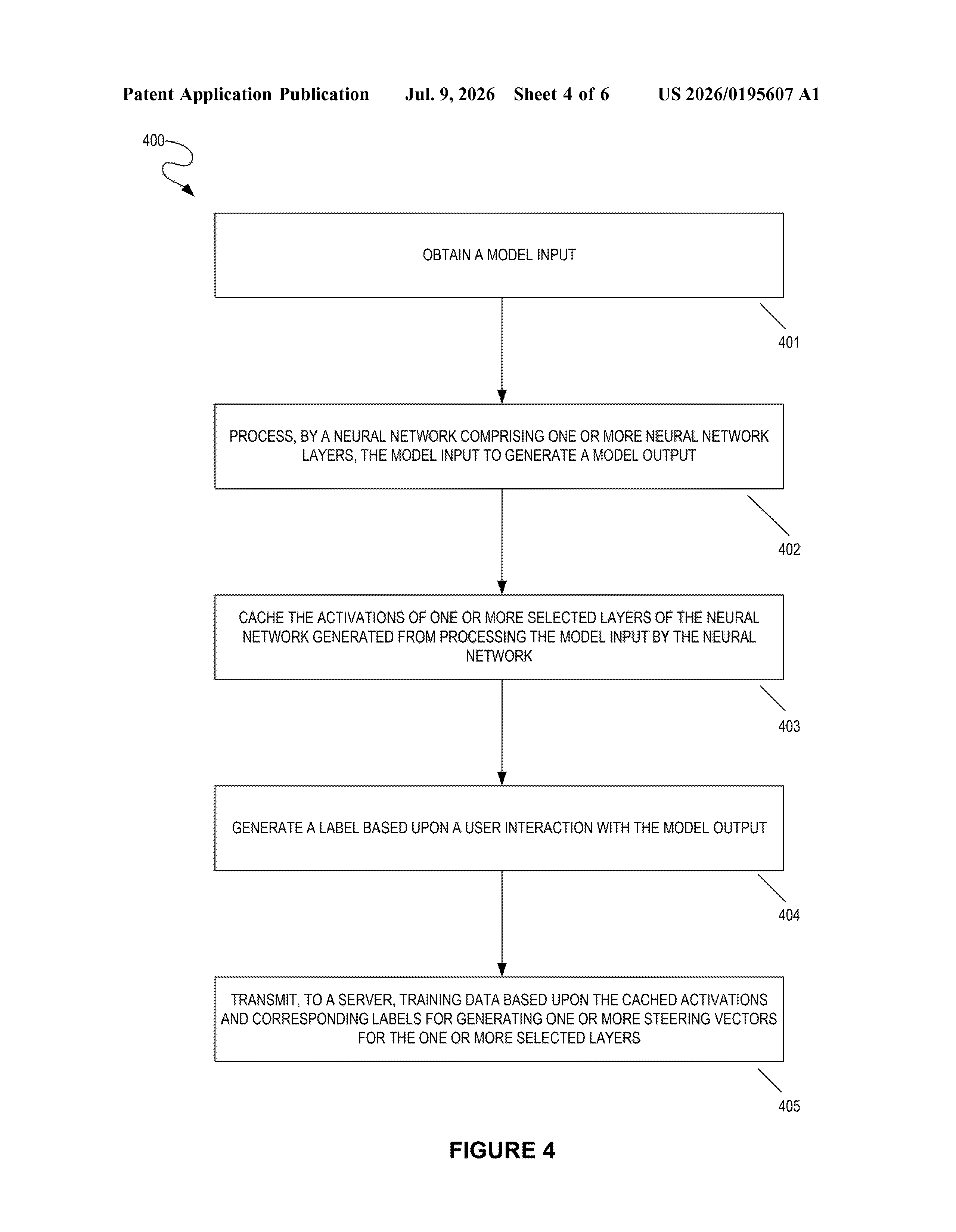
Instead of uploading your raw data, your device saves a snapshot of the AI's internal calculations at the moment it generated that answer. When you signal that the answer was wrong (or right), your device packages that internal snapshot together with your feedback label and sends only that to Google's servers.
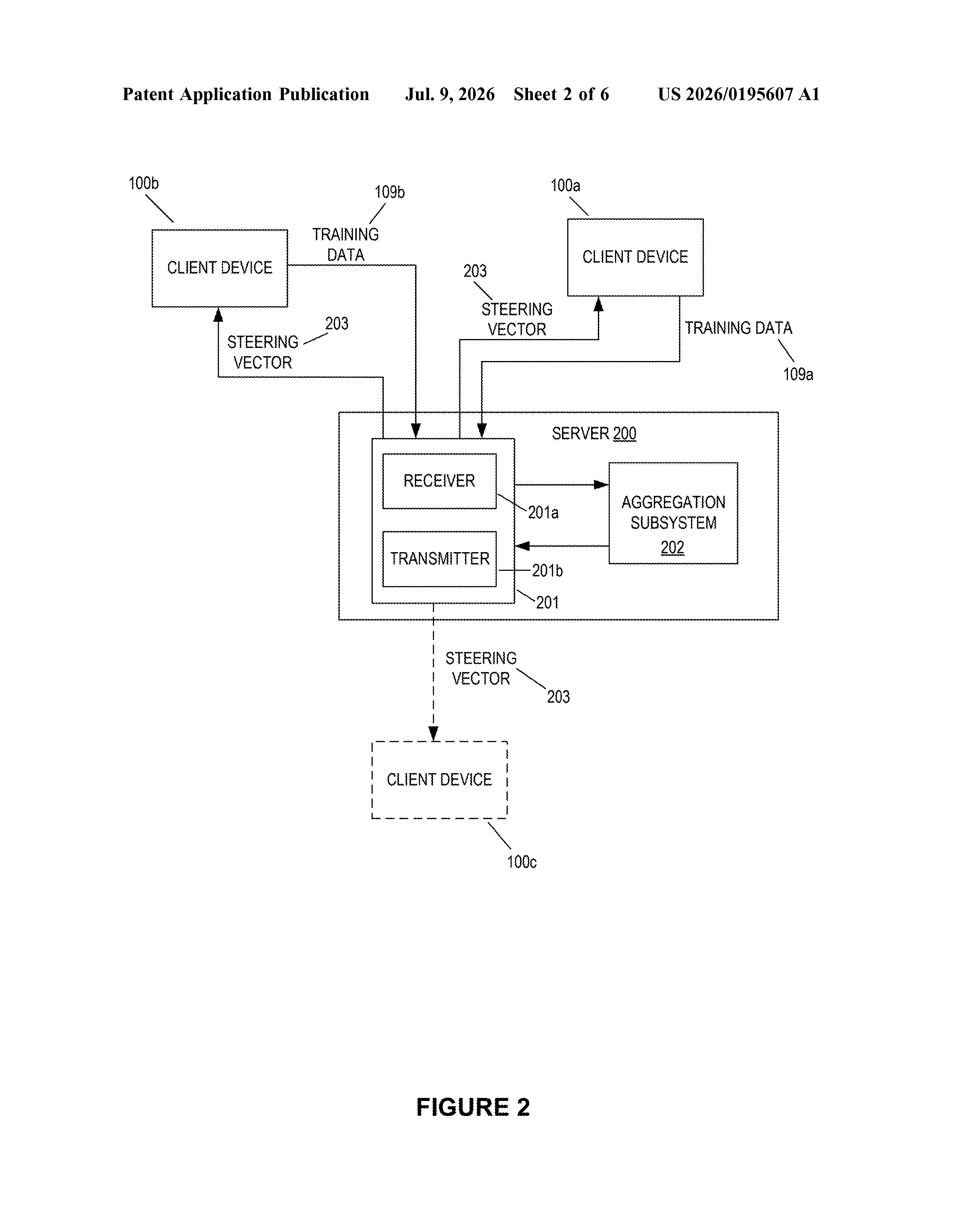
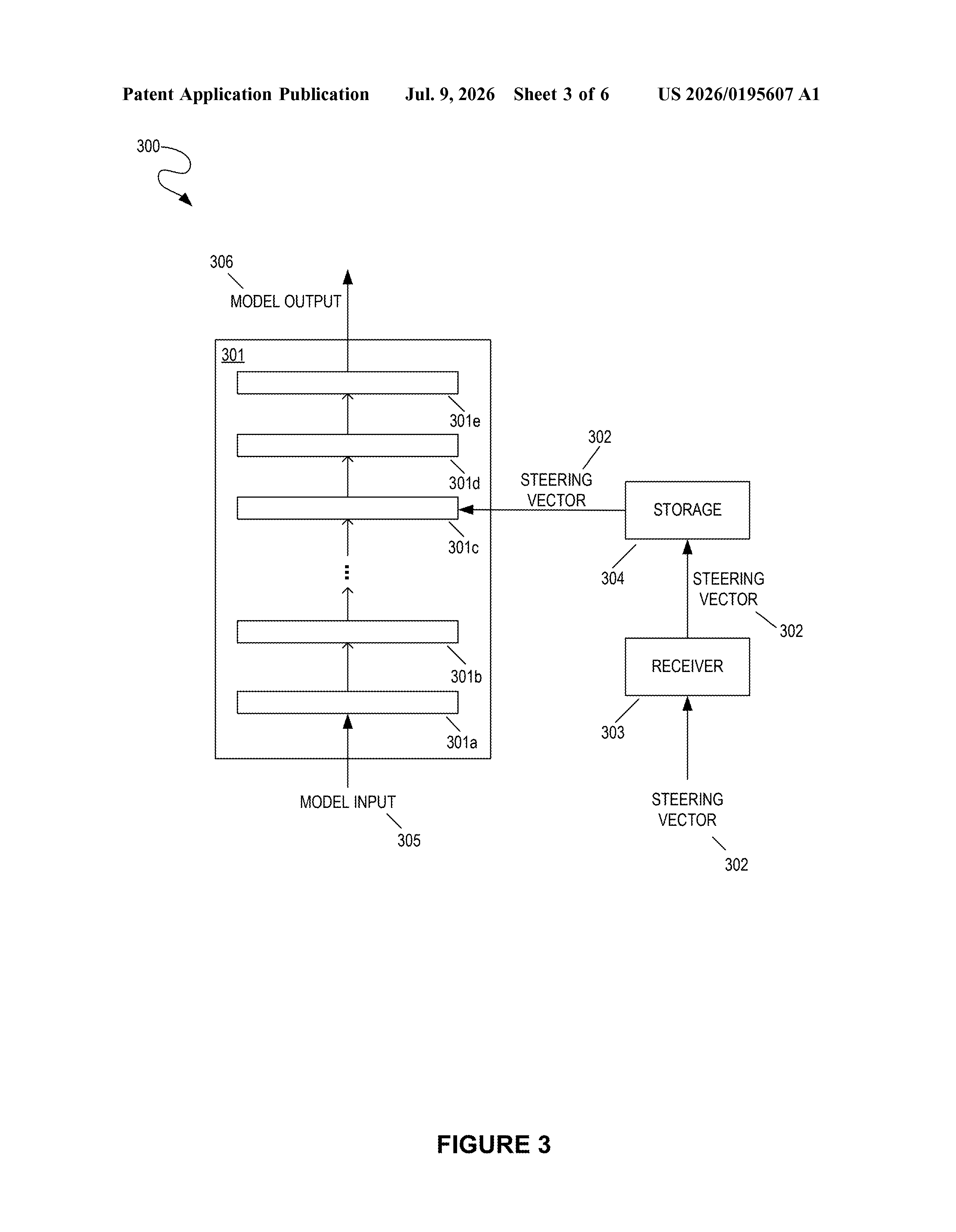
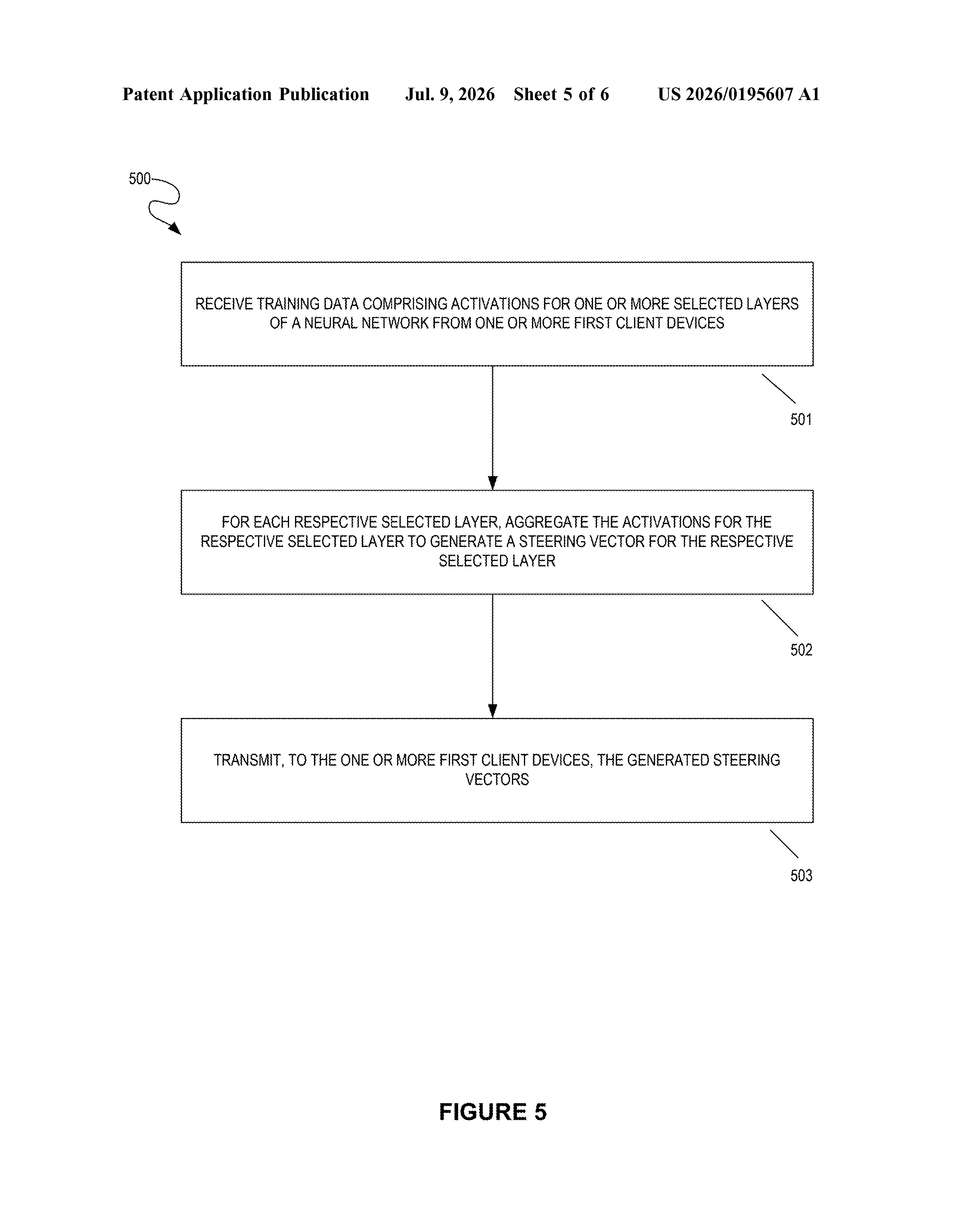
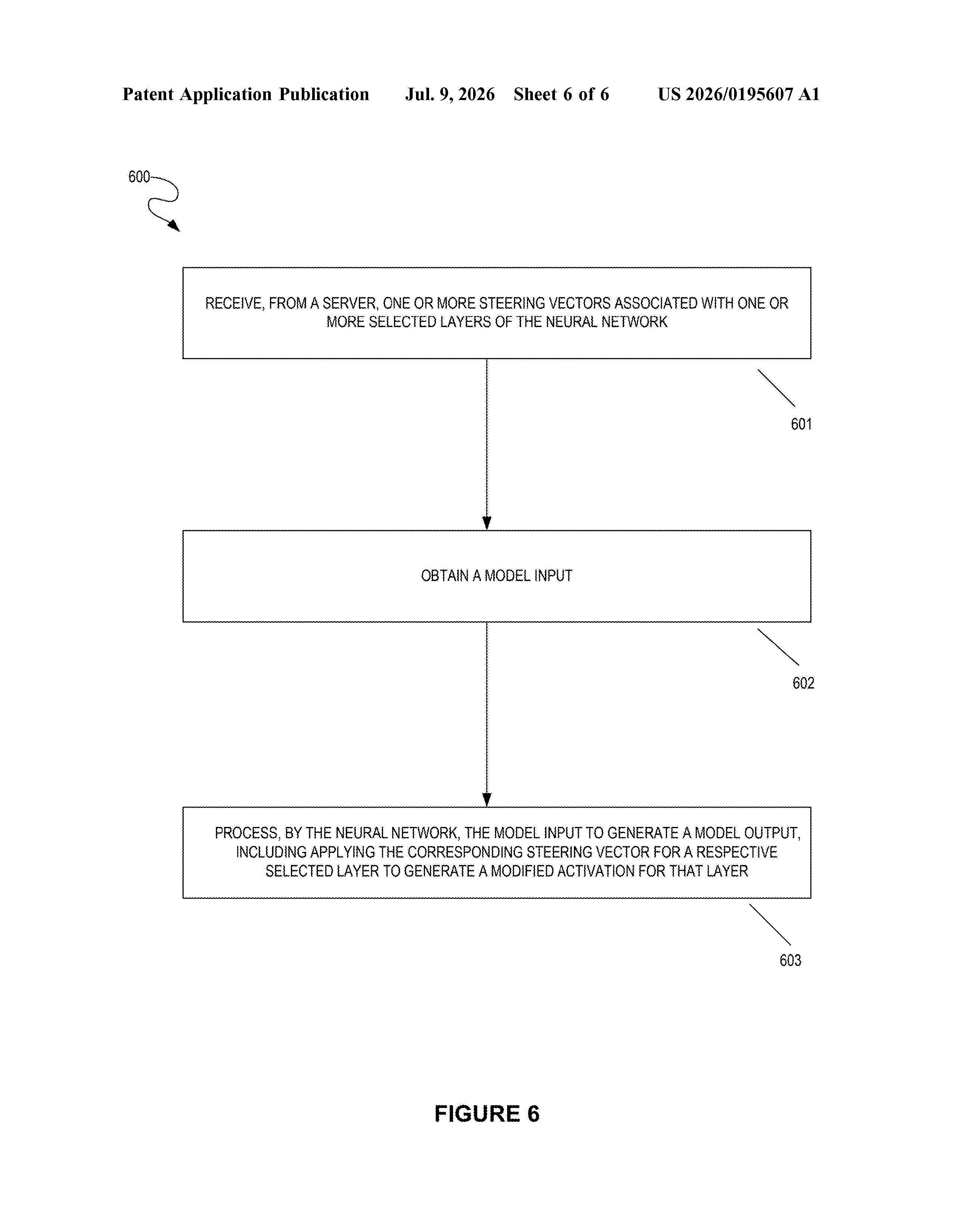
Google's servers then use thousands of these compact snapshots from many users to build what the patent calls steering vectors: small mathematical nudges that subtly redirect how the AI thinks, without retraining the whole model from scratch. Those vectors can then be pushed back down to your device, making the AI a little better at responding the way you prefer.
How steering vectors get built from cached activations
The patent describes a federated learning system (a technique where model training happens across many devices rather than on one central server, keeping raw data local) with an added twist: instead of sending gradients or model weights, client devices send something called activation caches.
Here's the step-by-step flow:
- A neural network on your device processes an input, such as a question typed to an AI assistant.
- The device records the internal activations (the numerical values produced inside specific layers of the network as it "thinks" through the input) and saves them temporarily.
- You interact with the output, perhaps by correcting it, rating it, or selecting a preferred response. That interaction becomes a label (a signal indicating good or bad).
- Your device sends only the cached activations and the label to Google's server, not your original input.
- The server aggregates these from many users to compute steering vectors: compact directional adjustments that can be applied to specific network layers to shift the model's behavior without a full retraining pass.
Steering vectors are an emerging technique in AI research. Think of them as a lightweight dial that you turn on a specific part of the model to push its outputs in a preferred direction, much cheaper to compute and apply than retraining the whole network.
What this means for private, personalized AI assistants
For users, this approach could mean AI assistants that improve based on how you actually use them, without the privacy cost of uploading your conversations. The cached activations are mathematically derived representations rather than your original words, which is a meaningful step away from raw data collection, even if it is not a total privacy guarantee.
For Google, the strategic value is clear: the company runs AI assistants across Android, Pixel devices, and Google Workspace, and all of them could benefit from personalized feedback loops. If steering vectors prove efficient enough, Google could ship model improvements more frequently and at lower computational cost than traditional fine-tuning, while pointing to the federated architecture as a privacy differentiator against competitors.
This is genuinely interesting work sitting at the intersection of two active research areas: federated learning and activation-based model steering. The privacy framing is real, not just marketing, but readers should note that 'activations' are not perfectly opaque either. The more significant story is efficiency: steering vectors are much cheaper to compute than full gradient updates, and this patent suggests Google is betting on them as a practical personalization tool at scale.
Get our take in your Top Stories
Liked this breakdown? Add Patentlyze as a preferred source on Google, and our plain-English take shows up more often in your Top Stories the next time Google patent news breaks.
There are more where this came from
We read every patent application Big Tech publishes and send you the ones worth knowing. Plain English, free, every week.
The drawings
6 drawing sheets from US 2026/0195607 A1 · click any drawing to enlarge
Want this weekly breakdown for a company we don't cover? Patentlyze Pro →