
IBM Patent: Federated AI Learns From Private Data Without Ever Exposing It
IBM has filed a patent for a way to train a machine learning model across multiple organizations' private databases without any single party ever seeing another's raw records. The trick is mathematical noise that hides individual data points while still letting the AI learn from them.
How IBM keeps your data local while still training AI
Imagine three hospitals each holding patient records that could collectively train a life-saving AI model. The problem: none of them can legally hand those records to the others or to a central server. IBM's patent describes a system designed to solve exactly that.
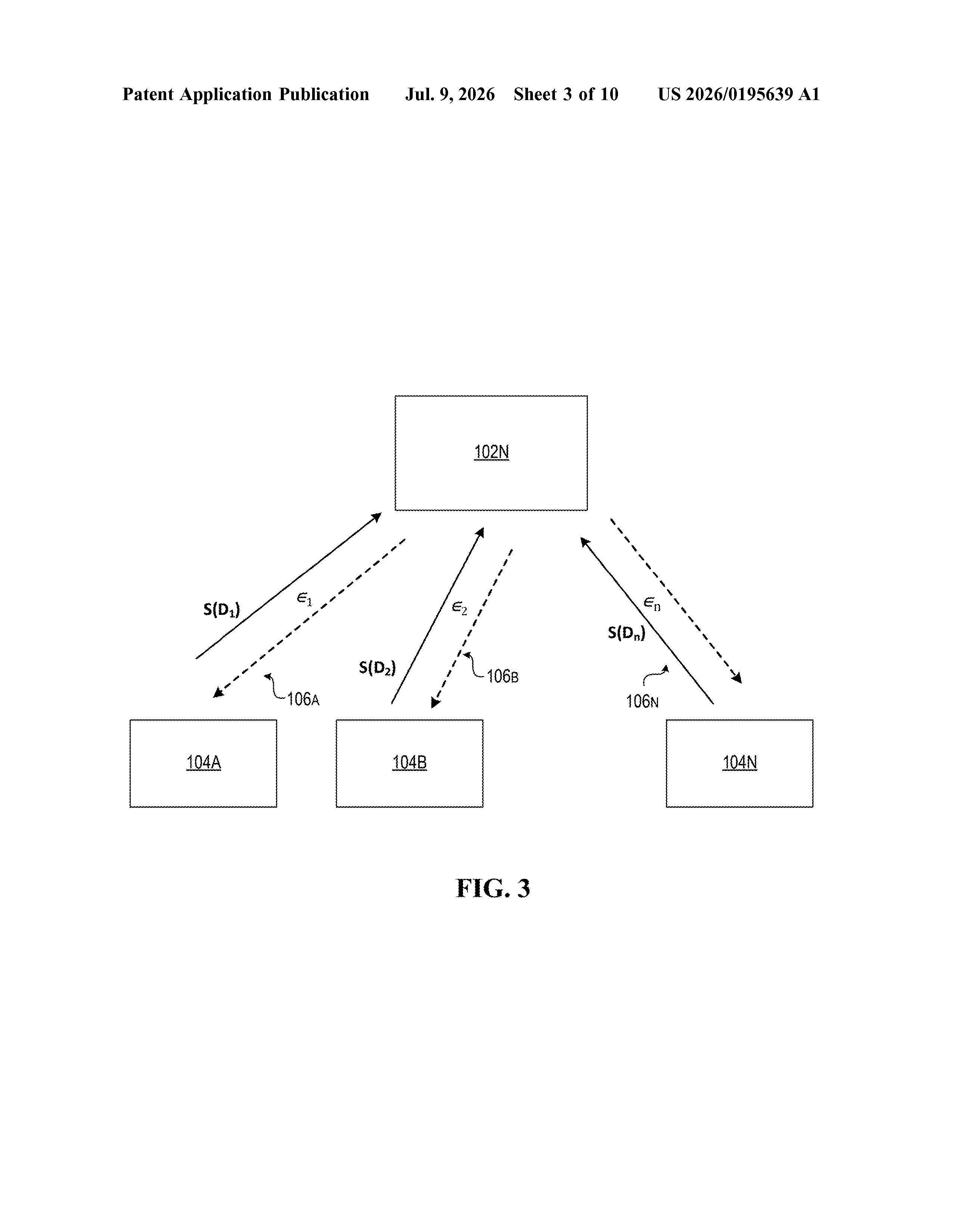
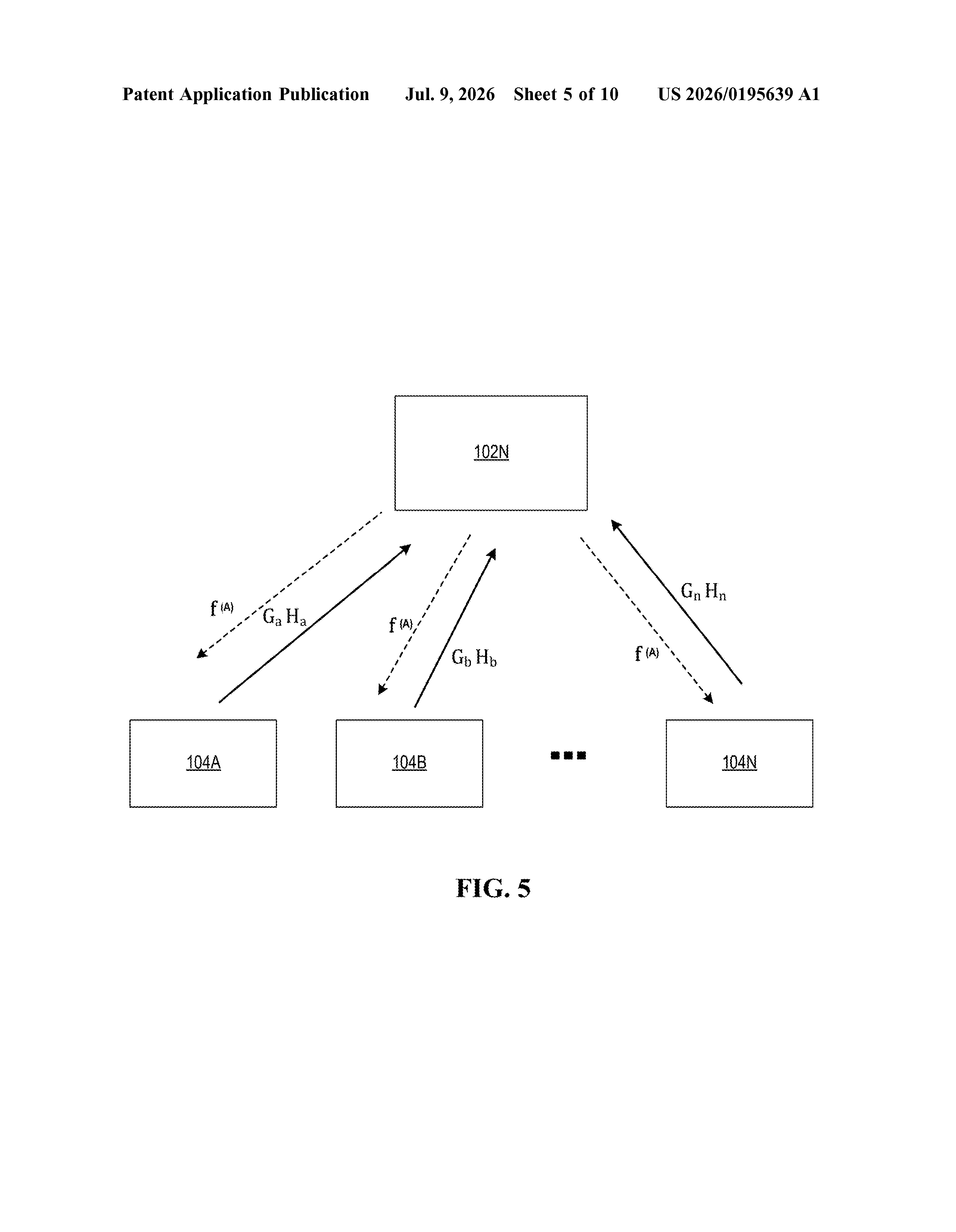
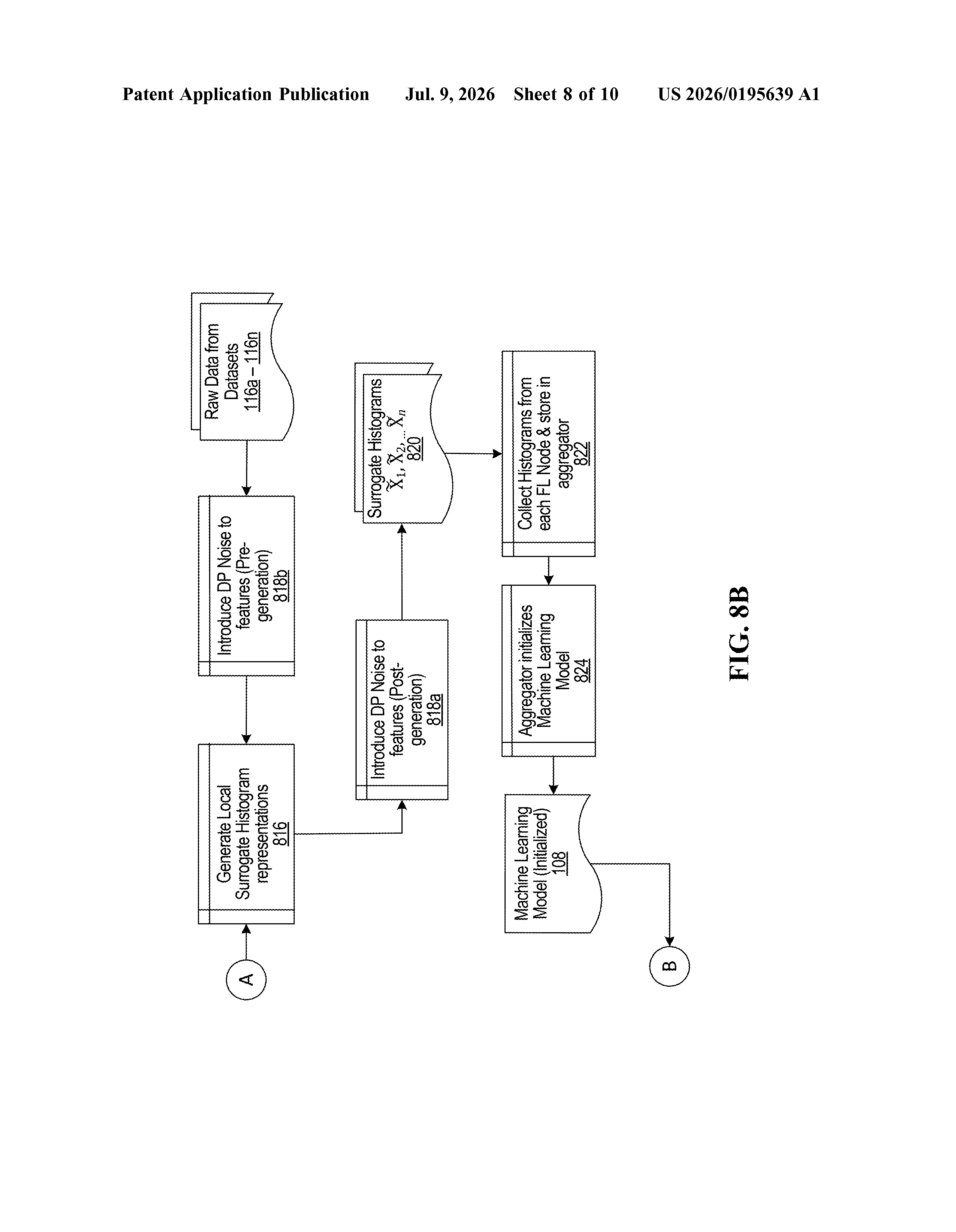
Each hospital keeps its data locally and instead sends a heavily scrambled summary to a central coordinator. The scrambling (adding carefully calibrated random noise) is strong enough to prevent the coordinator from reverse-engineering any individual patient's information, but mild enough that the AI can still learn meaningful patterns across all three datasets.
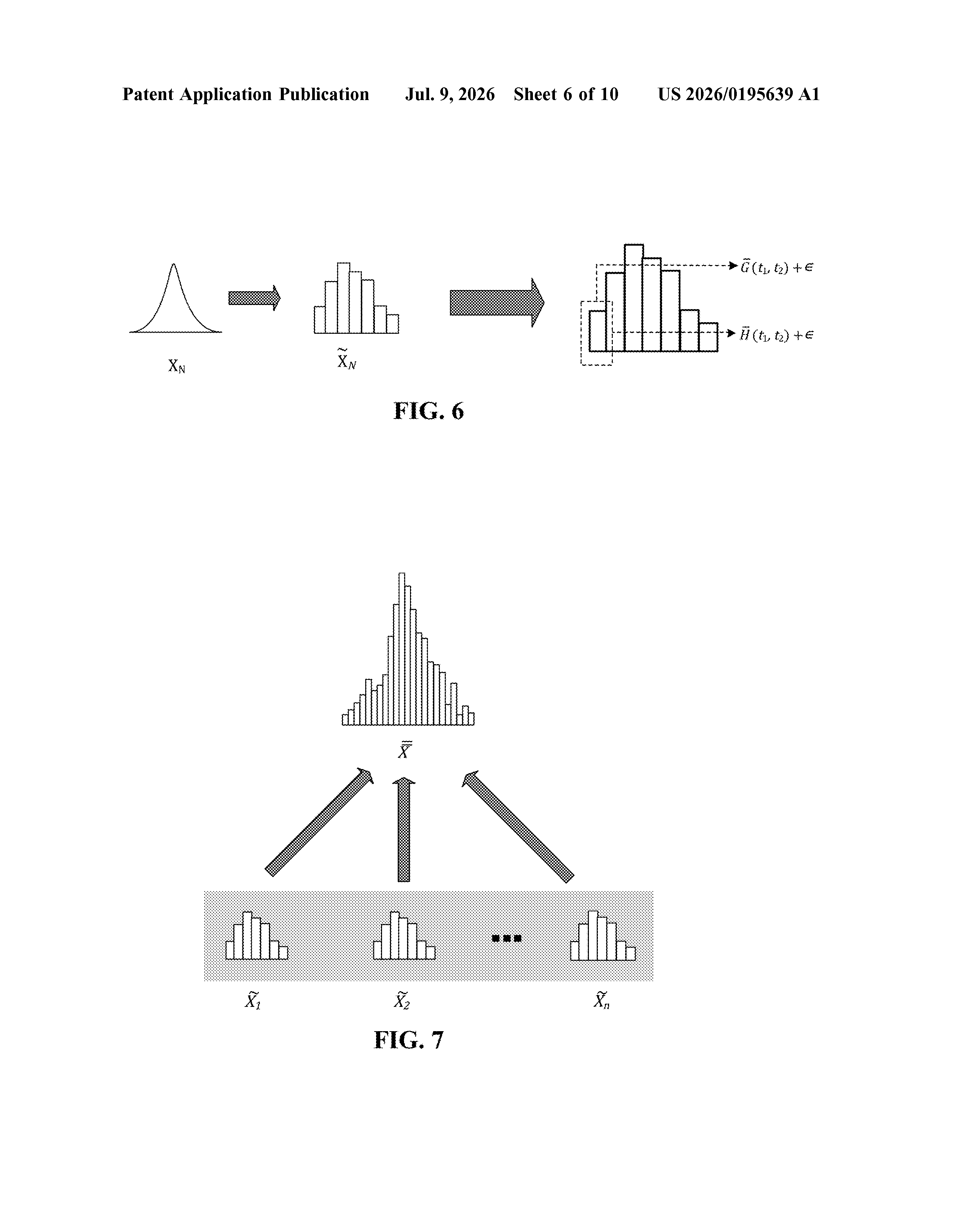
The coordinator stitches together those fuzzy summaries, builds a decision-making model, ships it back to the hospitals for a second round of feedback, and repeats. The result is a trained AI that benefited from all three hospitals' data without any of it ever leaving home. You get collaborative intelligence without the privacy liability.
How the noise-infused histogram system actually works
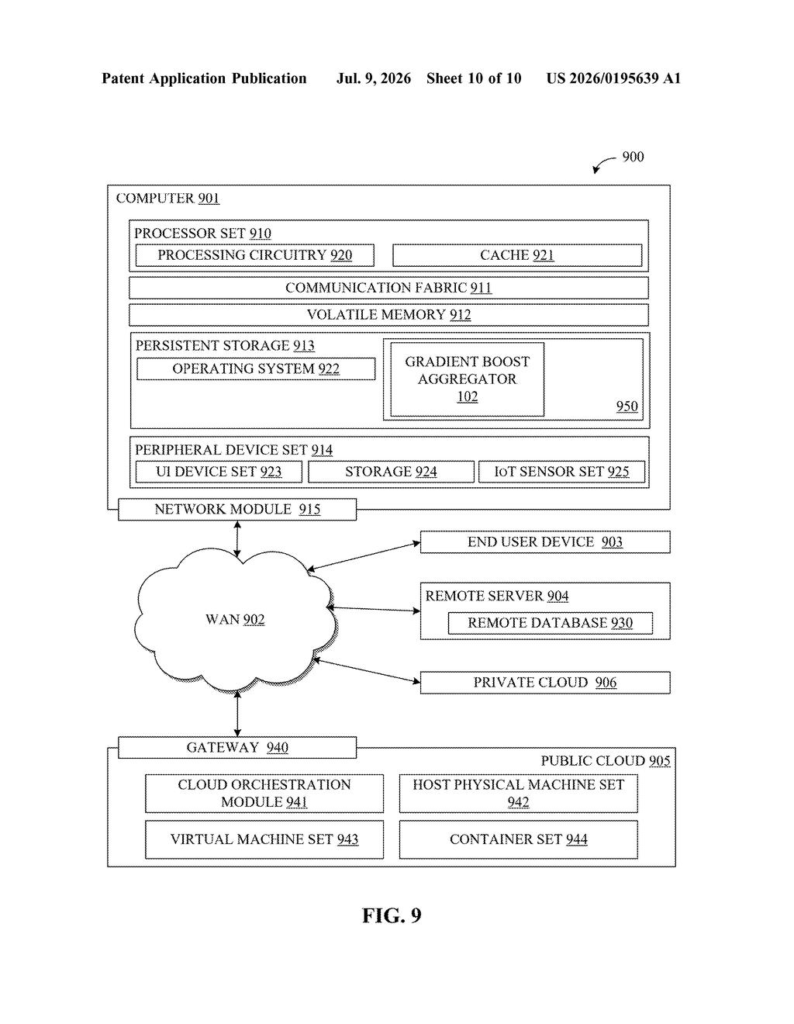
The system uses two well-established techniques in combination: federated learning (training a model across many separate computers without moving their data to one place) and differential privacy (adding precisely tuned random noise to data summaries so that no individual record can be identified from them).
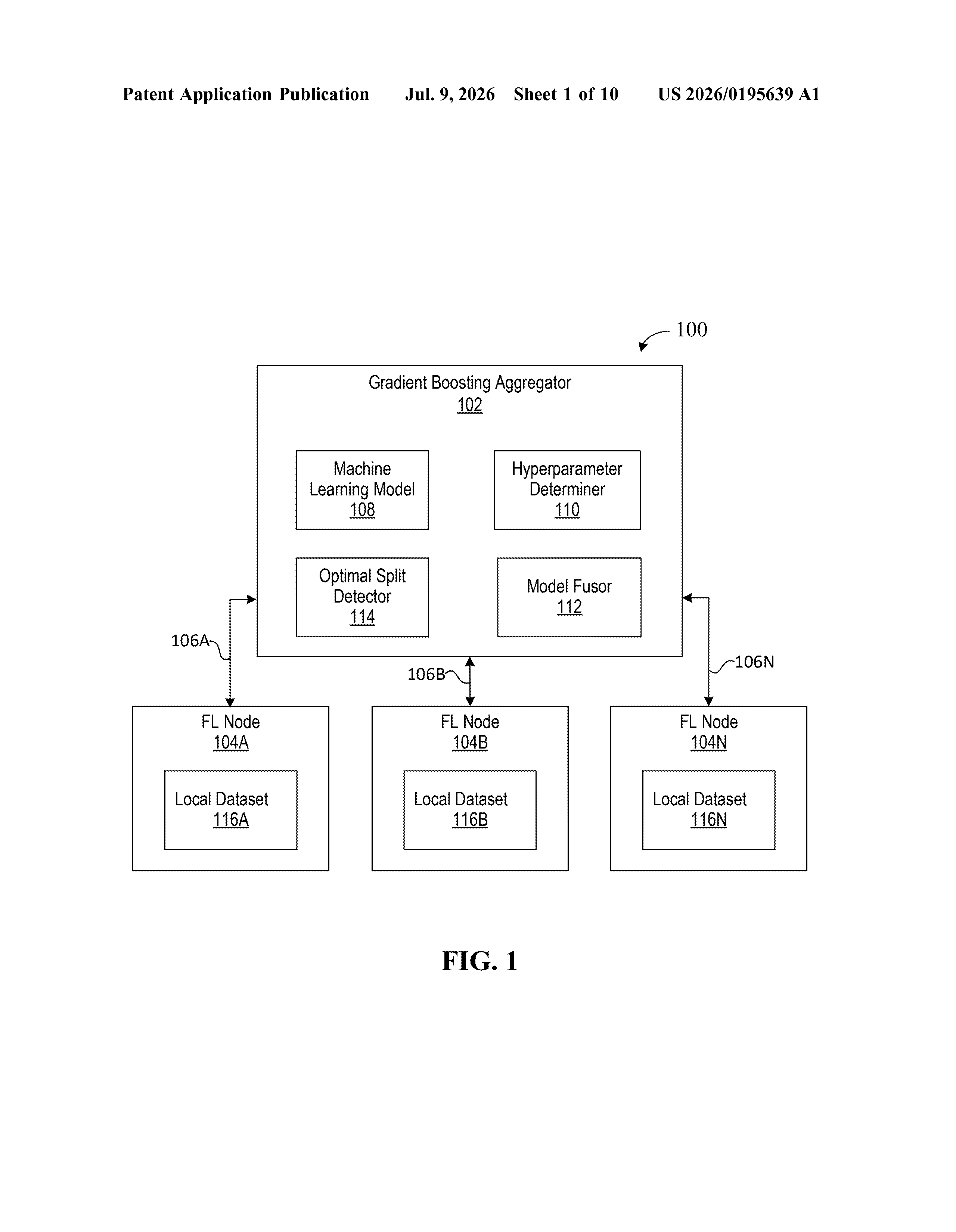
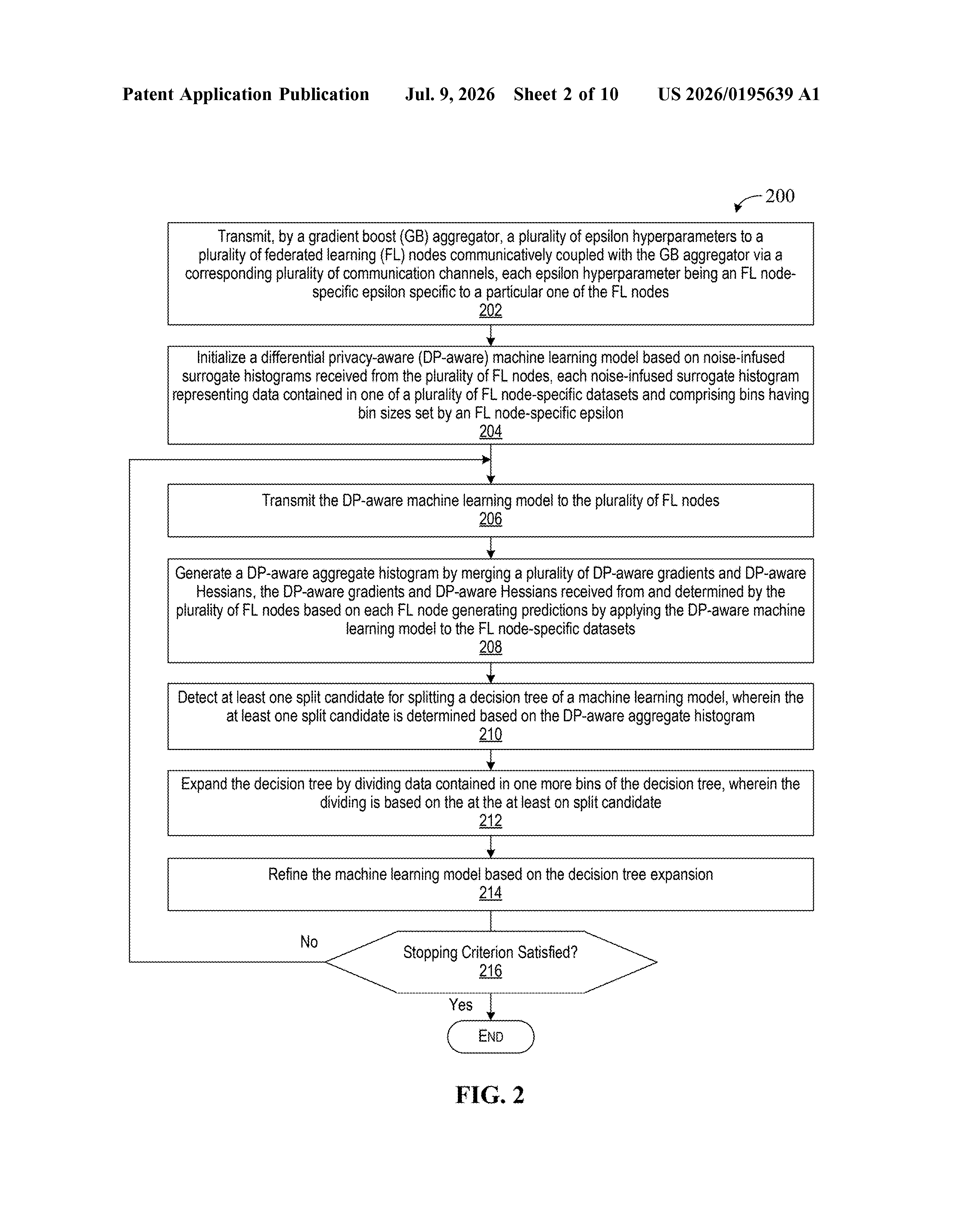
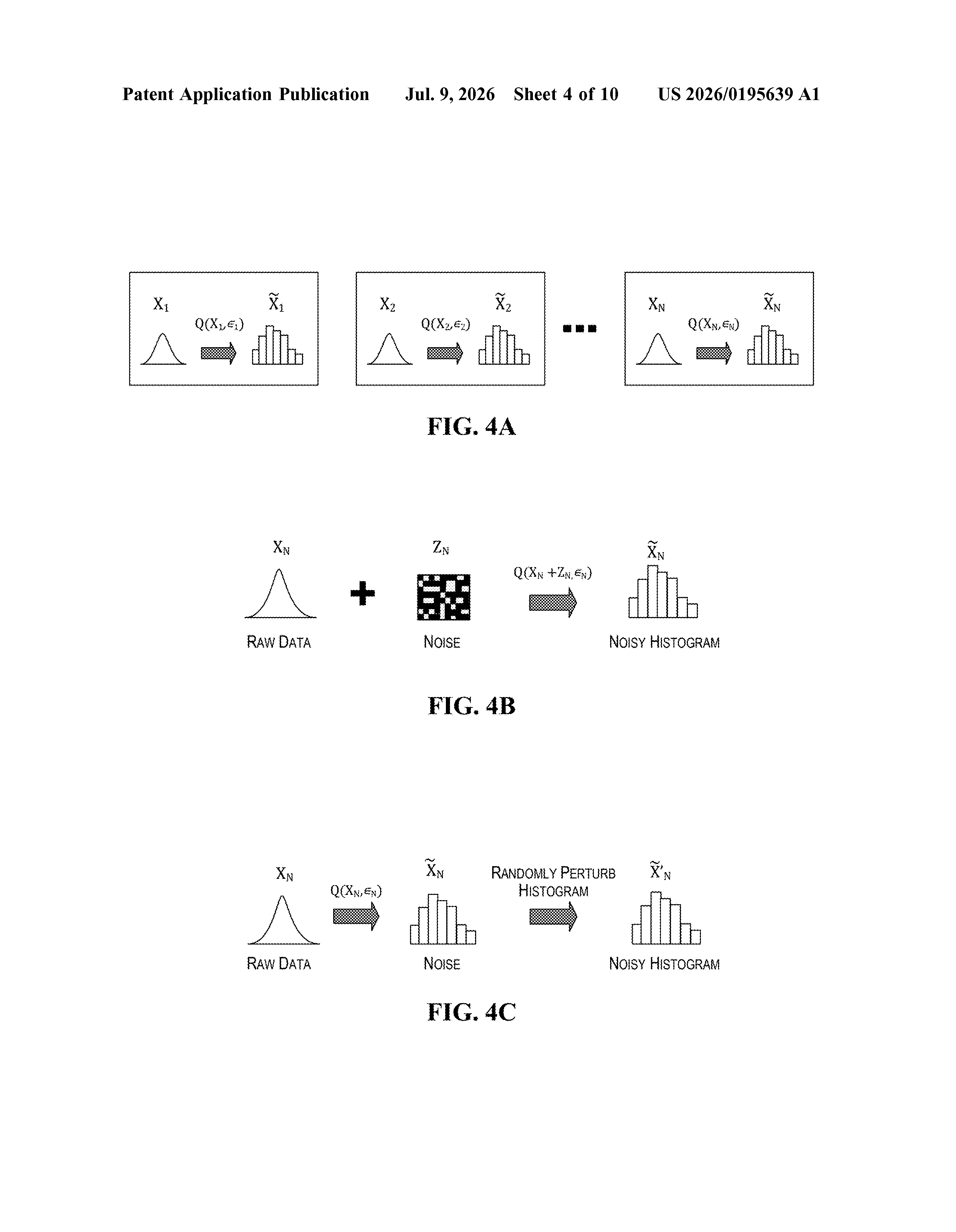
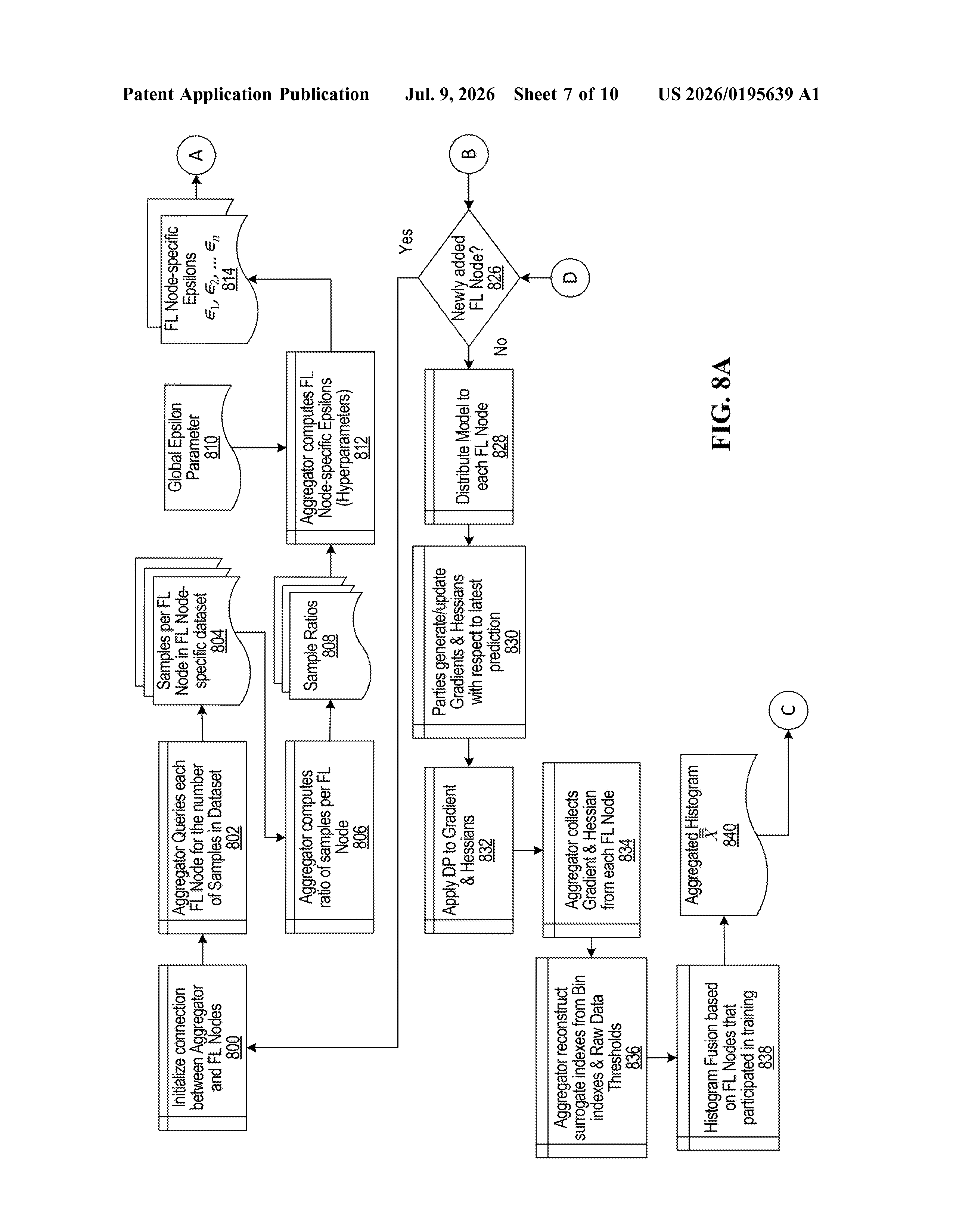
The central coordinator, called the gradient boost aggregator, starts by sending each participating node a personal "epsilon" value. Epsilon is the privacy budget: a lower epsilon means more noise and stronger privacy protection, at the cost of some accuracy. Each node uses its epsilon to build a noise-infused surrogate histogram, which is essentially a bucketed, scrambled summary of its local dataset. No raw data leaves the node.
From those scrambled summaries, the aggregator builds an initial decision tree (a branching flowchart the model uses to make predictions). It then sends that model back out, and each node uses it to generate two kinds of feedback:
- Gradients: how wrong the model's current predictions are, and in which direction
- Hessians: how fast those errors are changing, used to calibrate the size of the next correction
Both are noise-infused before being sent back. The aggregator merges all the noisy feedback, expands the decision tree at the most informative split points, and repeats the loop until the model converges.
What this means for AI in healthcare and finance
Industries like healthcare, finance, and legal services sit on enormous datasets that can't be pooled for regulatory or competitive reasons. A working privacy-preserving federated learning system would let those organizations jointly train better AI models than any of them could build alone, without signing away custody of their data.
IBM has a large enterprise consulting and cloud business and a clear commercial interest in selling exactly this kind of trustworthy AI infrastructure to regulated industries. The patent covers the specific combination of per-node epsilon budgets with gradient-boosted trees in a federated setup, which is a more practical architecture for tabular business data than the neural-network-based federated approaches that get most of the press.
This is genuinely useful foundational work rather than flashy research. Gradient-boosted trees are the workhorses of real enterprise AI (think fraud detection, credit scoring, clinical risk models), and wrapping them in differential privacy for federated settings is a practical gap the field has been trying to close. IBM is one of the few companies with both the research depth and the enterprise client base to actually deploy something like this at scale.
Get our take in your Top Stories
Liked this breakdown? Add Patentlyze as a preferred source on Google, and our plain-English take shows up more often in your Top Stories the next time IBM patent news breaks.
There are more where this came from
We read every patent application Big Tech publishes and send you the ones worth knowing. Plain English, free, every week.
The drawings
10 drawing sheets from US 2026/0195639 A1 · click any drawing to enlarge
Want this weekly breakdown for a company we don't cover? Patentlyze Pro →