
IBM Patents a Permission Check Baked Into Container Image Layers
IBM wants to move access control for software containers out of external policy systems and embed it directly inside the container images themselves, so the rules travel with the code.
What IBM's container permission system actually does
Imagine your company's IT team packages up a piece of software to deploy in the cloud. Right now, deciding who is allowed to upload or download that package is usually handled by a separate security system sitting outside the package itself. IBM's patent describes a different approach: the permission rules ride inside the package.
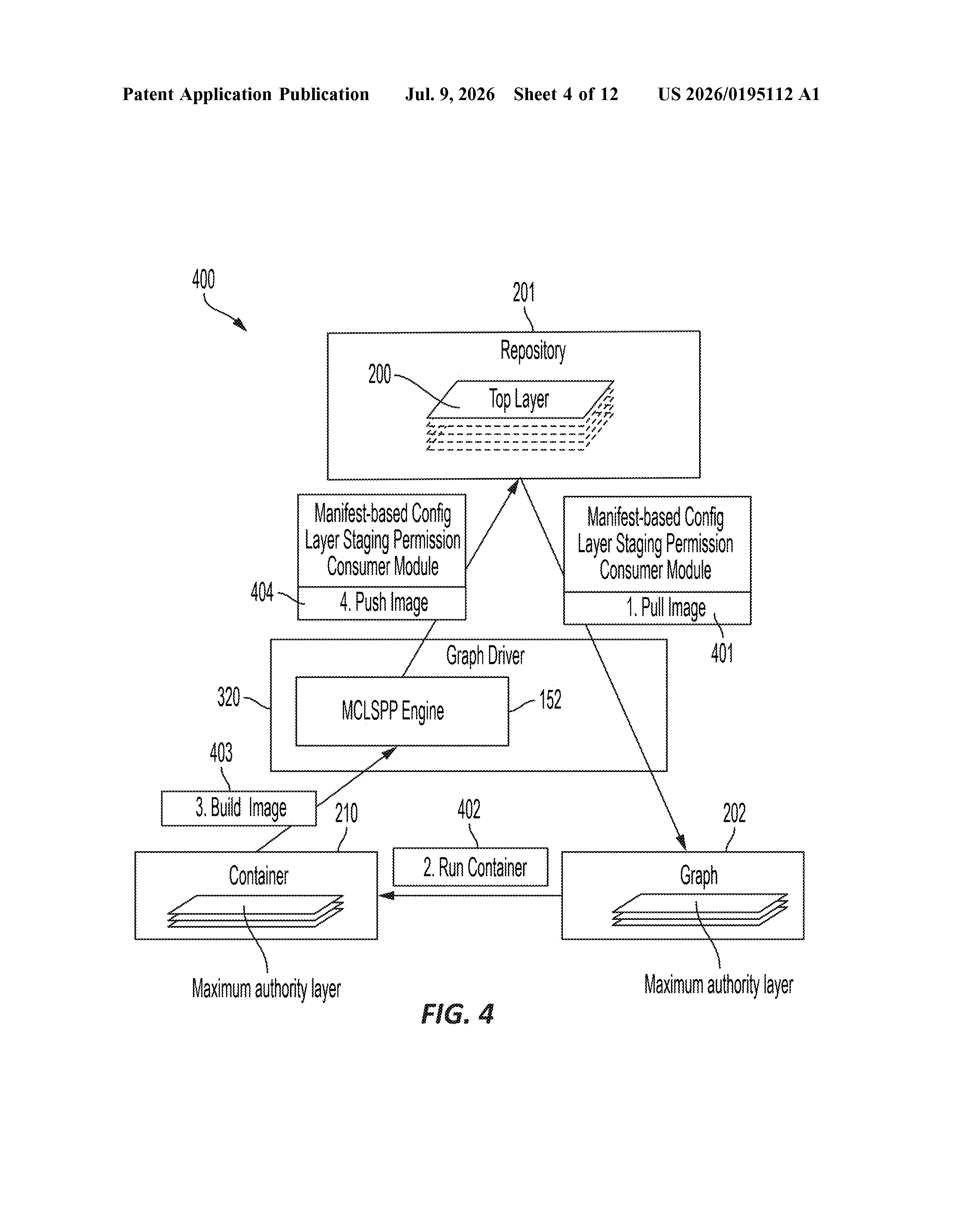
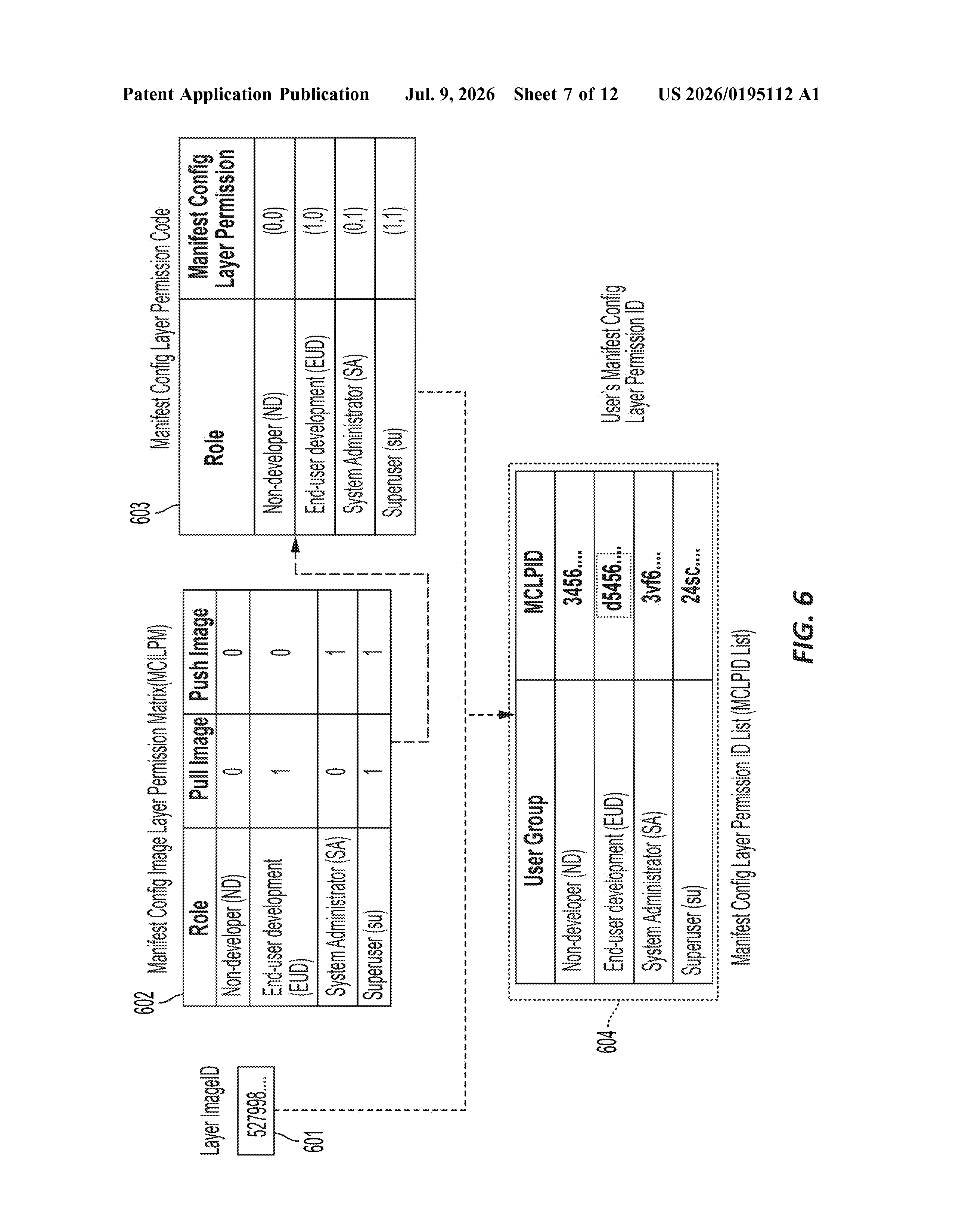
In plain terms, a container is a self-contained box of software that runs consistently anywhere. IBM's idea attaches a list of who can push (upload) or pull (download) each layer of that box directly to the box's own label, called a manifest. When someone tries to move the container, the system checks that built-in list before allowing anything.
The result is that the access rules stay attached to the software no matter where it travels, instead of relying on an external gatekeeper that might be configured differently in each environment. For teams managing software across multiple cloud systems, that consistency could prevent a lot of accidental over-sharing.
How permissions live inside the image layer's metadata
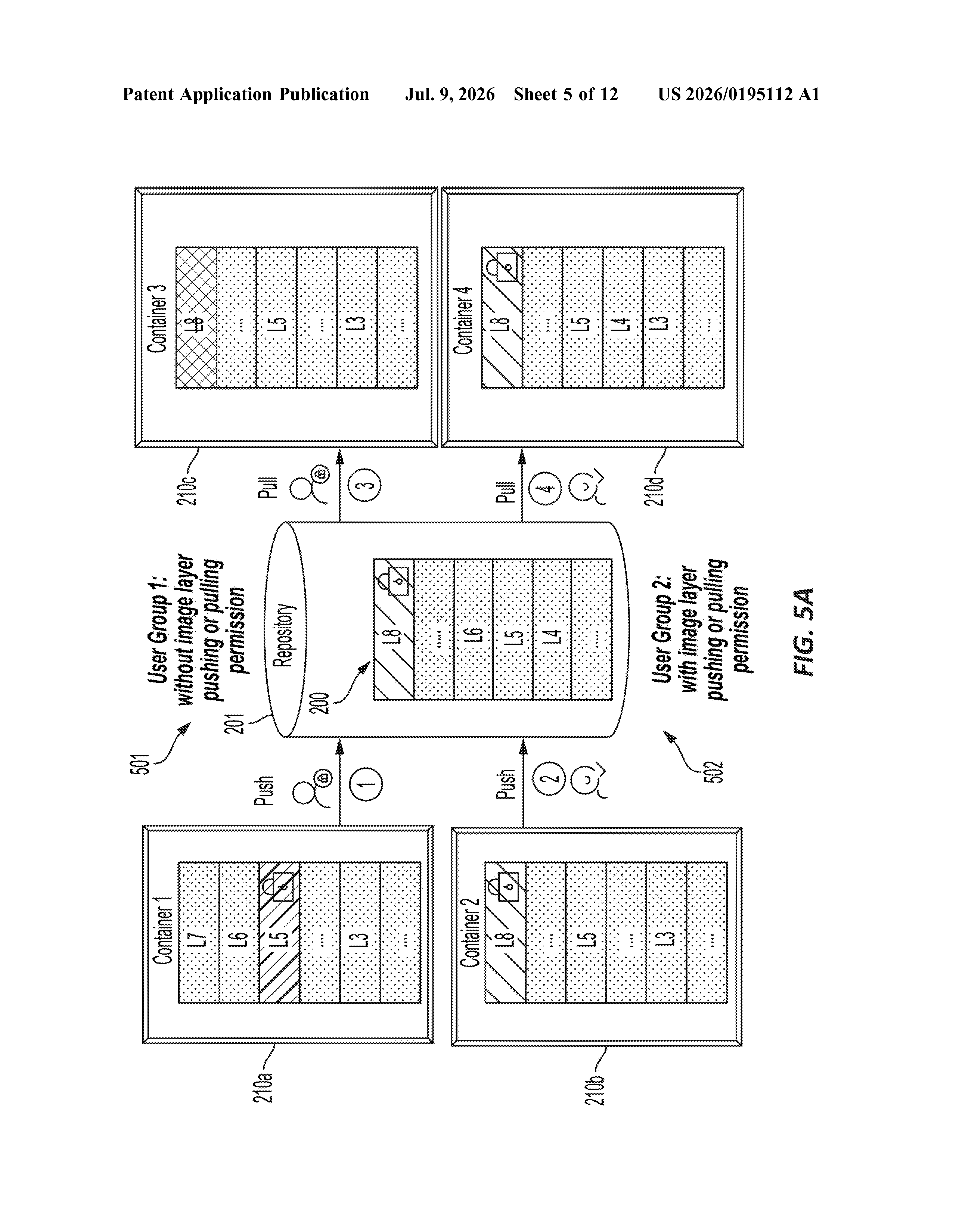
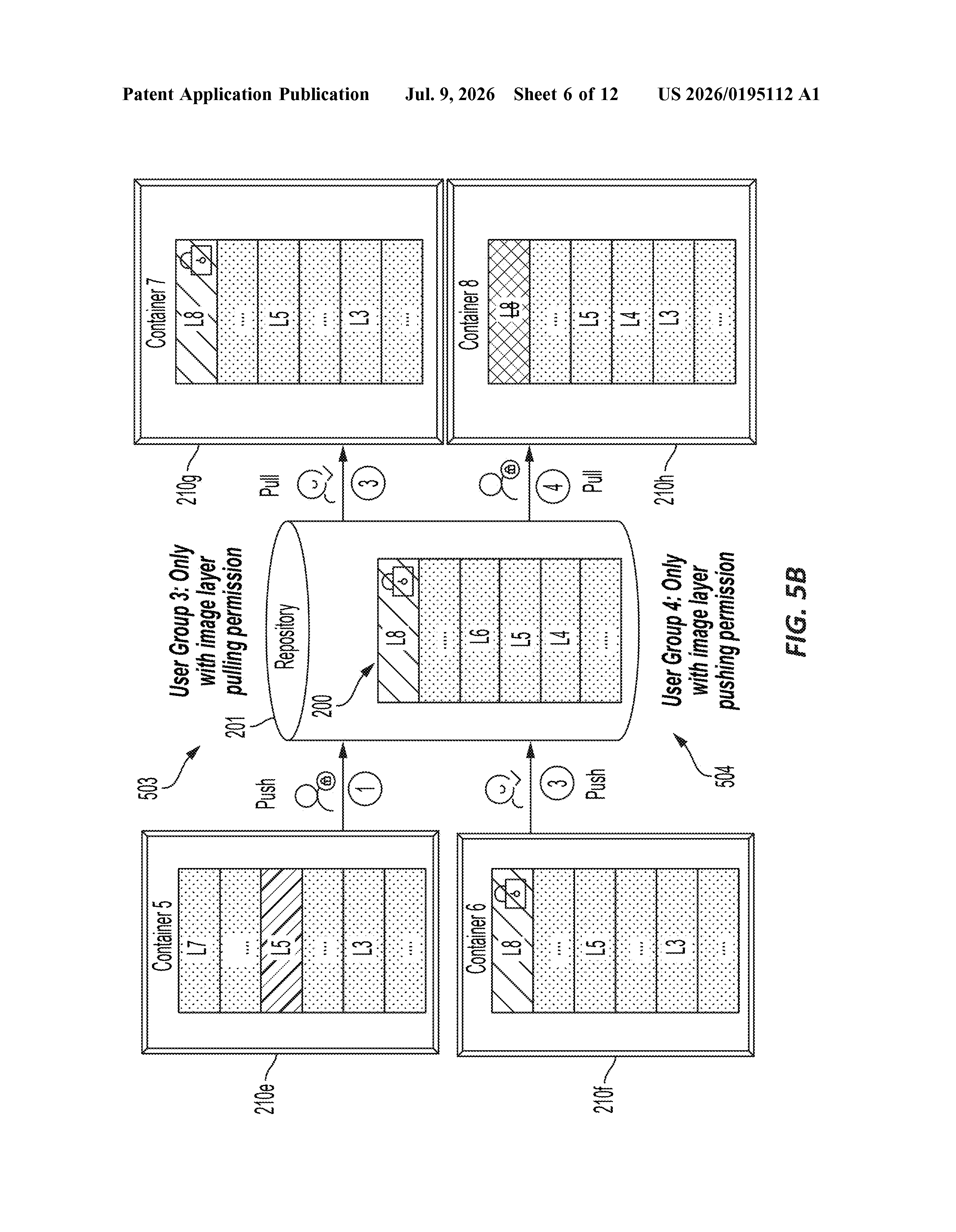
The patent describes a method for controlling who can push (upload a container image to a shared repository) or pull (download it to a local machine) at the individual layer level.
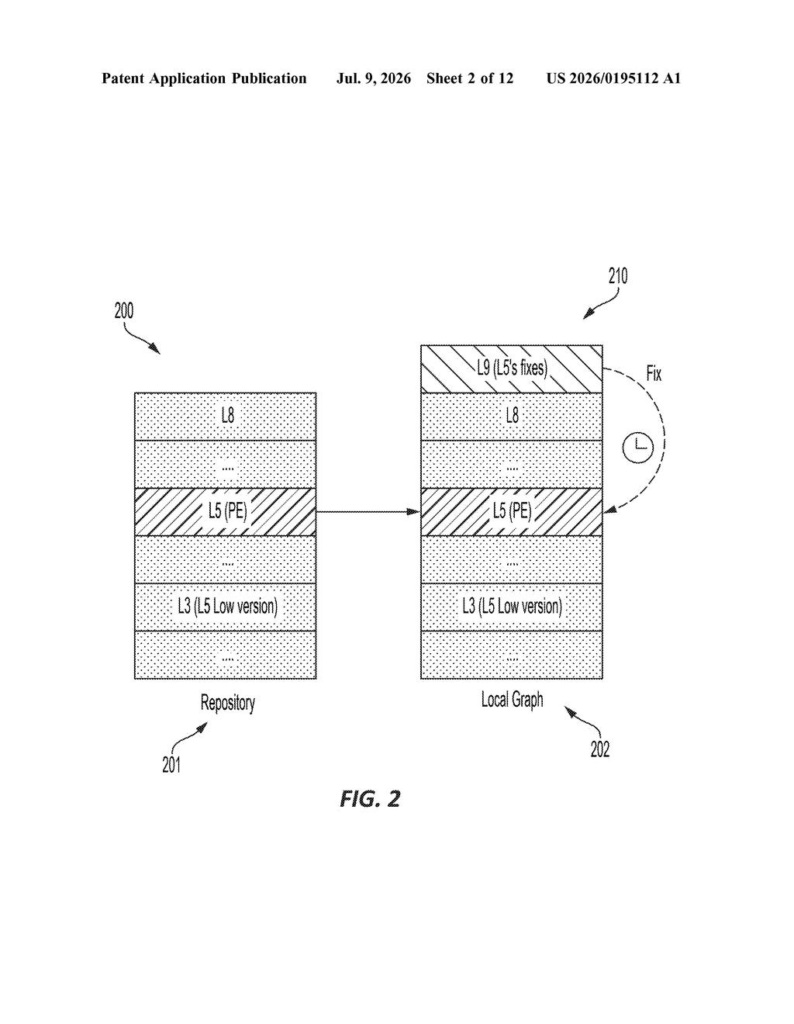
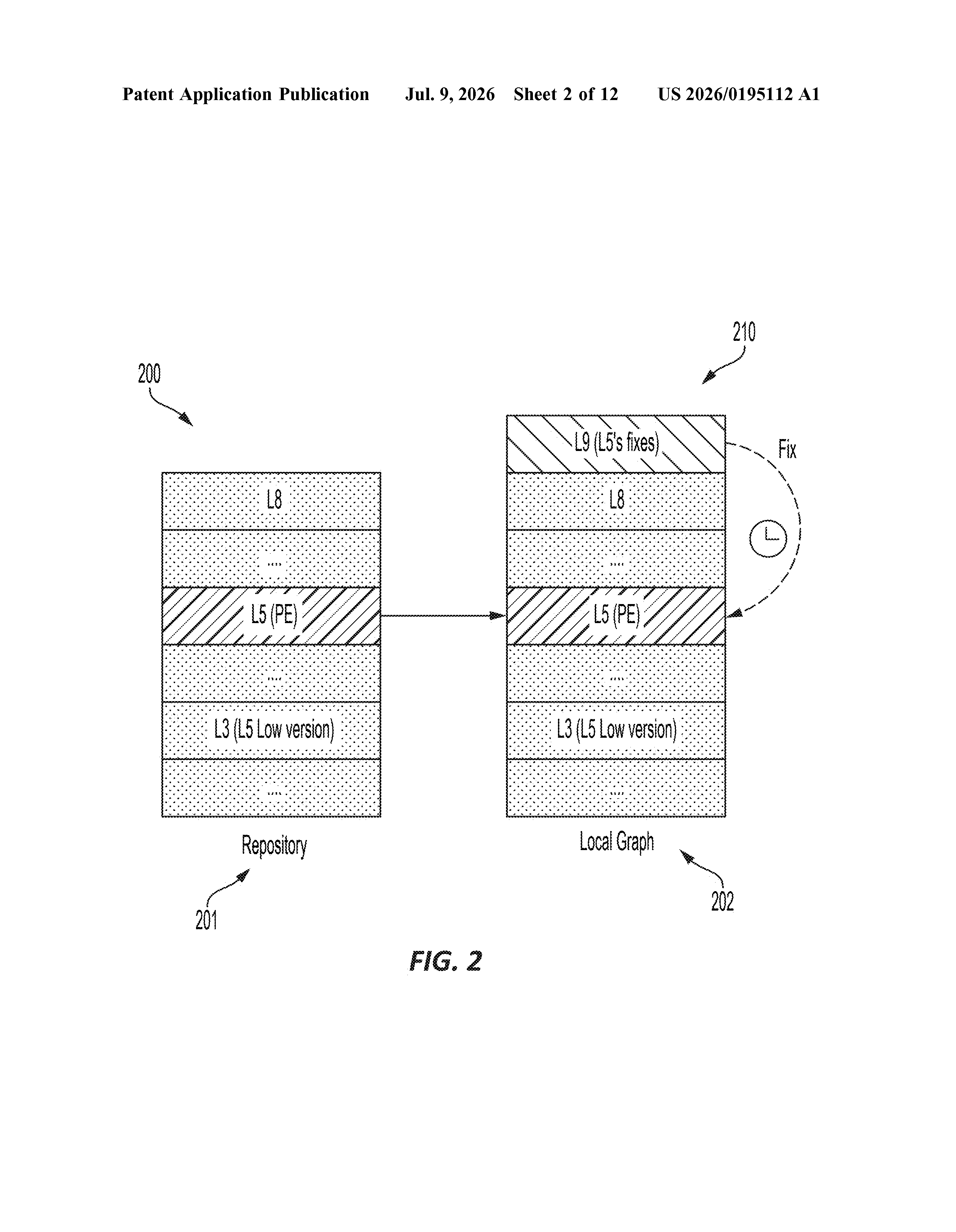
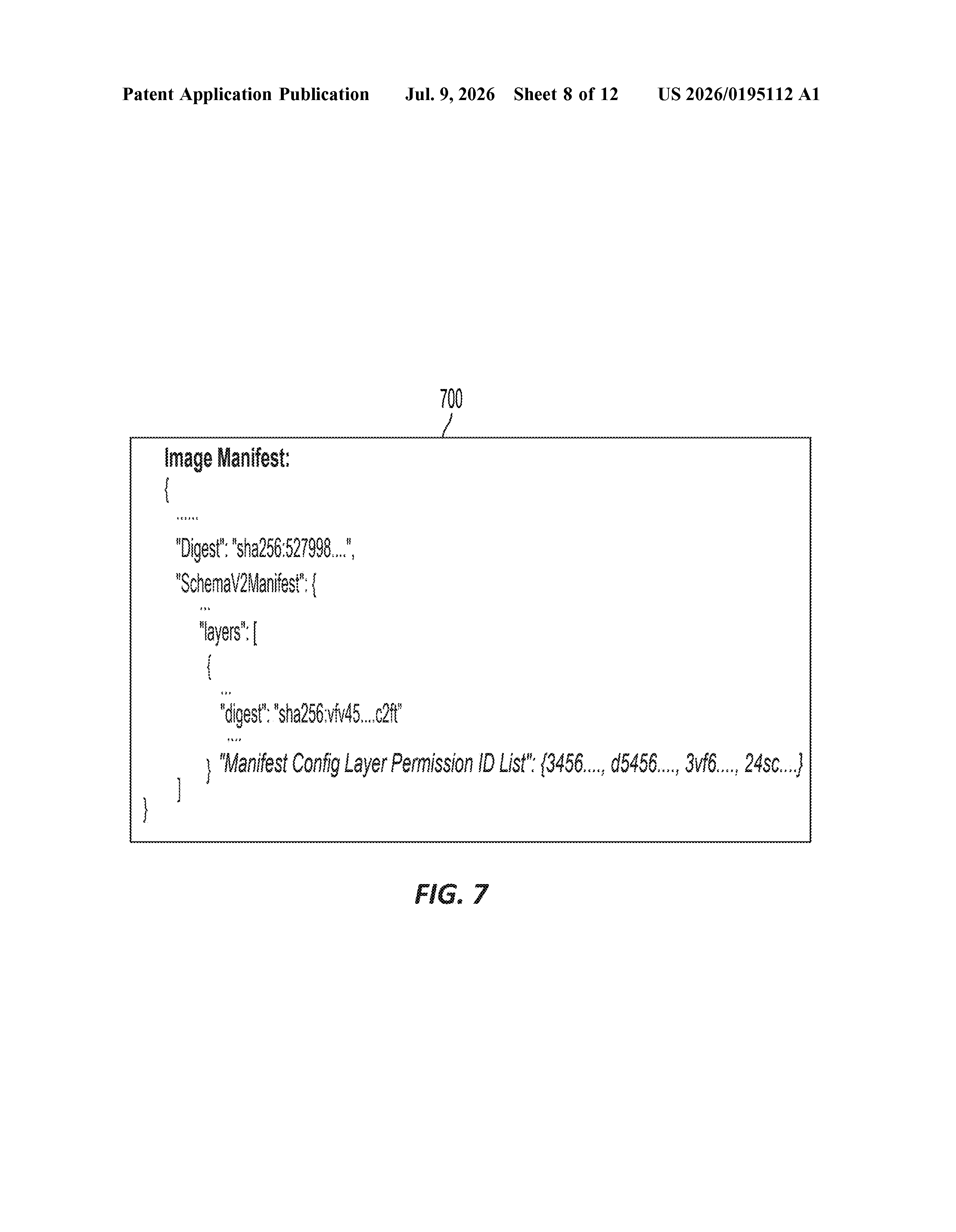
Containers are built in layers, like a stack of transparent sheets. Each layer adds files or settings on top of the previous one. IBM's system stores permission data inside the manifest config of each layer. A manifest config is essentially the label or header that describes what that layer contains and how it should behave.
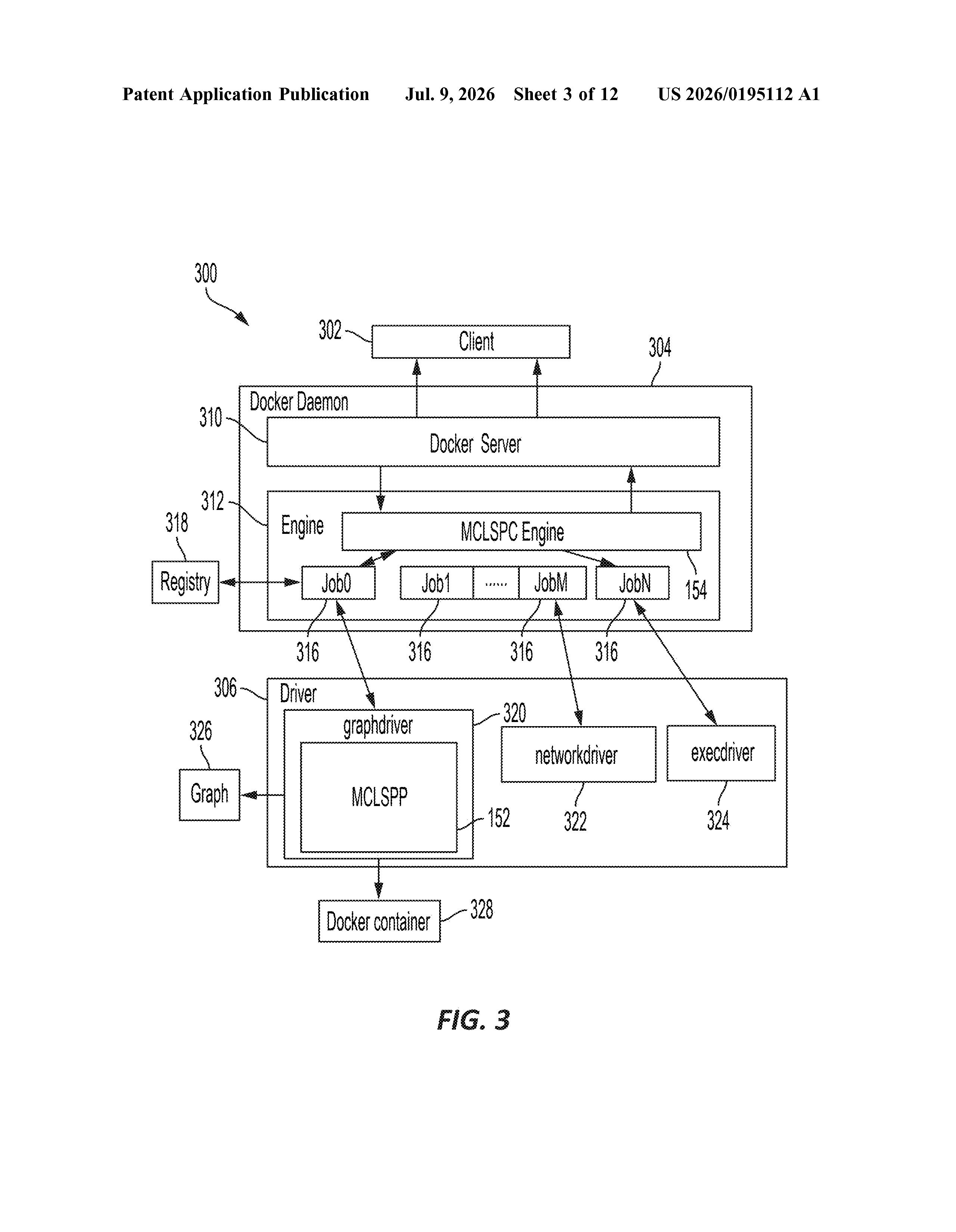
When a user sends a push or pull request, the system:
- Reads the permissions embedded in the relevant layer's manifest config
- Checks whether that user's identity matches those permissions
- Either carries out the action or blocks it, depending on the result
The key distinction from standard container security is that the permission data isn't looked up in a remote policy database. It travels with the image layer itself, meaning enforcement doesn't depend on the external system being correctly configured for every environment the container visits.
What this means for cloud software deployment security
Container-based software deployment is how most modern cloud applications are built and shipped. Tools like Kubernetes and Docker are used by virtually every large tech company and enterprise IT team. Right now, access control is typically managed at the repository or registry level, meaning the rules live in a separate system that has to be maintained and synchronized with wherever the containers end up. IBM's approach would make the permissions portable by design.
For your organization, this matters most in regulated industries like finance or healthcare, where proving who had access to what software component at what time is a compliance requirement. If permissions are embedded in the image itself, the audit trail becomes much harder to accidentally break during a migration or a platform switch.
This is a fairly narrow infrastructure patent focused on a real and persistent headache in enterprise cloud operations: permissions that don't travel with the code they're supposed to protect. It isn't flashy, but the problem it targets is genuinely common. Whether IBM can turn this into a product or service that enterprises will actually pay for is a separate question from whether the idea is sound.
There are more where this came from
We read every patent application Big Tech publishes and send you the ones worth knowing. Plain English, free, every week.
The drawings
12 drawing sheets from US 2026/0195112 A1 · click any drawing to enlarge
Want this weekly breakdown for a company we don't cover? Patentlyze Pro →