
IBM Patents an AI Security Agent That Asks Questions When It's Uncertain
Most security tools sound the alarm after something goes wrong. IBM's new patent describes an AI agent that first tries to understand what 'normal' behavior looks like on a system, and when it isn't sure, it simply asks.
How IBM's security AI learns what 'normal' looks like
Imagine you hired a new security guard for your office building. On their first day, they watch everyone coming and going, trying to figure out what's routine and what's suspicious. But some things are ambiguous: is that person who badged in at 2am a night-shift worker or an intruder? A good guard asks a supervisor rather than guessing.
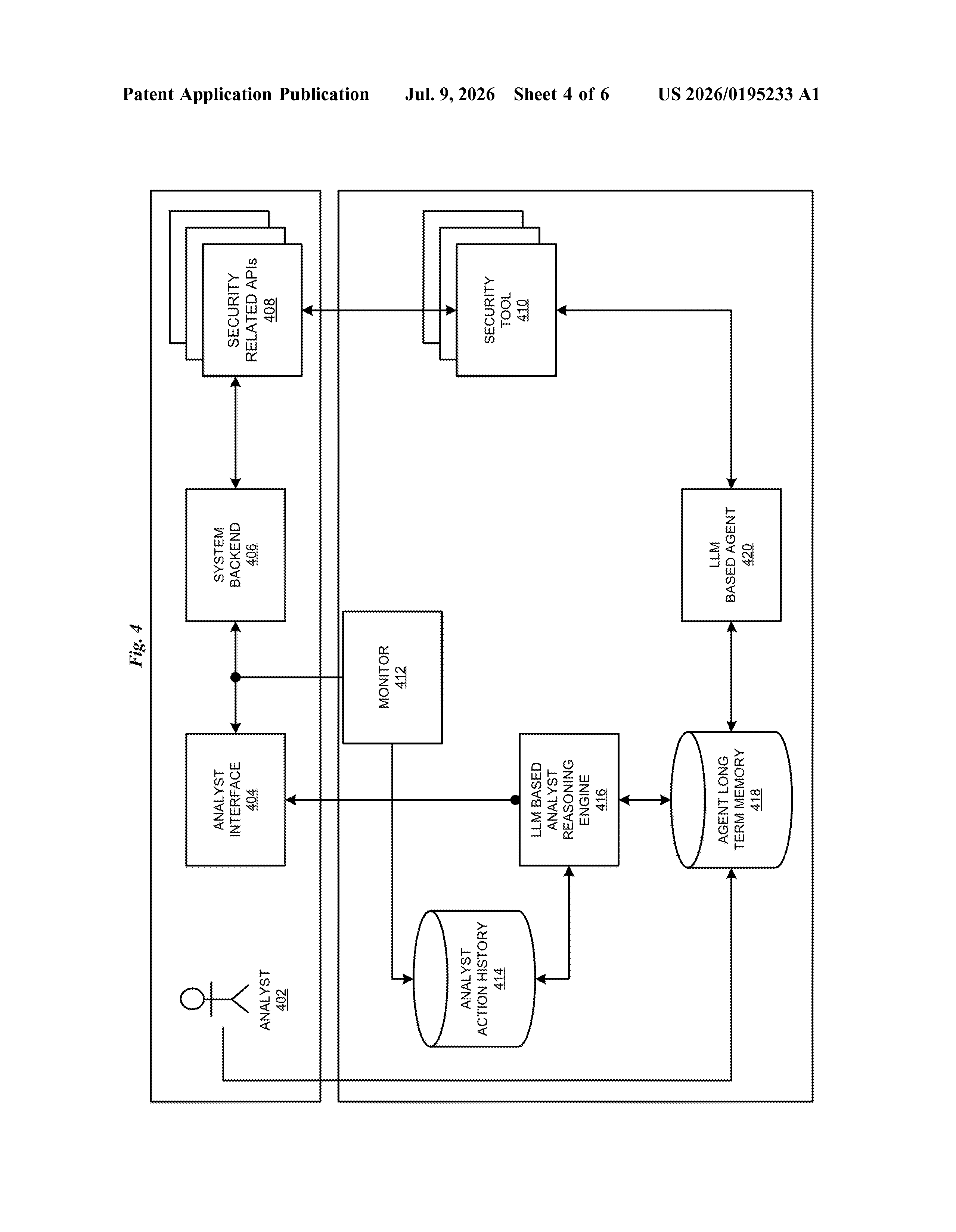
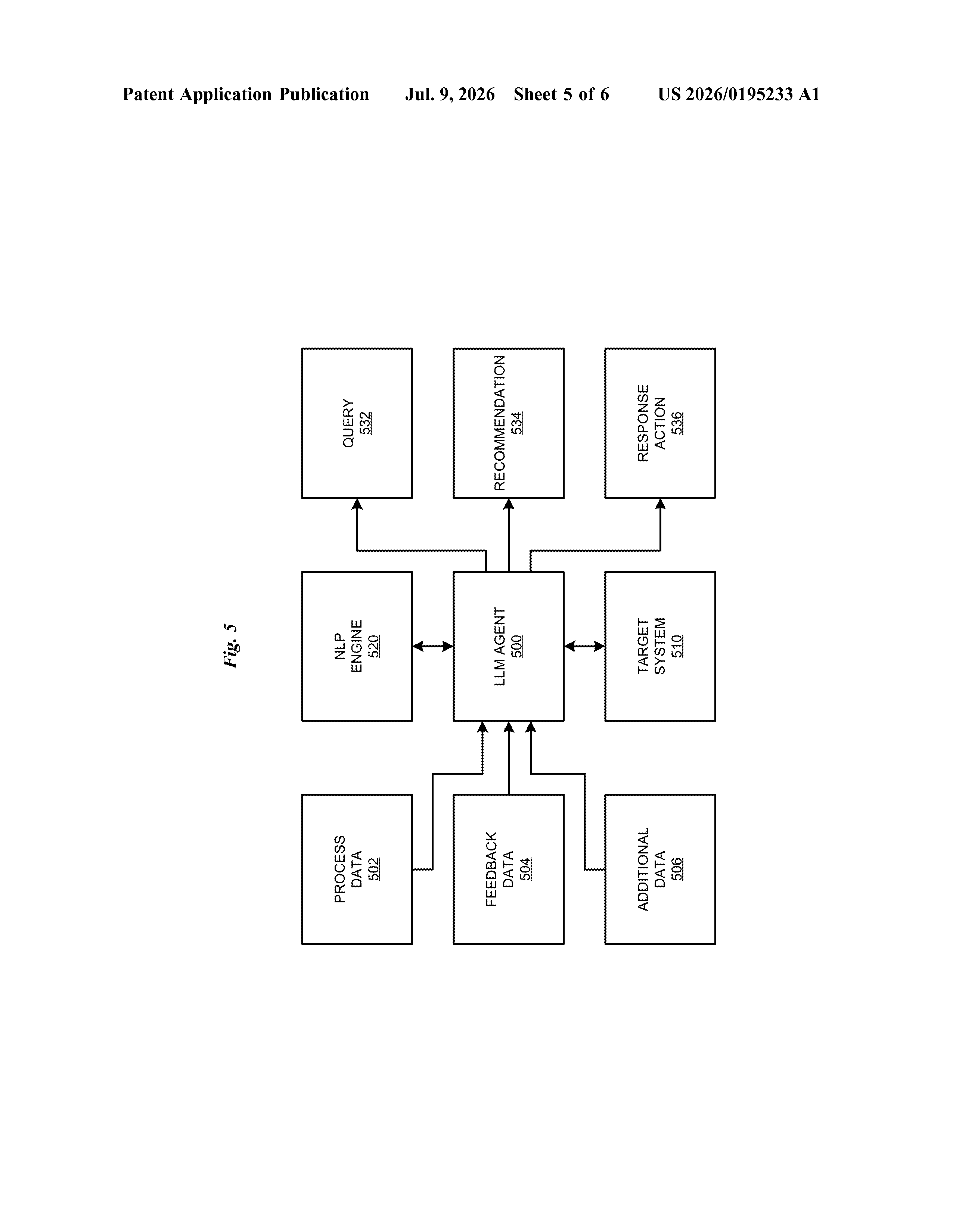
IBM's patent describes an AI that works the same way. It watches activity on a computer system, maps out which actions tend to lead to which outcomes, and assigns a confidence score to what it thinks it understands. When that score drops below a set threshold, the AI generates a natural language question to get more context from a human or another system.
The result is a security agent that builds up its understanding of a specific environment over time, rather than relying entirely on pre-programmed rules. That's a meaningful shift: instead of flagging everything that looks unfamiliar, it gets better at knowing what it doesn't know.
How the confidence score triggers follow-up questions
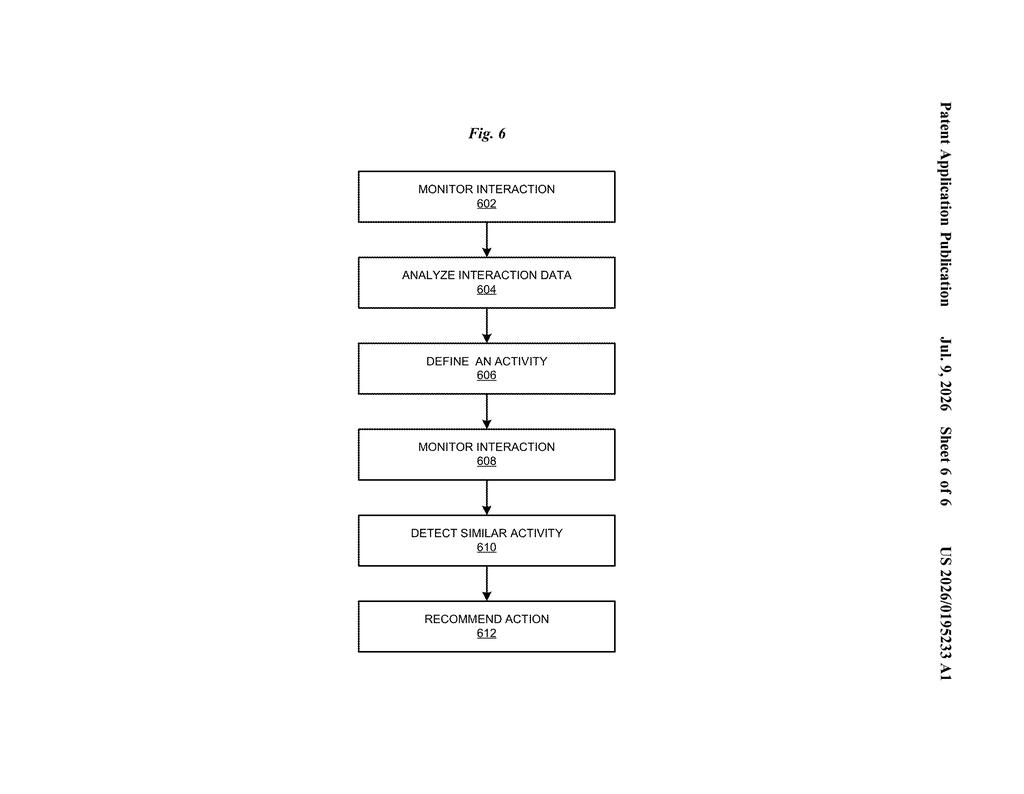
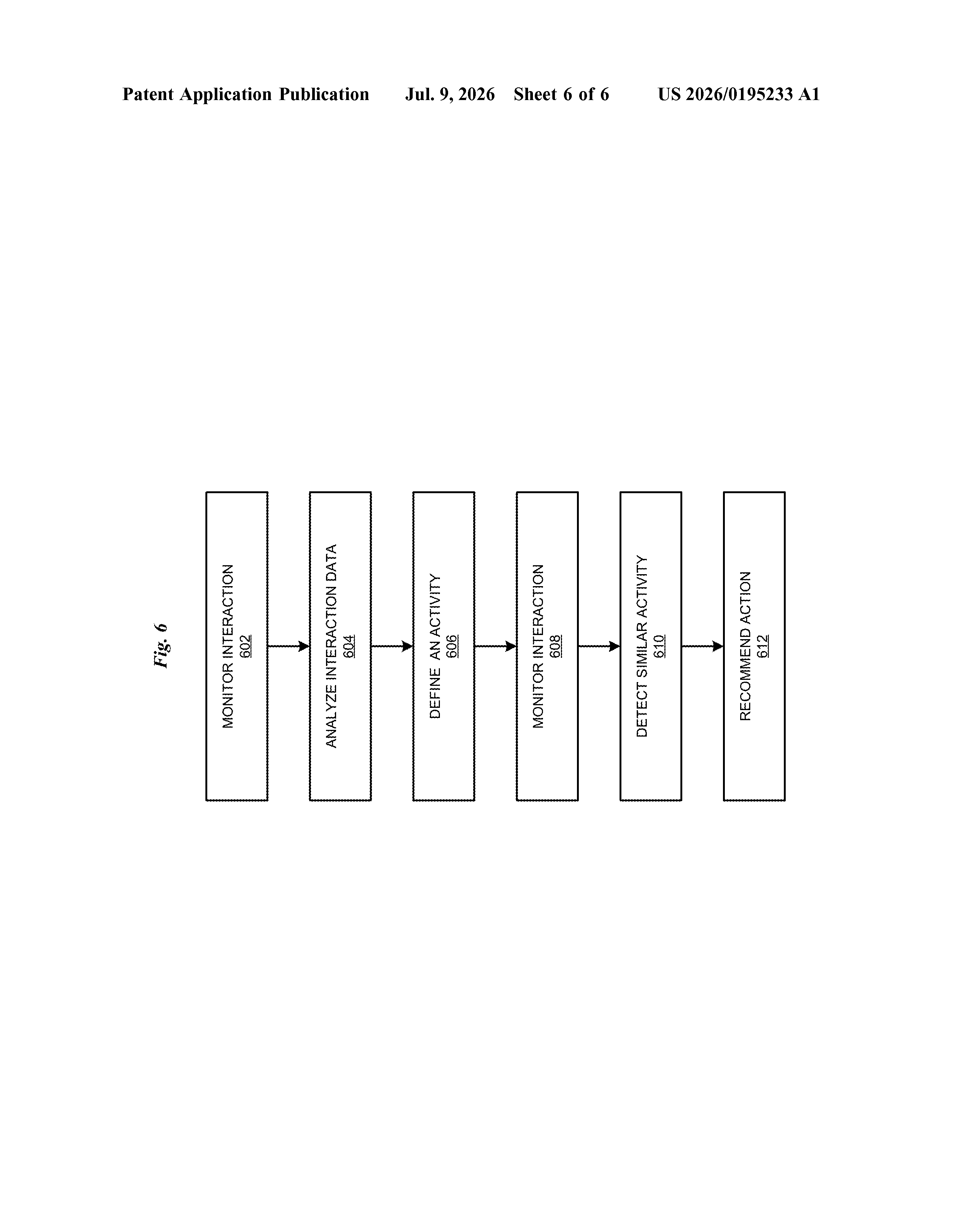
The patent describes a method built around three core steps that repeat until the AI has a solid picture of how a target system normally behaves.
First, the system uses process mining (a technique that reconstructs what actually happened on a computer by reading logs and event records) to pull raw activity data from a target system during a monitoring session. These events include things like user logins, file accesses, or network requests.
Second, it correlates those events to each other to build a behavior mapping: essentially a structured model that connects specific actions to their expected outcomes. Think of it as a cause-and-effect map for the system being monitored.
Third, it generates a confidence score reflecting how sure the AI is that the action-to-outcome relationship it found is correct. If that score falls below a preset threshold, the system automatically generates a natural language query asking for clarification, then updates the behavior map with whatever it learns from the response.
The loop continues across interaction sessions, meaning the agent's model of normal behavior gets progressively more accurate without requiring a human to manually define every rule.
What this means for enterprise security monitoring
For large enterprises, one of the hardest problems in security is that every organization's "normal" looks different. A rule that catches intruders at one company might flag legitimate activity at another. IBM's approach shifts the burden of defining normal from human analysts writing static rules to an AI that builds that definition dynamically and flags its own gaps.
The natural language query layer is the key differentiator here. Instead of making a wrong assumption, the system surfaces its uncertainty in plain English, which means security teams can correct the AI's model early rather than discovering a blind spot after an incident. For organizations running complex IT environments, that kind of human-in-the-loop design could reduce both false positives and missed threats over time.
This is a genuinely thoughtful approach to a real problem in enterprise security: AI systems that are overconfident are often more dangerous than useful. Building in a mechanism that forces the agent to acknowledge and resolve uncertainty is good engineering. The catch is that the value depends entirely on what system the agent is monitoring and how well the behavior mapping generalizes, details the patent leaves largely open.
Get our take in your Top Stories
Liked this breakdown? Add Patentlyze as a preferred source on Google, and our plain-English take shows up more often in your Top Stories the next time IBM patent news breaks.
There are more where this came from
We read every patent application Big Tech publishes and send you the ones worth knowing. Plain English, free, every week.
The drawings
6 drawing sheets from US 2026/0195233 A1 · click any drawing to enlarge
Want this weekly breakdown for a company we don't cover? Patentlyze Pro →