
IBM Patents a System That Pays for Services by Flashing Data Through Your Car's Lights
IBM has filed a patent for a payment system that skips Wi-Fi and cellular networks entirely, instead encoding your transaction details into flickering light signals sent from your car's own headlights or interior lights to a receiver at a service station.
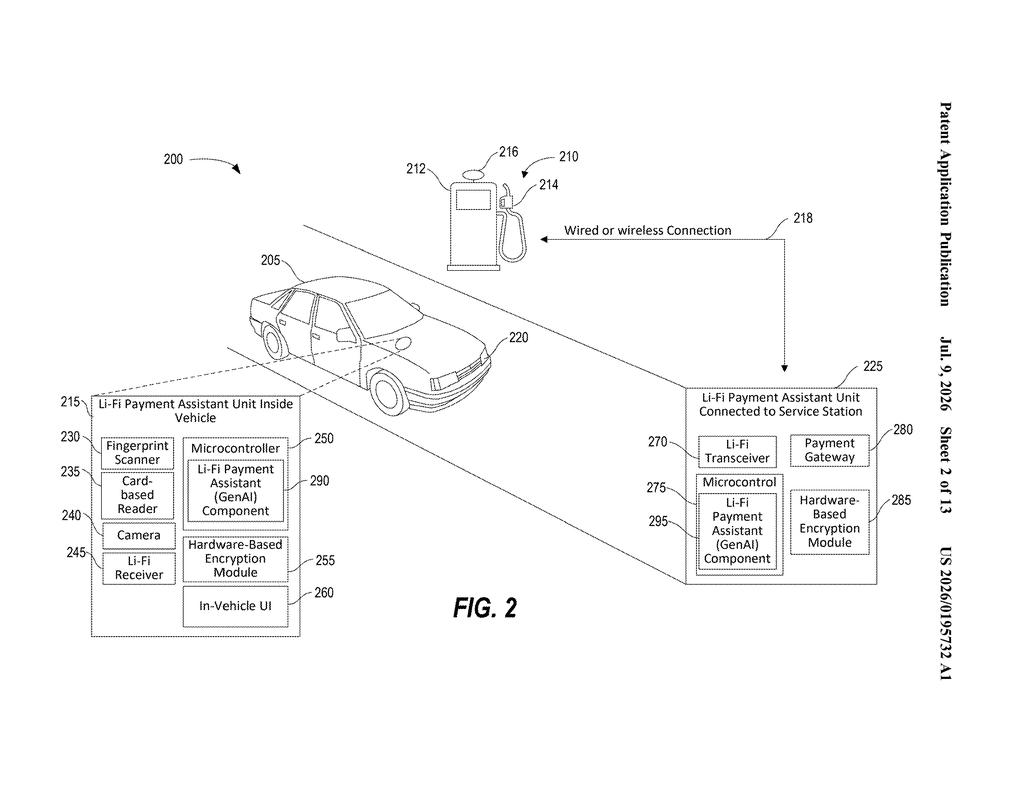
How IBM wants your headlights to handle payments
Imagine pulling into a gas station in a remote area with no cell signal and no Wi-Fi. Normally, that means your phone's tap-to-pay won't work and you're stuck. IBM's newly filed patent describes a way around that problem using the lights already built into your car.
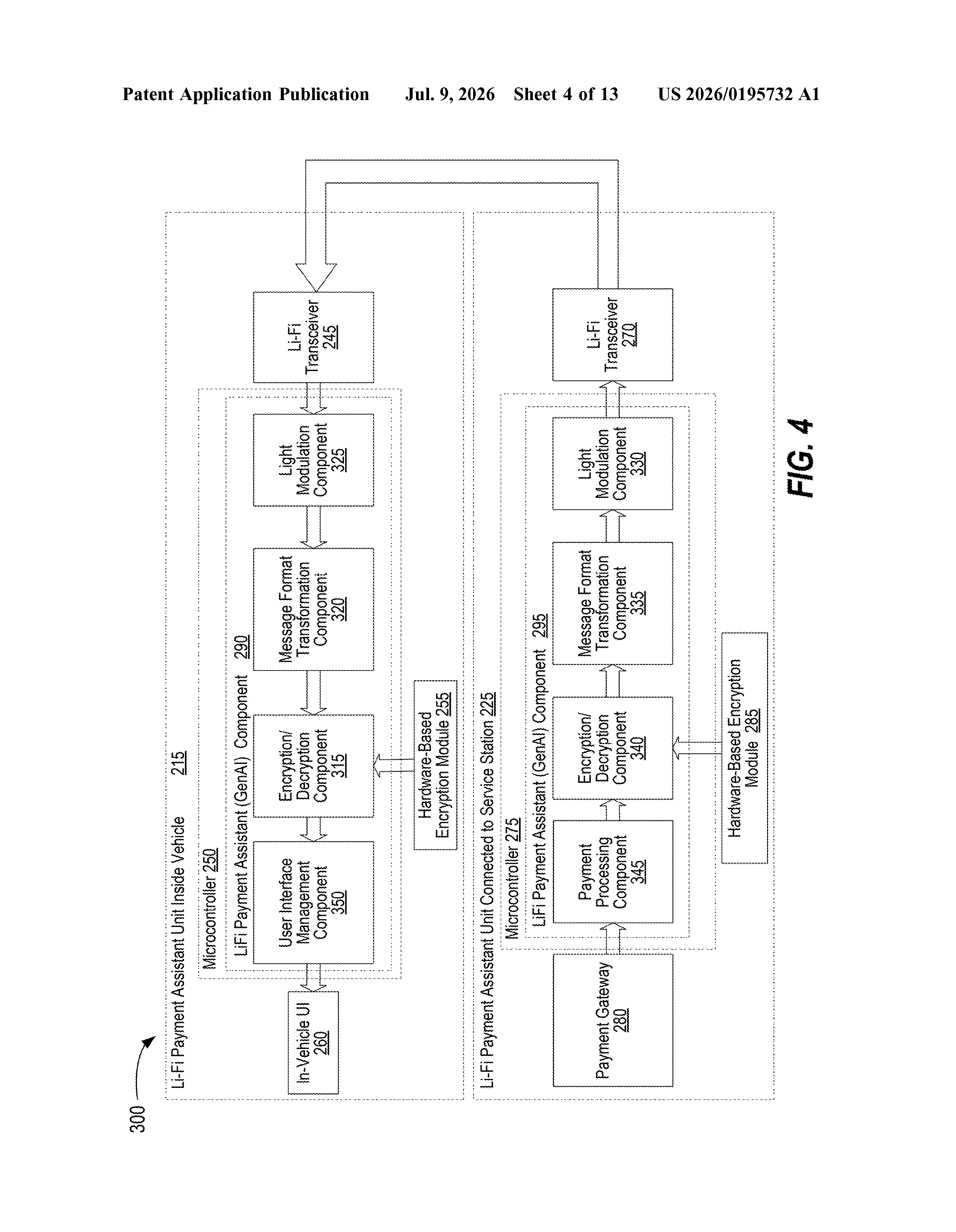
The idea is that your vehicle has a small payment assistant system on board. When you pull up to a compatible service station, it wakes up automatically. You enter your payment details inside the car, the system encrypts them, and then encodes that information into the car's lights by rapidly adjusting their brightness or frequency in patterns invisible to the human eye but readable by a sensor at the station.
This approach is called Li-Fi (Light Fidelity), a real technology that sends data using light instead of radio waves. IBM's twist is doing it from the car itself, turning your vehicle into the payment terminal rather than your phone or a card reader.
How the car encodes payment data into visible light pulses
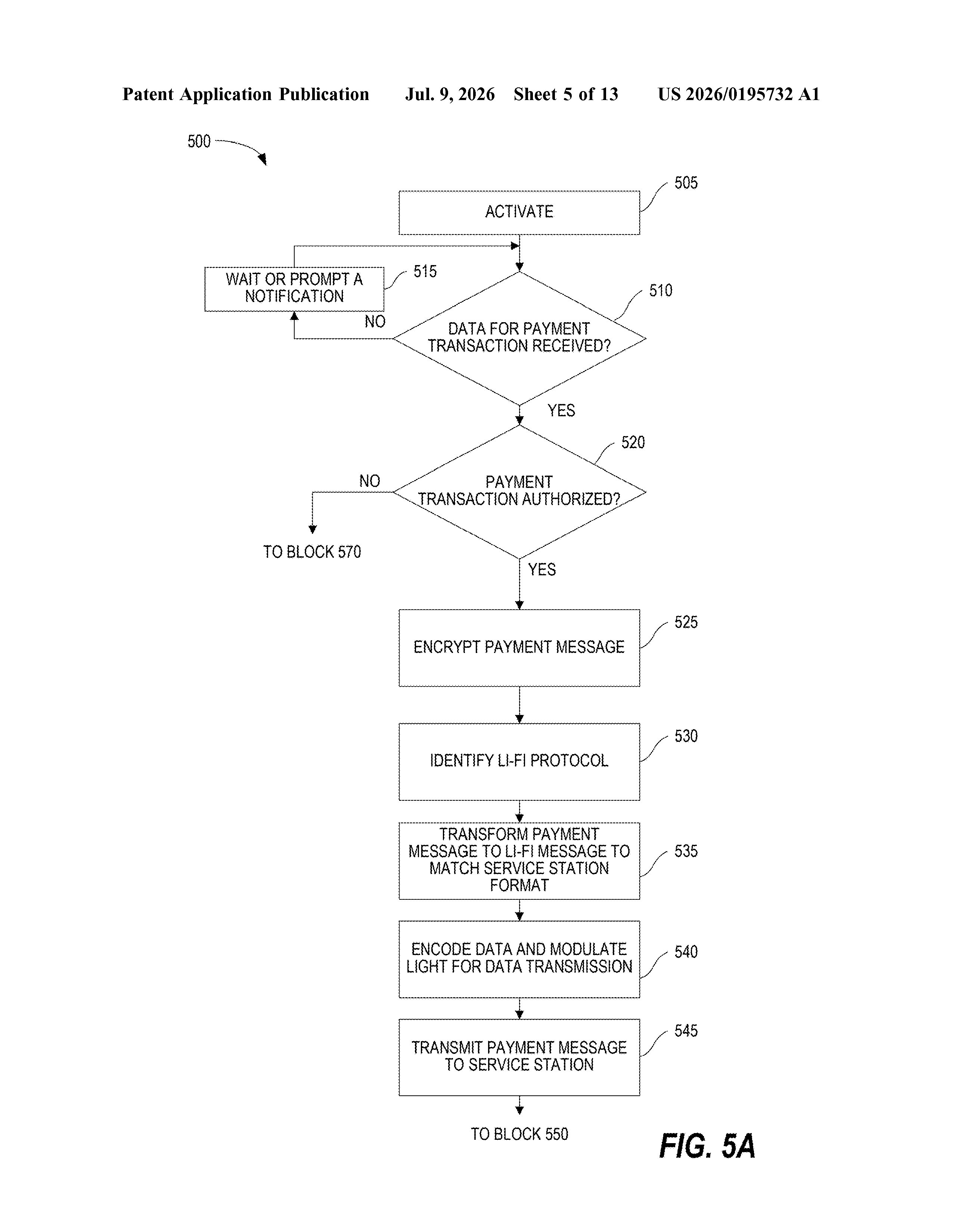
The patent describes a Li-Fi payment assistant unit installed in a vehicle. When the car comes within a defined distance of a participating service station, the unit activates, either automatically or via a driver prompt.
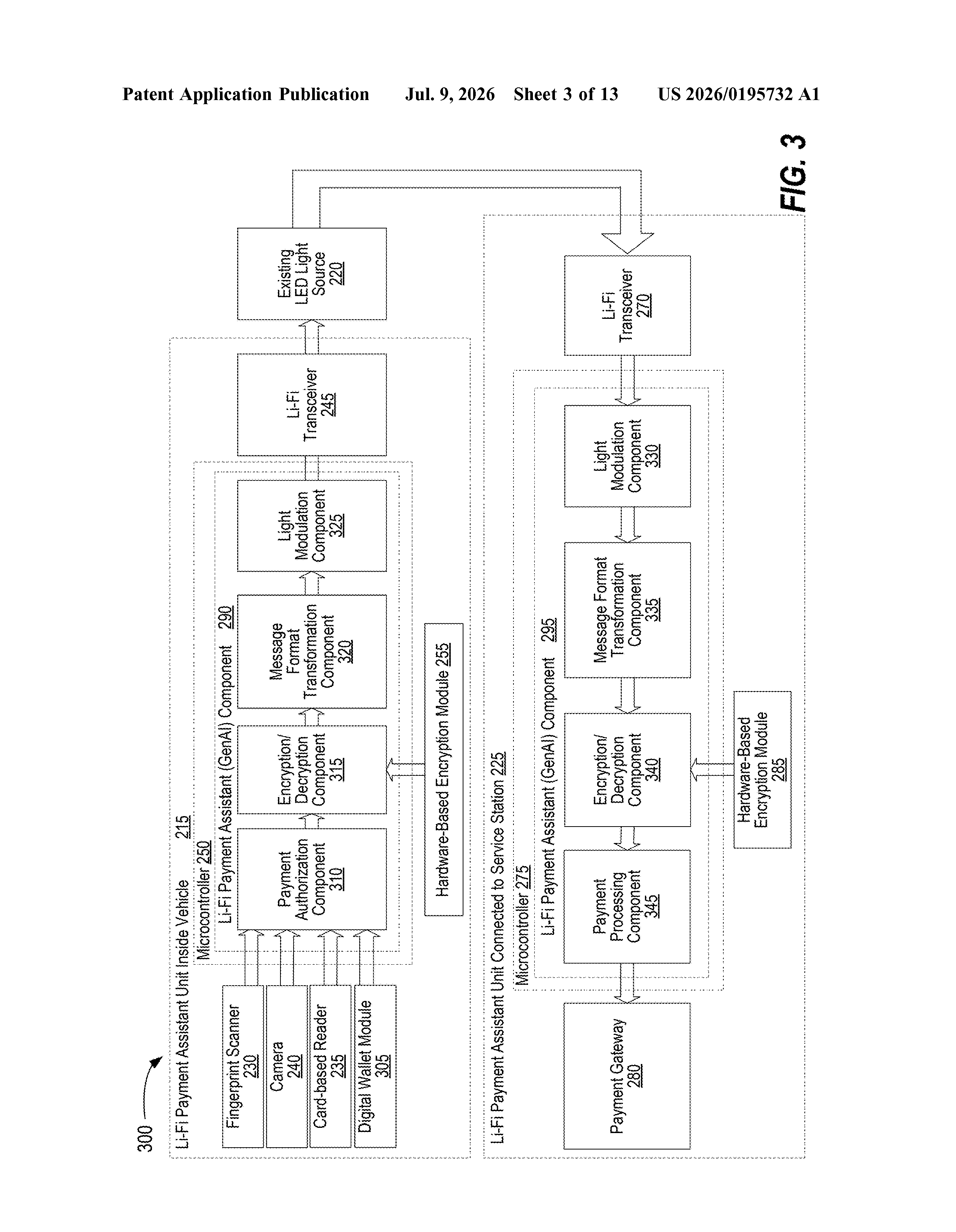
The driver enters payment information through an in-vehicle input device. The system then:
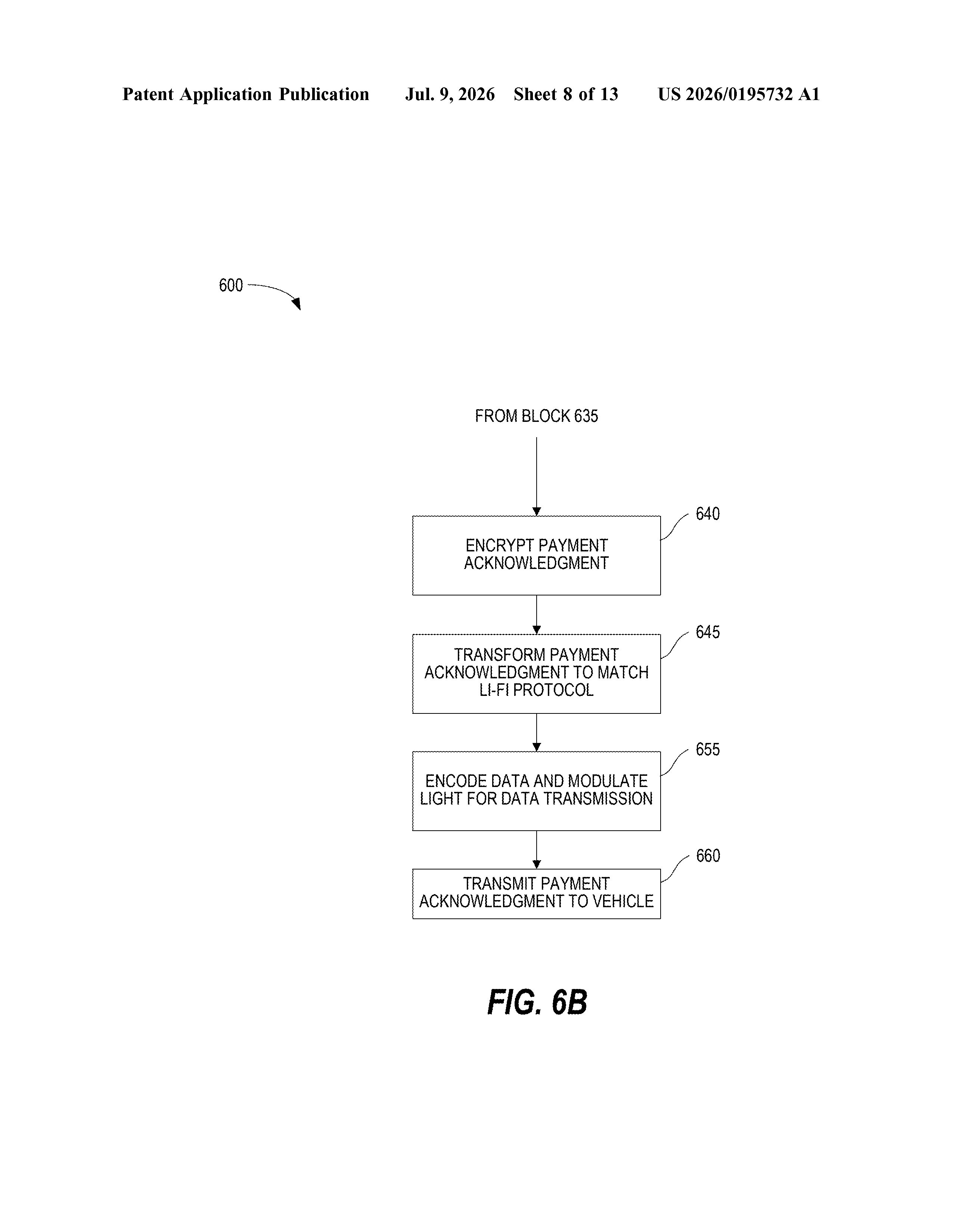
- Encrypts the payment data using standard cryptographic methods
- Uses an on-board AI model (described as a "vehicle-specific Li-Fi payment model") to reformat the encrypted data into whatever Li-Fi protocol the specific service station uses, since different stations may speak slightly different versions of the standard
- Encodes that reformatted data into a visible light signal by modulating the intensity or frequency of the car's existing light sources, such as headlights or interior lights, at speeds imperceptible to the human eye
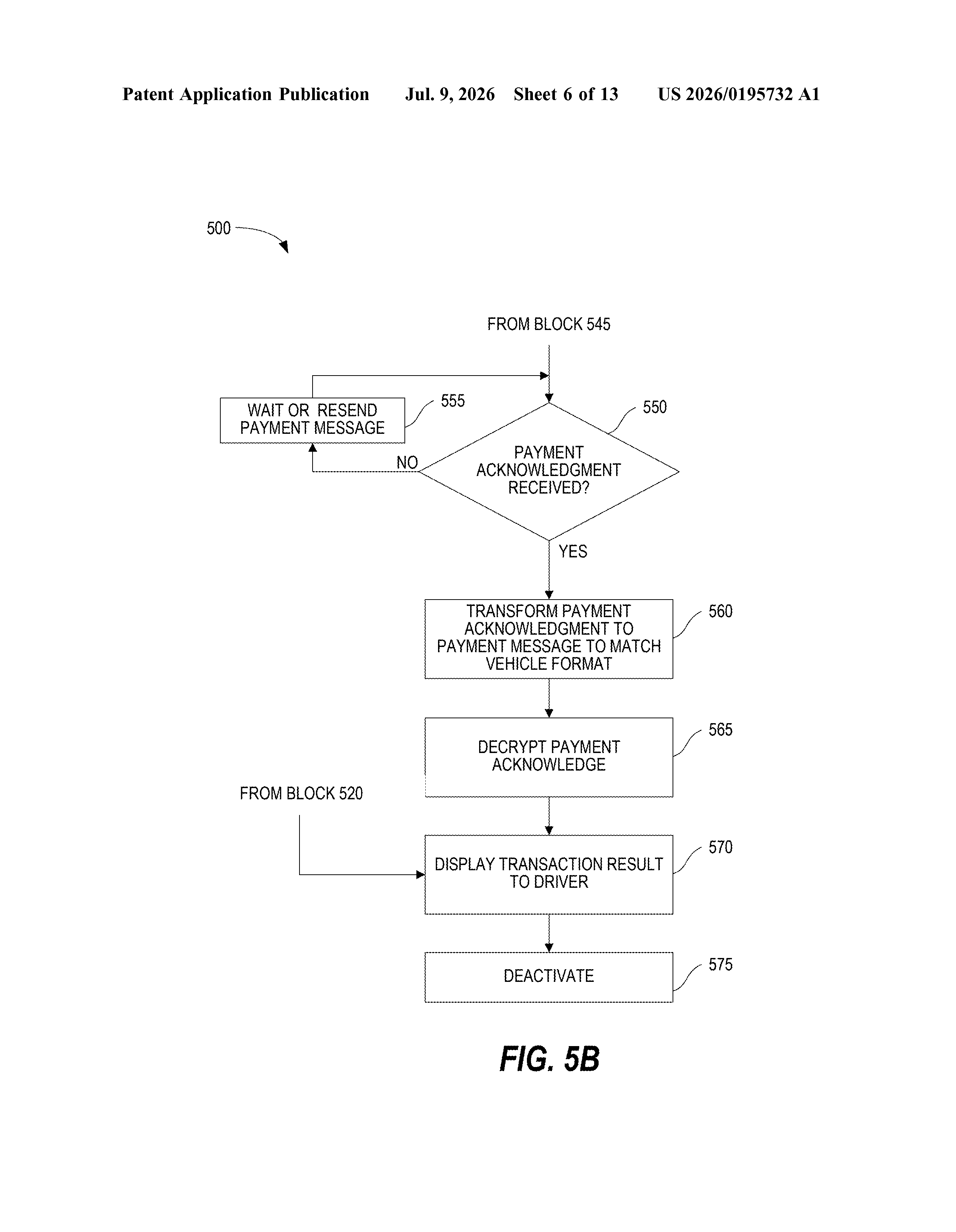
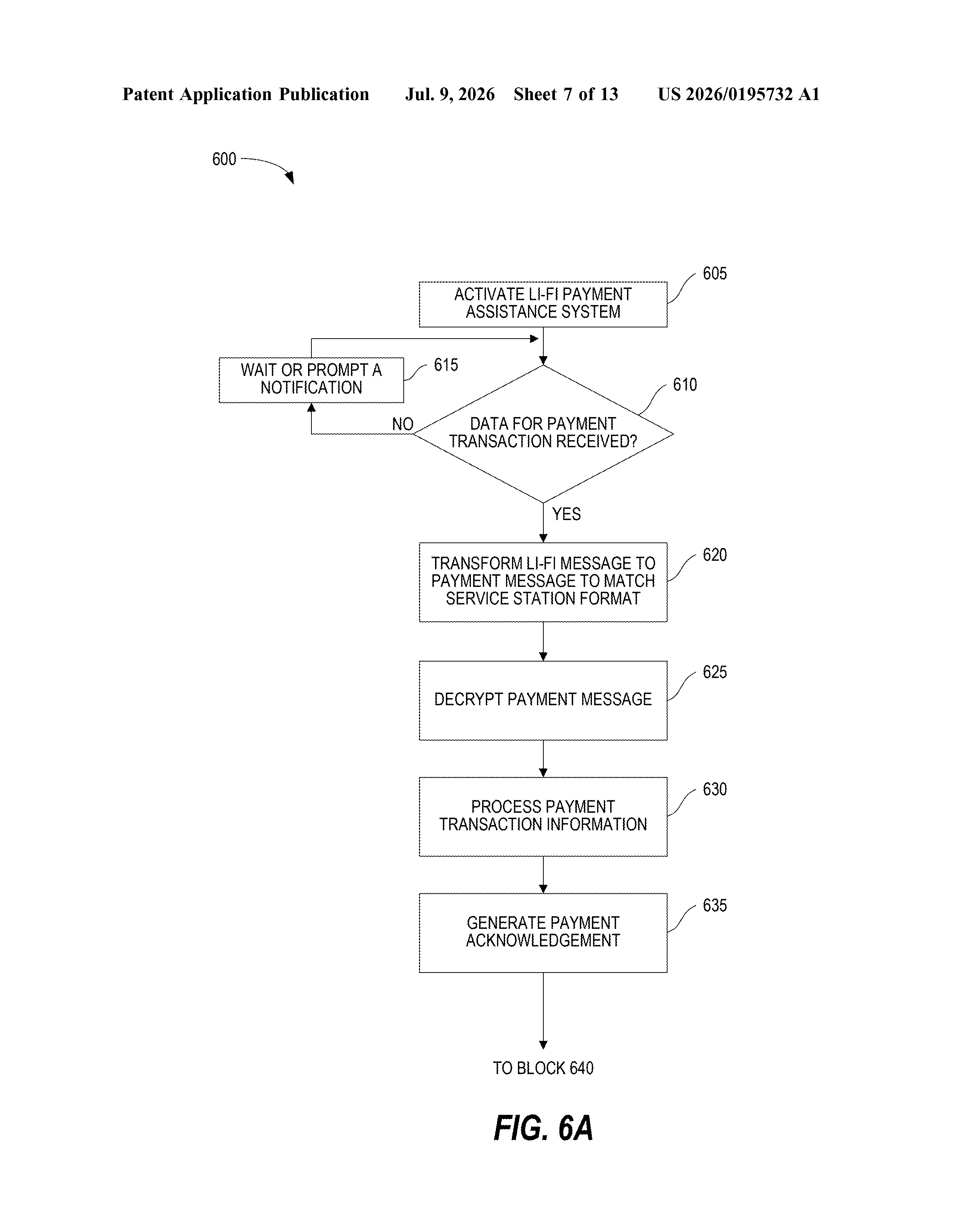
- Transmits that light signal to a photodetector receiver at the service station, which decodes it
The generative AI component handles the protocol translation step, adapting the payment message on the fly so the car can communicate with stations that may use different Li-Fi specifications. The whole transaction is designed to work entirely offline, with no cellular data or internet connection required at the point of exchange.
What this means for payments in low-connectivity areas
The practical target here is anywhere connectivity is thin: rural gas stations, toll booths, drive-through service points in poor-signal zones, or even underground parking. If this kind of system were ever built into production vehicles, it would mean payments could happen without relying on a cellular tower or a merchant's internet connection.
For drivers, the experience would look a lot like paying at a regular terminal, but the data travels as light rather than radio waves. For IBM, this sits squarely in its payments-infrastructure and security business. Li-Fi itself is an established research area, but embedding a payment-specific Li-Fi transmitter into a vehicle's existing light hardware is a specific and narrow application that this patent is staking a claim to.
This is a genuinely inventive concept, not just incremental paperwork. Using a car's own lights as a payment transmitter is a creative solution to a real problem: offline payments in low-coverage areas. That said, it requires service stations to install compatible Li-Fi receivers, which is a chicken-and-egg adoption problem IBM doesn't address here. Worth watching as a proof-of-concept, but don't expect to pay for your next oil change with your headlights anytime soon.
There are more where this came from
We read every patent application Big Tech publishes and send you the ones worth knowing. Plain English, free, every week.
The drawings
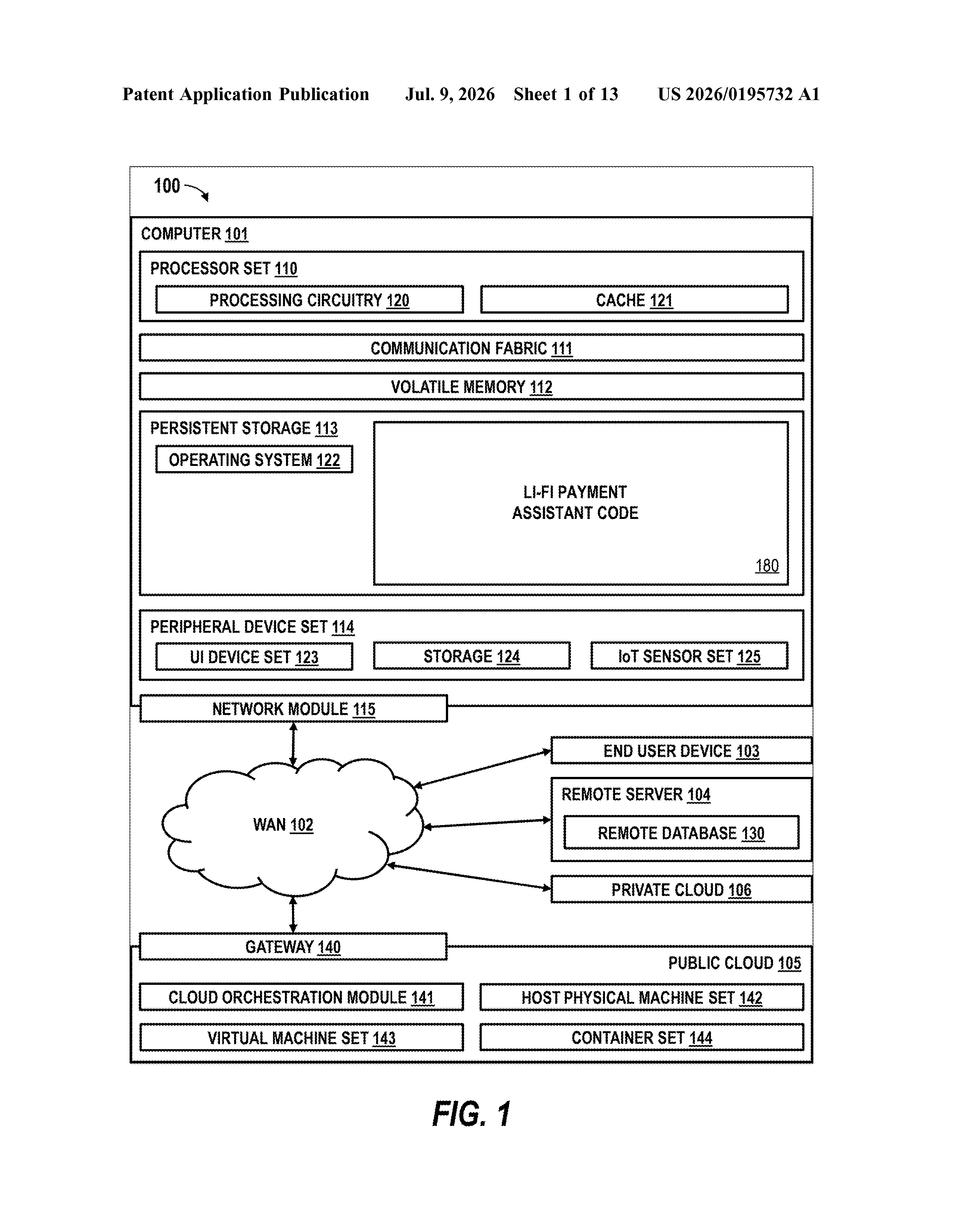
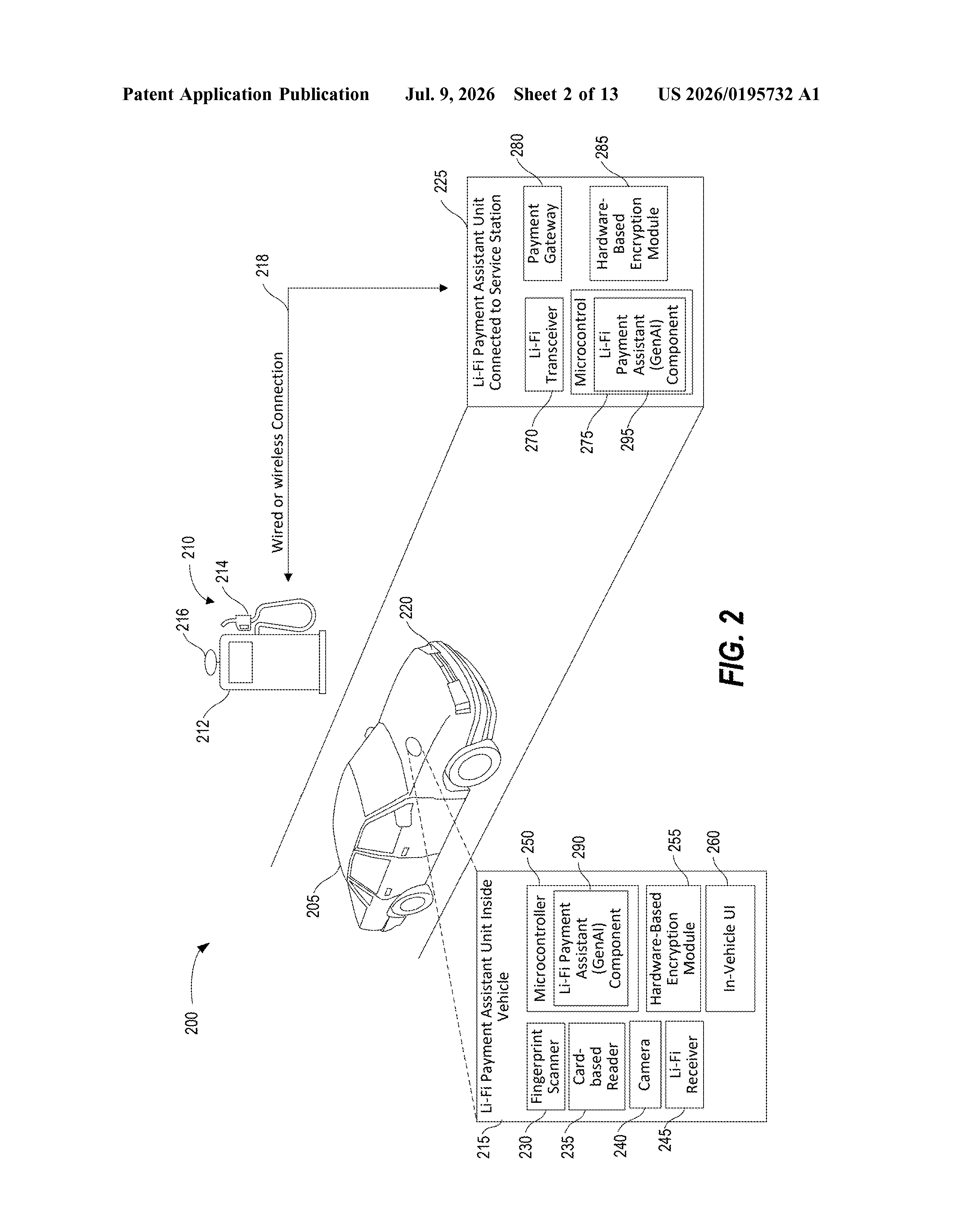
13 drawing sheets from US 2026/0195732 A1 · click any drawing to enlarge
Want this weekly breakdown for a company we don't cover? Patentlyze Pro →
Be the first to weigh in