
Samsung Patent Reveals AI Training Method That Processes Long Documents in Chunks
Most AI models hit a hard wall when a document gets too long. Samsung's latest patent describes a training method that lets the model work through a document in sections, carrying a running summary forward so nothing important gets dropped.
How Samsung's AI processes documents it can't read all at once
Imagine trying to read a 500-page legal contract when you can only hold 20 pages in your head at once. You'd probably jot down notes at the end of each section, then carry those notes into the next one. That's essentially what Samsung's patent is describing for AI.
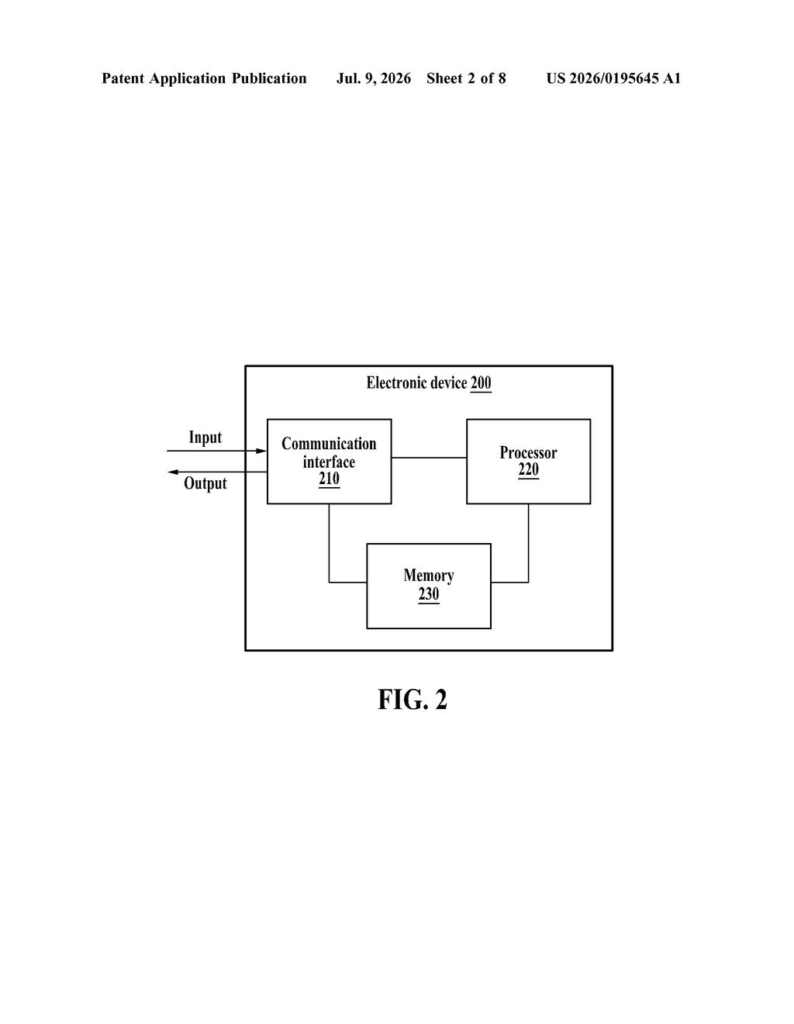
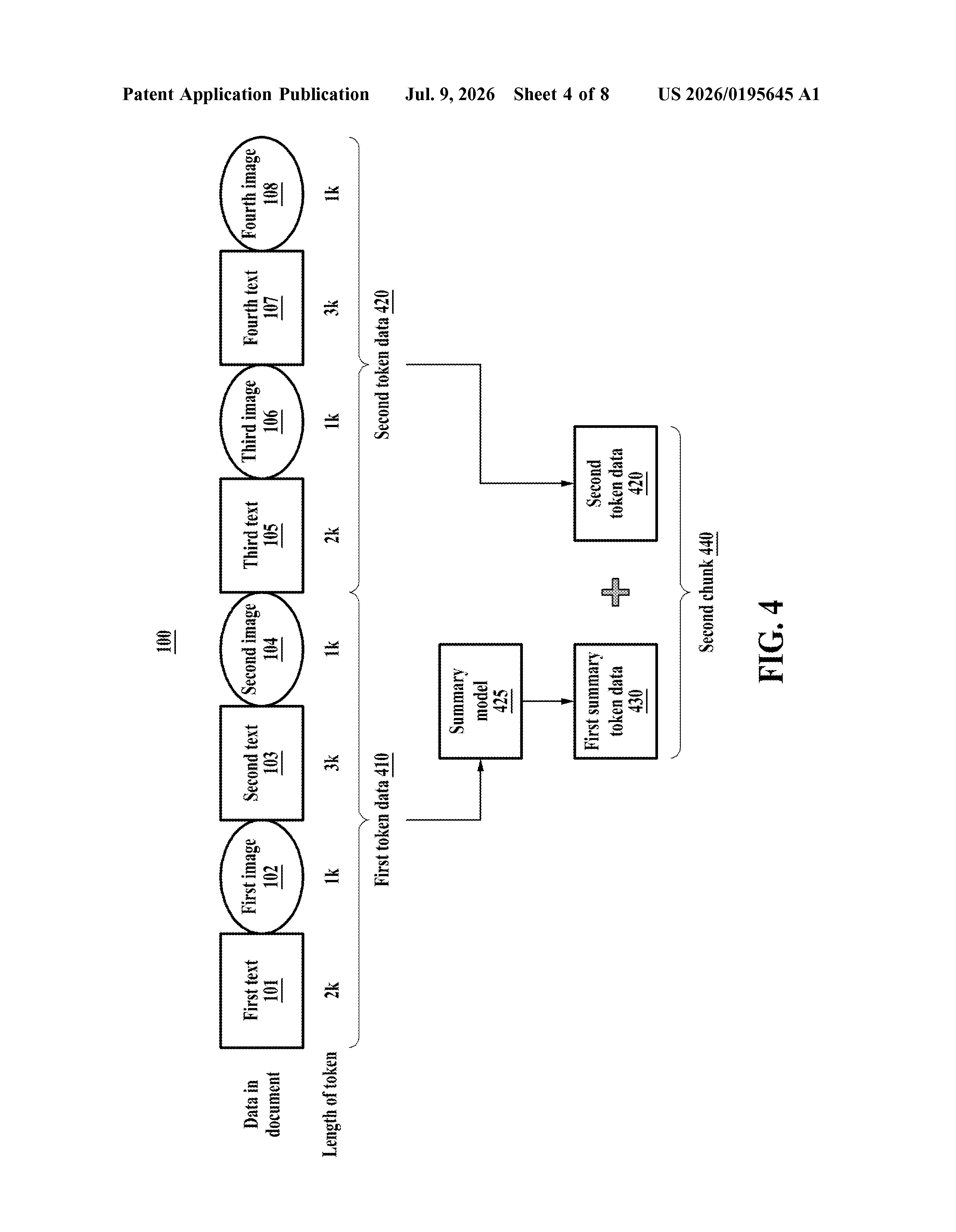
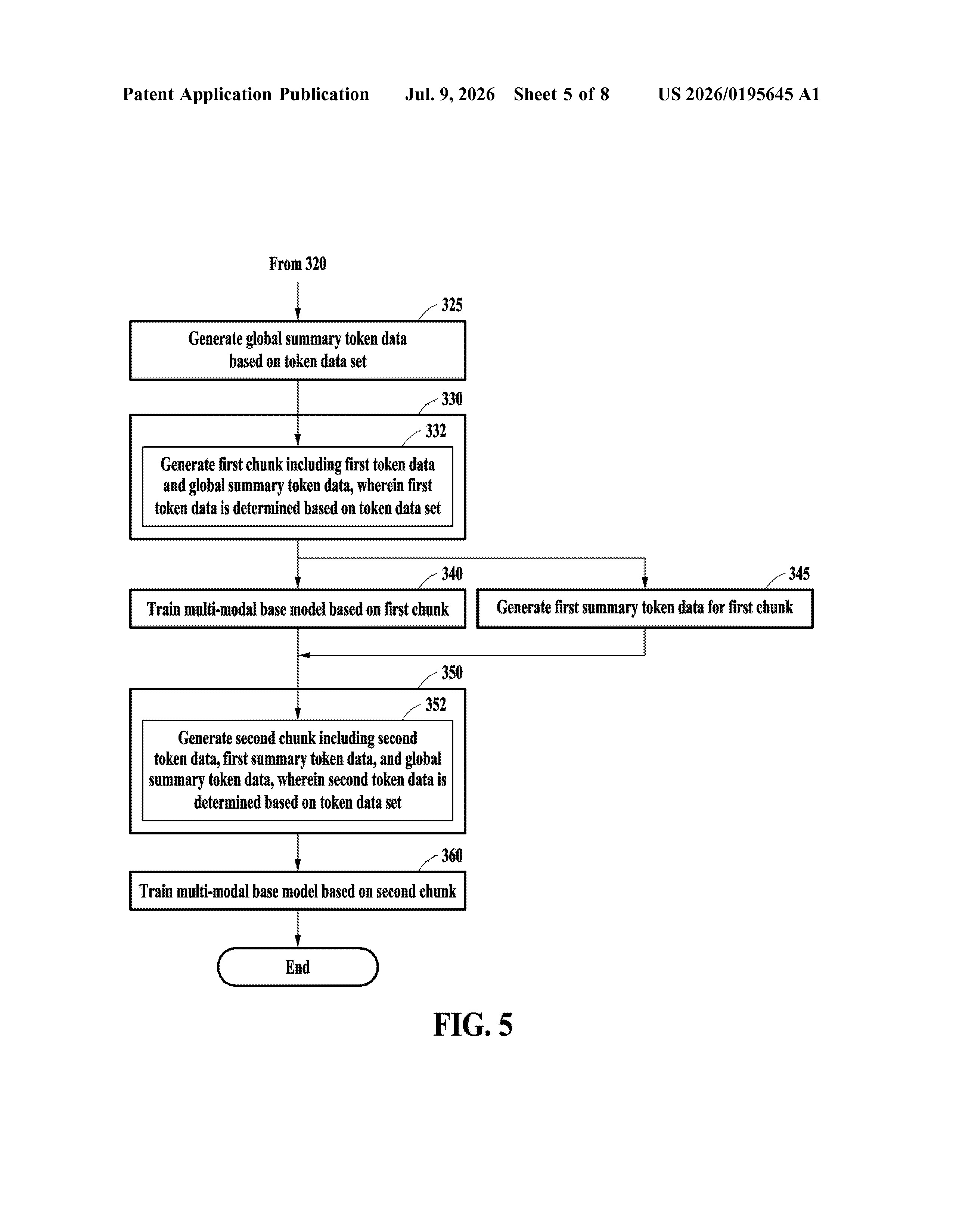
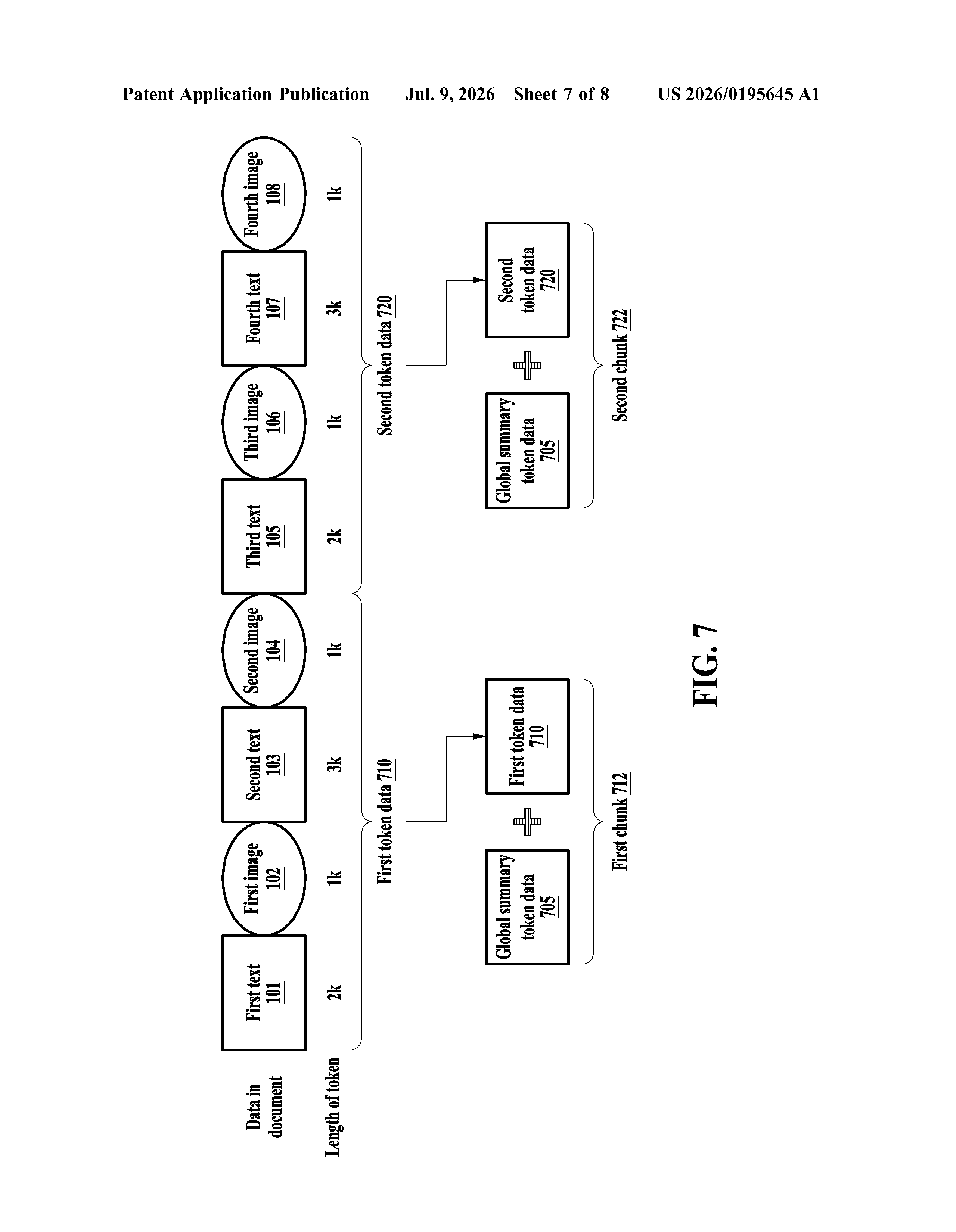
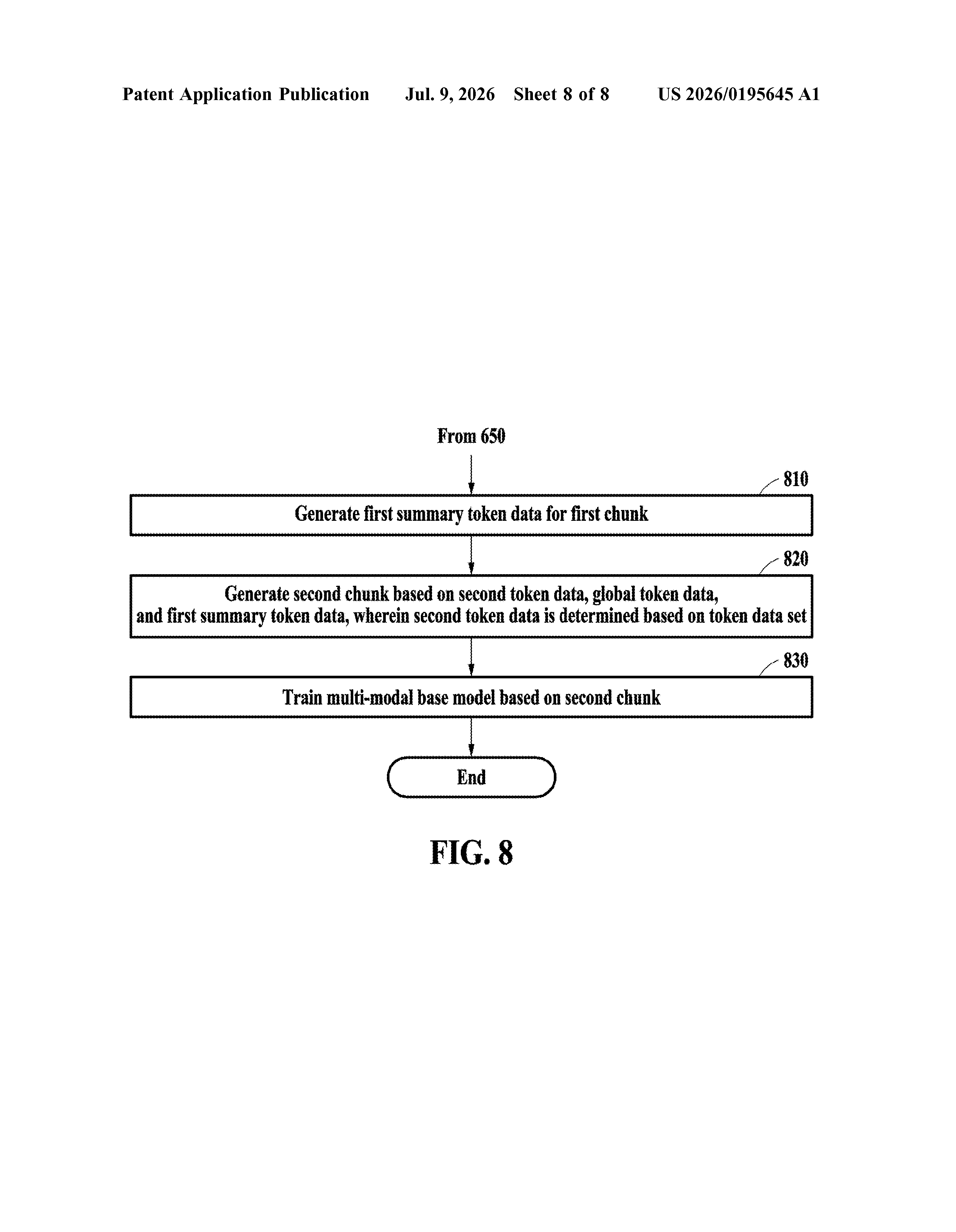
The system breaks a long document into chunks, processes the first chunk, then creates a short summary of what it just read. That summary gets bundled with the next chunk, so when the AI moves on to the second section, it already knows what came before. This continues through the whole document.
The goal is to train AI models that can handle multi-modal documents (think files that mix text, images, and tables) without losing the thread of what the document is actually about. Right now, most models either truncate long documents or struggle to maintain context across them.
How the chunking and summary-passing pipeline works
The patent describes a training pipeline for what Samsung calls a multi-modal base model, meaning an AI that can process more than just plain text, including images, tables, and mixed-format documents.
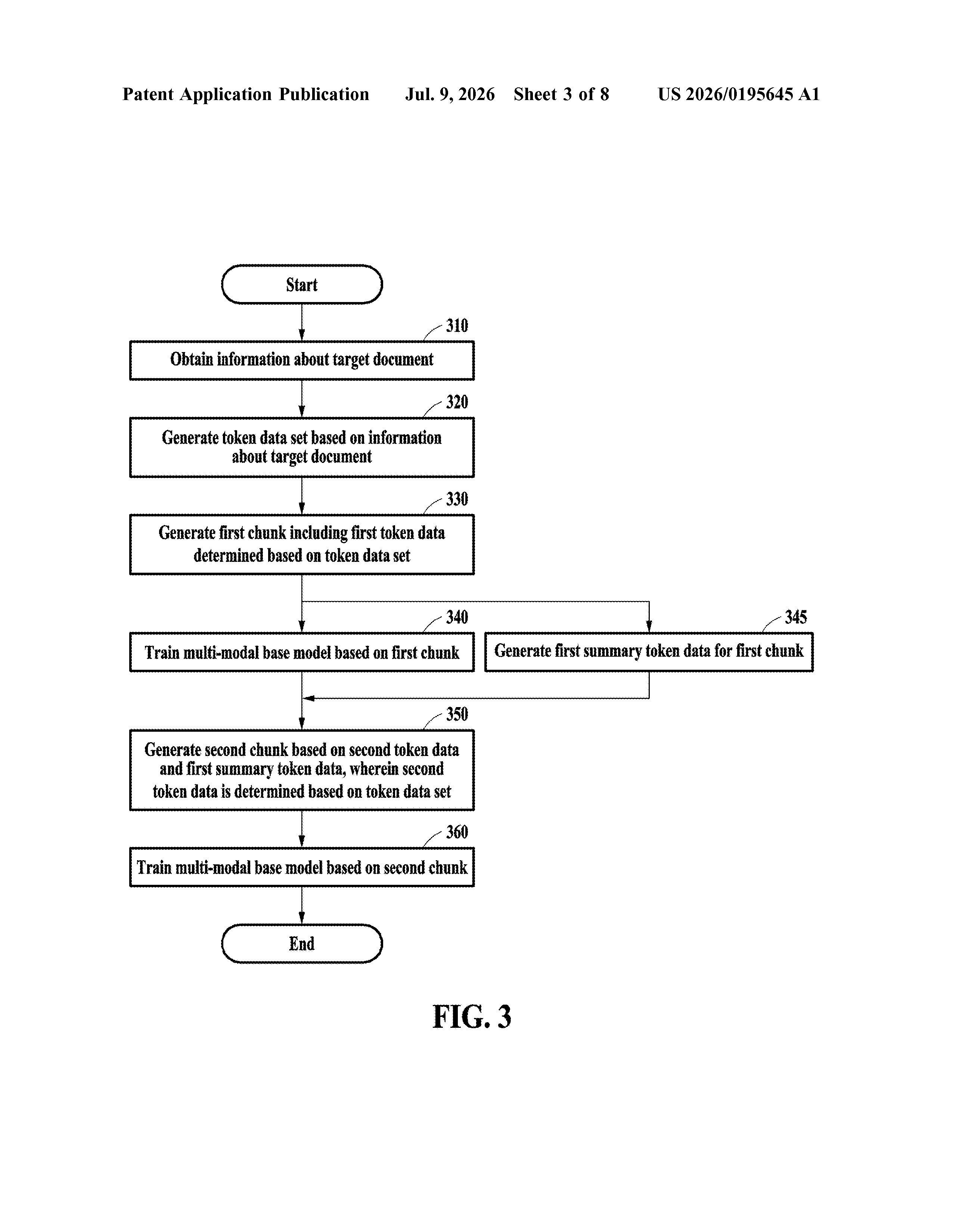
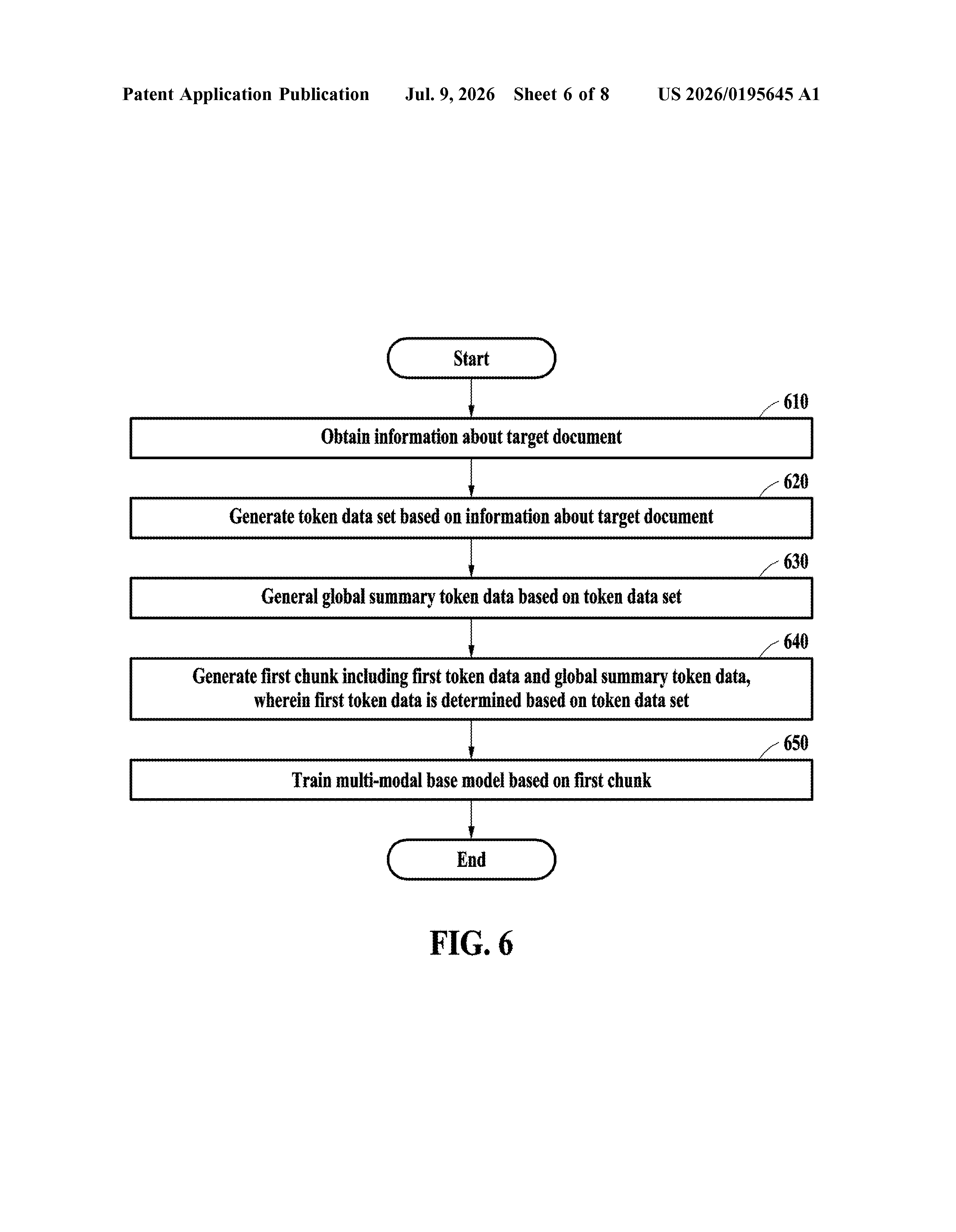
The core process works like this:
- A target document is converted into a token data set (tokens are the small units, words or parts of words, that AI models actually read).
- The first batch of those tokens is grouped into a chunk and processed.
- Summary token data is generated from that first chunk, essentially a compressed representation of what it contained.
- The summary is then merged with the next batch of tokens to form a second chunk, giving the model carry-forward context.
- The model is trained on this second chunk, with awareness of what came before baked in.
The key insight is that the model isn't just reading sections in isolation. Each subsequent chunk is informed by a condensed memory of the previous one, which is meant to help the model learn document-level reasoning rather than just sentence-level or paragraph-level patterns.
What this means for AI trained on real-world documents
Long-document understanding is one of the most practical unsolved problems in AI right now. Most current models were trained on short snippets and struggle badly when you feed them a full research paper, a contract, or a multi-page financial report. Samsung's approach directly addresses the training phase, not just the inference (live use) phase, which means the resulting model could be fundamentally better at following an argument across many pages, not just good at faking it with tricks applied after training.
For you as an end user, this is the kind of research that could eventually show up in a document assistant on your phone or in a Samsung productivity tool that actually understands the report you uploaded, rather than just grabbing keywords from the first few paragraphs.
This is foundational AI training research, not a product announcement, and it reads like it. The chunking-with-summary approach is a reasonable and well-motivated idea, but it's not a dramatic departure from techniques already being explored in the broader research community. Samsung filing this suggests they're investing seriously in building their own in-house AI training infrastructure rather than licensing everything from outside, which is worth watching as a strategic signal even if the patent itself is incremental.
Get our take in your Top Stories
Liked this breakdown? Add Patentlyze as a preferred source on Google, and our plain-English take shows up more often in your Top Stories the next time Samsung patent news breaks.
There are more where this came from
We read every patent application Big Tech publishes and send you the ones worth knowing. Plain English, free, every week.
The drawings
8 drawing sheets from US 2026/0195645 A1 · click any drawing to enlarge
Want this weekly breakdown for a company we don't cover? Patentlyze Pro →