
Disney Patents an AI Translation System That Keeps Rewriting Until It Gets It Right
Disney is patenting a translation tool that doesn't just translate once and call it done. It scores its own work, figures out what's wrong, and keeps rewriting until the result passes a quality bar it sets for itself.
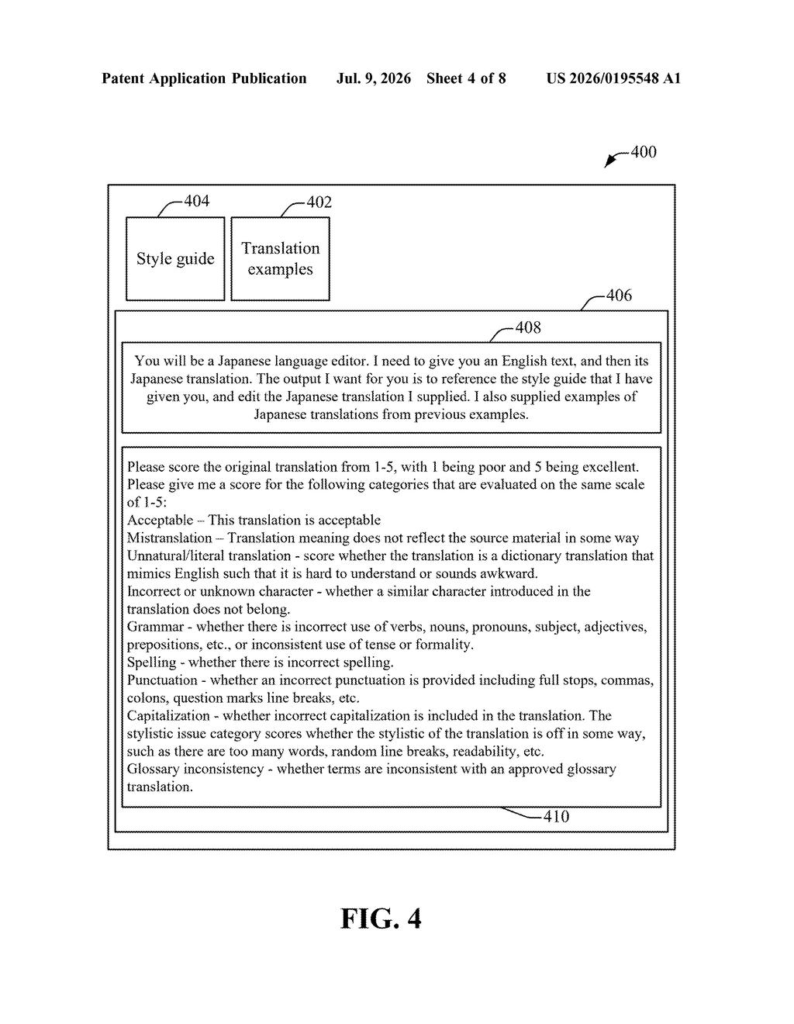
How Disney's self-grading translation loop works
Imagine you hand a draft essay to an editor who gives it a grade and a list of notes, then hands it back so you can try again. That loop repeats until the essay earns a passing score. Disney's patent describes exactly that process, but the editor is an AI and the essay is a translated script, subtitle file, or piece of content.
The AI doesn't just produce one translation and stop. It reads its own output, applies a scoring guide, and decides whether the translation is good enough. If it isn't, the system feeds the score and the AI's own suggestions back in as a new set of instructions, and the model tries again.
This kind of automatic revision loop could matter a lot for a company like Disney, which releases films, TV shows, and theme-park content in dozens of languages. Getting a culturally natural translation, not just a technically correct one, is expensive and slow when done by hand. An AI that critiques and corrects itself before a human ever looks at the output could cut that cost significantly.
Inside the scoring-and-retry feedback cycle
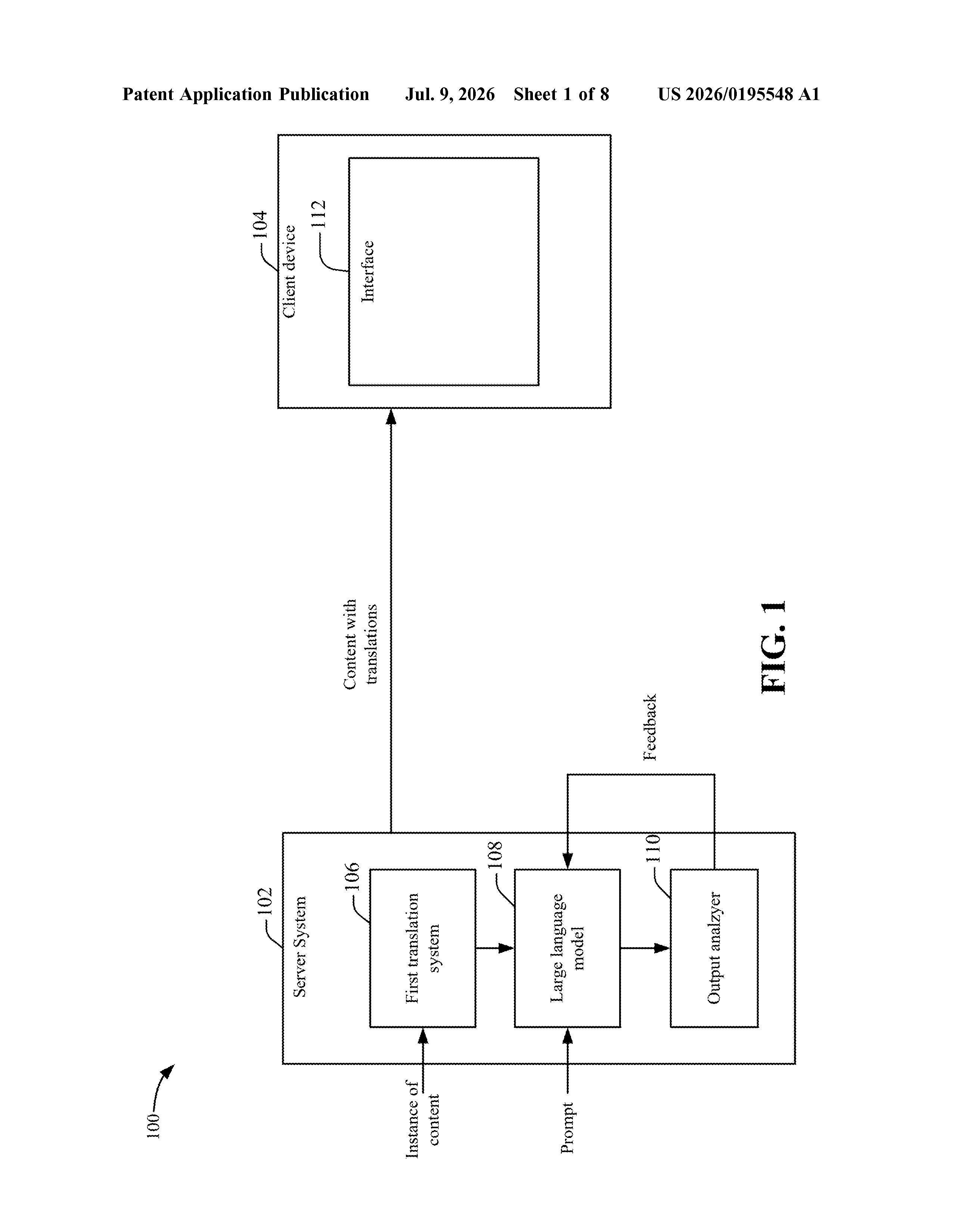
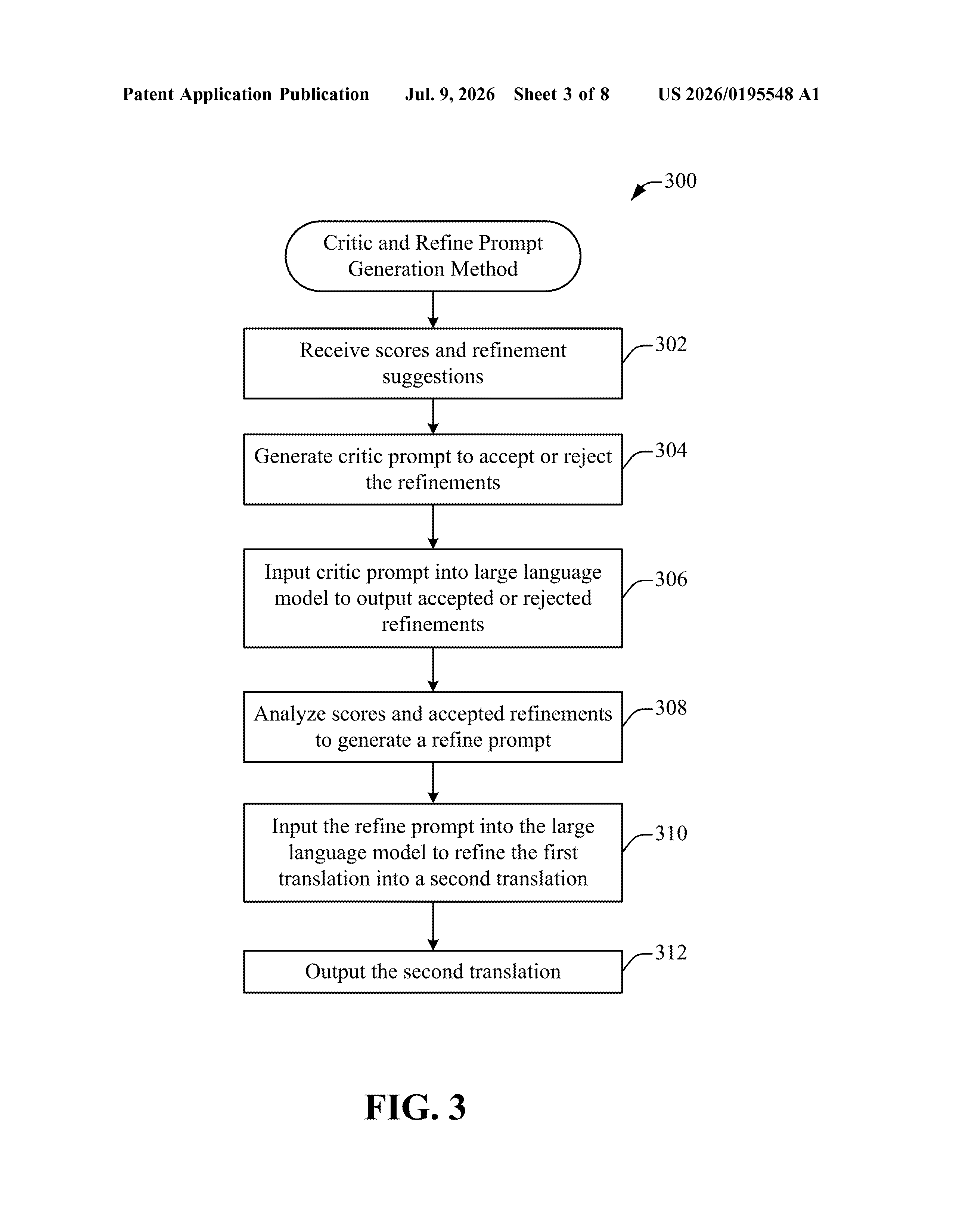
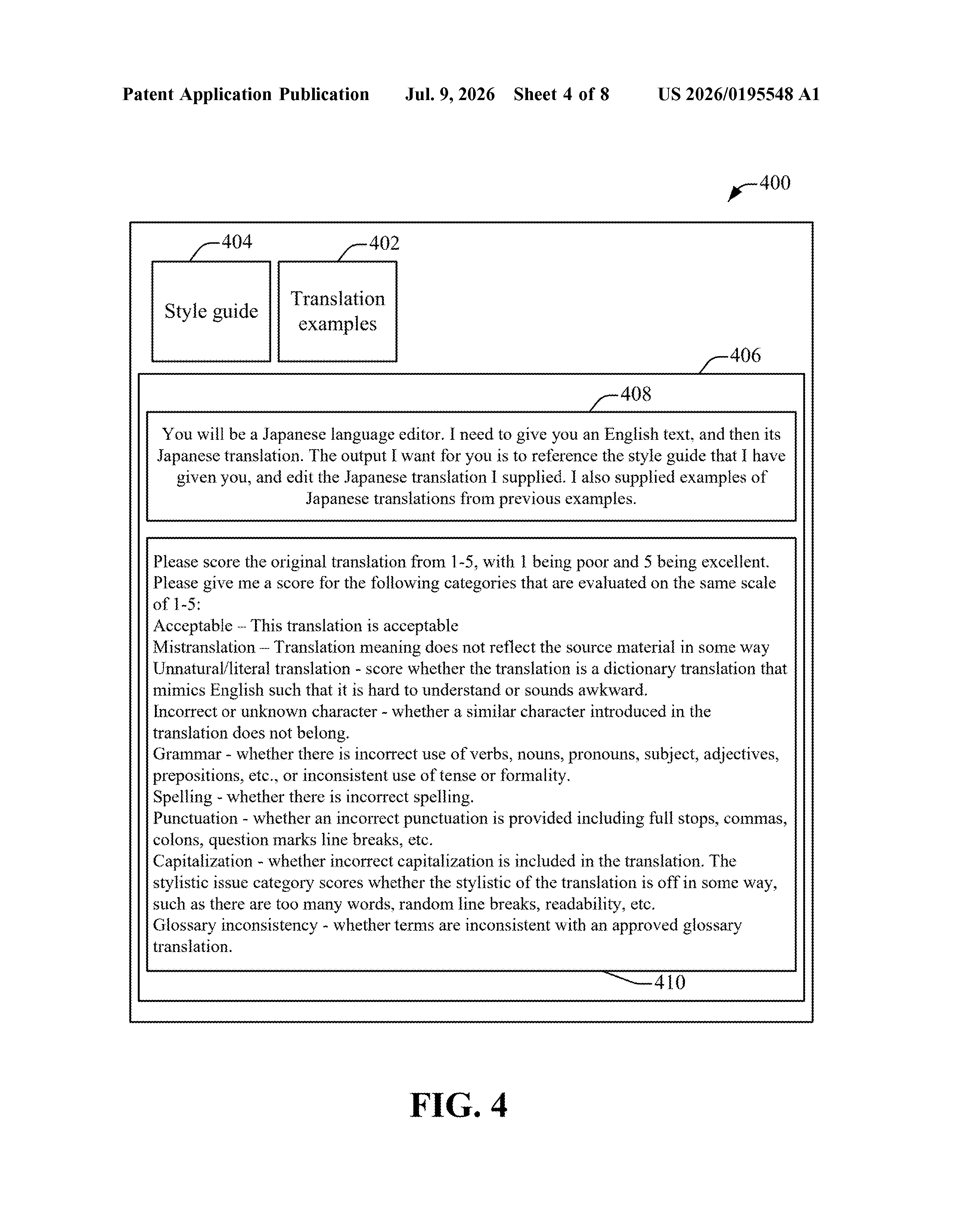
The system starts by receiving an initial machine translation for a piece of content. It then builds what the patent calls a "first prompt", a structured set of instructions that tells the AI language model two things: how to evaluate the translation, and what a good translation looks like (the scoring guide).
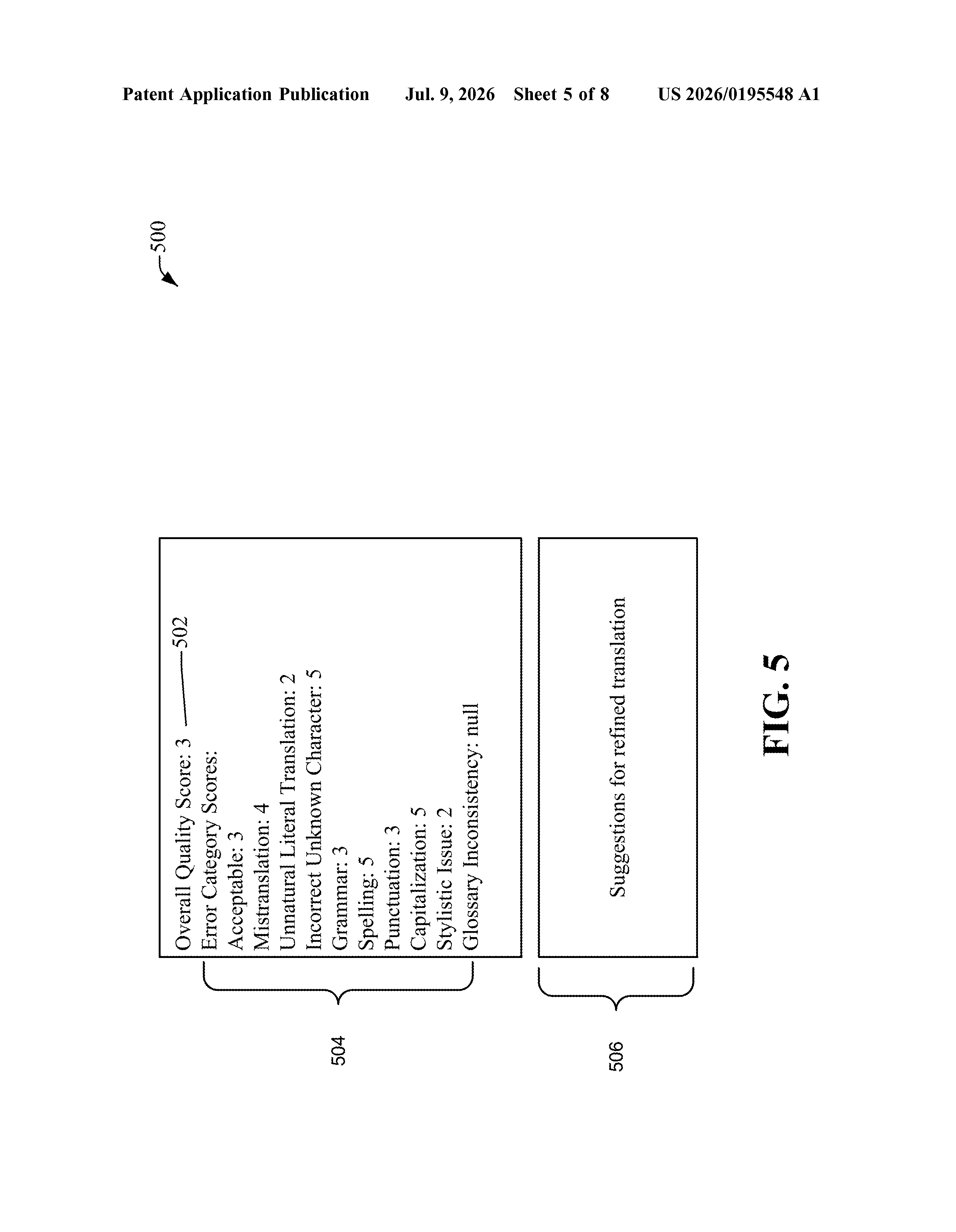
The AI model reads that prompt and produces two outputs: a numeric score for the translation and a list of suggestions for how to improve it. Think of the score as a pass/fail grade and the suggestions as margin notes.
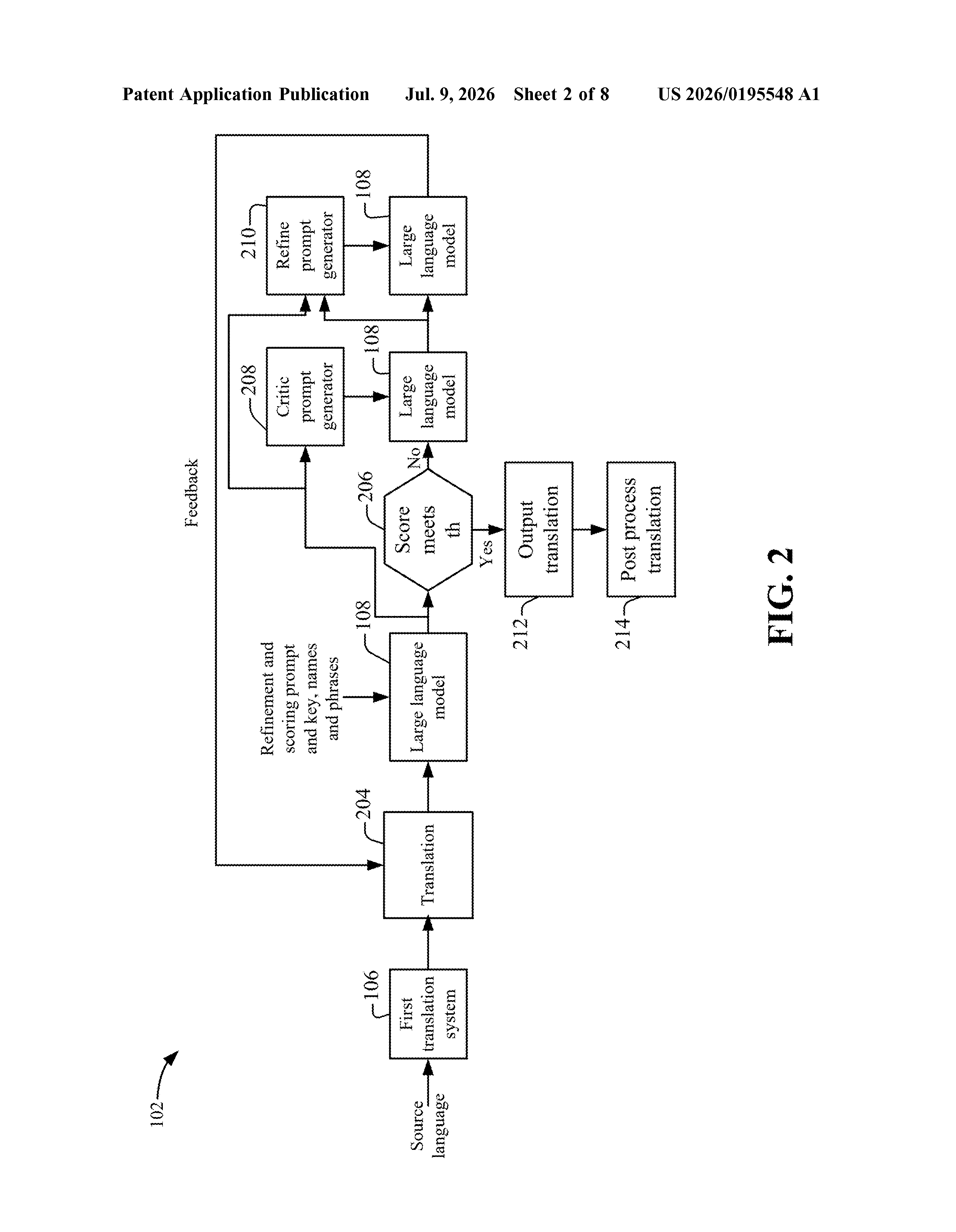
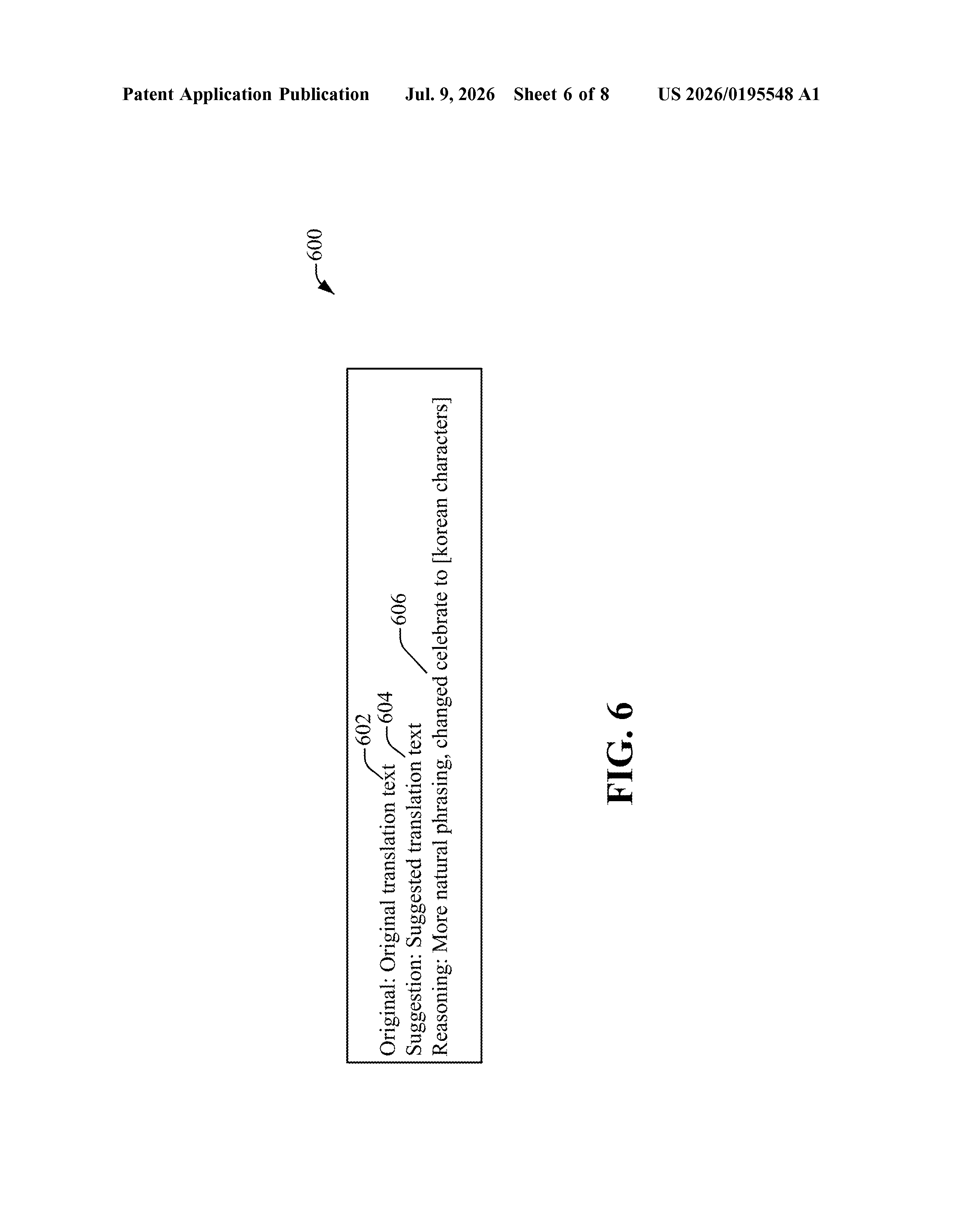
The system then checks the score against a threshold. If the translation passes, it ships. If it doesn't, the system builds a "second prompt" that incorporates those suggestions as instructions, runs the model again to generate a revised translation, and then feeds the result back into the scoring step. This creates a loop that continues until the score clears the bar:
- Translate the content
- Score it and generate suggestions
- Rewrite using the suggestions
- Score again and repeat if needed
- Output when the score meets the threshold
All of this happens inside a large language model (an AI system like the kind that powers ChatGPT). The novel part is using the same model as both the translator and the quality checker, with a feedback loop connecting the two roles.
What this means for Disney's global content library
Disney operates one of the largest content libraries in the world, spanning films, streaming shows, theme-park materials, and merchandise, all of which need localization into many languages. Professional human translators are skilled but slow and expensive, especially for the kind of culturally nuanced work Disney's brand demands. A system that automates the revision cycle, catching obvious problems before a human reviewer ever sees the text, could meaningfully speed up that pipeline.
For you as a viewer, this could eventually mean faster subtitle releases for Disney Plus originals in your language, or more natural-sounding dubs. The bigger strategic picture is that Disney is investing in AI infrastructure to handle the global scale of its content operation, and translation is one of the most labor-intensive parts of that operation.
This is a straightforward but genuinely useful application of a technique AI researchers call 'self-refinement,' applied to a real industrial bottleneck Disney actually has. It's not a flashy research bet. It's the kind of patent that gets built into a production pipeline and saves a company millions in localization costs over time. Worth watching, not because it's surprising, but because it's specific and practical.
Get our take in your Top Stories
Liked this breakdown? Add Patentlyze as a preferred source on Google, and our plain-English take shows up more often in your Top Stories the next time Disney patent news breaks.
There are more where this came from
We read every patent application Big Tech publishes and send you the ones worth knowing. Plain English, free, every week.
The drawings
8 drawing sheets from US 2026/0195548 A1 · click any drawing to enlarge
Want this weekly breakdown for a company we don't cover? Patentlyze Pro →