
Samsung Patents an AI That Rewrites What Happens Next in Your Photos
What if you could tell your phone to show you what a photo would look like five minutes later? Samsung is patenting exactly that kind of time-aware AI image editing.
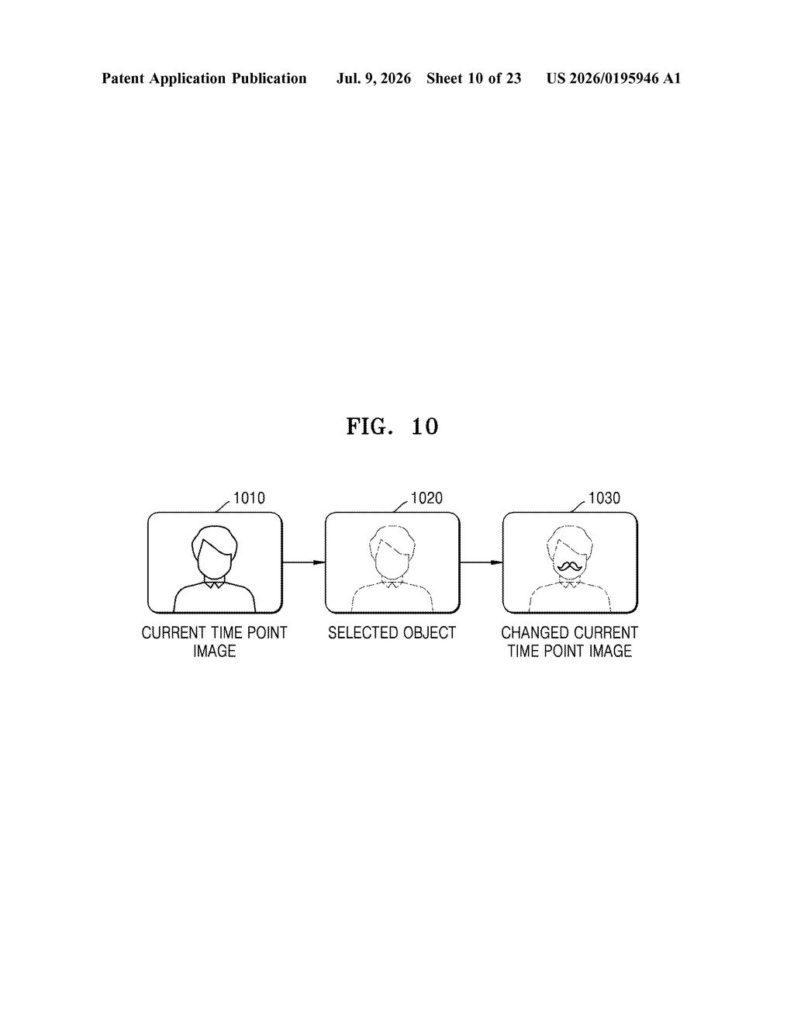
How Samsung's AI imagines a photo's future
Imagine you have a photo of a sunset, and you want to see what it might have looked like ten minutes after the shot was taken, with the sky a deeper shade of red and the light fading. Samsung's patent describes an AI system that can do something close to that.
When you ask your device to modify an image, the system doesn't just apply a filter. It first studies the photo and builds an understanding of what's in the scene and what was happening at that moment. Using that knowledge, a second AI then generates a new version of the image showing what the scene might look like at a later point in time, based on both the scene's context and whatever change you requested.
In short, Samsung is working on a way for your phone to edit photos with a sense of time and story, not just color and lighting. You describe a change, and the phone figures out how that change would logically unfold in the world of the image.
How the two-AI pipeline builds and edits the scene
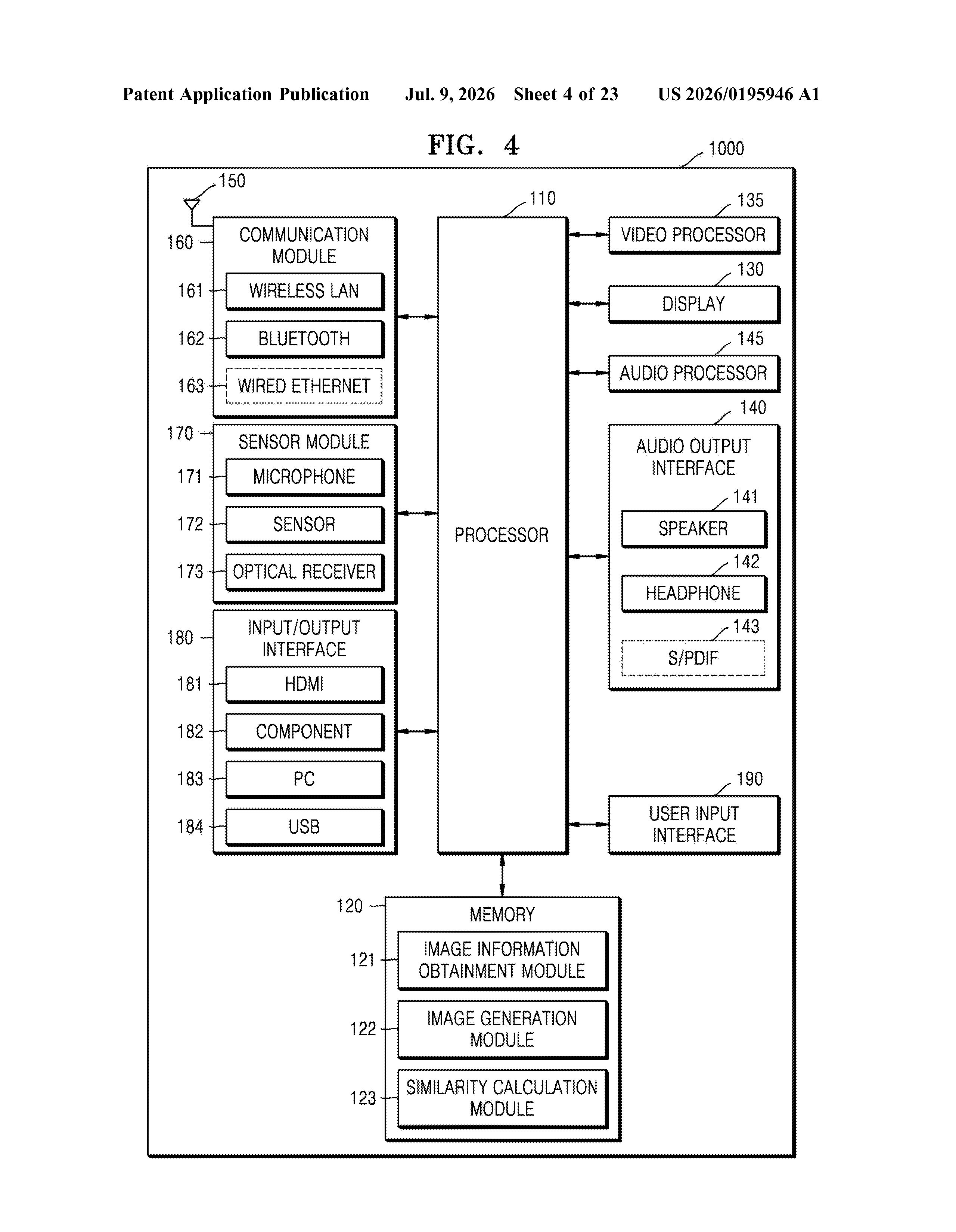
The patent describes a two-stage AI pipeline that processes an image through the lens of time rather than simple pixel adjustments.
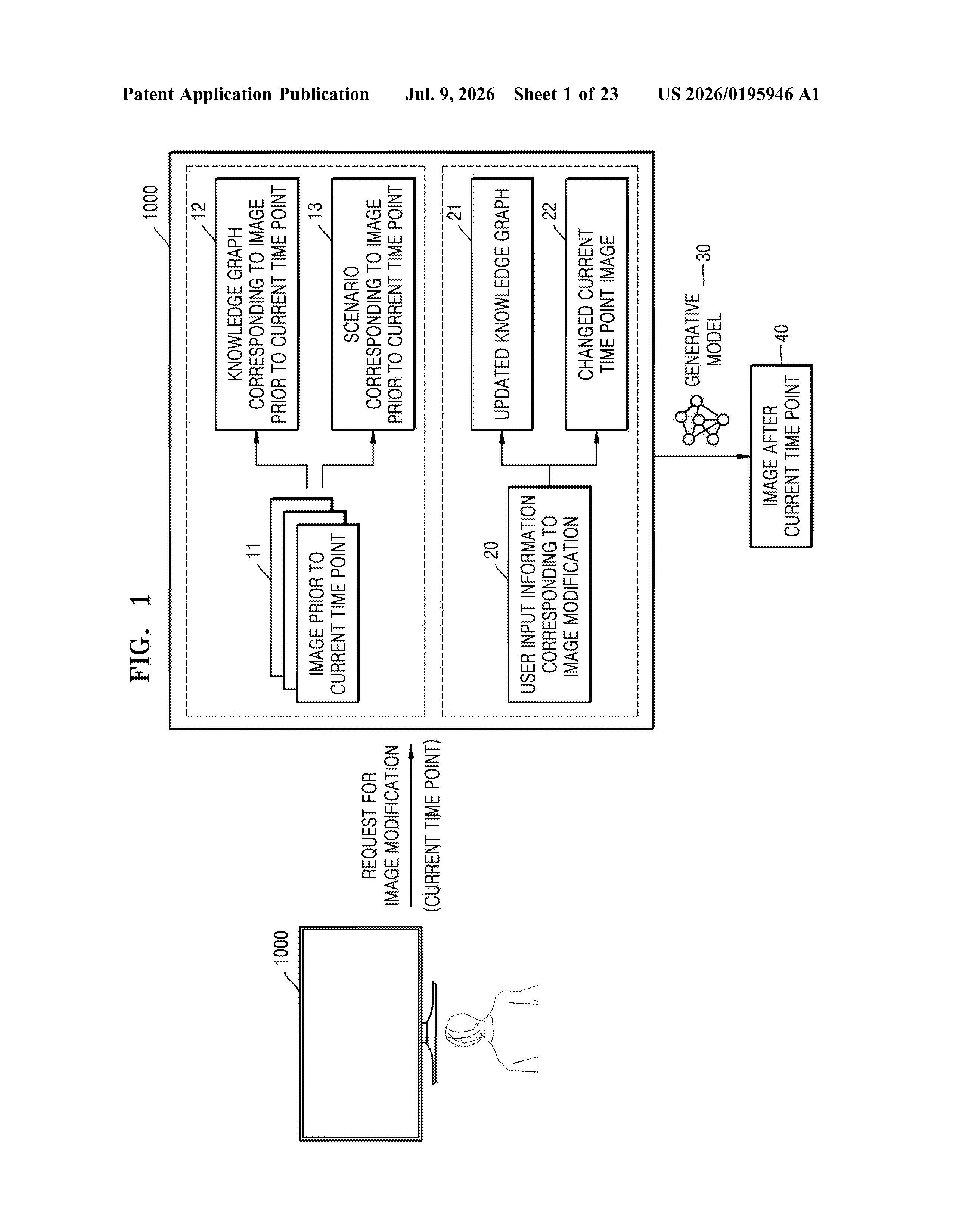
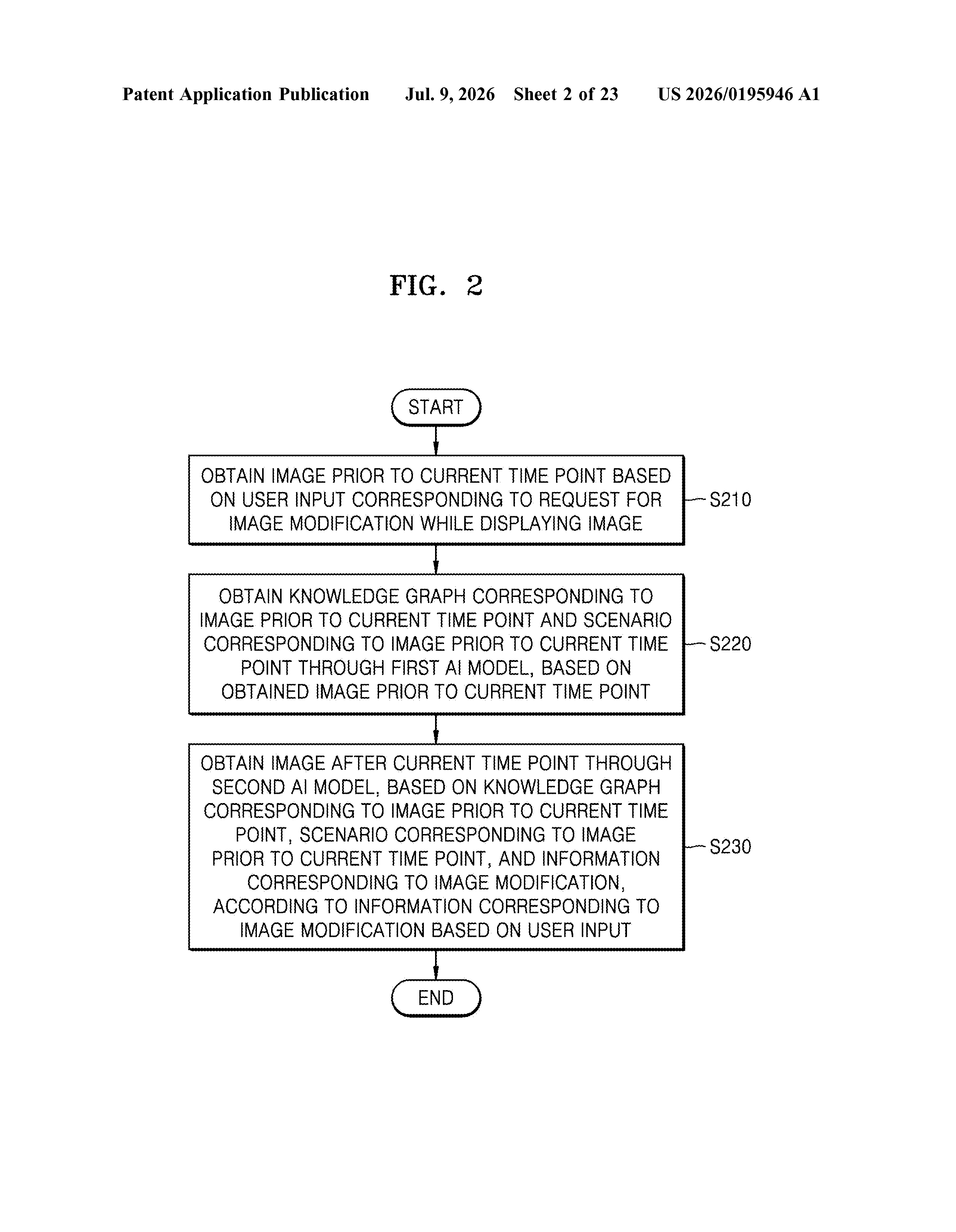
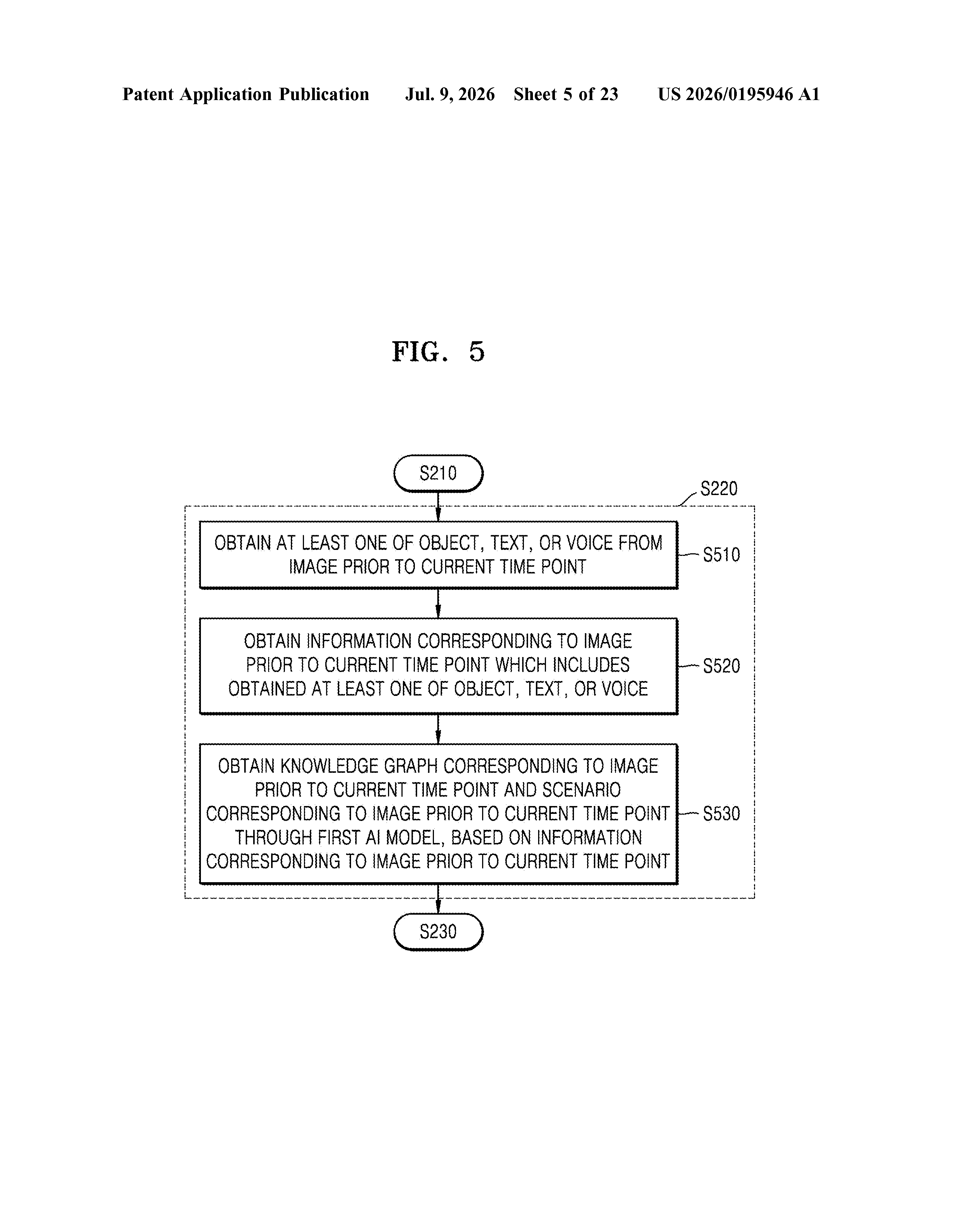
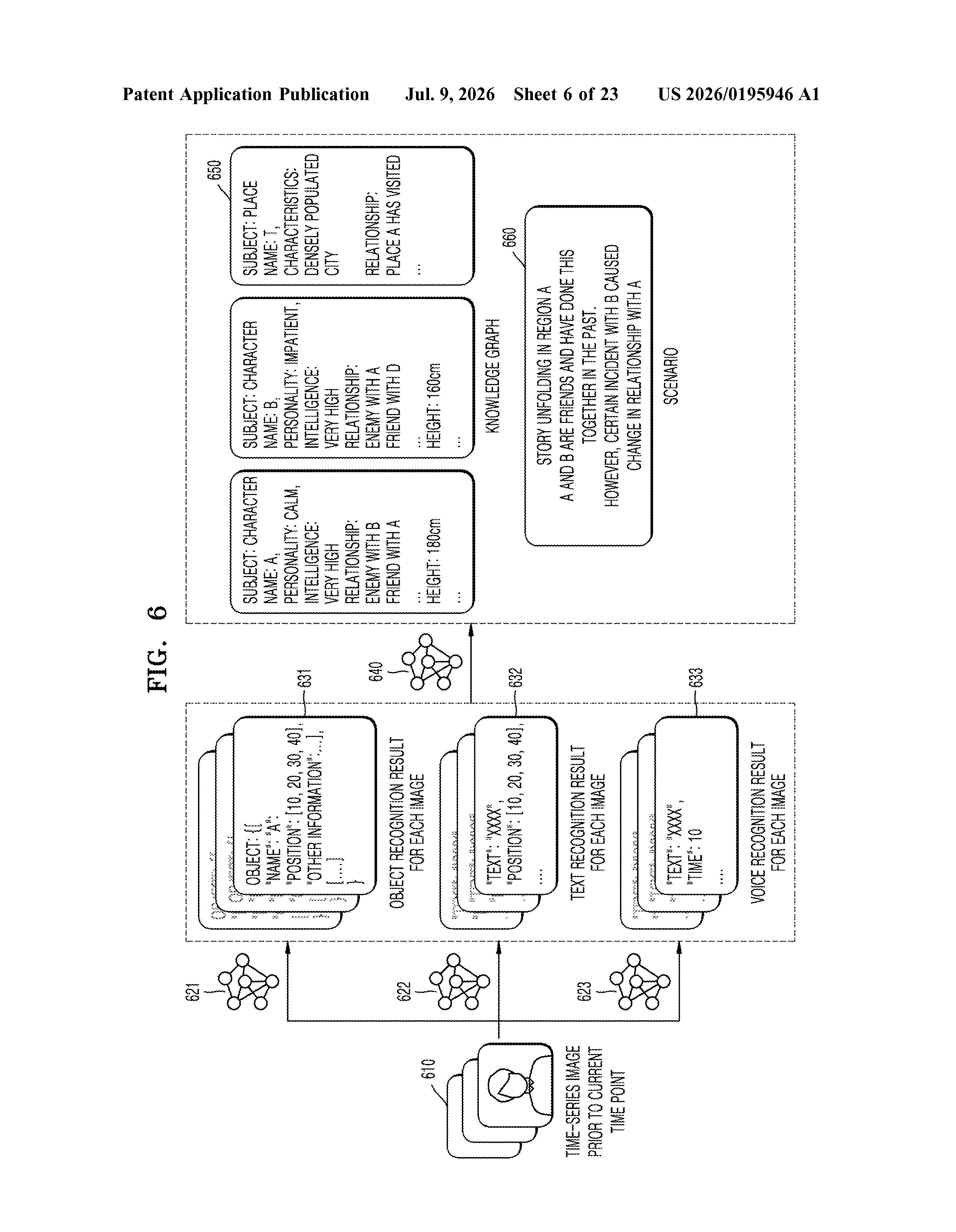
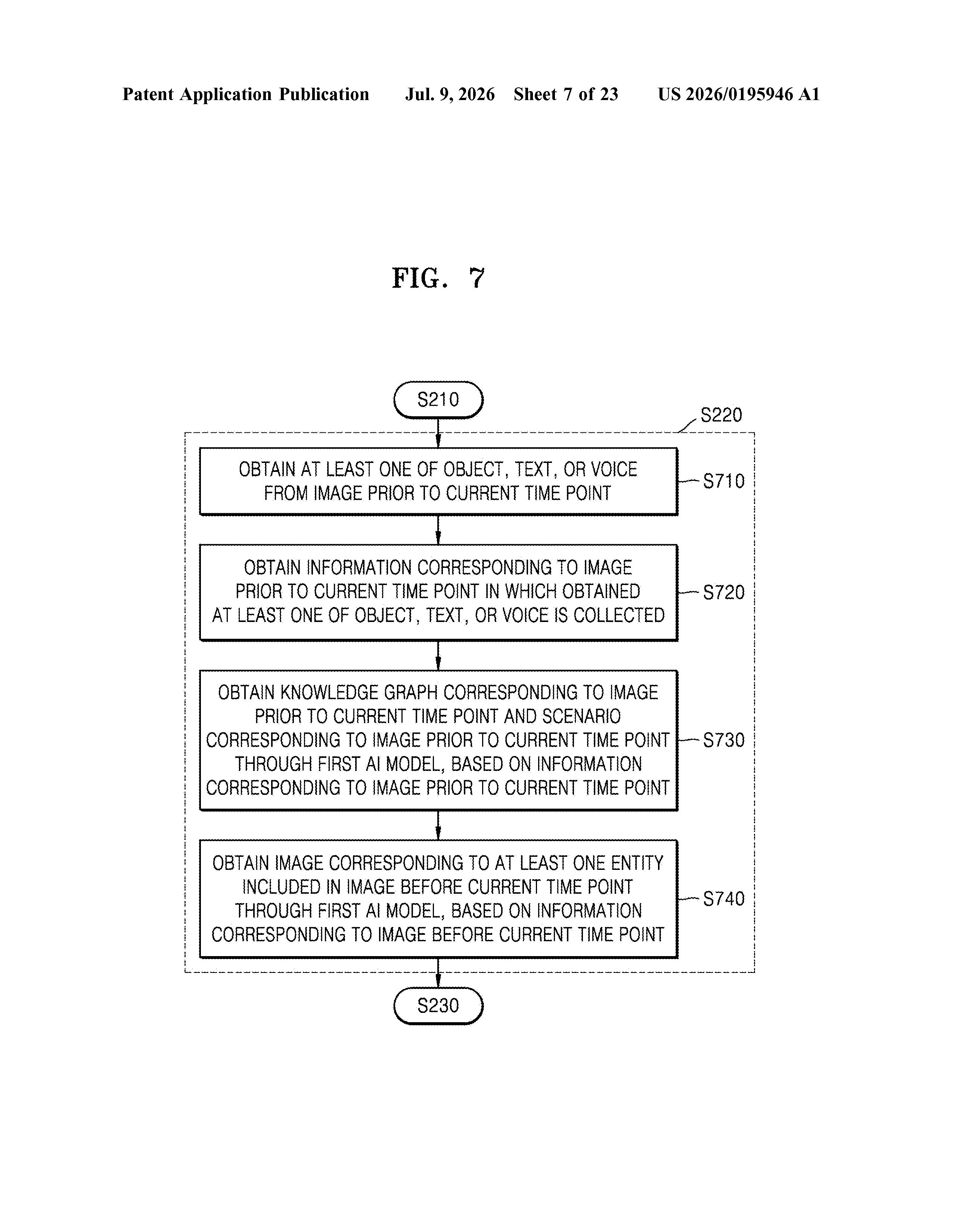
In the first stage, a first AI model analyzes a photo taken before a chosen moment and produces two outputs:
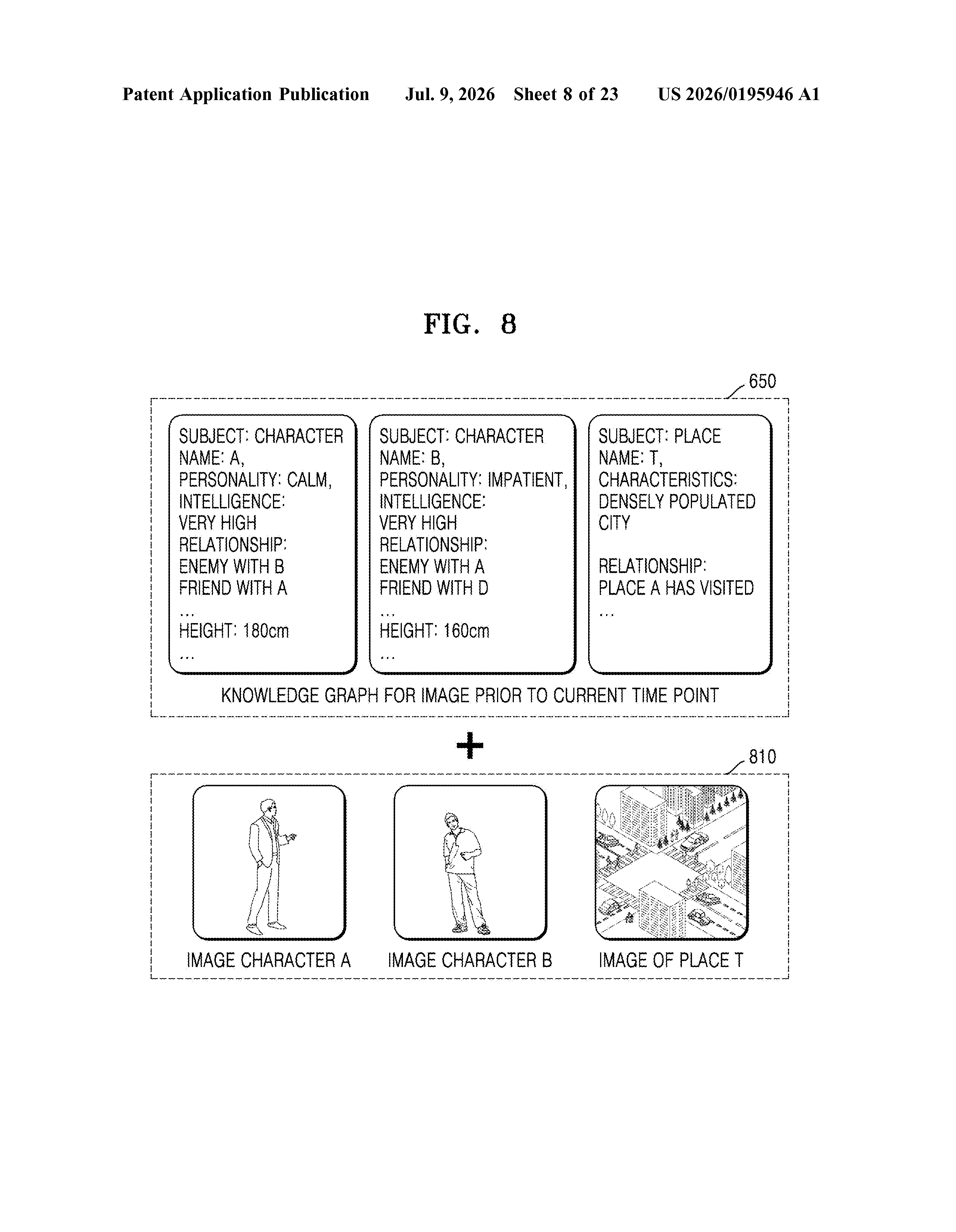
- A knowledge graph (a structured map of the objects, relationships, and context in the scene, think of it as the AI's notes on what's in the picture and how everything relates)
- A scenario (a description of what was happening in the image at that moment, essentially a narrative snapshot)
In the second stage, a second AI model takes those notes, combines them with the user's edit request, and generates a new image representing what the scene would look like after that moment. The edit request informs how the generated future-state image differs from the original.
The key idea is that the system understands context and causality. Instead of blindly applying an edit, it reasons about the scene's state before the edit and projects forward. This is closer to how a film director might imagine the next frame than how a traditional photo filter works.
What this means for AI photo editing on Galaxy devices
Most AI photo editing today operates on a single frozen moment: remove an object, change the sky, adjust the light. Samsung's approach treats a photo as a frame in an ongoing story, which opens the door to edits that feel logically consistent with the scene rather than pasted on top of it. For everyday users, this could mean requesting changes like "show this scene at dusk" and getting a result that accounts for how shadows, colors, and the scene's elements would actually shift over time.
For Samsung, this lines up with the push to differentiate Galaxy devices through AI camera and editing features. If this system ships in a future version of Galaxy AI photo tools, it would represent a meaningful step beyond the generative fill and object-erase features that are already common across the industry.
This is a genuinely interesting idea that goes beyond the standard AI photo editing playbook. The use of a knowledge graph and narrative scenario as intermediate steps is a thoughtful architecture choice that could produce more coherent results than prompt-based generation alone. Whether Samsung can make it fast and accurate enough for real users is the real question, but the concept is worth watching.
Get our take in your Top Stories
Liked this breakdown? Add Patentlyze as a preferred source on Google, and our plain-English take shows up more often in your Top Stories the next time Samsung patent news breaks.
There are more where this came from
We read every patent application Big Tech publishes and send you the ones worth knowing. Plain English, free, every week.
The drawings
23 drawing sheets from US 2026/0195946 A1 · click any drawing to enlarge
Want this weekly breakdown for a company we don't cover? Patentlyze Pro →