
Samsung's New Patent Takes Extra Photos Behind the Scenes, at Better Settings
Samsung is working on a camera system that doesn't just take the photo you asked for, it secretly takes extra shots at better settings and saves them alongside the original, all without you touching a thing.
What Samsung's auto-settings camera system actually does
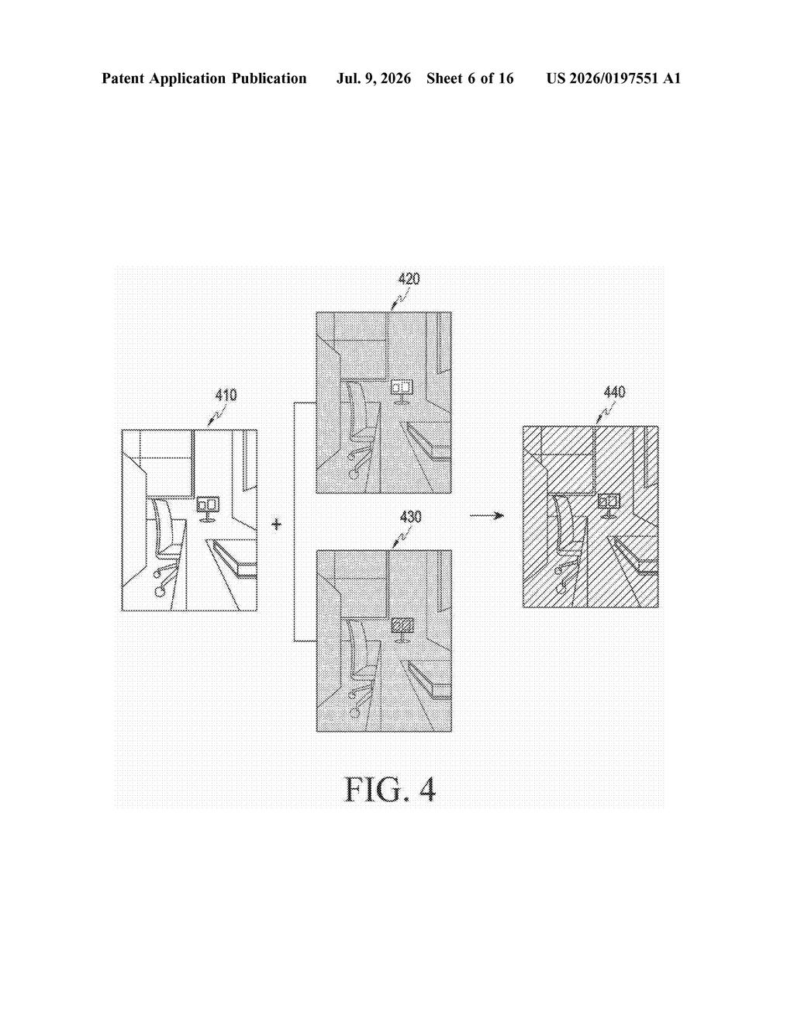
Imagine you're about to photograph something in dim lighting. Your phone takes the shot you asked for, but your camera app also recognized the scene could look better with different settings. So it takes a few extra shots on its own, behind the scenes, using those improved settings.
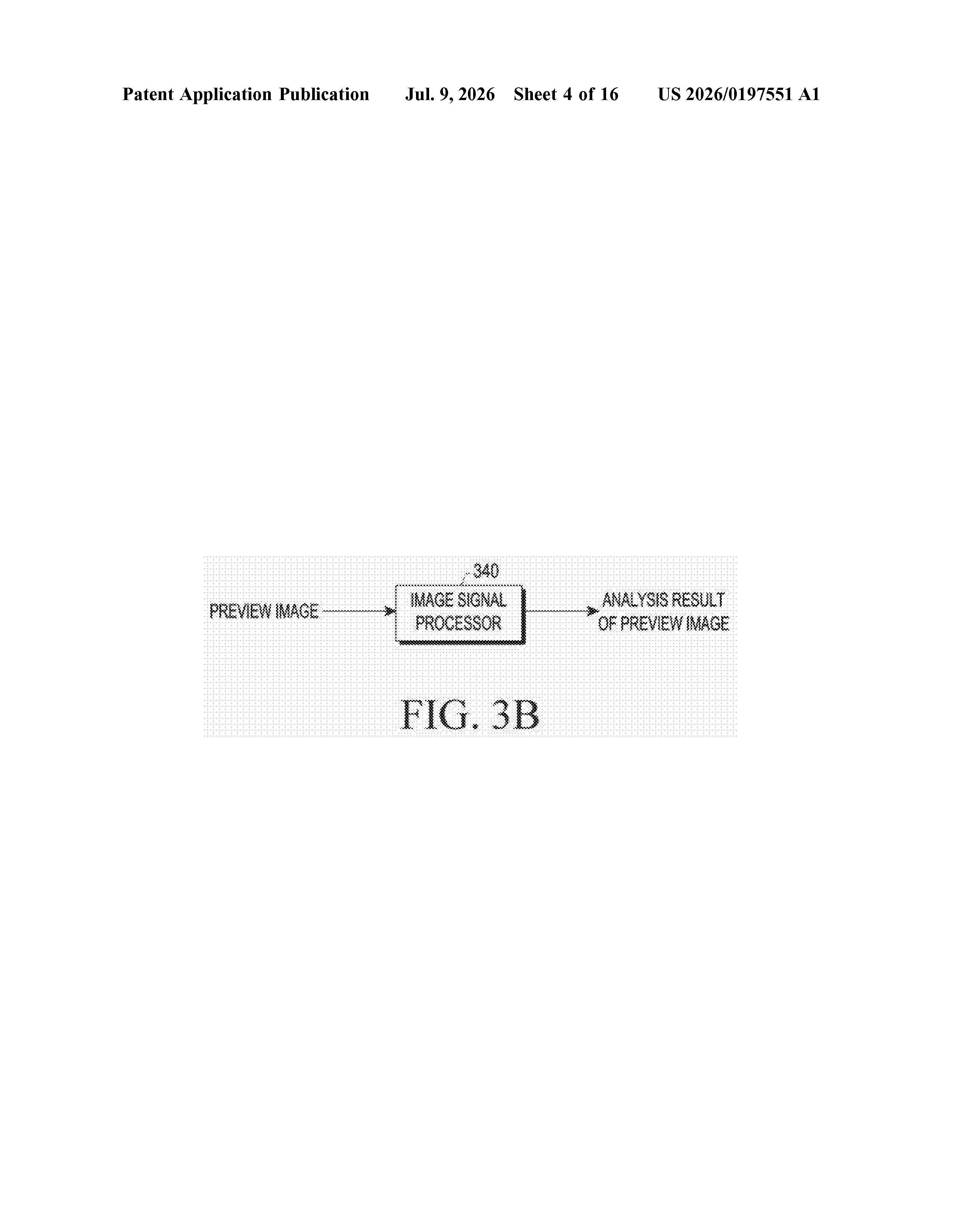
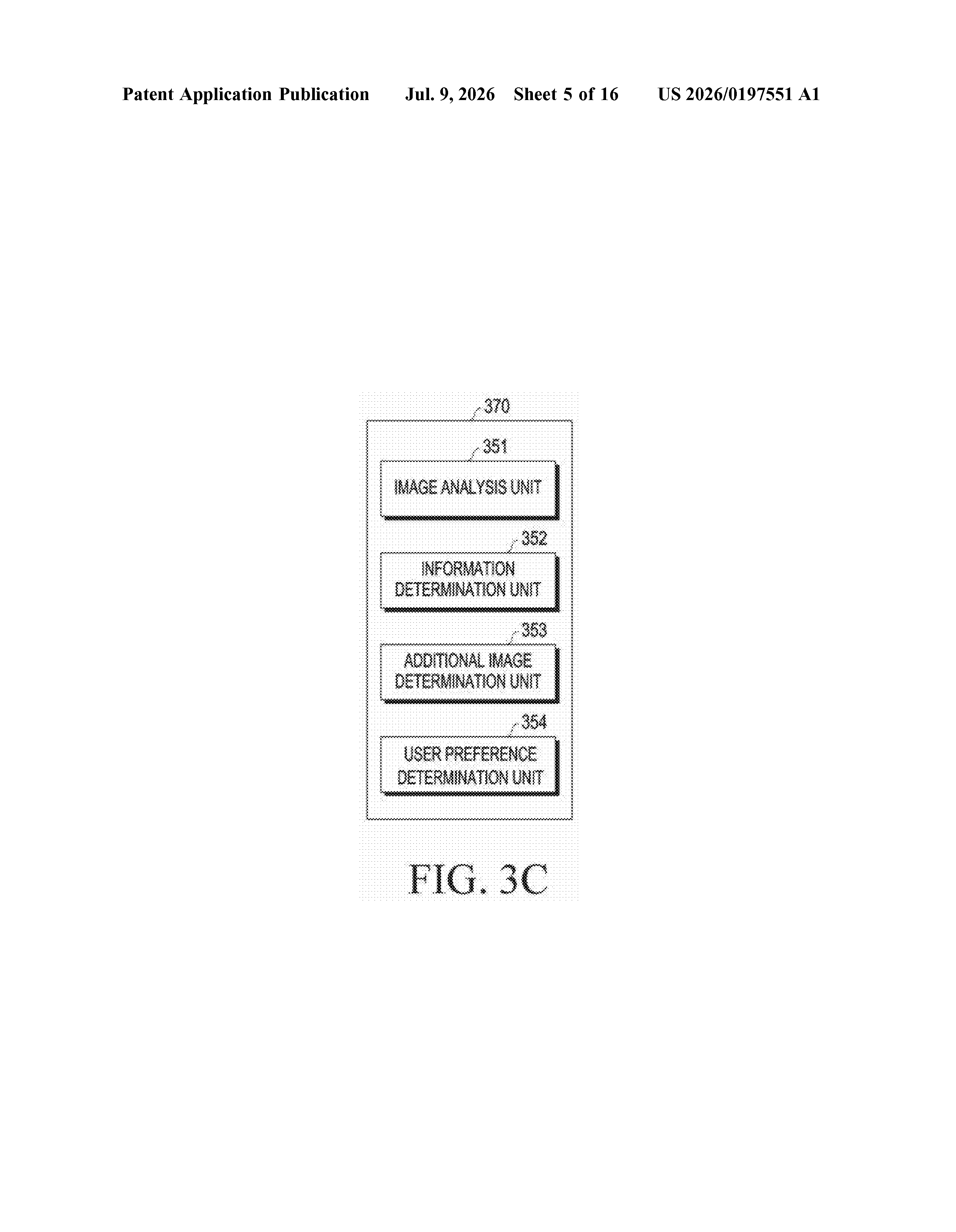
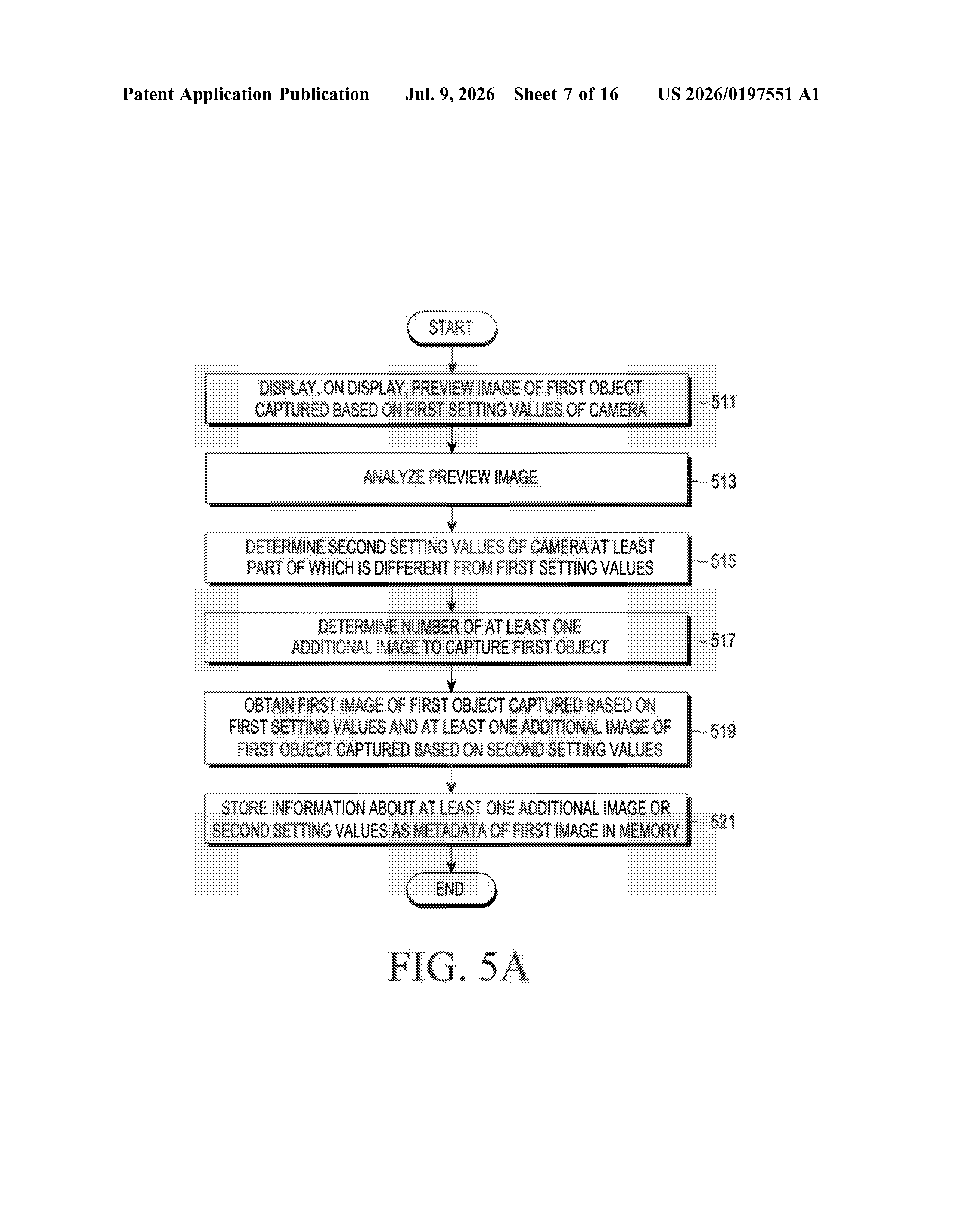
That's the core idea in this Samsung patent. When you frame a shot, the camera analyzes what it sees in the live preview, figures out what settings would work better than the ones you already have, and then captures additional images using those improved settings alongside your original photo.
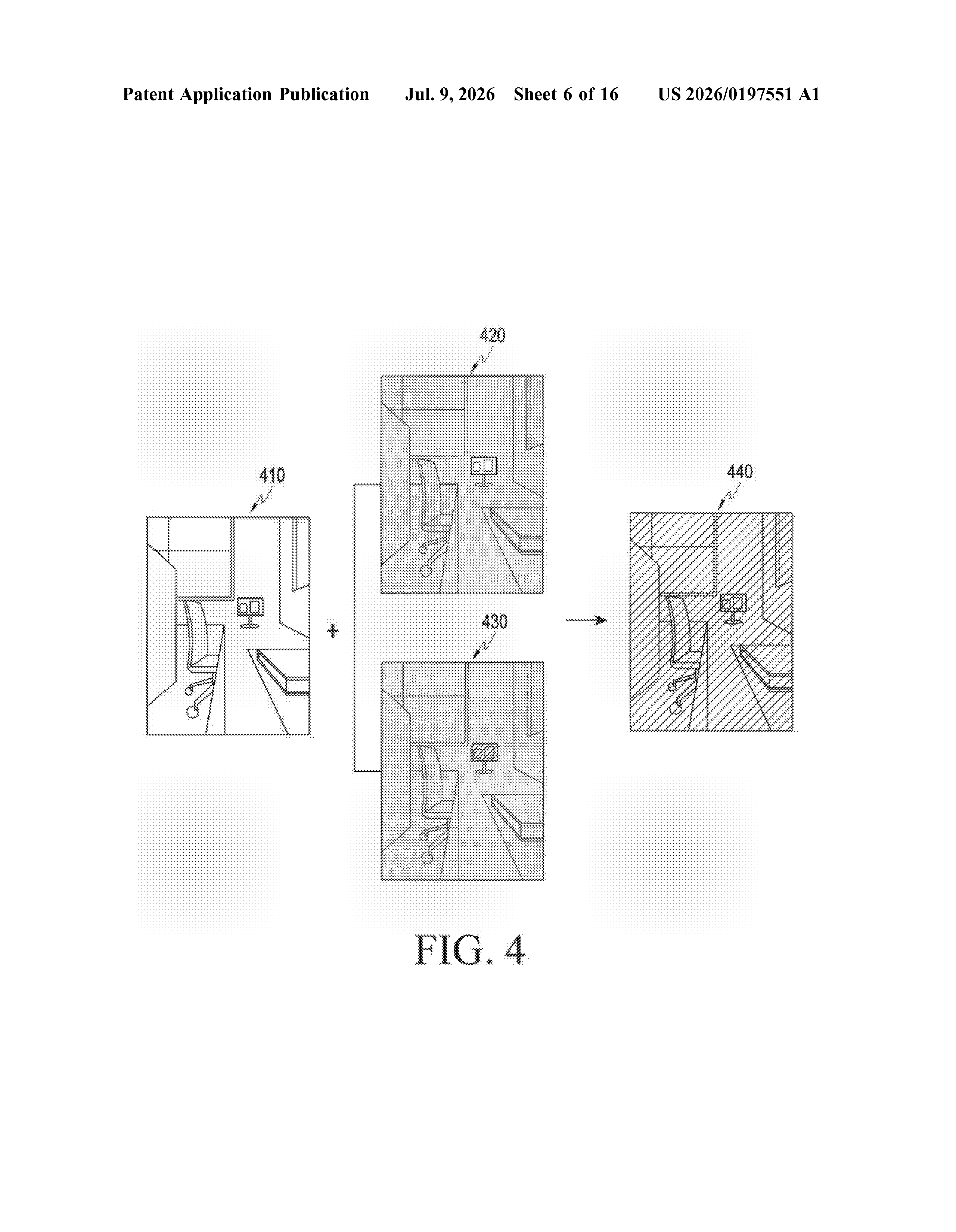
All the extra images, and the settings used to take them, get saved as metadata (hidden information attached to your photo). That means Samsung's software could later pick the best version of the shot, or blend them together, giving you a better result without any extra effort on your part.
How the camera analyzes previews and picks extra shots
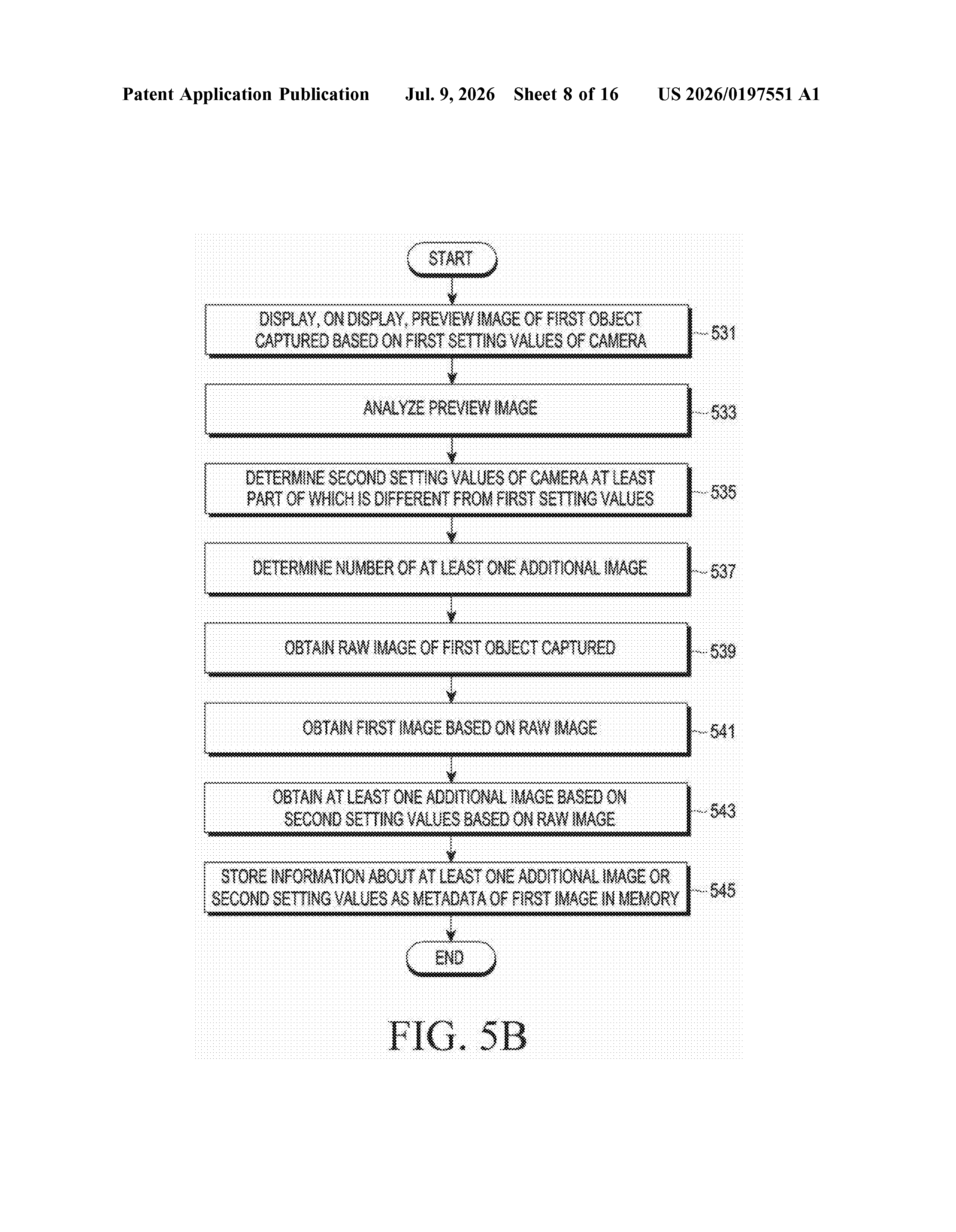
The patent describes a two-stage camera process. First, the phone captures an image using whatever settings the user (or the camera app) has already chosen, call these the first setting values. In parallel, the camera analyzes the live preview image to determine whether a different set of settings would produce a better result.
If the analysis finds a meaningful difference, the device identifies second setting values, things like a different exposure level, ISO, white balance, or focus mode. Based on those second settings, the phone also decides how many additional images to capture and what type they should be (for example, an HDR frame, a long-exposure frame, or a noise-reduced frame).
The camera then fires both captures:
- The original image at your chosen settings
- One or more extra images at the automatically identified settings
Finally, the extra images and the settings used to take them are stored as metadata (hidden data attached to the main image file). This gives Samsung's processing software everything it needs to compare, select, or combine frames without cluttering your camera roll with duplicates.
What this means for Samsung's next camera software
For Samsung, this fits neatly into the multi-frame processing pipeline that already powers features like Nightography and computational zoom on Galaxy phones. The key difference here is that the decision to capture extra frames would happen automatically, driven by what the camera sees in real time rather than a fixed rule.
For you as a user, the practical result is that the phone takes more of the photography decisions out of your hands. You press the shutter once, and the system handles the rest. Whether that produces noticeably better photos depends on how well the preview analysis works, but the architecture Samsung is patenting makes that kind of behind-the-scenes improvement possible at a structural level.
This is a solid incremental patent, not a dramatic departure. Samsung's Galaxy cameras already do a lot of automatic multi-frame work, and this filing is essentially formalizing a smarter, preview-driven version of that process. It's worth watching because it points toward cameras that adapt their capture strategy on the fly rather than following preset scene rules, but don't expect it to feel like a new category of photography.
Get our take in your Top Stories
Liked this breakdown? Add Patentlyze as a preferred source on Google, and our plain-English take shows up more often in your Top Stories the next time Samsung patent news breaks.
There are more where this came from
We read every patent application Big Tech publishes and send you the ones worth knowing. Plain English, free, every week.
The drawings
16 drawing sheets from US 2026/0197551 A1 · click any drawing to enlarge
Want this weekly breakdown for a company we don't cover? Patentlyze Pro →