
Sony Patents a System of Body-Worn Cameras That Track Your Own Skeleton
Sony wants to map the position of every joint and limb on your body using only small cameras clipped to you, with no external sensors or special room required.
What Sony's self-tracking body-camera system actually does
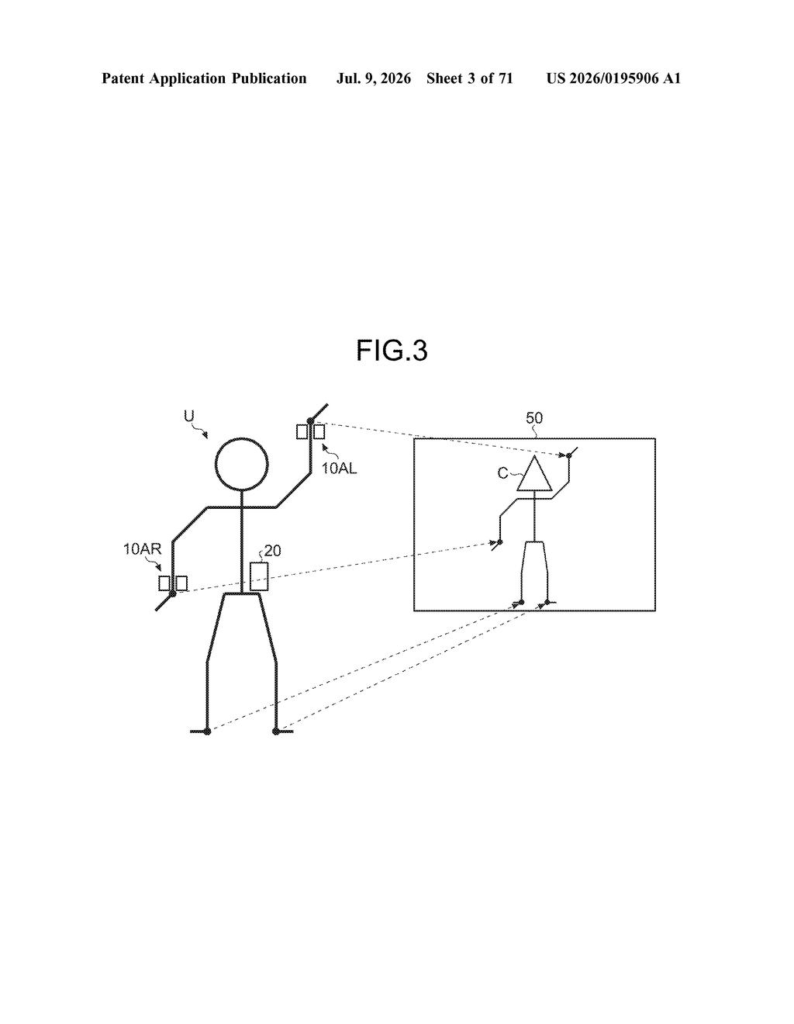
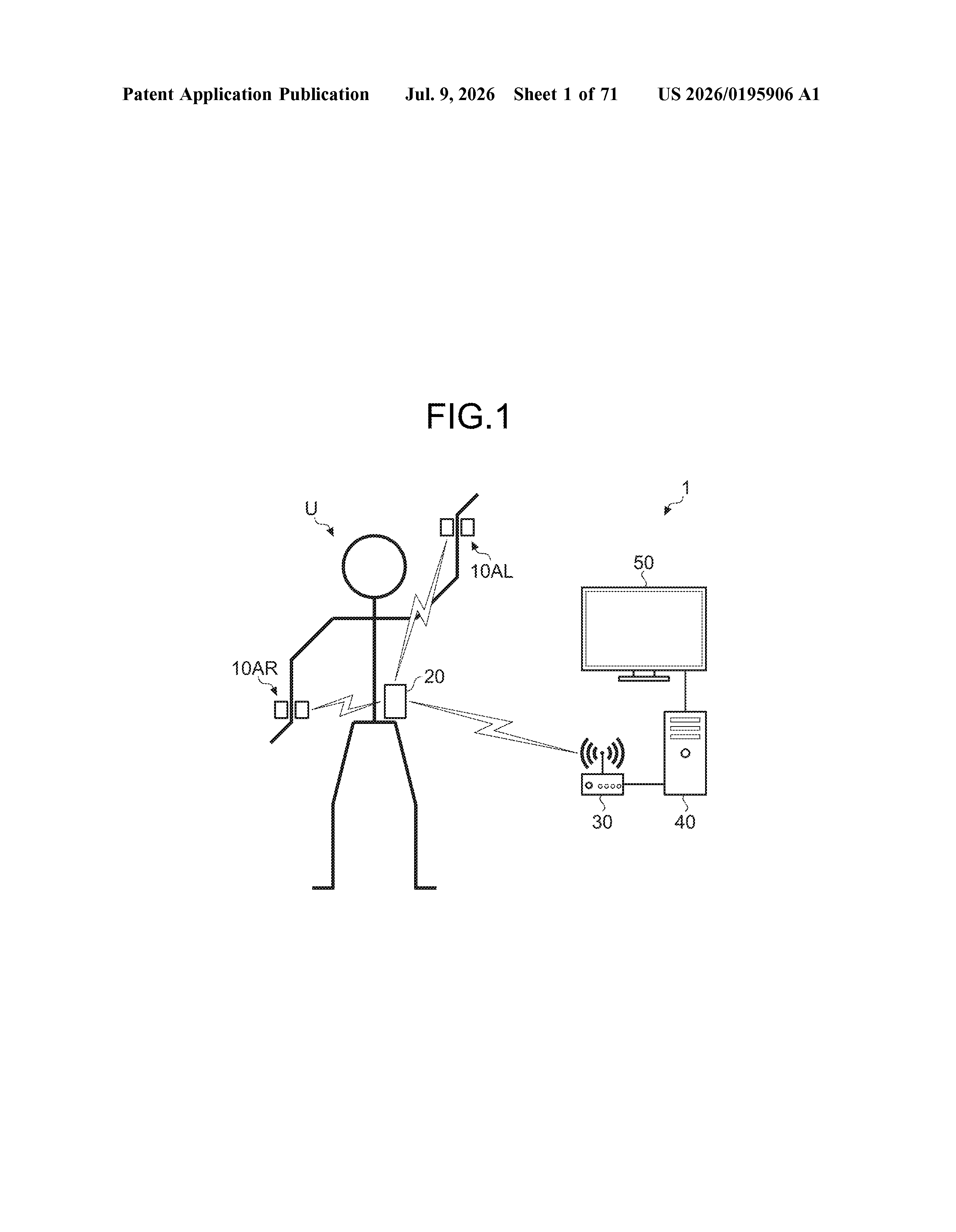
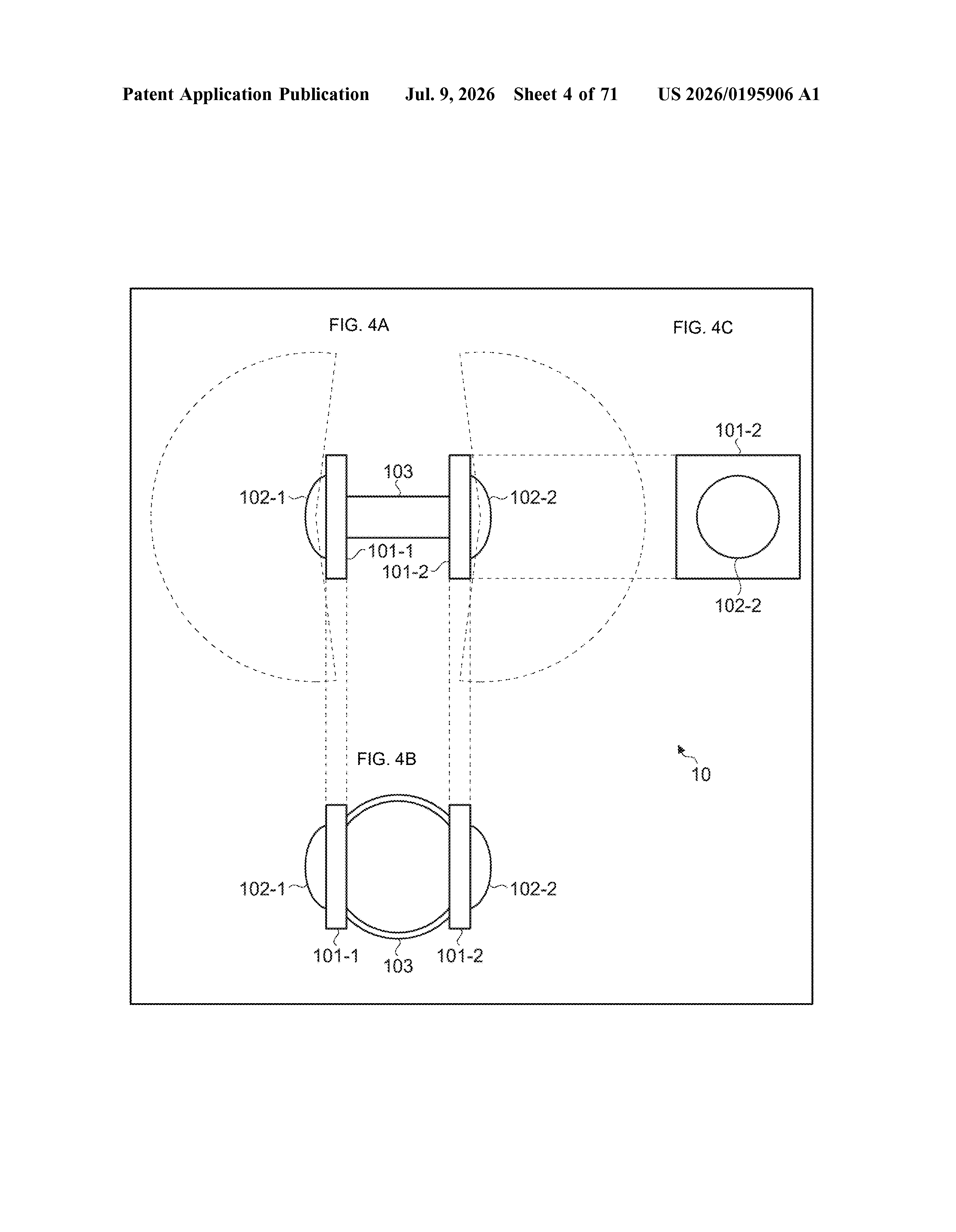
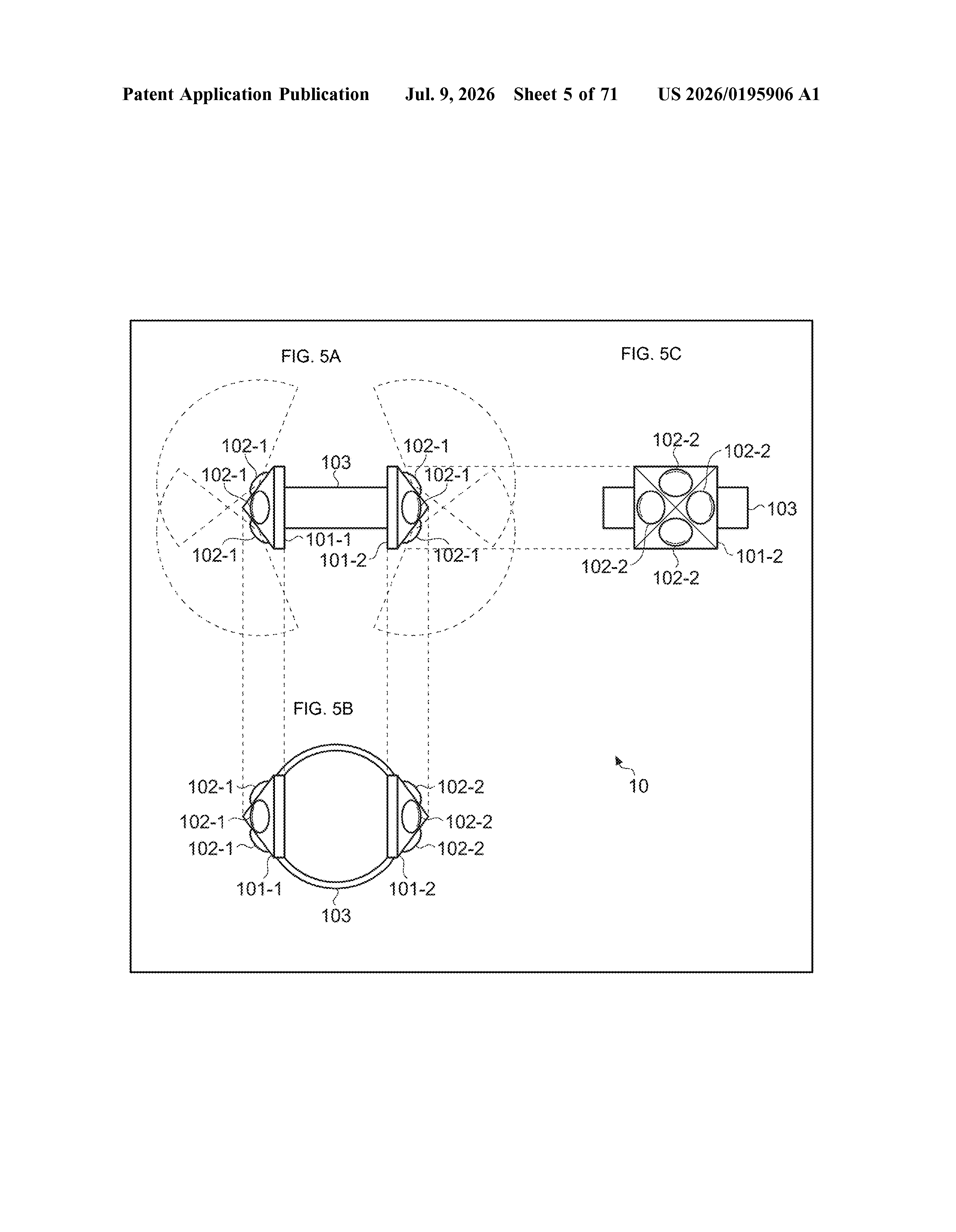
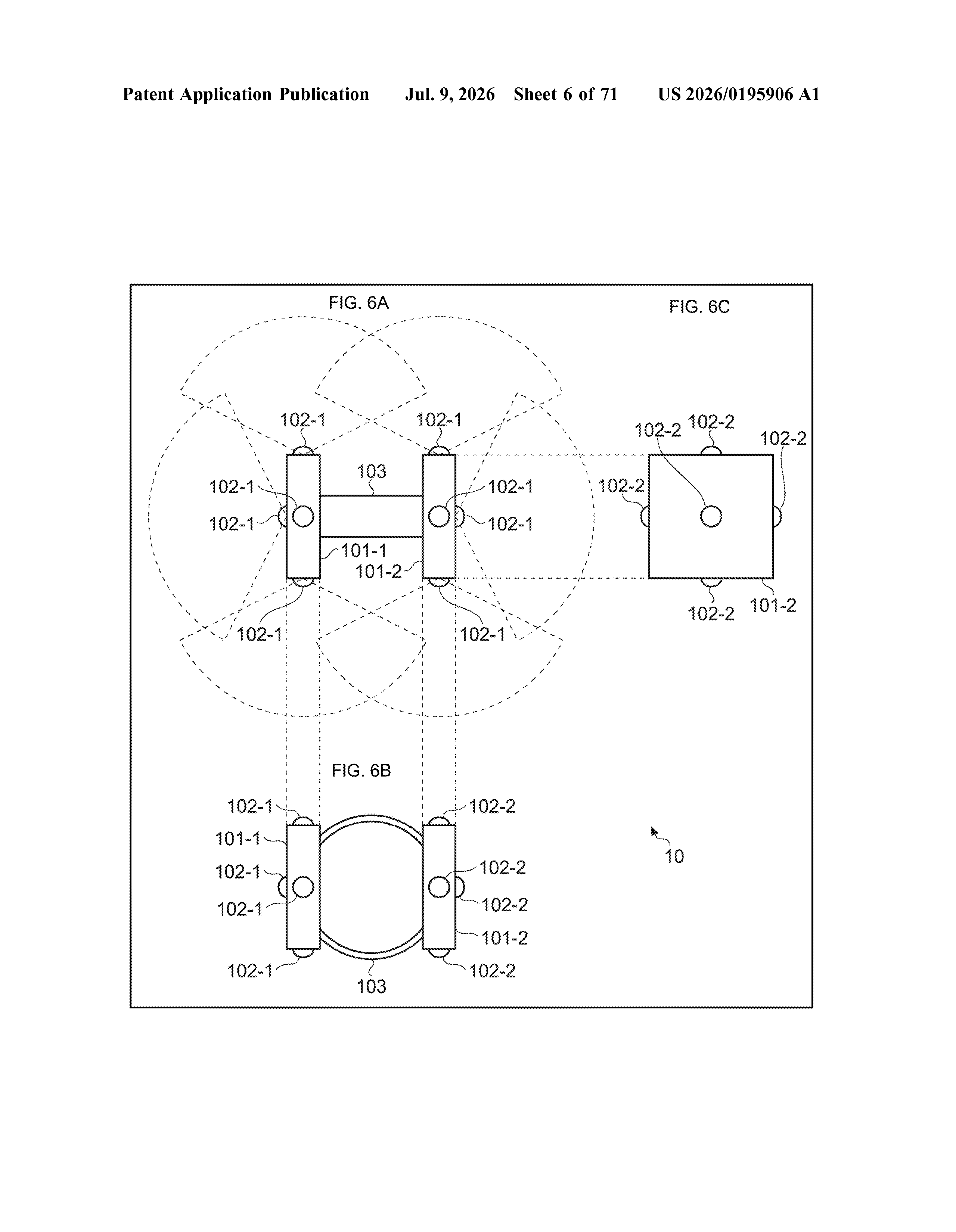
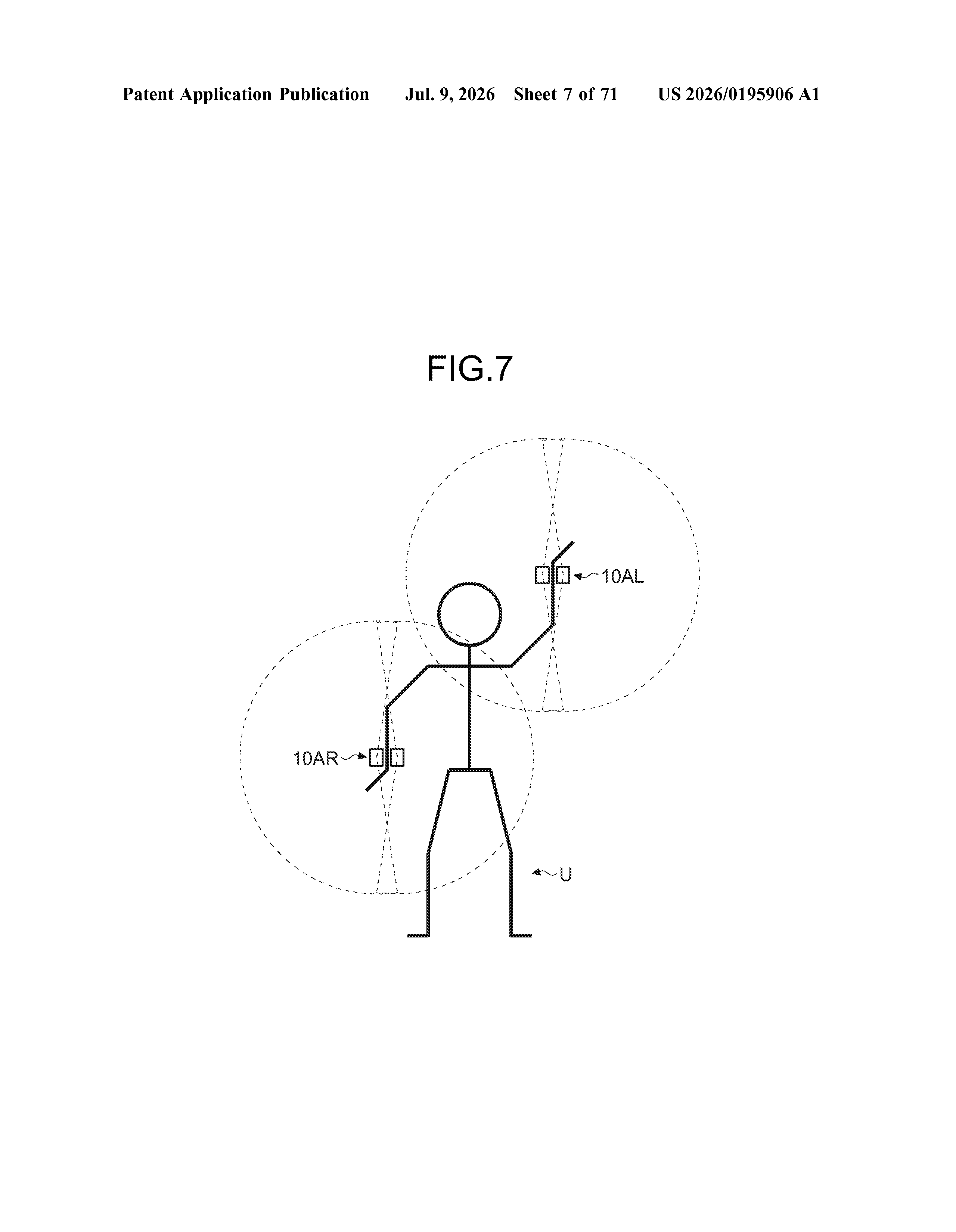
Imagine trying to record exactly how a dancer moves, or how a physical therapist wants you to bend your knee. Normally, that kind of precise body-tracking requires a room full of expensive cameras and reflective dot suits. Sony's new patent describes a much more personal approach: clip several small cameras directly onto the person, and let those cameras figure out where they all are relative to each other.
Each camera either works out its own position on the body, or uses what the other cameras can see to figure it out. The system then combines all of that to build a picture of where your arms, legs, and other body parts are at any given moment, using only the images the cameras collect.
In plain terms, you wear the sensors, the sensors watch each other, and together they produce a map of your body in motion. No special room, no external tracking towers needed.
How the cameras locate each other without outside gear
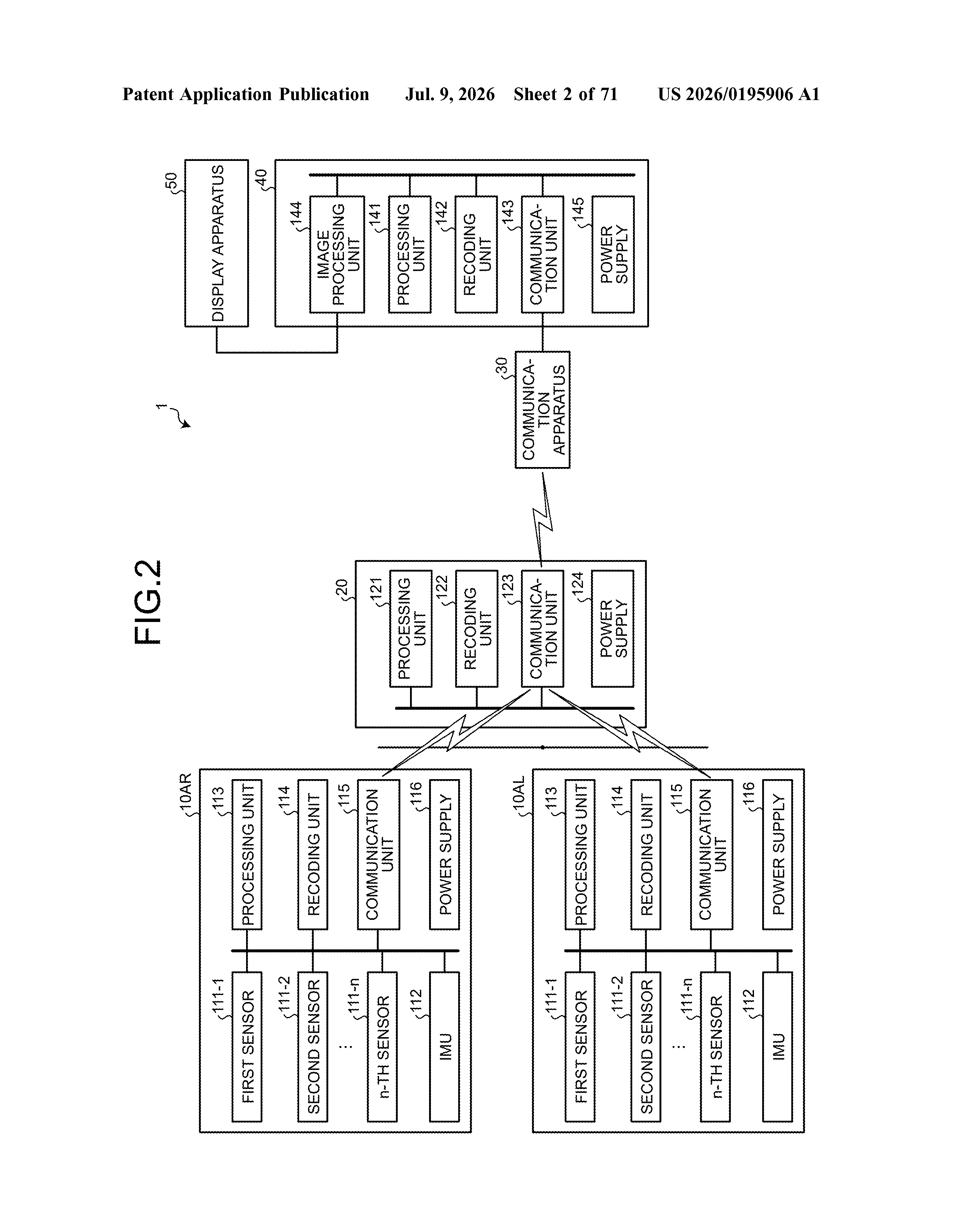
The patent describes an information processing apparatus that reconstructs the position of multiple body sites (joints, limbs, and other landmarks) on a user by combining data from several small cameras, each physically attached to the user's body.
The key design choice is how the system figures out where each camera is. Rather than relying on external infrastructure like a room-scale tracking system, each camera either:
- Self-estimates its own position using onboard processing (similar to how a phone uses visual odometry to track its own movement through space), or
- Is located by another camera already on the body, which can see it directly and calculate its position from that image data.
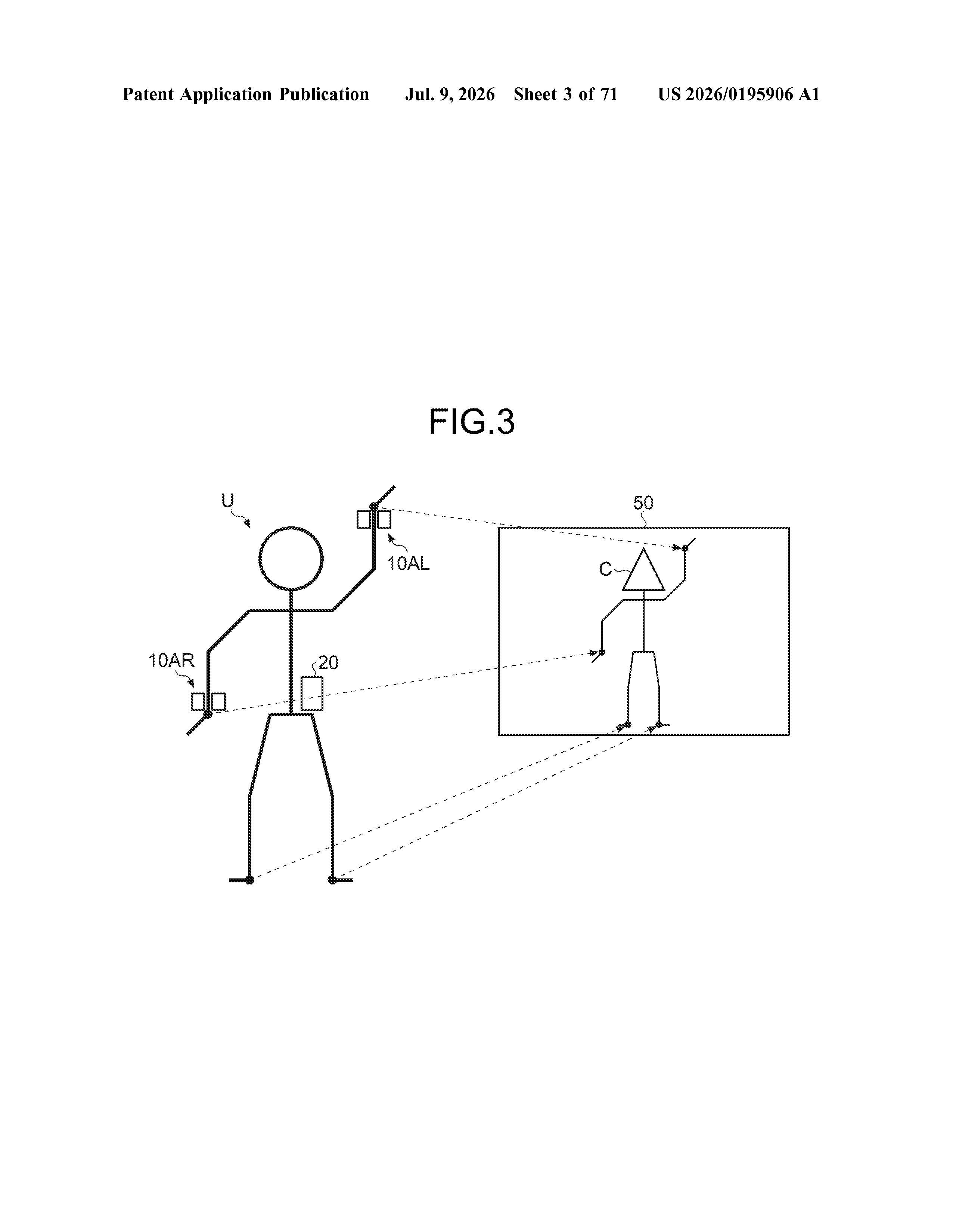
Once all camera positions are known relative to each other, the system cross-references the images each camera captures to infer where specific body sites are. The result is a full-body positional map derived entirely from wearable devices.
This is essentially a portable, self-contained version of a motion-capture pipeline. Traditional motion capture relies on fixed external cameras triangulating the positions of reflective markers. Here, the cameras are the markers and the capture system at the same time.
What this means for motion capture and wearable tech
Motion capture today is largely locked inside specialized studios. If this system works as described, it could bring that kind of precise body-tracking outside, to sports training fields, physical rehabilitation clinics, or industrial safety monitoring where workers need ergonomic analysis in the field. You wouldn't need to set anything up in the room around you.
For Sony, this fits a longer pattern of investment in imaging and sensing hardware across gaming, healthcare, and industrial markets. A self-contained body-tracking system could feed into applications ranging from avatar animation for VR platforms to clinical gait analysis. The lack of external infrastructure is the real differentiator here, not the cameras themselves.
This is a real engineering problem worth solving. Body-tracking outside of a controlled studio has always been the hard part, and the approach of having cameras locate each other is a practical way around the external-sensor requirement. Whether Sony turns this into a product or it stays as a building block for other systems is the open question.
Get our take in your Top Stories
Liked this breakdown? Add Patentlyze as a preferred source on Google, and our plain-English take shows up more often in your Top Stories the next time Sony patent news breaks.
There are more where this came from
We read every patent application Big Tech publishes and send you the ones worth knowing. Plain English, free, every week.
The drawings
71 drawing sheets from US 2026/0195906 A1 · click any drawing to enlarge
Want this weekly breakdown for a company we don't cover? Patentlyze Pro →